
Clearing and forwarding in Kenya can be simple—or extremely frustrating—depending on one key thing: your documents. Many delays at the port, border, or ICD don’t happen because goods are complicated, but because paperwork is missing, incorrect, or poorly prepared.
Whether you’re importing goods through Mombasa Port or exporting products to regional and international markets, understanding the required documents can save you time, money, and unnecessary stress. And with the right clearing and forwarding partner, the entire process becomes faster and more predictable.
Why Documentation Matters in Clearing and Forwarding
Customs authorities rely on documents to determine:
- What you are importing or exporting
- How much tax and duty you should pay
- Whether the goods comply with Kenyan and international regulations
- Where the cargo is coming from and where it is going
If even one key document is missing or has errors, your cargo can be delayed, fined, or even seized. This is why professional clearing and forwarding companies like Clearon Logistics focus so much on getting documentation right from the start.
Core Documents for Importing into Kenya
While requirements can vary depending on the type of goods, most imports into Kenya need the following:
1. Commercial Invoice
This is issued by the seller and shows the value of the goods, description, quantity, and buyer details. Customs uses this to calculate taxes and duties.
For example, if you’re importing electronics from China, the commercial invoice will be used to determine how much import duty and VAT you must pay.
2. Packing List
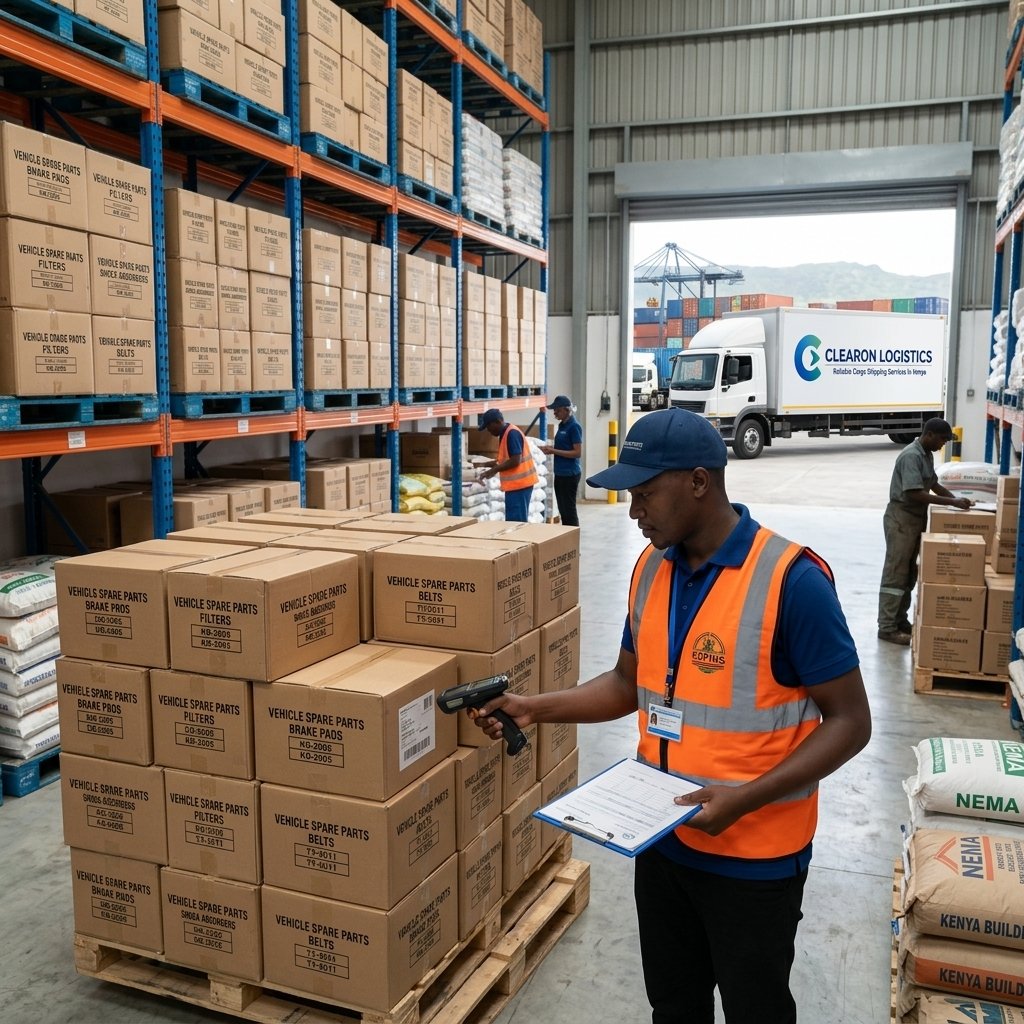
The packing list shows how the goods are packed—number of cartons, weight, and contents. This helps customs officers and port authorities verify the cargo during inspection.
3. Bill of Lading (or Airway Bill)
This is the shipping document issued by the carrier. It proves that the goods were shipped and shows the shipper, consignee, and destination. Without it, you cannot release your cargo.
4. Import Declaration Form (IDF)
In Kenya, most imports require an IDF, which is processed through the relevant systems before the goods arrive. It helps customs prepare for clearance in advance.
5. Certificate of Conformity (CoC)
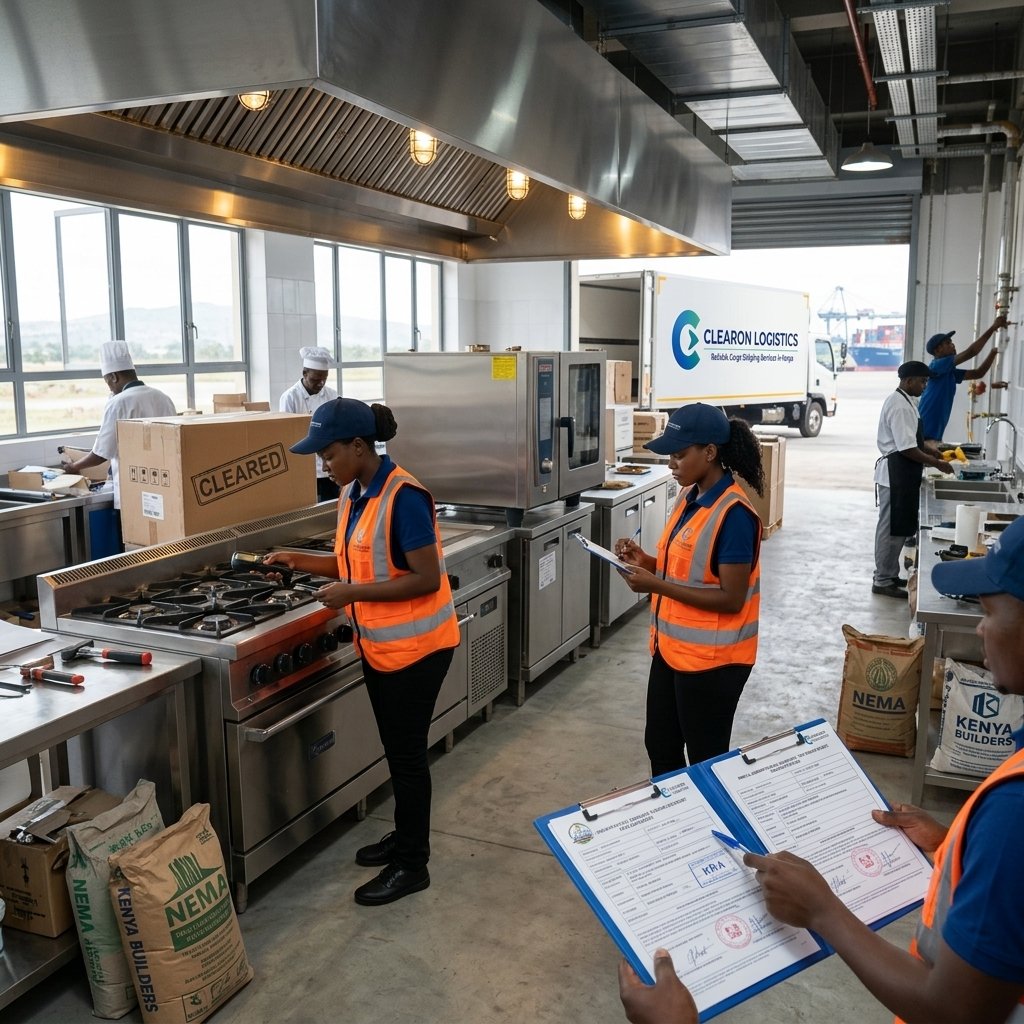
For many regulated goods, KEBS requires a Certificate of Conformity to prove that the products meet Kenyan standards. Without it, goods can be delayed or rejected.
Key Documents for Exporting from Kenya
If you are exporting goods, the paperwork is just as important. Common documents include:
- Commercial invoice
- Packing list
- Certificate of origin (to show where the goods were produced)
- Export permit (for regulated goods such as agricultural products)
- Bill of lading or airway bill
For example, if you are exporting tea or fresh produce, additional certificates may be required to meet the destination country’s regulations.
Common Mistakes That Cause Delays
Many businesses run into problems because of:
- Incorrect cargo description
- Mismatch between invoice, packing list, and shipping documents
- Missing permits or certificates
- Under-declaration or over-declaration of value
- Late submission of documents
These mistakes can lead to penalties, storage charges at the port, and long clearance delays. This is where working with an experienced clearing and forwarding company becomes a huge advantage.
How Clearon Logistics Makes the Process Easier
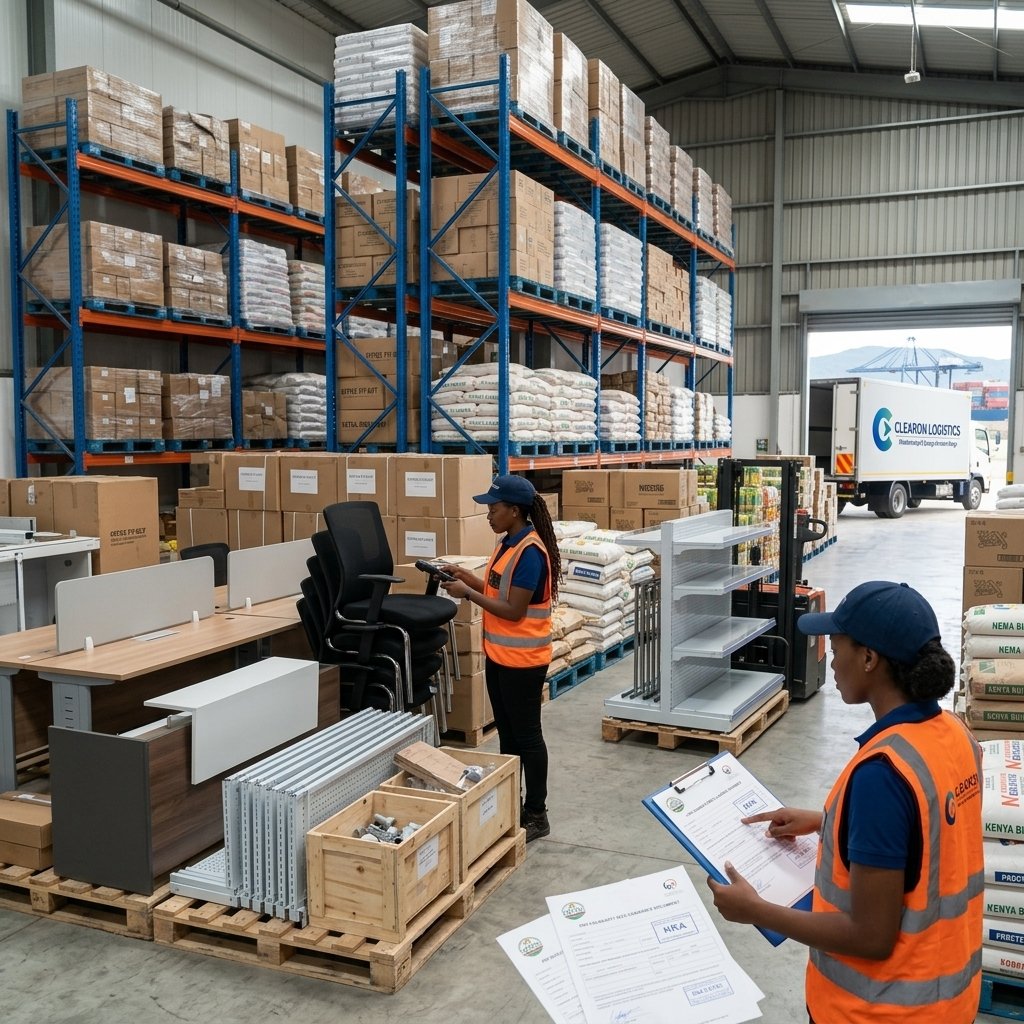
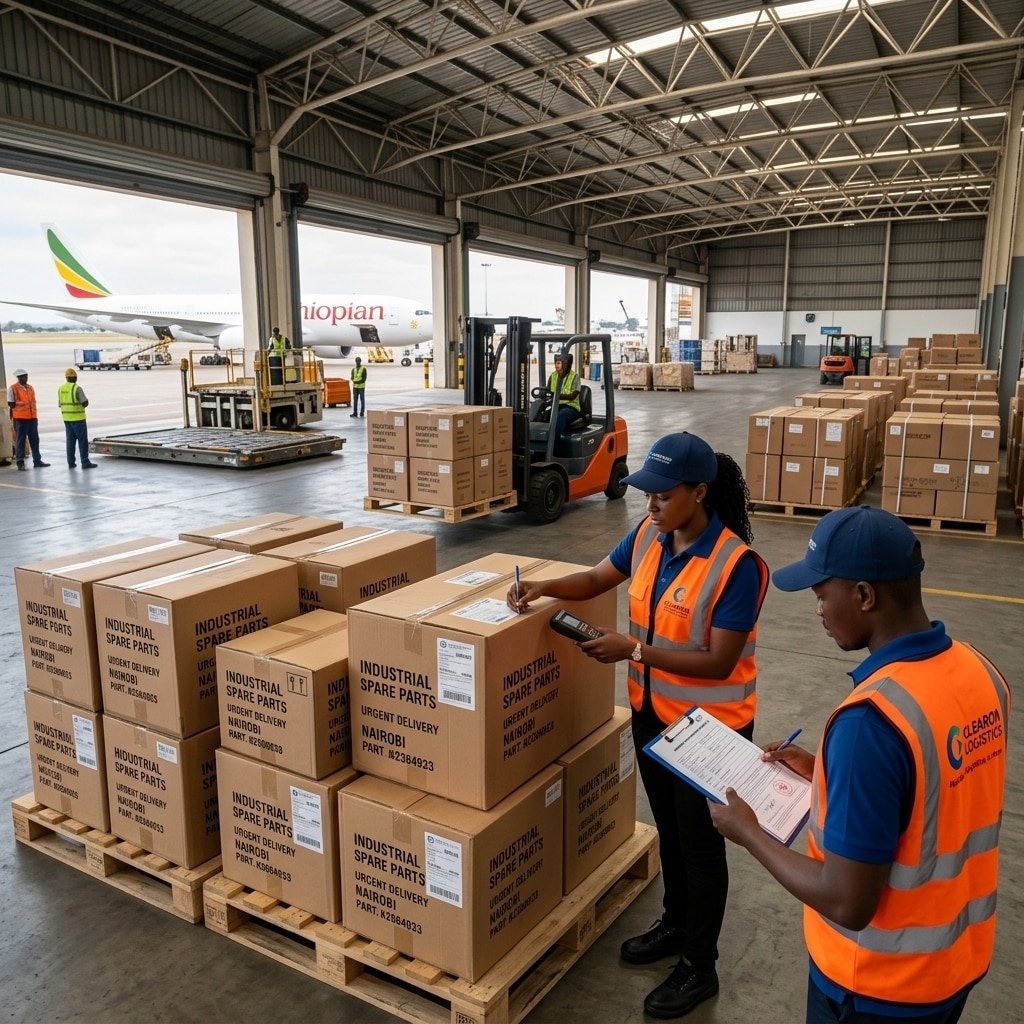
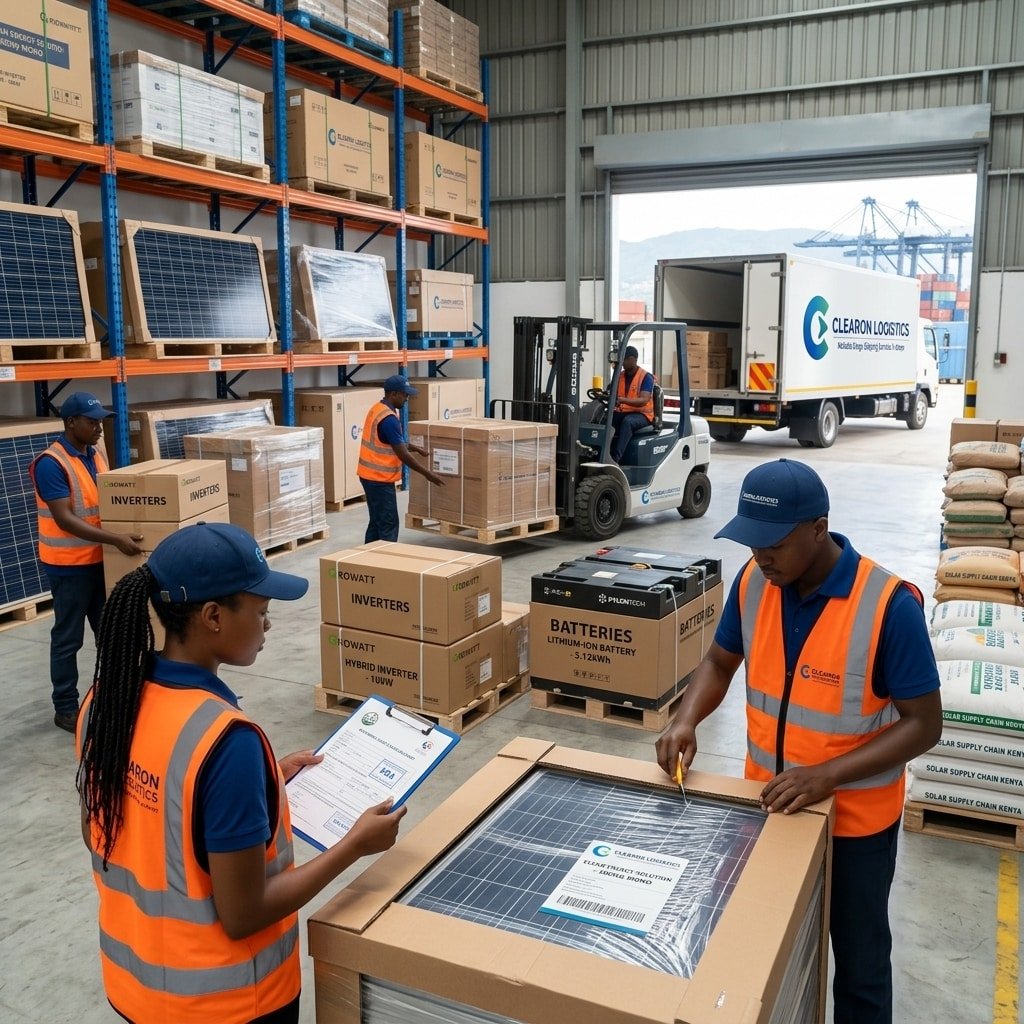
At Clearon Logistics, we handle clearing and forwarding with a strong focus on accuracy, compliance, and speed. We don’t just move cargo—we guide you through the paperwork and ensure everything is in order before your shipment even arrives.
Our team helps you:
- Prepare and verify all required documents
- Avoid costly errors and delays
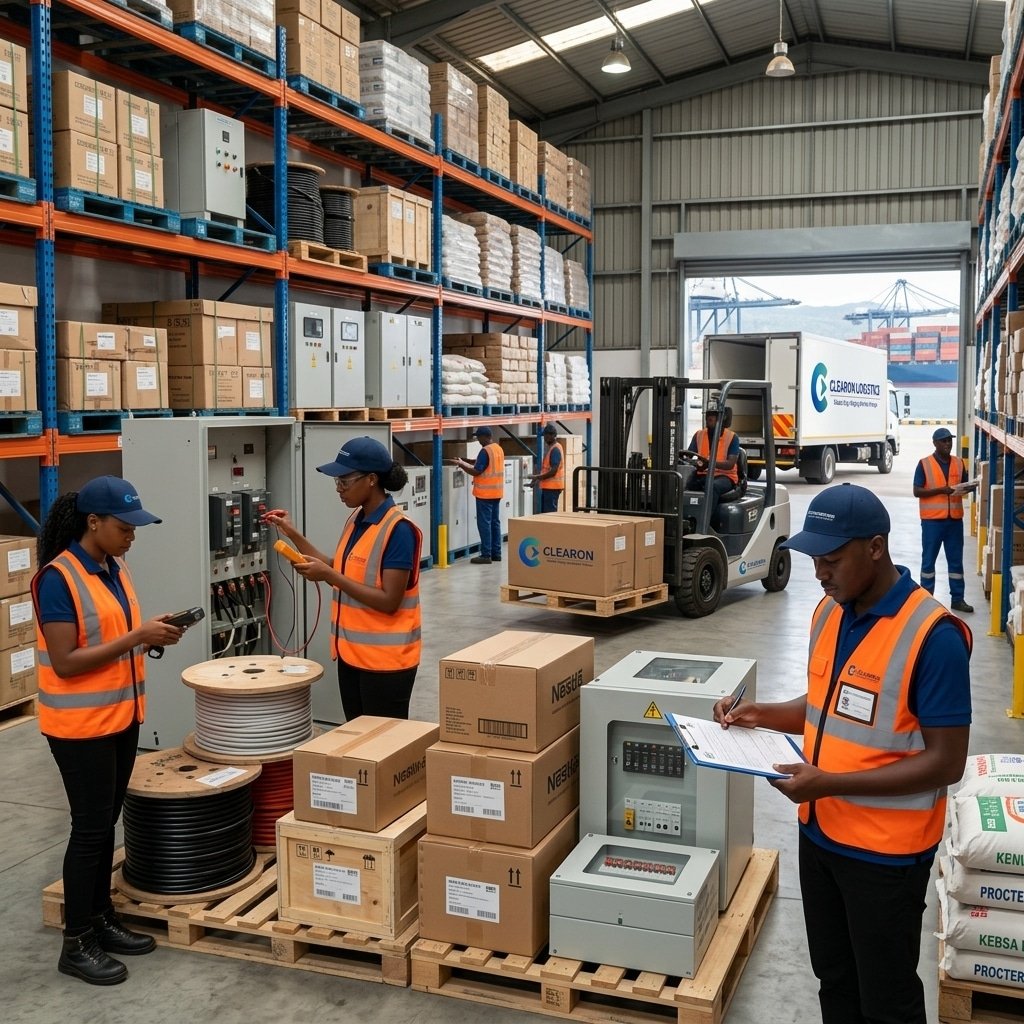
- Clear your goods efficiently through customs
- Coordinate transport and delivery to your final destination
Whether you’re a first-time importer or a regular trader, we simplify the process so you can focus on your business instead of chasing paperwork.
Real-World Example: Why Proper Documents Matter
Imagine importing a 40ft container of goods through Mombasa. If your commercial invoice value doesn’t match your packing list or bill of lading, customs will flag the shipment for verification. This can add days—or even weeks—to your clearance time, plus extra storage charges.
With a professional clearing agent like Clearon Logistics, these issues are caught early and corrected before they become expensive problems.
Clearing and Forwarding Is Easier with the Right Partner
Clearing and forwarding in Kenya doesn’t have to be complicated. With the right documents and the right support, your cargo can move smoothly from port to your warehouse or customer.
If you want reliable, professional, and efficient clearing and forwarding services, Clearon Logistics is ready to support your imports and exports every step of the way—handling the paperwork, the process, and the pressure for you.



Leave a Reply