
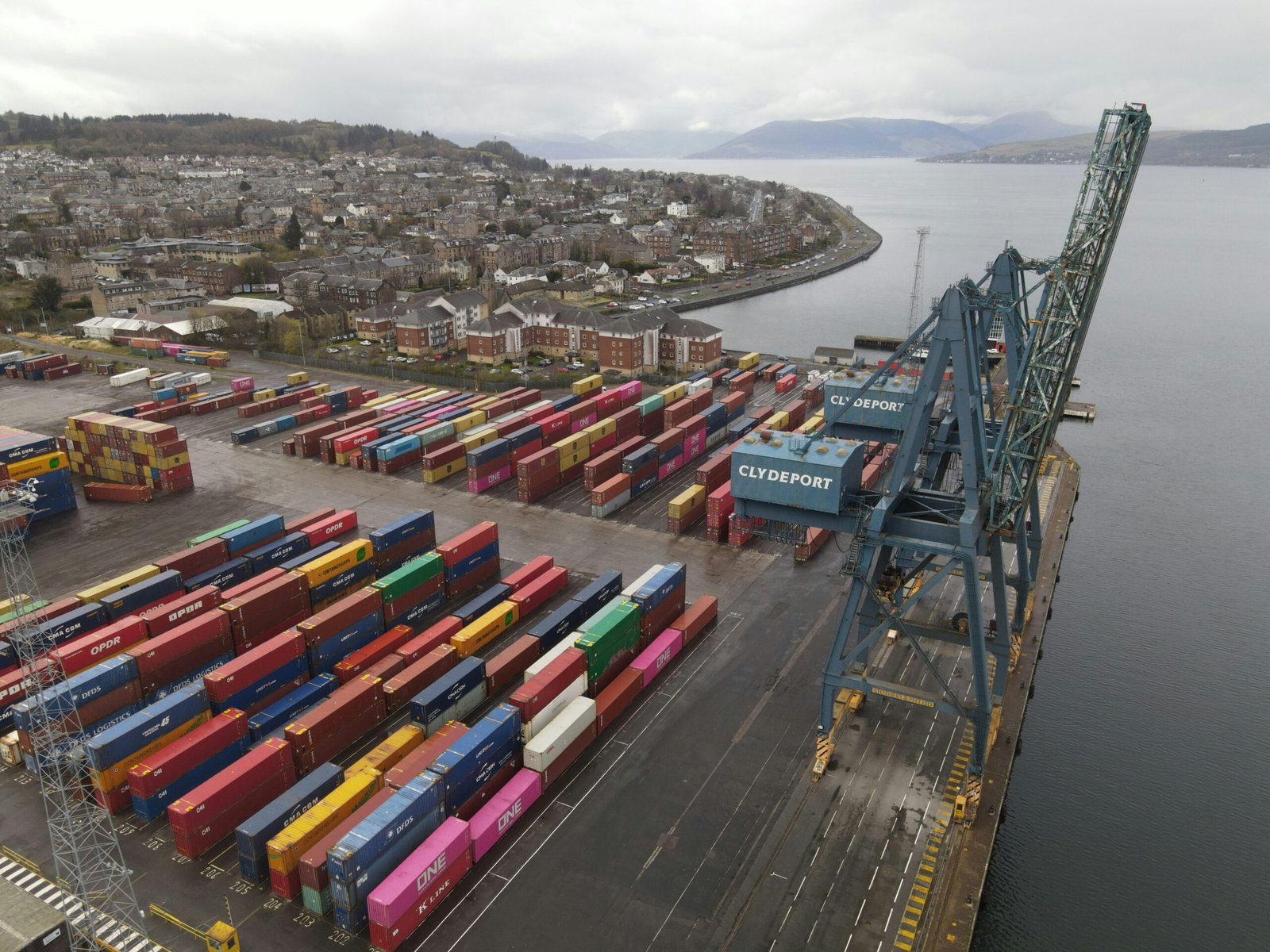
Few things are more frustrating for an importer than seeing cargo arrive in Kenya—only for it to sit at the port or ICD for days or even weeks. Most of these delays are not caused by the port itself, but by avoidable mistakes made before or during the clearance process.
Whether you’re importing through Mombasa Port or any inland container depot, understanding these mistakes can save you time, money, and stress.
1. Incomplete or Incorrect Documentation
This is the number one cause of clearance delays. Missing invoices, wrong packing lists, incorrect HS codes, or mismatched values immediately raise red flags with customs.
Even a small typo in the consignee name or product description can force your file back for correction. While that’s being fixed, your cargo sits in the yard—and storage charges start adding up.
A professional clearing agent reviews documents before the ship arrives, not after.
2. Wrong HS Code Classification
Every product must be classified under the correct HS code. If you use the wrong code:
- You may pay the wrong duty
- Customs may stop the entry for verification
- You may be accused of misdeclaration
All of these lead to delays. Some goods have very similar descriptions but completely different duty rates and regulatory requirements. Getting this wrong can easily add several days to your clearance timeline.
3. Under-Declaration of Value
Some importers try to reduce taxes by declaring a lower value. This is risky. Customs systems flag suspicious values, especially when they don’t match market prices or previous imports.
When this happens, your cargo may be:
- Sent for customs valuation review
- Physically verified
- Delayed until additional documents are provided
In many cases, penalties and extra charges follow. What looked like “saving money” ends up costing much more.
4. Ignoring Regulatory Requirements
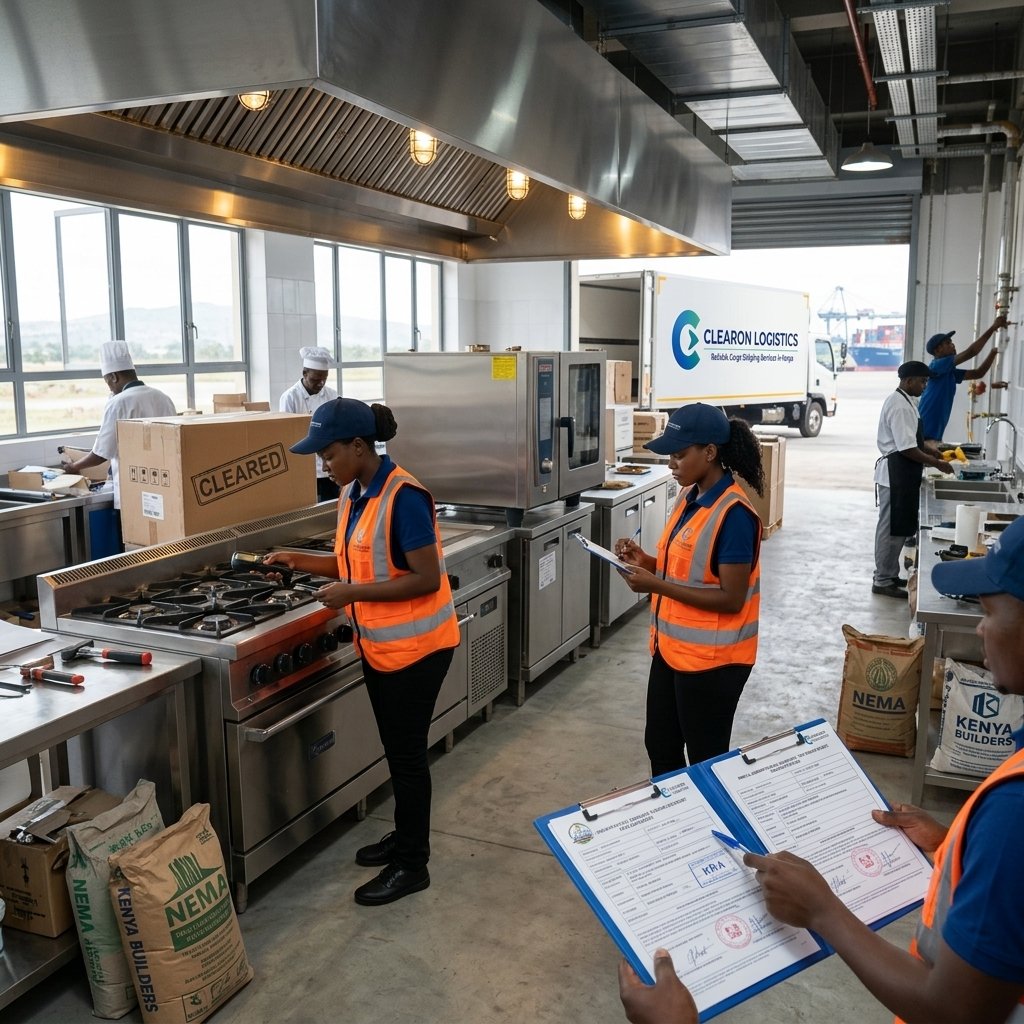
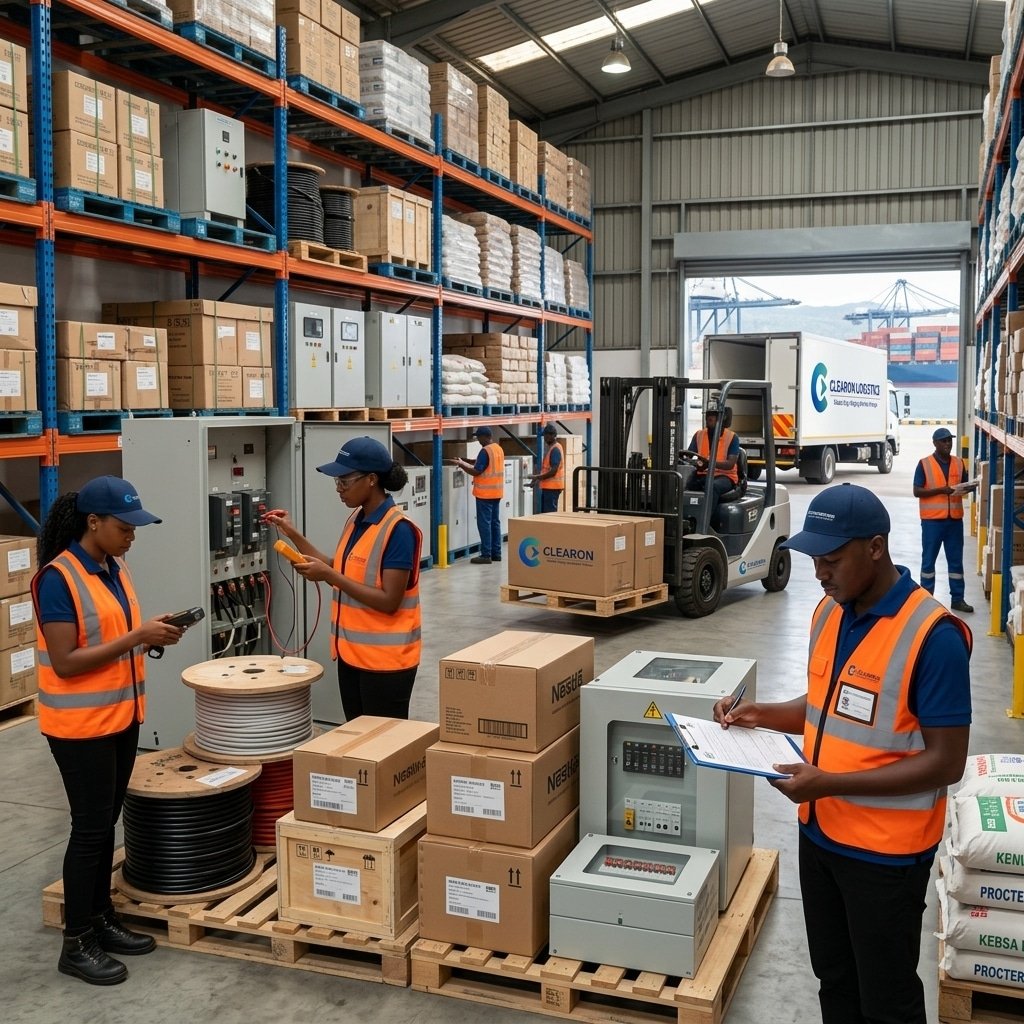
Some goods need approvals from agencies like KEBS, port health, or other regulators. If these permits are not prepared in advance, customs cannot release your cargo.
Common examples include:
- Food products
- Electronics
- Chemicals and cosmetics
- Used machinery
If inspections or certificates are not ready, your container can sit waiting while fees keep accumulating.
5. Late Submission of Documents
Timing matters. Submitting documents after the vessel has already arrived almost guarantees delays. The clearance process works best when entries are prepared before the ship docks.
Late submission means your file only starts moving when everyone else is already ahead in the queue.
6. Choosing the Wrong Clearing Partner
Not all clearing agents work the same way. Some wait for problems to happen before reacting. Others don’t explain risks upfront. This often leads to:
- Poor communication
- Unexpected extra charges
- Long clearance times
- Frustrated importers
How Clearon Logistics Helps You Avoid These Delays
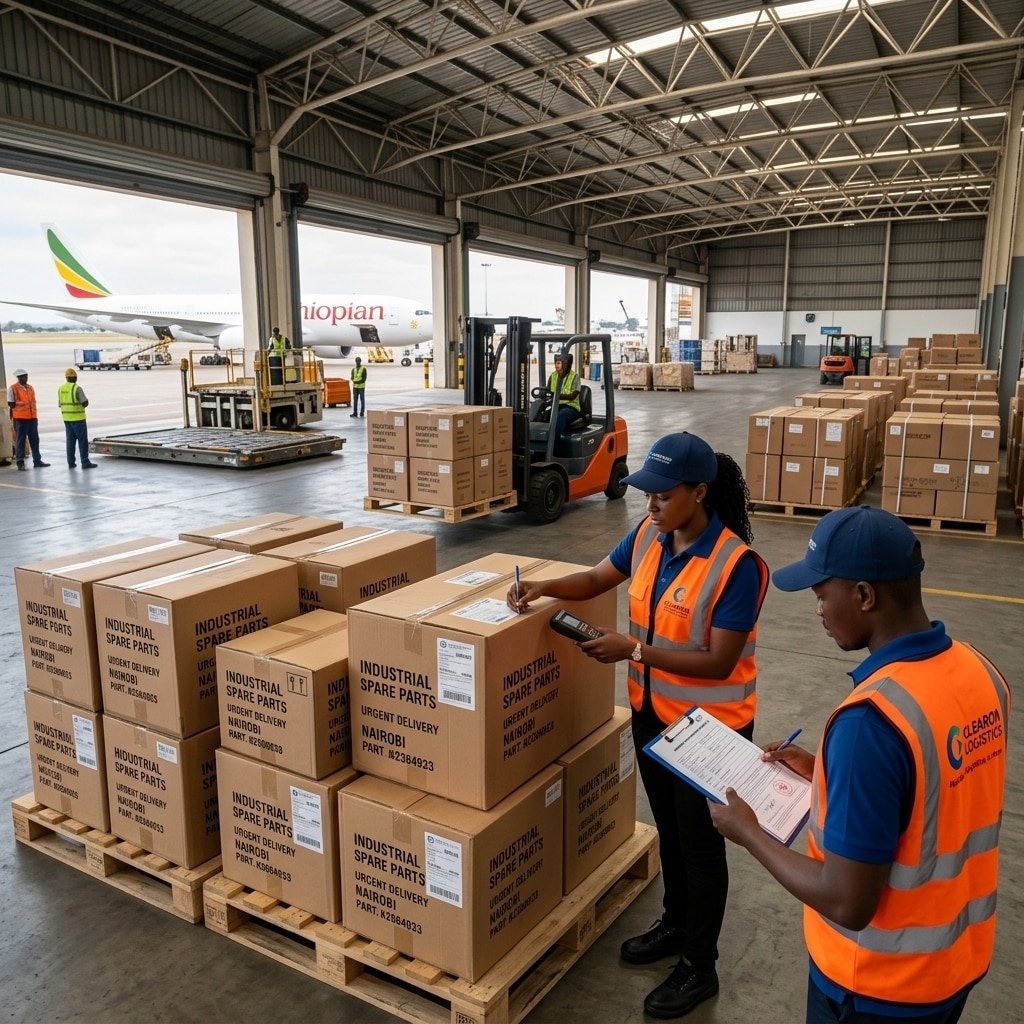
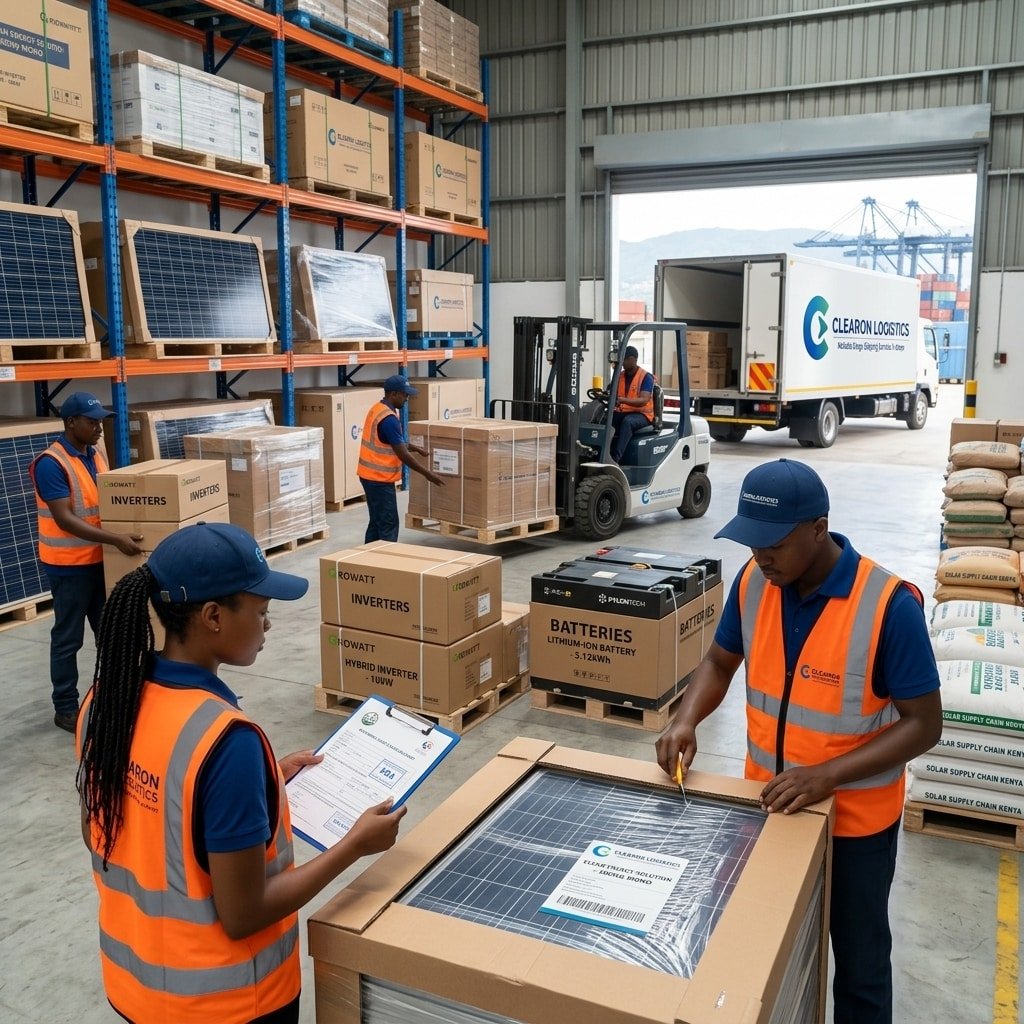
At Clearon Logistics, we focus on pre-clearance planning. We review your documents early, confirm HS codes, check regulatory requirements, and prepare your entry before the vessel arrives.
Our clients benefit from:
- Faster clearance times
- Fewer customs queries
- Predictable costs
- Less storage and demurrage charges
We don’t just clear cargo—we help you avoid the mistakes that slow your business down.
A Simple Rule: Prepare Before You Ship
Most clearance delays in Kenya can be prevented long before the container reaches the port. The right advice, correct paperwork, and an experienced clearing partner make all the difference.
If you want your cargo cleared smoothly, legally, and without drama, Clearon Logistics is ready to handle the process from start to finish.





Leave a Reply