
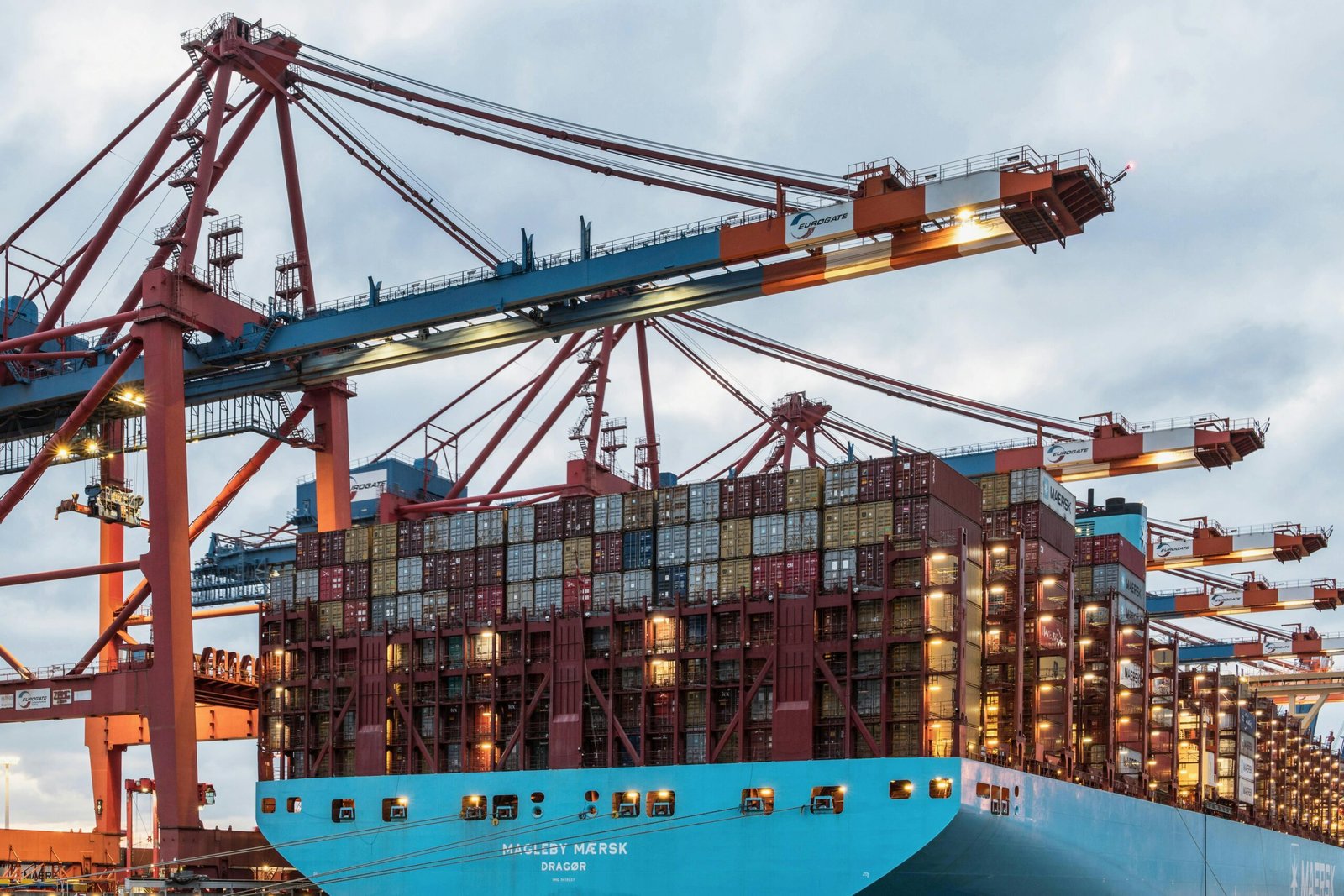
Importing goods into Kenya can be a powerful way to grow your business, increase profit margins, or access products not easily available locally. But for many first-time importers, the process feels confusing, risky, and expensive—mostly because of unclear procedures, hidden costs, and complex customs rules.
In this guide, you’ll learn exactly how to import goods into Kenya step by step, what documents you need, what taxes you’ll pay, how long the process takes, and how to avoid costly mistakes that delay or block your cargo.
Whether you’re importing from China, Dubai, Turkey, India, or anywhere else, this article will give you a clear, practical roadmap.
And if you want a stress-free experience, you’ll also see how Clearon Logistics helps importers handle the entire process smoothly and cost-effectively.
Step 1: Decide What You Want to Import (And Check If It’s Allowed)
Before you send any money to a supplier, you must confirm that your goods are allowed into Kenya.
Some goods are:
- Freely importable (e.g., clothes, electronics accessories, furniture, machinery parts)
- Restricted (need special permits, e.g., cosmetics, food, chemicals, medicines, plants)
- Prohibited (not allowed at all)
Example:
- Importing mobile phone accessories? Usually no special permit other than KEBS, ACA.
- Importing cosmetics? You may need PPB & KEBS approvals.
- Importing food products? You may need KEBS and sometimes KEPHIS.
👉 This is where many beginners make mistakes and end up with cargo stuck at the port.
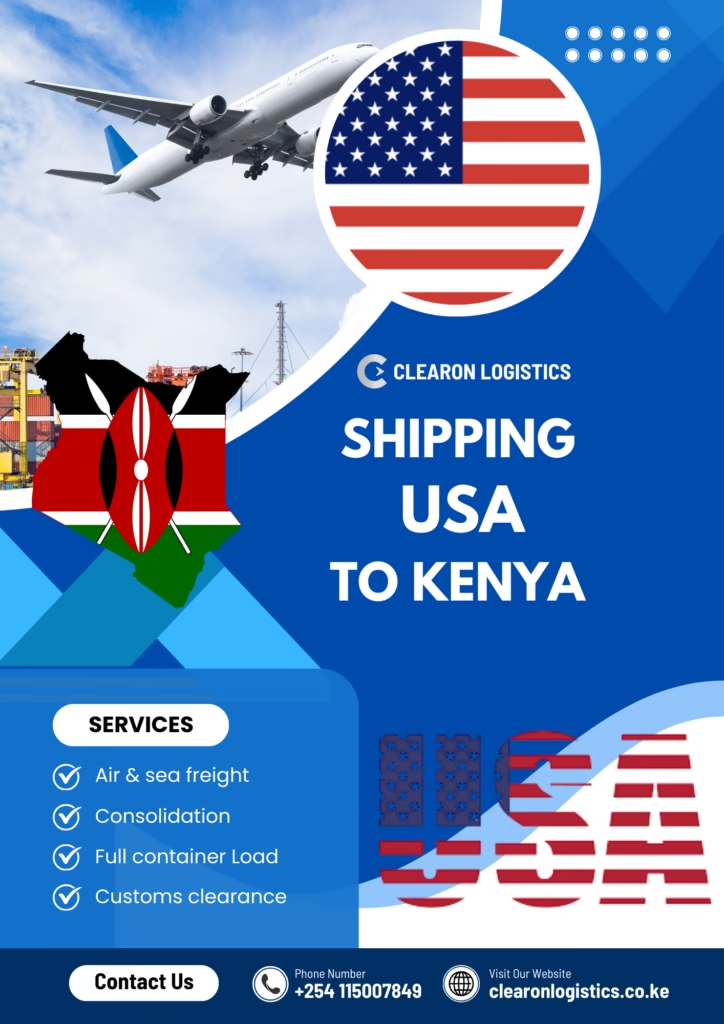
Clearon Logistics helps you check this before you ship, so you don’t lose time or money.
Step 2: Find a Supplier and Agree on Shipping Terms
Once you know your goods are allowed, you can source your supplier (e.g., from China, Turkey, or UAE).
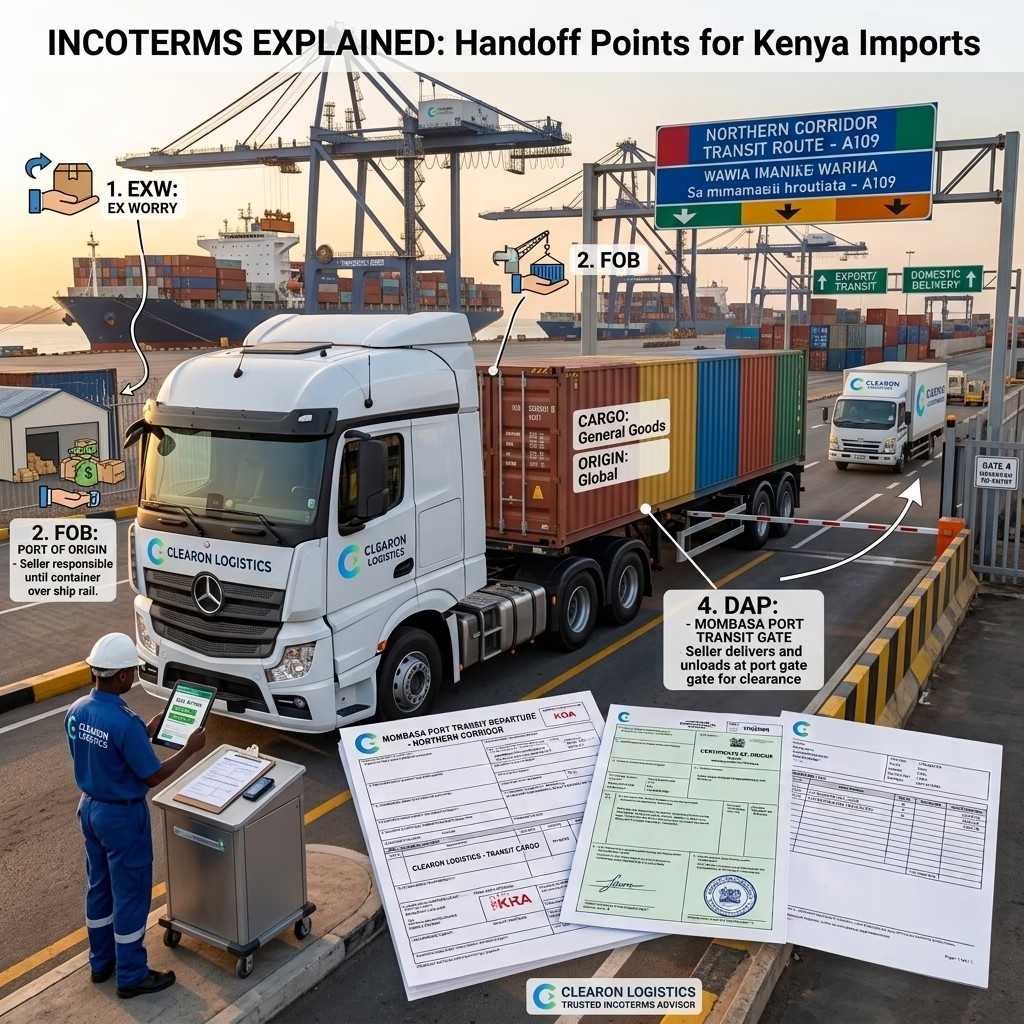
You’ll also agree on Incoterms, usually:
- FOB (Free On Board) – Supplier delivers to port, you pay shipping & insurance
- CIF (Cost, Insurance, Freight) – Supplier includes shipping & insurance in price
Example:
- If you buy goods worth USD 5,000 FOB, you’ll still need to pay:
- Freight (e.g., USD 1,200)
- Insurance (e.g., USD 50)
- Your customs value will be based on:
Cost of goods + Freight + Insurance
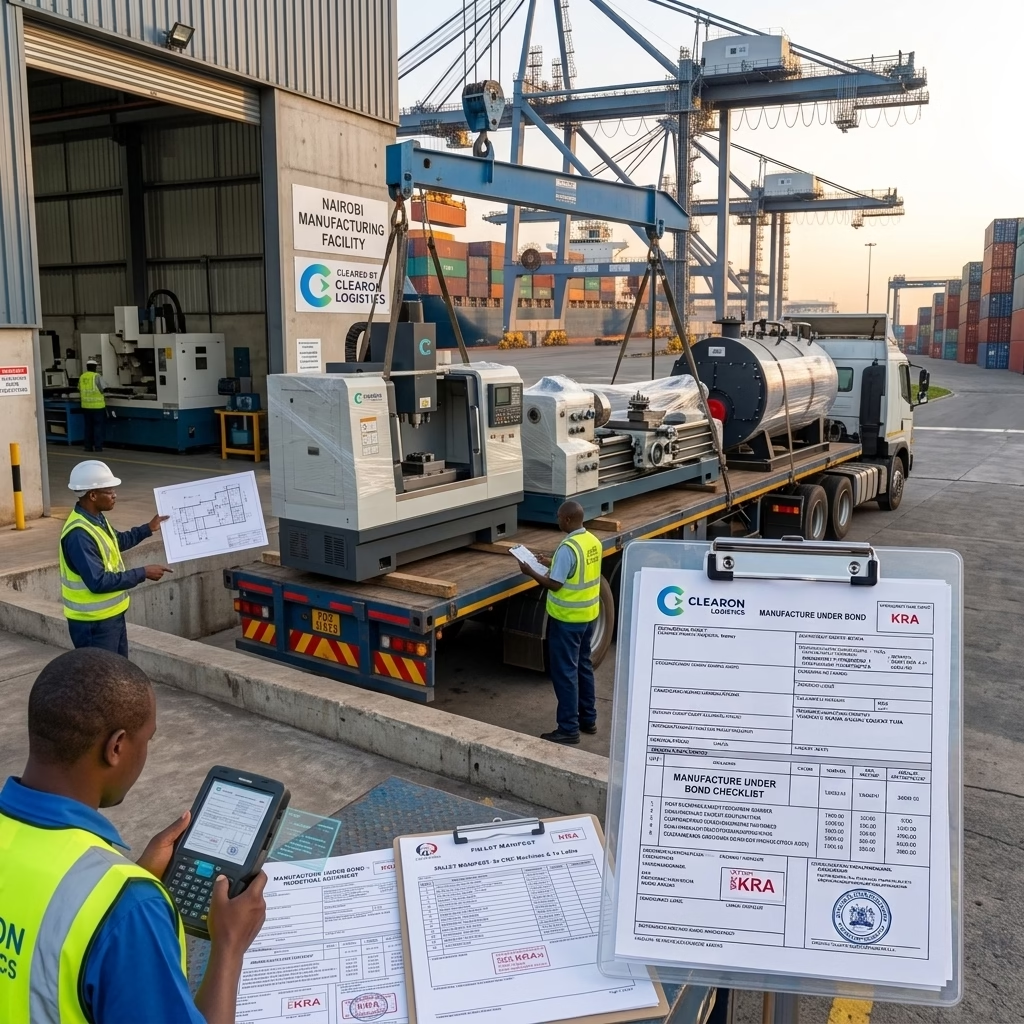
Step 3: Arrange Shipping (Sea or Air Freight)
You choose between:
🚢 Sea Freight (Cheaper, Slower)
- Best for large or heavy cargo
- Takes about 25–45 days from China to Mombasa
- Charged by CBM (cubic meter) or container
✈ Air Freight (Faster, More Expensive)
- Best for urgent or high-value goods
- Takes about 3–7 days
- Charged by weight or volume
Clearon Logistics helps you choose the most cost-effective option based on:
- Your budget
- Your timeline
- Your cargo type
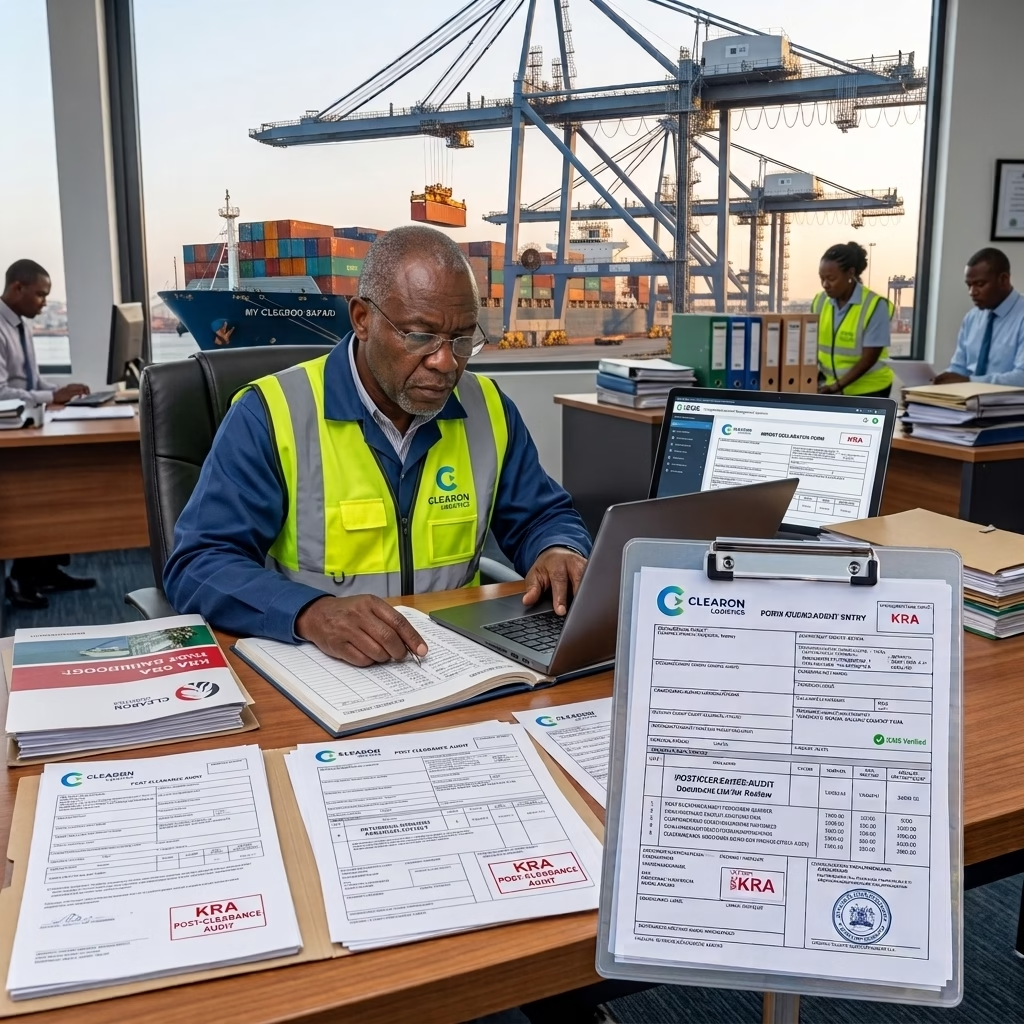
Step 4: Prepare Import Documents
To clear goods in Kenya, you’ll typically need:
- Commercial Invoice
- Packing List
- Bill of Lading / Airway Bill
- Import Declaration Form (IDF)
- HS Code classification
- Permits (if applicable)
Missing or wrong documents = delays, penalties, or extra costs.
👉 This is why many smart importers let Clearon Logistics handle documentation from the start.
Step 5: Calculate Import Taxes and Duties
Kenya import taxes usually include:
- Import Duty (varies by HS code, e.g., 0%, 10%, 25%, or more)
- VAT (usually 16%)
- IDF (2.5% of customs value, capped)
- RDL (2% of customs value)
- Permits fees (if applicable)
Example Calculation:
Assume:
- Cost of goods = KES 500,000
- Freight + Insurance = KES 100,000
- Customs value = KES 600,000
If duty is 25%:
- Duty = 150,000
- VAT = 16% of (600,000 + 150,000 + other levies) ≈ 120,000+
- Add IDF + RDL ≈ ~33,000
👉 Total taxes could be around KES 300,000+
This is why accurate HS code classification is critical. A wrong code can mean overpaying or getting fined.
Clearon Logistics calculates this for you accurately and transparently—no guessing, no surprises.
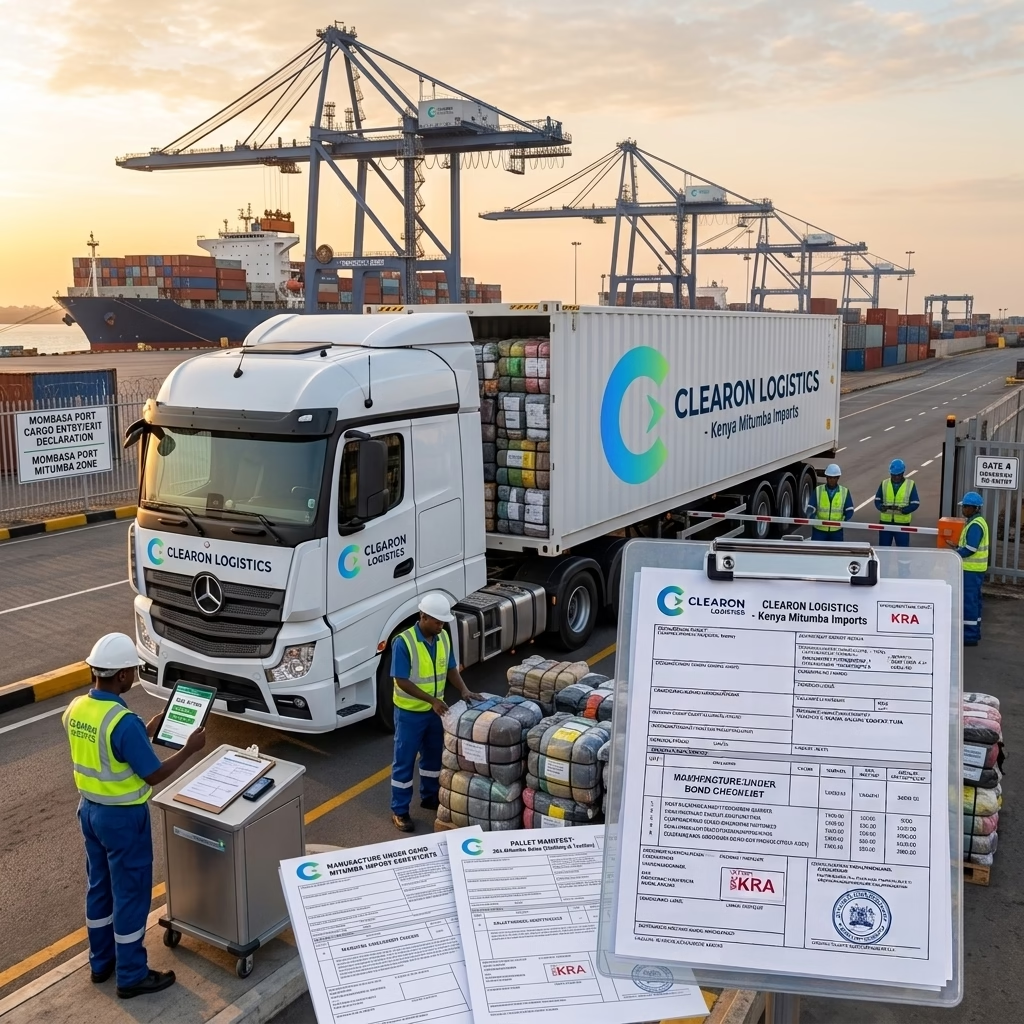
Step 6: Customs Clearance in Kenya
Once your cargo arrives:
- Entry is lodged in the KRA system
- Documents are reviewed
- Cargo may be inspected
- Taxes are paid
- Release is issued
If everything is correct, clearance can take:
- 2–5 working days (sometimes faster)
- Longer if documents or permits are missing
A professional clearing agent like Clearon Logistics helps:
- Avoid delays
- Fix issues fast
- Reduce storage & demurrage costs
Step 7: Pay Port Charges and Clearing Fees
After taxes, you’ll pay:
- Port handling charges
- Clearing & forwarding service fees
- Documentation & agency fees
- Any coordination or logistics charges
Then your cargo is:
✅ Released
✅ Delivered or collected
✅ Process completed
Common Mistakes First-Time Importers Make
- Using the wrong HS code
- Not checking permit requirements
- Underestimating total costs
- Choosing the wrong shipping method
- Using unreliable agents
Clearon Logistics uses a transparent, item-specific costing approach so you only pay what truly applies to your cargo.
Why Work with Clearon Logistics?
At Clearon Logistics, we:
- Guide you step by step
- Calculate your costs accurately
- Handle documentation, clearance, and release
- Help you avoid overpaying
- Reduce delays, penalties, and stress
Whether you’re a first-time importer or a growing business, we make importing into Kenya simpler, clearer, and more affordable.
👉 You can request a quote and get a clear breakdown before you ship—no surprises later.
Final Thoughts
Importing into Kenya doesn’t have to be complicated or risky. With the right knowledge—and the right clearing partner—you can import confidently, control your costs, and grow your business.
If you want your next shipment handled professionally, transparently, and efficiently, Clearon Logistics is ready to walk with you from supplier to cargo release.


Leave a Reply