
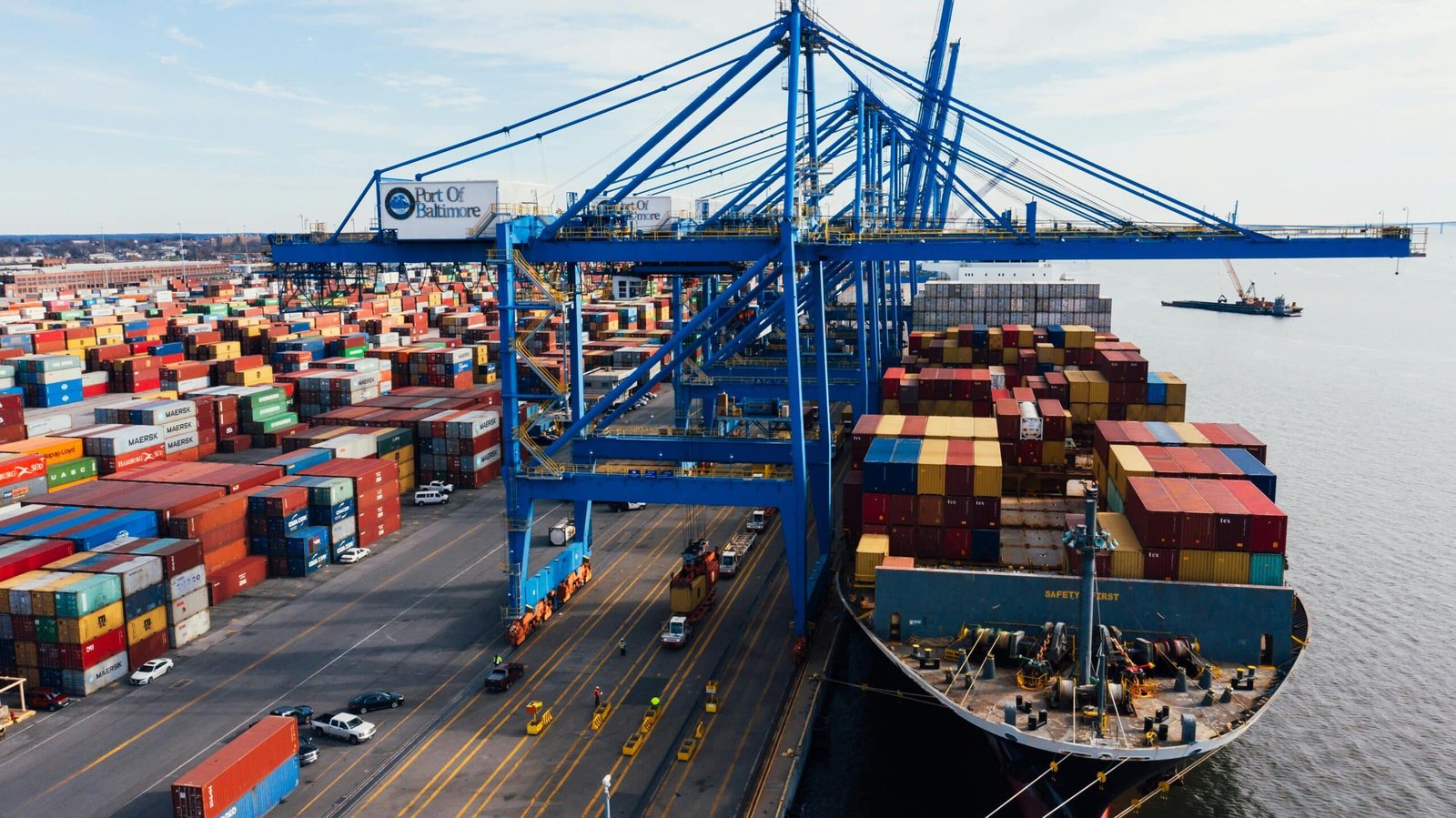
Clearing goods at Mombasa Port can be straightforward — or it can be a headache. Many importers face delays that result in storage fees, demurrage charges, and lost business opportunities.
The good news? Most delays are preventable when you understand the process and prepare properly. In this article, you’ll learn how to avoid clearance delays, real examples of common pitfalls, and how Clearon Logistics ensures your cargo moves smoothly and on time.
Why Delays Happen at Mombasa Port
Delays often occur due to one or more of the following:
- Incomplete or incorrect documentation
- Missing commercial invoices, packing lists, or IDFs
- Wrong HS codes or unclear product descriptions
- Unpaid taxes or fees
- Duty, VAT, IDF 2.5%, RDL, or permits not paid on time
- Regulatory inspections
- Some goods may be flagged for KEBS, KEPHIS, NEMA, or Pharmacy inspections
- High traffic and congestion
- Mombasa Port handles thousands of shipments daily; delays are common if processes aren’t smooth
- Poor coordination with clearing agents
- Lack of proactive communication can result in missed deadlines and unnecessary delays
Step 1: Prepare Complete and Accurate Documentation
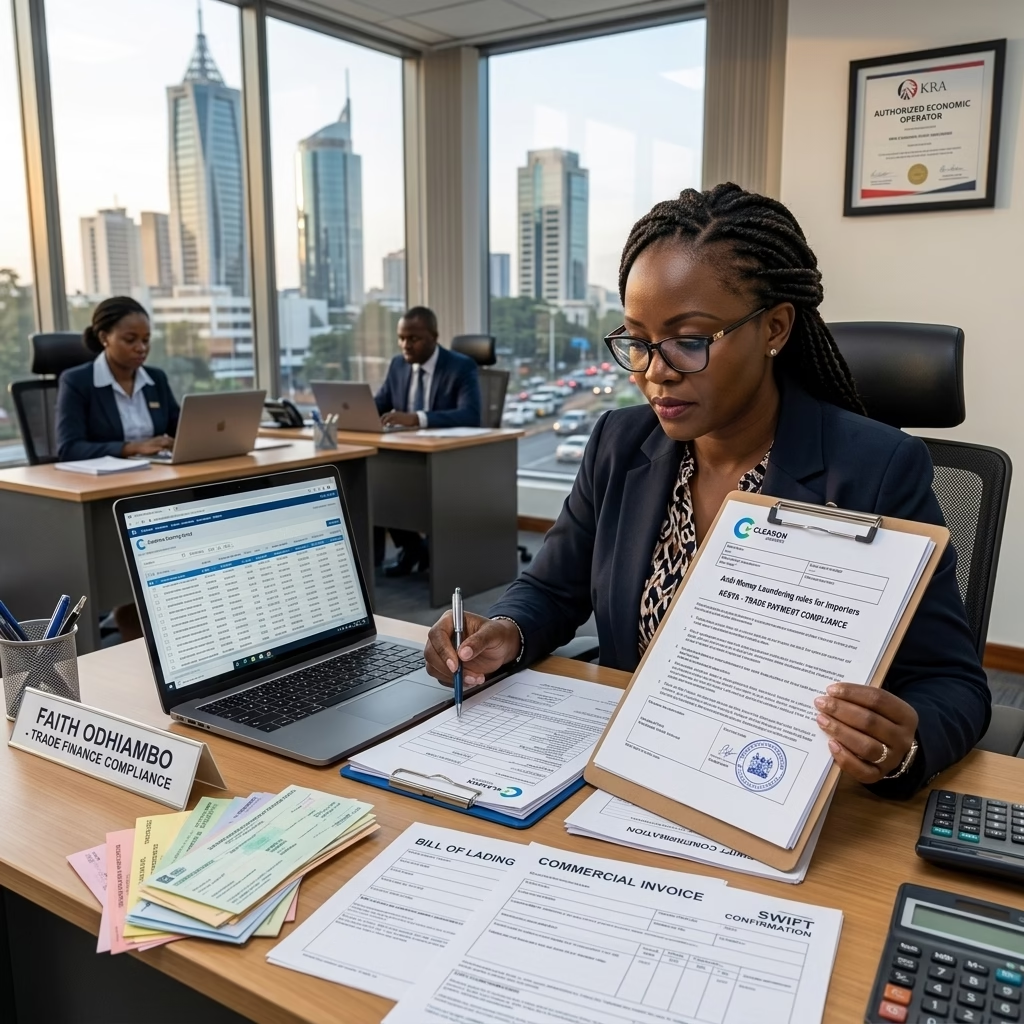
Before your cargo arrives, ensure you have:
- Commercial Invoice (accurate values and descriptions)
- Packing List (weights, dimensions, carton details)
- Bill of Lading or Airway Bill
- Import Declaration Form (IDF, 2.5% fee)
- HS Code classification
- Permits if required (KEBS, KEPHIS, NEMA, etc.)
- Proof of payment for taxes
Example:
If you import 500 pieces of mobile phone chargers at USD 4 each, your invoice should match the actual shipment. Any discrepancies can trigger inspection or delays.
Clearon Logistics reviews all documents before shipping, ensuring compliance with KRA, KPA, and other regulatory authorities.
Step 2: Confirm All Tax Payments Early
Even if your supplier has handled freight, customs taxes must be planned:
- Duty and VAT calculated based on correct HS codes
- IDF at 2.5% of customs value
- RDL as applicable
- Other permits fees
Paying taxes promptly ensures your cargo isn’t held at the port while awaiting confirmation.
Step 3: Work with a Proactive Clearing Agent
- Tracks your shipment in real-time
- Confirms all documents before arrival
- Guides you through each payment stage
- Alerts you to any inspection or permit requirements
At Clearon Logistics, we walk with clients step by step — from quotation and documentation, to customs taxes, port charges, and cargo release — minimizing delays and stress.
Step 4: Avoid Common Pitfalls
Some common reasons for delays include:
- Under-declared cargo value
- Missing or wrong permits
- Incorrect HS codes
- Mismatched packing lists and invoices
- Late payment of taxes or fees
Example:
A client importing machinery without KEBS approval had their shipment held for over a week, incurring extra storage costs. With Clearon Logistics, such issues are identified and resolved before cargo even leaves the supplier, saving time and money.
Step 5: Stay Updated During the Clearance Process
Regular updates ensure you’re never left guessing:
- Payment confirmations
- Customs inspections
- Estimated release dates
- Coordination for transport and delivery
With Clearon Logistics, you’ll always know exactly what’s happening, so you can plan logistics and reduce downtime.
Final Thoughts
Delays at Mombasa Port are often avoidable with proper preparation, accurate documents, early tax payments, and professional guidance.
If you want fast, predictable, and stress-free clearance, Clearon Logistics is ready to handle your shipment from start to finish.
👉 Request a quote today and see how we make import clearance faster, cheaper, and simpler.








Leave a Reply