
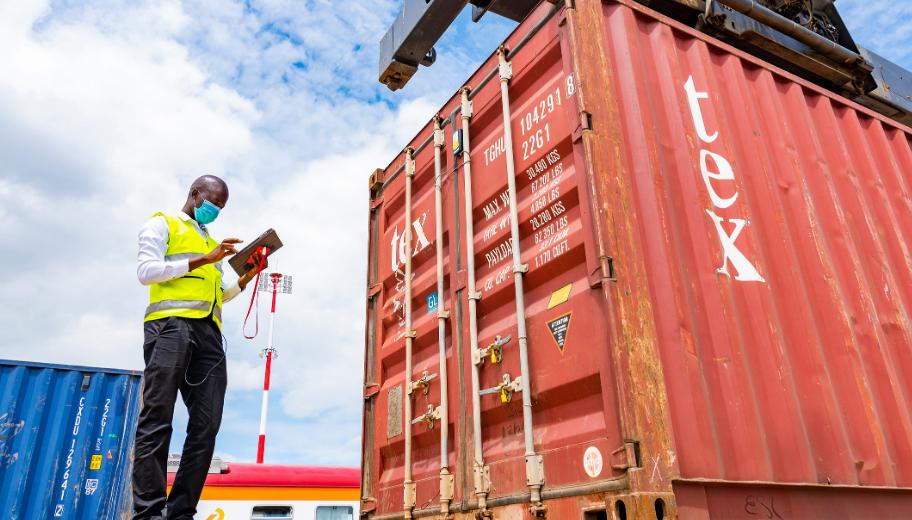
When importing goods into Kenya, understanding how the Kenya Revenue Authority (KRA) values your cargo is essential. Customs valuation directly affects the amount of duty, VAT, IDF, RDL, and applicable permits you pay to the various government agencies. Misunderstanding it can lead to overpayment, delays, or compliance issues.
In this guide, you’ll learn how KRA determines the value of your imports, with examples, and how Clearon Logistics ensures accurate calculations and smooth clearance.
Why Customs Valuation Matters
The customs value determines your:
- Import duty
- VAT (16% of taxable value)
- IDF (2.5%)
- RDL (if applicable)
- Any permit fees
Example:
If you import goods with a declared value of USD 10,000:
- Duty (say 25%) → USD 2,500
- VAT 16% → USD 1,600
- IDF 2.5% → USD 250
- Total taxes → USD 4,350
Incorrect valuation could mean paying more or less than required, risking fines or delays.
KRA’s Customs Valuation Methods
KRA follows WTO-approved valuation methods, applied in the following order:
1. Transaction Value Method
- Based on the price paid or payable for the goods
- Adjusted for commissions, packing costs, assists, and royalties
- Most commonly used
Example:
A client imports furniture worth USD 5,000. KRA uses the invoice value, plus shipping and insurance, to calculate duty and taxes.
2. Transaction Value of Identical Goods
- Used when transaction value is not acceptable
- Compares to goods identical in quality, quantity, and composition
Example:
Importing a unique model of machinery. KRA looks at previous imports of the exact model to determine value.
3. Transaction Value of Similar Goods
- When identical goods aren’t available
- Uses similar goods to approximate value
4. Deductive Method
- Uses the resale price in Kenya
- Less common for imports of raw materials or industrial goods
5. Computed Method
- Calculates value based on cost of production, materials, and profits
- Rare, mostly for specialized items
6. Fallback Method
- If all else fails, KRA uses a reasonable valuation
- Ensures no cargo enters with undefined value
How Clearon Logistics Helps
Understanding and applying these methods can be confusing. Clearon Logistics helps importers by:
- Accurately determining the applicable method for each shipment
- Confirming correct HS codes to avoid misclassification
- Calculating duty, VAT, IDF 2.5%, RDL, and permits precisely
- Preventing overpayment or delays caused by valuation disputes
Example:
A client importing electronics had a shipment flagged for valuation review. Clearon Logistics prepared all supporting documents, and KRA cleared the shipment without additional queries, saving days of delay.
Practical Tips for Importers
- Provide complete and accurate invoices
- Include shipping, insurance, and other costs in the value declaration
- Maintain supporting documentation for any adjustments
- Work with a professional clearing agent for complex shipments
With the right guidance, customs valuation becomes predictable and transparent.
Final Thoughts
KRA customs valuation is a crucial step that affects your total import cost. With Clearon Logistics, you can navigate the valuation process accurately, efficiently, and confidently.
👉 Request a quote today and let us handle your import clearance from start to finish.









Leave a Reply