
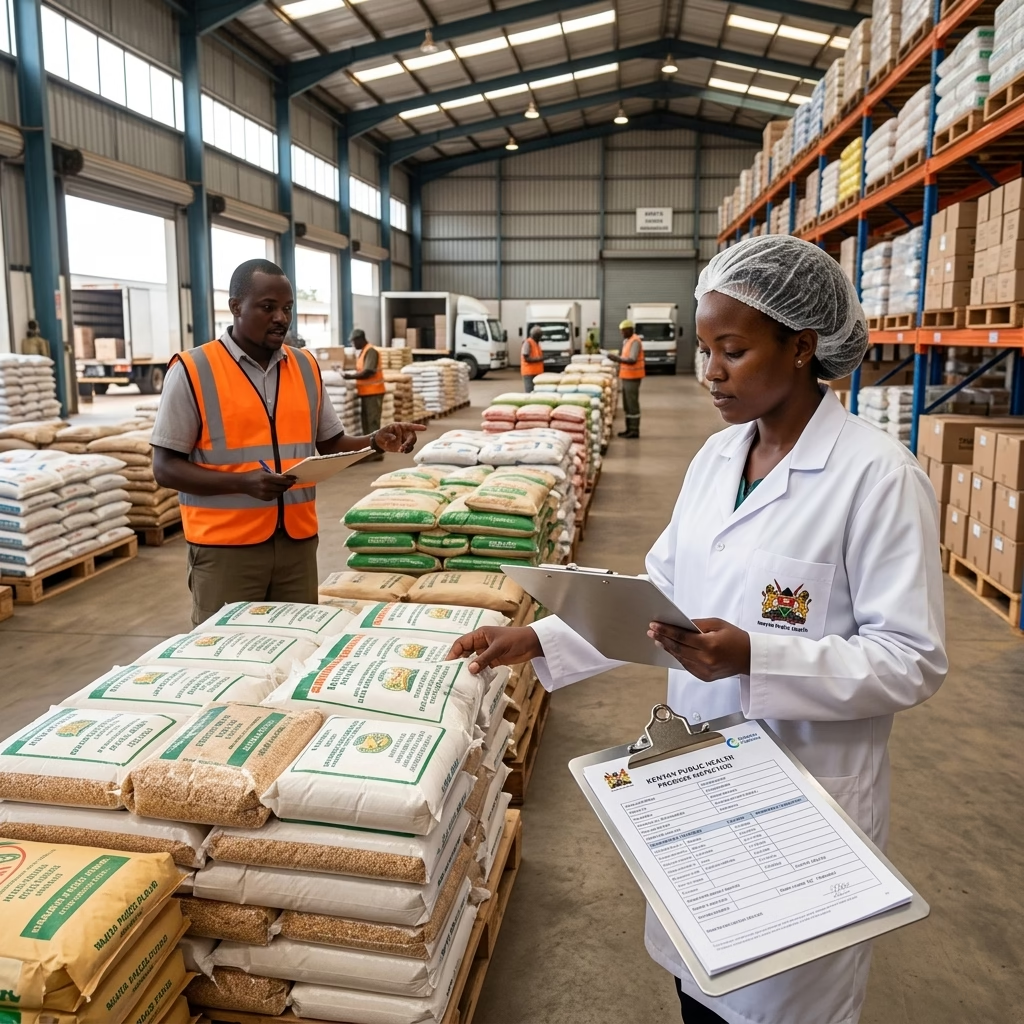
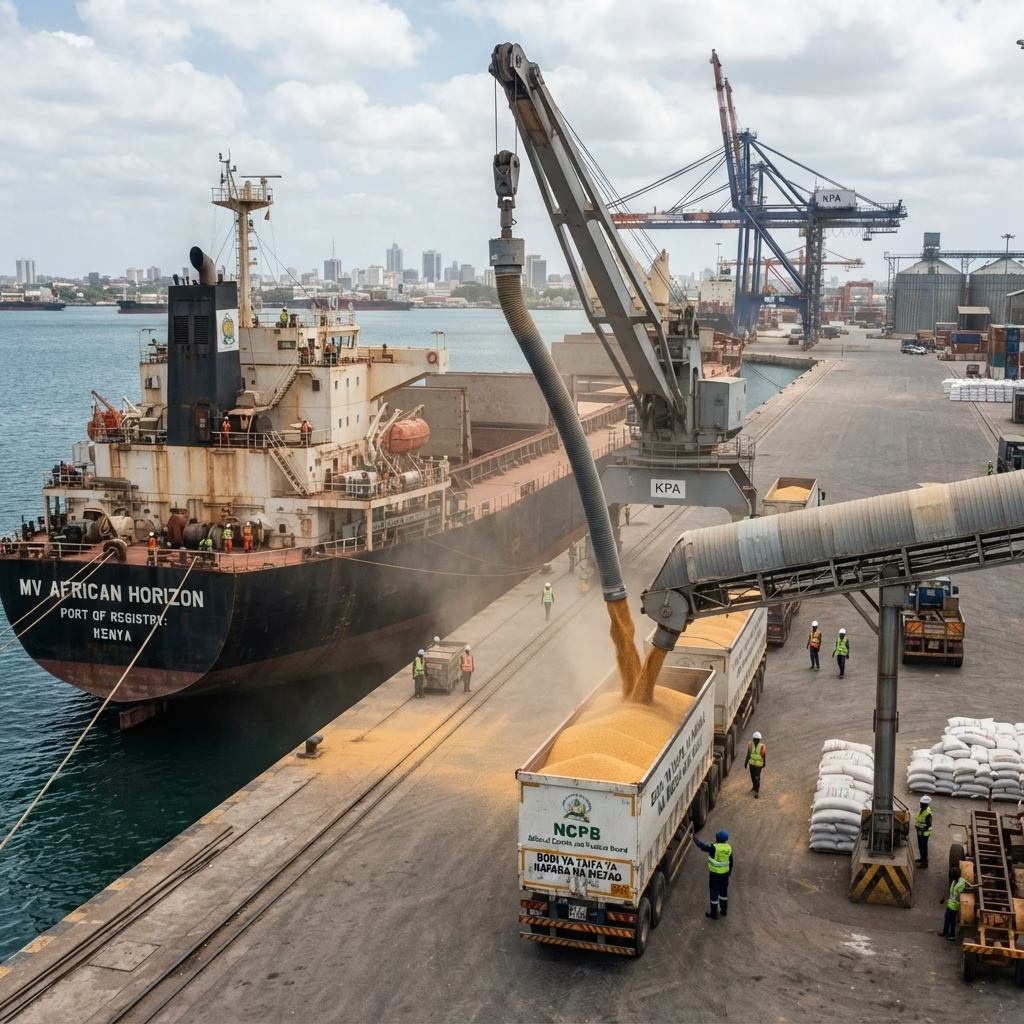
Importing agricultural products into Kenya — including food items, seeds, plants, and livestock products — requires careful planning and compliance. Delays or rejections can be costly, so understanding the requirements, documentation, and procedures is essential.
In this guide, you’ll learn how to clear agricultural goods efficiently, with examples and tips, while seeing how Clearon Logistics supports importers step by step.
Why Agricultural Imports Are Strictly Regulated
Kenya has regulations to protect:
- Public health
- Agriculture and livestock
- Environment
Relevant authorities include:
- KEPHIS: Kenya Plant Health Inspectorate Service
- KEBS: Kenya Bureau of Standards
- NEMA: National Environment Management Authority
Incorrect documentation or permits can result in:
- Cargo being held at the port
- High storage or demurrage fees
- Fines or rejection of shipment
Step 1: Identify Your Product and Required Permits
Different agricultural products require specific approvals:
| Product Type | Regulatory Authority | Required Document/Permit |
|---|---|---|
| Seeds & plants | KEPHIS | Import permit, phytosanitary certificate |
| Processed foods | KEBS | Import permit, certificate of conformity |
| Livestock products | Veterinary services | Health certificate, import permit |
| Chemicals / fertilizers | NEMA | Environmental approval, import permit |
Example:
A client importing 200 kgs of maize seeds needed a KEPHIS import permit and phytosanitary certificate. Clearon Logistics guided them through submission and approval before shipping, preventing delays.
Step 2: Prepare Accurate Documentation
Important documents include:
- Commercial invoice (accurate values and descriptions)
- Packing list (weight, quantity, packaging details)
- Bill of Lading or Airway Bill
- Import Declaration Form (IDF, 2.5%)
- HS Code classification
- Relevant permits
Accuracy is critical — even small mistakes can trigger inspections or cargo rejection.
Step 3: Plan Your Tax Payments
Agricultural imports are subject to:
- Import Duty (varies by product type)
- VAT (16%)
- IDF (2.5%)
- RDL (if applicable)
- Permit fees
Clearon Logistics calculates all applicable fees before shipping, giving you a transparent, item-specific cost breakdown.
Step 4: Coordinate with a Professional Clearing Agent
Agencies like Clearon Logistics handle:
- Document verification and submission
- Liaising with KEPHIS, KEBS, NEMA, and port authorities
- Ensuring taxes and fees are paid promptly
- Coordinating inspections and approvals
Example:
A client exporting fresh flowers avoided a potential week-long hold because Clearon Logistics had pre-cleared all permits and notified KEPHIS in advance.
Step 5: Track and Receive Your Cargo
Once your shipment arrives:
- Confirm port charges and clearing fees
- Pay taxes and handling charges
- Track inspections if any
- Arrange transport for delivery
Clearon Logistics provides real-time updates throughout the process, ensuring you know exactly when your goods are cleared and ready for delivery.
Final Thoughts
Clearing agricultural products in Kenya doesn’t have to be stressful. With accurate documentation, early tax payments, and professional guidance, your goods can move smoothly from port to your warehouse.
Clearon Logistics helps importers by providing step-by-step support, cost transparency, and reliable clearance services for all types of agricultural products.
👉 Request a quote today and experience stress-free clearance for your agricultural imports.






Leave a Reply