
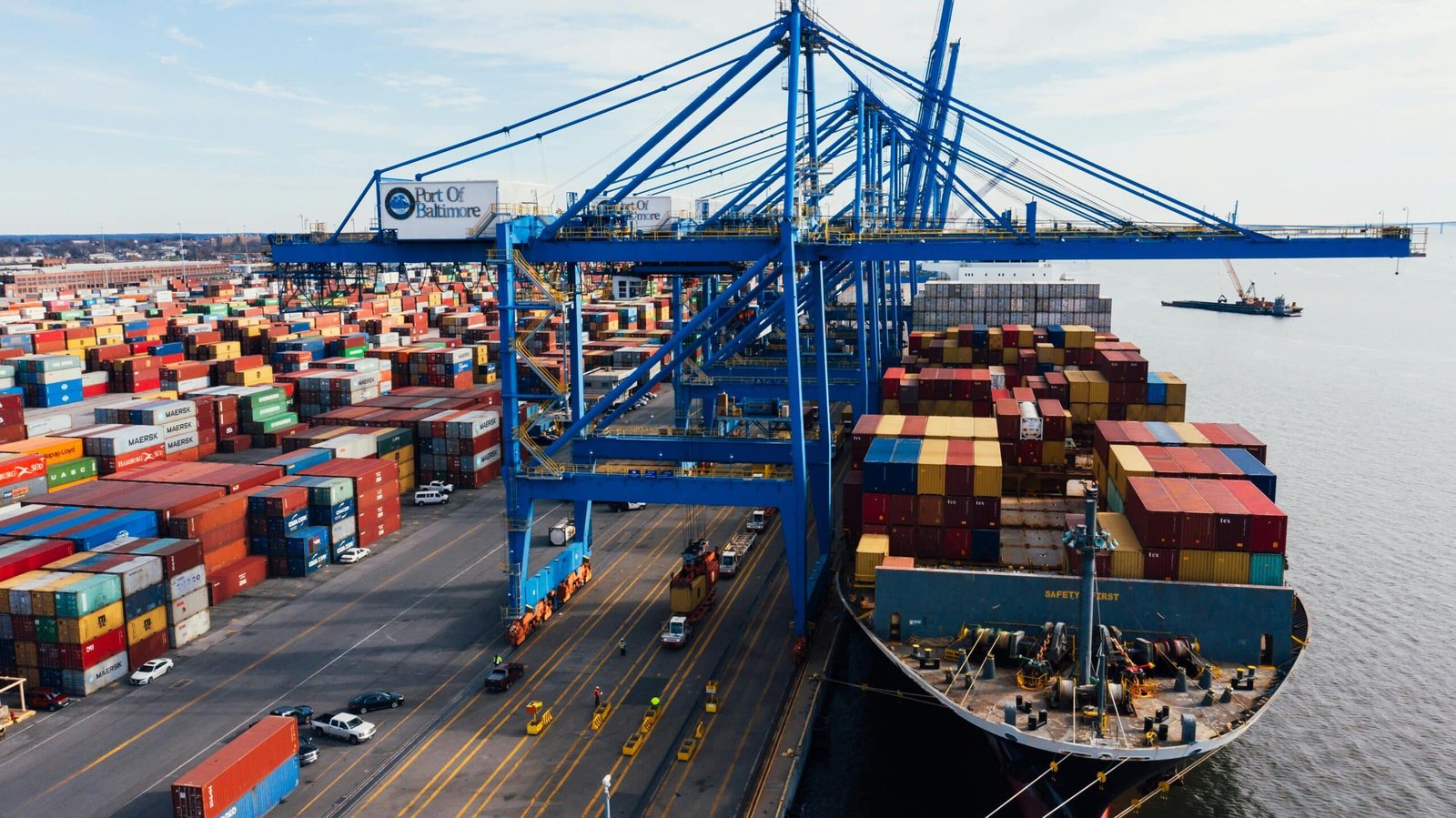
Importing goods into Kenya can be highly profitable — but small mistakes can quickly turn a good deal into an expensive lesson.
Every week, shipments are delayed at the port because of avoidable errors. These mistakes lead to:
- Storage charges
- Demurrage fees
- Re-inspection costs
- Overpayment of taxes
- Delayed deliveries to customers
If you want smooth customs clearance in Kenya, you must understand what not to do.
In this guide, we break down the 10 most common importing mistakes in Kenya and show you how to avoid them — the smart way.
1. Using the Wrong HS Code
Your HS code determines:
- Import duty rate
- Whether permits are required
- Applicable regulatory controls
A small classification error can mean:
- Paying 25% duty instead of 10%
- Triggering unnecessary permits
- Causing customs queries
How to avoid it:
Always confirm HS classification before shipping. At Clearon Logistics, we verify codes before IDF submission to prevent misclassification issues.
2. Under-Declaring Cargo Value
Some importers attempt to declare lower values to reduce taxes.
This can result in:
- Valuation uplift by customs
- Heavy penalties
- Delayed clearance
- Reputation risk with KRA
Customs valuation follows structured rules. If the declared value appears unrealistic, it will be adjusted.
Smart approach: Declare accurate values and prepare supporting documents in advance.
3. Incomplete Documentation
Missing or inconsistent documents are one of the biggest causes of delays.
Required documents typically include:
- Commercial Invoice
- Packing List
- Bill of Lading or Airway Bill
- Import Declaration Form (IDF – 2.5%)
- Permits (if applicable)
If your invoice and packing list don’t match, expect inspection.
Prevention: Have documents reviewed before cargo arrives.
4. Ignoring Permit Requirements
Certain goods require approvals from regulatory bodies such as:
- Communications Authority (for telecom devices)
- KEPHIS (for seeds and plants)
- KEBS (for regulated products)
- NEMA (for specific chemicals or materials)
Importing without proper permits can result in cargo being held at the port.
Avoid this by: Confirming permit requirements before shipping — not after arrival.
5. Waiting Until Cargo Arrives to Plan Taxes
Many first-time importers don’t prepare funds for:
- Import duty
- VAT (16%)
- IDF (2.5%)
- RDL (if applicable)
- Port charges
Delays in payment lead to storage accumulation.
Solution: Calculate total import costs before shipment departure.
6. Choosing Shipping Terms Without Understanding Them
FOB, CIF, EXW — these terms affect:
- Who pays freight
- Who arranges insurance
- Who manages logistics
Misunderstanding terms can result in unexpected port charges.
Best practice: Clarify shipping terms before confirming orders.
7. Not Tracking the Shipment
If you don’t monitor:
- Departure date
- Estimated arrival
- Customs processing
You may miss critical payment timelines.
Proactive tracking helps reduce demurrage risk.
8. Poor Communication with Clearing Agent
Delays often happen because:
- Documents are sent late
- Payments are delayed
- Instructions are unclear
Clear communication ensures faster processing.
At Clearon Logistics, clients receive structured updates at each stage — from IDF processing to cargo release.
9. Failing to Budget for Port and Handling Charges
Importers sometimes calculate only taxes and forget:
- Port handling fees
- Container deposit
- Delivery charges
- Clearing service fees
This causes last-minute financial pressure.
Professional guidance ensures complete cost visibility.
10. Trying to Handle Complex Shipments Alone
While self-clearance is possible, complex shipments involving:
- Regulated goods
- Large volumes
- Mixed cargo
- Time-sensitive imports
Require professional coordination.
A mistake during customs processing can cost far more than professional handling fees.
How to Import Smarter in Kenya
Avoiding these mistakes comes down to three principles:
- Proper documentation
- Accurate tax planning
- Professional coordination
Clearon Logistics supports importers by:
- Reviewing documents before shipping
- Verifying HS codes
- Calculating accurate import costs
- Coordinating with customs and regulatory bodies
- Providing step-by-step updates
The result?
- Faster clearance
- Predictable costs
- Reduced stress
- Better business planning
Final Thoughts
Most import problems in Kenya are preventable.
When you prepare properly, plan costs early, and work with experienced professionals, importing becomes structured — not stressful.
If you’re planning your next shipment, Clearon Logistics is ready to guide you from quotation to cargo release with clarity and precision.











Leave a Reply