
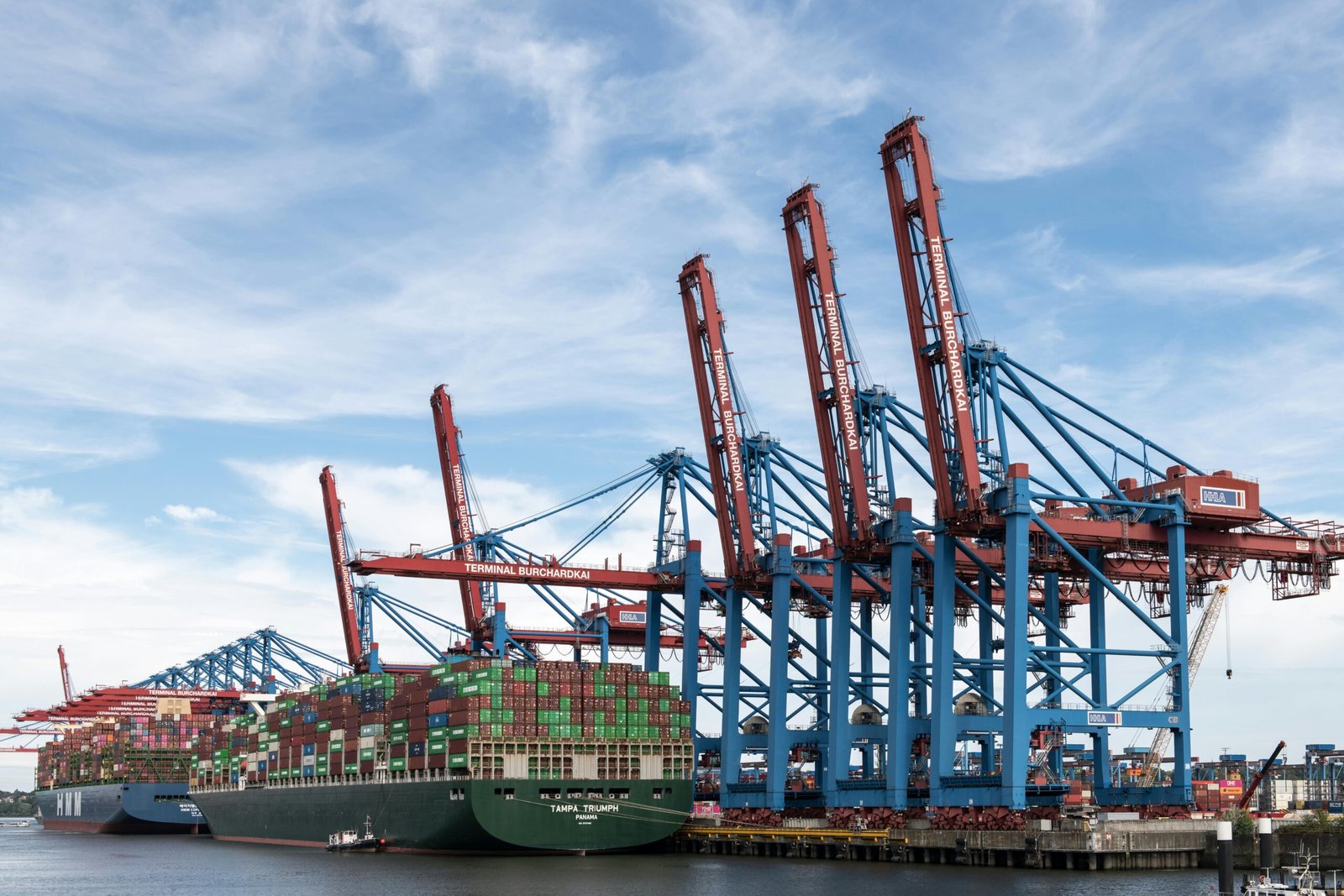
Importing goods into Kenya can be a rewarding venture, but one of the most frequent challenges importers face is customs clearance delays. Understanding what causes these delays and how to prevent them is essential for ensuring your shipments arrive on time, reducing unnecessary costs, and avoiding frustration.
At Clearon Logistics, we specialize in step-by-step clearance and forwarding services that help businesses navigate these challenges efficiently.
1. Incomplete or Incorrect Documentation
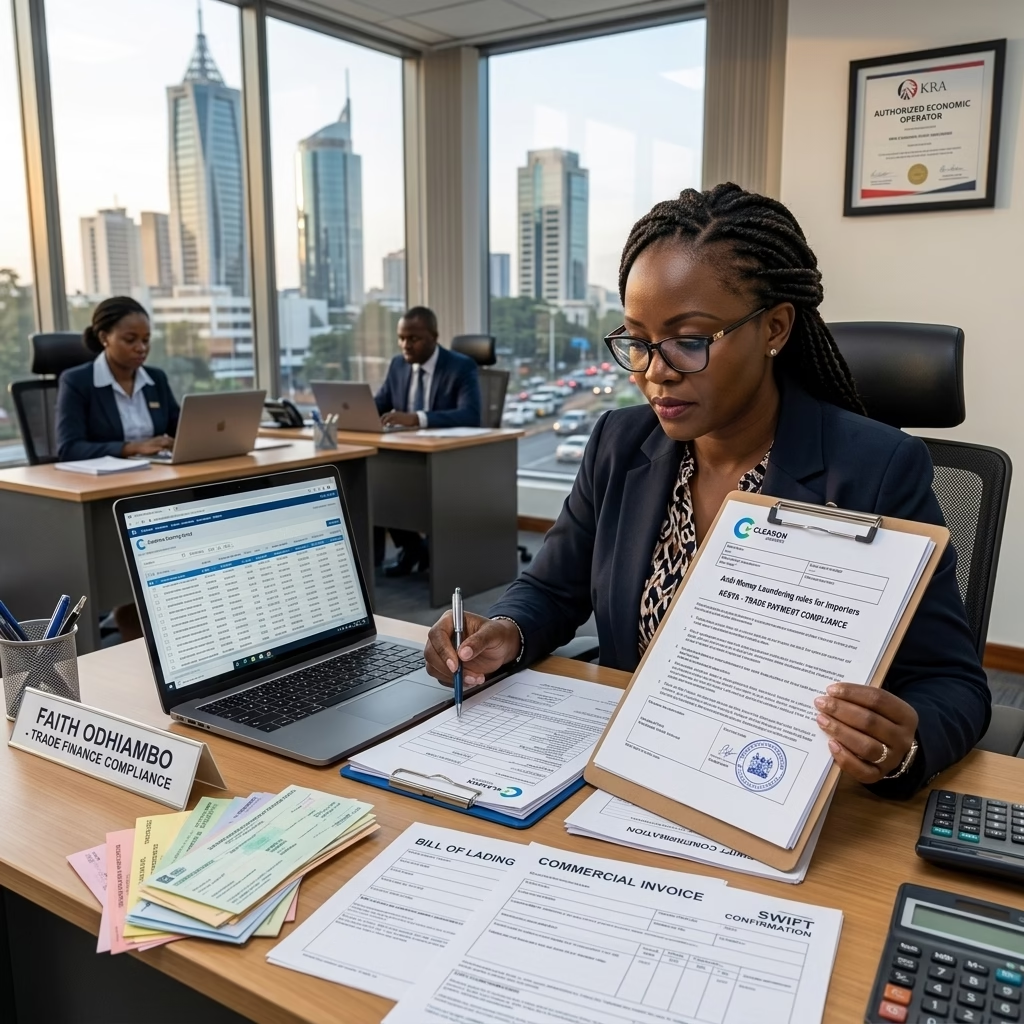
One of the leading causes of customs delays is inaccurate or missing documents. Customs authorities require specific paperwork to process shipments, including:
- Commercial invoice
- Bill of lading / airway bill
- Packing list
- Import Declaration Form (IDF)
- Certificates (e.g., Certificate of Conformity, Certificate of Origin)
Example: A shipment of electronics arriving at Mombasa without a proper IDF can be held until the correct form is submitted, causing demurrage fees and storage costs.
Prevention Tip: Ensure all documents are complete and accurately filled. Using a professional clearing and forwarding company like Clearon Logistics ensures every form is correct before submission, reducing delays.
2. Incorrect HS Code Classification
Every product imported into Kenya must be classified using a Harmonized System (HS) code, which determines the applicable duty and taxes. Incorrect HS codes can result in:
- Customs holding the shipment for inspection
- Underpayment or overpayment of duties, causing fines or delays
Example: A shipment of textile materials declared under the wrong HS code might be subjected to additional scrutiny or penalties.
Prevention Tip: Use accurate HS codes verified by customs specialists. At Clearon Logistics, we classify your cargo correctly, ensuring smooth processing and cost transparency.
3. Delays in Payment of Duties and Taxes
Even with correct documentation, delays in paying import duty, VAT, IDF (2.5%), RDL, or applicable permits can halt your shipment.
Example: A shipment may arrive at Mombasa port, but if the importer hasn’t paid the calculated VAT or duty, the goods remain on hold, accumulating demurrage daily.
Prevention Tip: Plan payments in advance and work with a logistics partner who calculates taxes accurately and guides you through each payment stage.
4. Physical Inspections and Random Audits
Kenya Revenue Authority (KRA) often conducts physical inspections or random audits of shipments to verify documentation and cargo contents. This may happen even if your paperwork is correct.
- Red channel: full inspection
- Yellow channel: partial inspection
- Green channel: cleared without inspection
Example: A shipment of machinery selected for a red-channel inspection can be delayed by several days if packaging and invoices are not aligned.
Prevention Tip: Proper preparation of documents and packaging can reduce the likelihood of prolonged inspections. Clearon Logistics pre-verifies your shipments to ensure minimal inspection delays.
5. Missing or Expired Permits and Certificates
Certain goods require special permits (e.g., agricultural products, electronics, pharmaceuticals). Failure to provide these results in customs holding the shipment.
Example: Importing mobile phones without a KEBS PVoC Certificate can lead to shipment rejection or destruction.
Prevention Tip: Identify required permits early. Our team at Clearon Logistics checks every shipment for required certificates before it leaves the origin country.
6. Port Congestion and Seasonal Delays
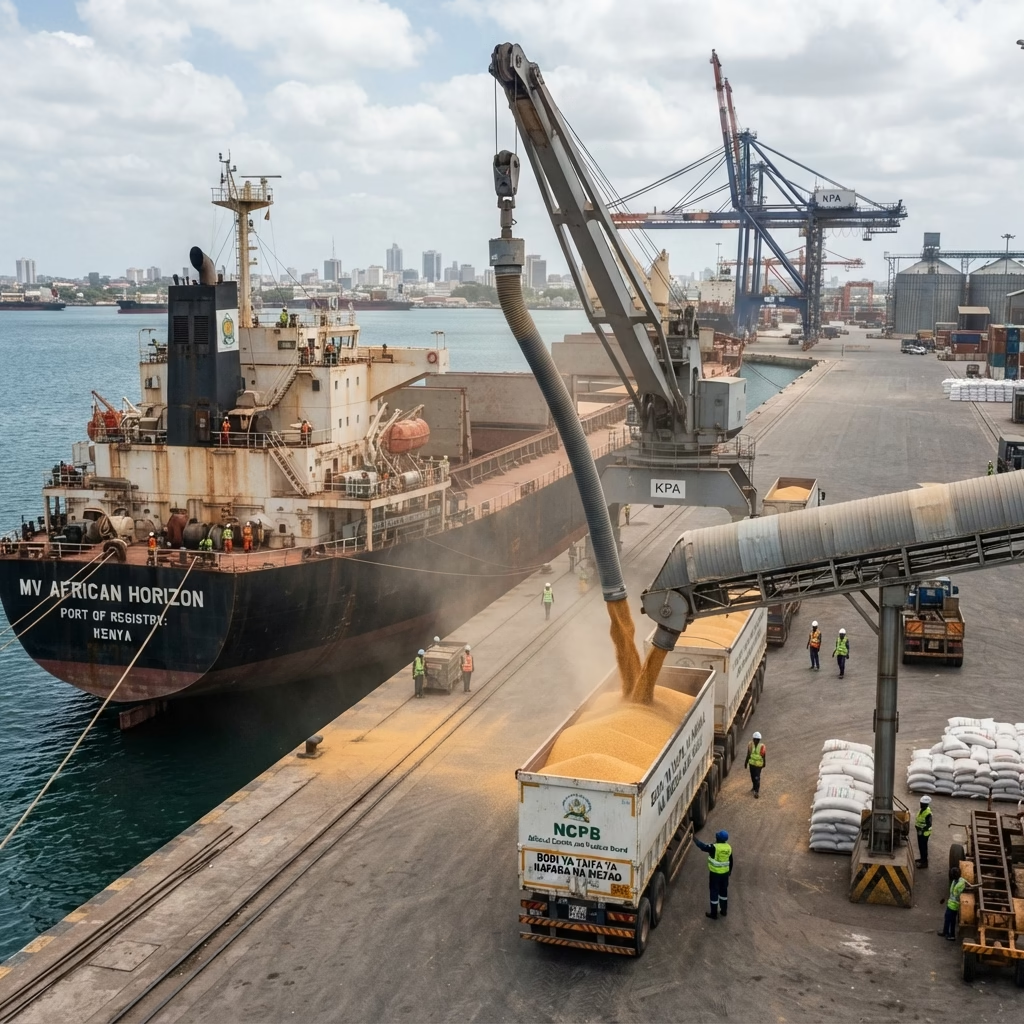
Ports like Mombasa often experience congestion due to high traffic, causing delays even for well-documented shipments. Seasonal peaks, such as December imports, amplify the risk.
Example: Containers arriving during peak season may be delayed for several days due to limited terminal space.
Prevention Tip: Schedule shipments ahead of peak periods, consolidate cargo when possible, and work with a partner experienced in port coordination.
✅ How Clearon Logistics Helps You Avoid Delays
- Step-by-step support: From quotation to cargo release
- Accurate documentation: IDF, HS codes, invoices, permits
- Timely payments: Guidance on freight, customs, and port charges
- Real-time coordination: Updates on inspections and port status
- Cost transparency: No surprises, clear cost breakdowns
With our expertise, clients experience faster clearance, lower costs, and peace of mind, avoiding the common pitfalls that delay shipments.
Conclusion
Customs clearance delays in Kenya are common, but most can be avoided with accurate documentation, proper planning, and experienced guidance. Understanding the causes of delays — from missing forms to physical inspections and port congestion — allows importers to plan effectively.
Partnering with a reliable clearing and forwarding company like Clearon Logistics ensures your shipments move smoothly from the port to your business without unnecessary delays or costs.









Leave a Reply