
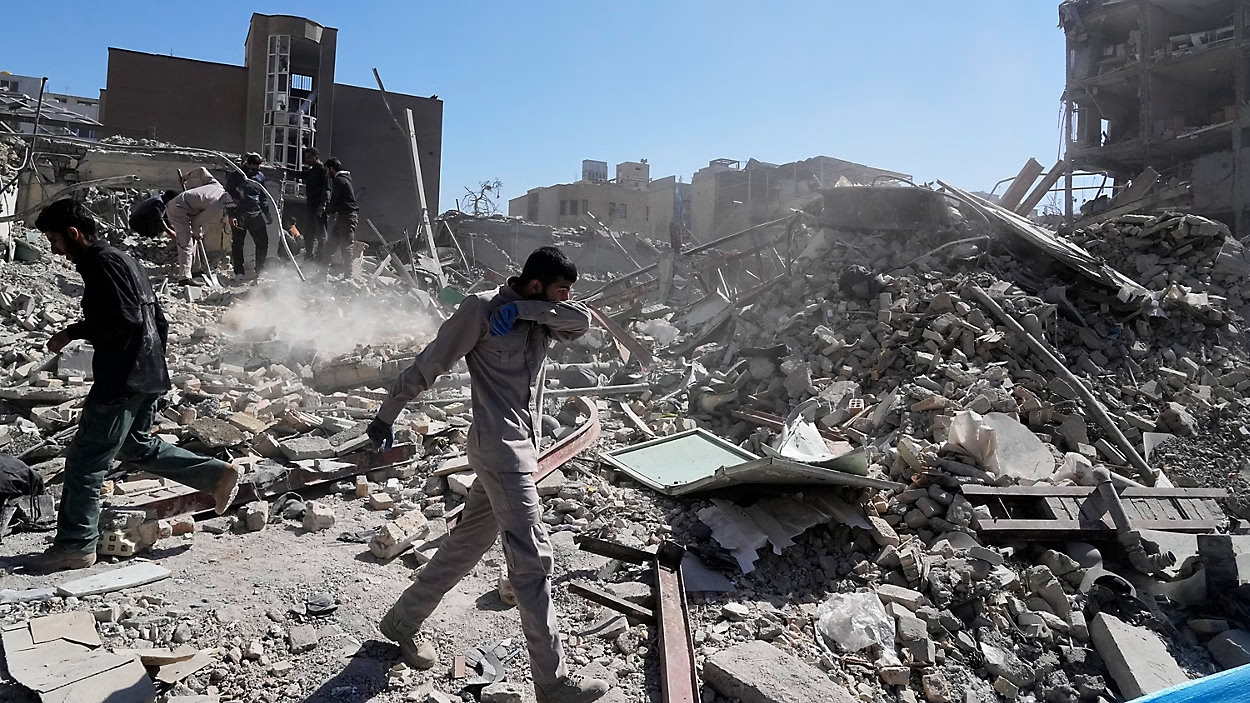
A major geopolitical crisis is unfolding in the Middle East in early March 2026: Iran, the United States and Israel are engaged in direct military conflict, with significant repercussions far beyond the region.
This conflict is shaping global security, energy markets, shipping routes and economic activity — including effects that are already being felt in Kenya.
Here’s a detailed, up-to-date overview of the situation and what it means for global trade and Kenya’s economy.
🇮🇷 What Is Happening Now (March 2026)?
In late February 2026, coordinated military operations by Israel and the United States targeted multiple strategic locations in Iran, including Iranian military infrastructure and leadership figures. These operations have been characterized by heavy airstrikes and missile strikes designed to weaken Iran’s military capabilities.
Iran has responded with missile and drone counterattacks against Israel and U.S. military bases across the region, including in countries such as Bahrain, Kuwait, Jordan, Qatar and Iraq.
The conflict has extended to other fronts:
- Israeli forces are conducting airstrikes in Lebanon, targeting Iran-aligned groups such as Hezbollah.
- Iran has launched strikes affecting multiple Gulf states.
Leaders on all sides have framed the conflict differently, but there is no clear end in sight, and military actions continue to escalate.
💣 Regional Stability and Escalation
This confrontation has entered a dangerous phase:
- Iranian ballistic missiles and drones have targeted military and infrastructural sites in Israel and allied bases.
- Israel has expanded operations into Lebanon.
- Airspace over parts of the Middle East has been disrupted.
International bodies like the United Nations are urging restraint, but the situation on the ground remains highly volatile.
🌍 Why This Matters for Global Shipping and Trade
The Middle East is home to two of the most important chokepoints in global energy and trade:
- The Strait of Hormuz
- The Red Sea (via the Suez Canal)
Both are crucial corridors for global shipping — especially for oil, gas and container traffic.
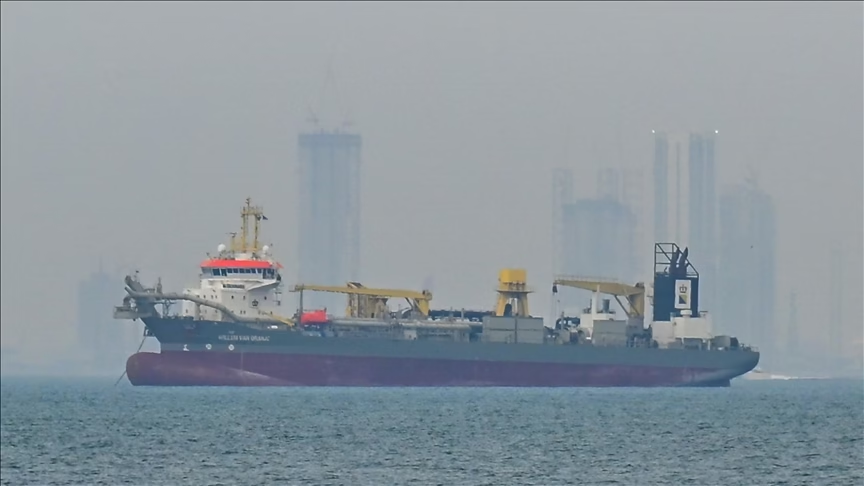
🚢 Shipping Routes at Risk
- The conflict has pushed shipping lines to avoid the Suez Canal and the Strait of Hormuz, citing security concerns. This forces vessels to take the longer route around Africa via the Cape of Good Hope, adding significant time and cost to global logistics.
- Closure of airspace over key Gulf hubs has grounded flights and disrupted air cargo routes.
⚠️ These disruptions have ripple effects across global supply chains — from electronics and machinery to foodstuffs and perishables.
📈 Rising Freight Costs
With routes diverted and insurance premiums rising due to war-risk concerns, freight costs are climbing for sea and air transport.
🛢 Energy and Insurance Impacts
Oil markets have reacted to the conflict with price volatility and concerns over supply stability, while cargo insurance providers have begun adjusting war-risk coverage, pushing up overall transport costs.
🇰🇪 How the Conflict Affects Kenya
Although Kenya is thousands of kilometres from the Middle East, its economy and trade links make it vulnerable to global disruptions.
🚢 1. Higher Shipping and Freight Costs
Kenya’s imports and exports — including key goods through Mombasa Port and cargo flights at JKIA (Jomo Kenyatta International Airport) — face rising costs and longer transit times as carriers avoid high-risk Middle Eastern routes.
📦 2. Export Markets Disrupted
Kenyan exporters are already feeling the impact:
- Roughly Sh4.26 billion worth of tea exports went to Iran in 2024. Disruptions risk loss of this market.
- Meat exporters have had to store hundreds of tonnes of perishable cargo due to airspace closures and flight cancellations.
- Around Ksh.1 billion in export value has reportedly been lost as shipments to Gulf markets are grounded or delayed.
🛢 3. Fuel and Import Costs May Rise
With global oil prices affected, Kenya’s fuel import bill and transportation costs could increase, adding pressure on inflation and business costs.
🍃 4. Economic Uncertainty
Kenyan economists warn that disruptions to global supply chains could dampen export demand and raise import expenses, affecting broader economic activity.
📊 Wider Global Implications
The conflict is not just about regional defence — it’s reshaping global economic conditions.
- IMF describes the situation as highly fluid, with potential effects on financial markets and trade flows.
- Disruptions to air and sea logistics can slow supply chains and raise the cost of essential imports worldwide.
Businesses relying on timely delivery of goods — from machinery and medical supplies to consumer electronics — may face longer lead times and tighter inventory pressures.
🧠 What Businesses Can Do Now
In times of geopolitical uncertainty, proactive planning becomes critical:
- Re-evaluate shipping routes and timelines
- Build inventory buffers for critical goods
- Budget for higher freight and insurance costs
- Consider alternative markets and suppliers
- Stay informed with trusted news and expert analysis
Importers and exporters in Kenya especially need adaptive logistics strategies to navigate the changing global landscape.
Final Thought
The war involving Iran, the United States and Israel is not just a Middle East crisis — it is a geo-economic event with real consequences for global trade, shipping, and local economies like Kenya’s.
While the situation continues to evolve, businesses that stay informed, flexible, and strategic are best positioned to manage risk and sustain operations through volatile times.









Leave a Reply