
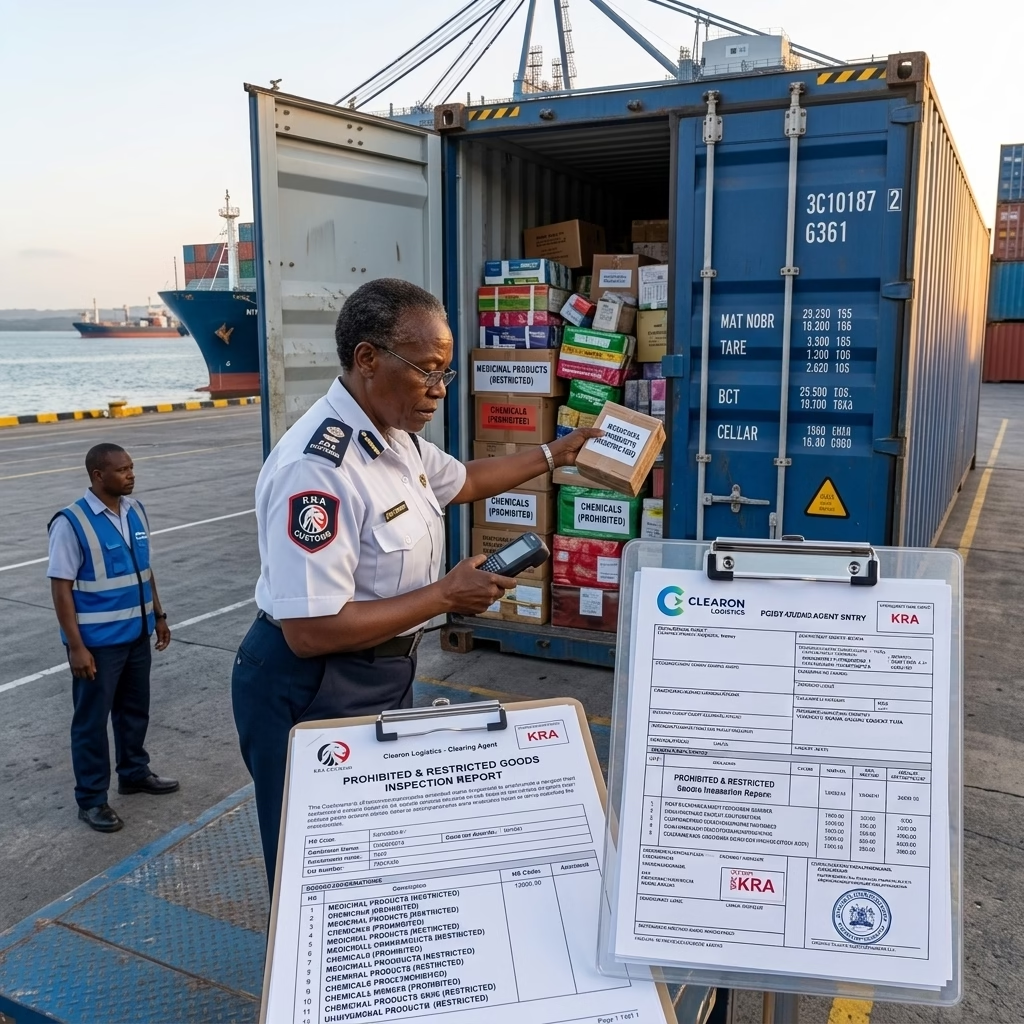
Prohibited and restricted goods that KRA customs in Kenya will not release are two very different categories — and confusing them is one of the most expensive mistakes an importer can make. Every year, cargo arrives at Mombasa Port or JKIA and simply doesn’t leave, not because of a documentation error, but because the goods themselves were never allowed into Kenya in the first place, or needed a permit the importer didn’t know to apply for. By the time this gets discovered, the shipment has often already been paid for, insured, and shipped halfway around the world.
Table of Contents
This is one check that costs nothing and takes five minutes, ideally done before you place the order — not after your container is sitting at the port.
Prohibited vs Restricted: They Are Not the Same Thing
These two terms get used interchangeably, but the distinction matters enormously:
- Prohibited goods cannot be imported into Kenya under any circumstances. There is no permit, no waiver, no workaround. If your cargo is on this list, it will be seized.
- Restricted goods can be imported, but only with prior approval from a specific competent authority. Import without the permit, and customs treats it the same as a prohibited item until you produce one.
Knowing which category your goods fall into — and getting the paperwork sorted before shipping, not after arrival — is the difference between a smooth clearance and a seized shipment.
Prohibited and Restricted Goods Kenya: The Prohibited List
Kenya prohibits a wide range of items outright, including:
- Counterfeit currency and counterfeit goods (including anything bearing fake trademarks)
- Pornographic and obscene material
- Narcotic drugs and controlled substances (without valid medical prescription)
- Matches manufactured with white phosphorus
- Products containing mercury, including certain cosmetics and beauty products
- Used tyres for commercial vehicles
- Single-use plastic bags
- Waste and scrap of ferrous cast iron
- Timber from wood grown within EAC Partner States
- Fresh unprocessed fish (Nile Perch and Tilapia)
- Wood charcoal
- Items bearing the unauthorised Coat of Arms of a partner state
This list isn’t exhaustive — it’s a non-exhaustive summary of the most commonly flagged categories. If you’re unsure where your product fits, check with a clearing agent before shipping.
Goods That Are Restricted — Permit Required
These items can legally enter Kenya, but only with the right authorisation in hand:
- Firearms, ammunition, and explosives — requires an import certificate from the Central Firearms Bureau
- Pharmaceuticals and medical products — require Pharmacy and Poisons Board (PPB) approval
- Agricultural inputs, plants, and seeds — require a KEPHIS permit
- Drones — require authorisation from the Kenya Civil Aviation Authority (KCAA), due to surveillance and airspace concerns
- Historical artefacts and ivory (worked or unworked)
- Genetically modified items
- Bows, arrows, and fencing equipment
- Postal franking machines
- Certain food products requiring KEBS certification
Without the relevant permit, customs holds these goods exactly as it would a prohibited item — the permit is what unlocks clearance, not the goods’ legality on paper.
Why This Trips Up Even Experienced Importers
The confusion usually isn’t about obviously illegal goods — it’s about the grey area. A supplier might describe an item generically enough that its regulatory category isn’t obvious until it’s classified at the border. Cosmetics, food products, electronics, and anything agricultural are the categories where importers most often discover a restriction only after their cargo has already landed.
A related trap: personal shipments meant for trade. KRA allows travellers to bring in personal items duty-free up to a set value threshold, but if the quantity or nature of what you’re carrying suggests it’s for resale rather than personal use, it gets taxed — and potentially scrutinised — regardless of value.
What Happens If Your Cargo Is Prohibited or Missing a Permit
- Prohibited goods are typically seized outright, with no path to release.
- Restricted goods without a permit are held pending documentation — but every day they sit is a day of storage and demurrage charges accumulating against you, and there’s no guarantee the permit will be issued in time (or at all).
- In either case, you may still be liable for return-shipping costs, and repeated violations can affect your standing as an importer going forward.
Check Before You Order, Not After You Ship
The single most effective habit for avoiding this entirely: confirm the regulatory status of your product before you place the order with your supplier, not after the goods are packed and on a vessel. If a permit is required, applying for it in parallel with production or shipping — rather than after arrival — is what keeps your timeline intact.
At Clearon Logistics, we help importers check whether their goods are prohibited, restricted, or require a specific regulatory permit before shipping — so there are no surprises when your cargo reaches Mombasa or JKIA.
Not sure if your next shipment needs a permit? Ask Clearon Logistics before you place the order.
Further Reading
- KRA — Prohibited and Restricted Goods (official glossary)
- Kenya Trade Information Portal — Prohibited and Restricted Goods
- Related on our blog: What Happens If You Ship Goods to Kenya Without a Certificate of Conformity?
- Related on our blog: HS Codes Explained: Why They Matter for Imports and Exports
- Our service: Clearing and Forwarding Services in Kenya
Frequently Asked Questions
What’s the difference between a prohibited and a restricted good in Kenya? Prohibited goods cannot be imported under any circumstances. Restricted goods can be imported, but only with prior approval from the relevant regulatory authority.
Can I get a permit for a restricted item after my cargo has already arrived? Sometimes, but it delays clearance significantly and accrues storage and demurrage charges in the meantime. It’s far better to secure the permit before shipping.
Are cosmetics restricted in Kenya? Some are — particularly products containing mercury, which are prohibited outright, and others may require KEBS certification depending on the product category.
Do I need a permit to import a drone into Kenya? Yes. Drones require authorisation from the Kenya Civil Aviation Authority (KCAA) due to airspace and surveillance regulations.







Leave a Reply