

Becoming a first-time importer in Kenya starts long before your goods ever leave the supplier — it starts with paperwork most new importers don’t know they need until they’re already scrambling. The good news: none of it is complicated once you know the order to do it in. The costly mistake most first-timers make isn’t the paperwork itself — it’s finding out what’s required after their cargo is already at sea.
This is exactly the gap Clearon Logistics exists to close. We work with importers before shipping begins, not after cargo lands, precisely because that’s when the real decisions — and the real savings — happen.
Table of Contents
Step 1: Register for a KRA PIN
Every formal import transaction in Kenya requires a valid KRA Personal Identification Number (PIN) — it’s a prerequisite for customs clearing and forwarding, alongside opening a bank account, registering a business, and virtually every other formal transaction in the country. Registration is done online through the iTax portal, and for most individuals it’s free and processed quickly, provided your details are entered correctly the first time. Businesses register as “Non-Individual” taxpayers and will need details of company directors on hand.
A first-time importer in Kenya without a PIN can’t get past this first gate — so this is the one step to sort out well before you place your first order.
Step 2: Understand Your Ongoing Tax Obligations
Getting a PIN isn’t a one-time event — it comes with a standing obligation to file returns annually, even if you had zero import activity that year. Missing a filing deadline results in penalties, and a non-compliant PIN can quietly block you from clearing a future shipment right when you need it most. This is a small administrative habit that protects a much bigger investment.
Step 3: Identify Your HS Code and Duty Exposure
Before you commit to an order, it’s worth knowing roughly what you’ll actually pay in duty, VAT, and levies once the goods land — not finding out after the invoice arrives. This depends entirely on the correct HS (Harmonised System) code classification for your product, which determines the applicable duty rate under the EAC Common External Tariff.
This is one of the places where a first-time importer in Kenya benefits most from working with an experienced agent from the outset. At Clearon Logistics, we walk clients through a clear cost breakdown at every stage — duty, VAT, levies, and clearance fees — before you commit to a purchase, not as a surprise once your container has already landed.
Step 4: Check for Permits or Restrictions
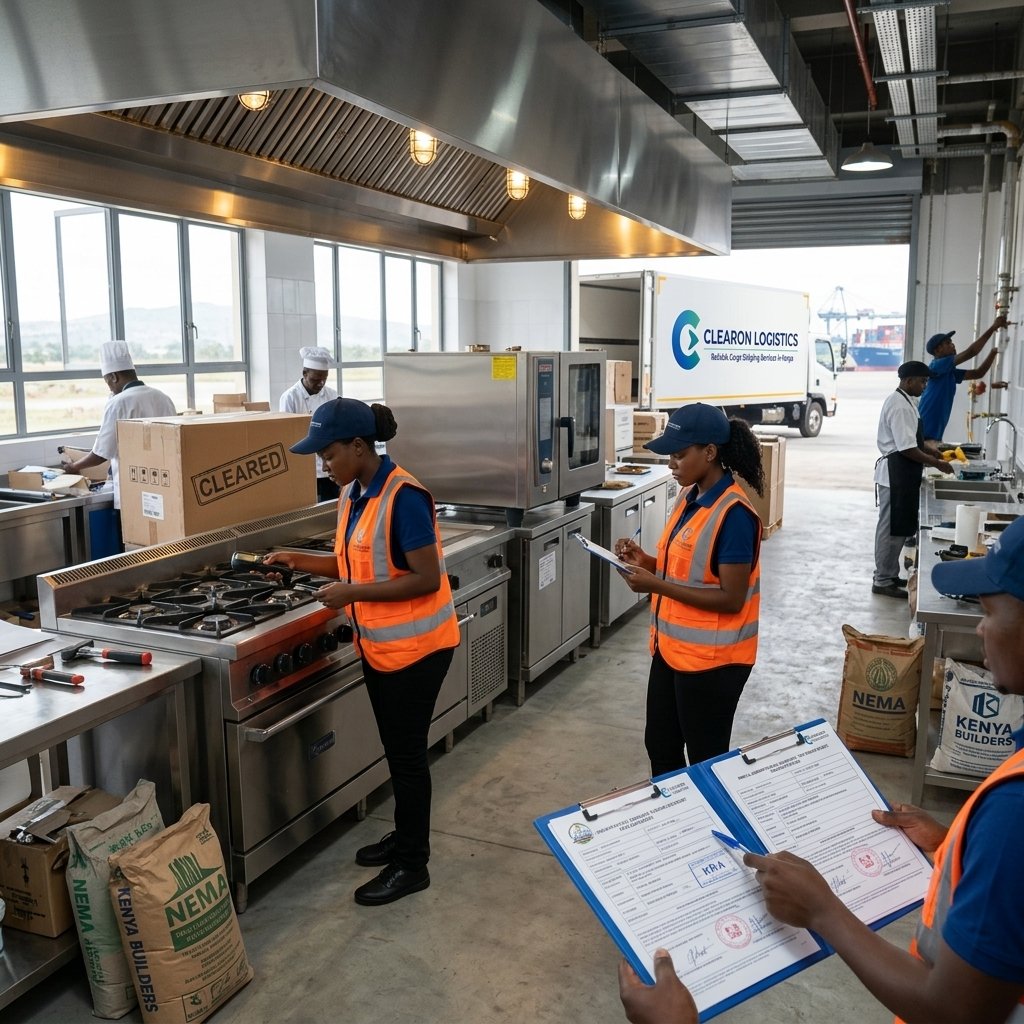
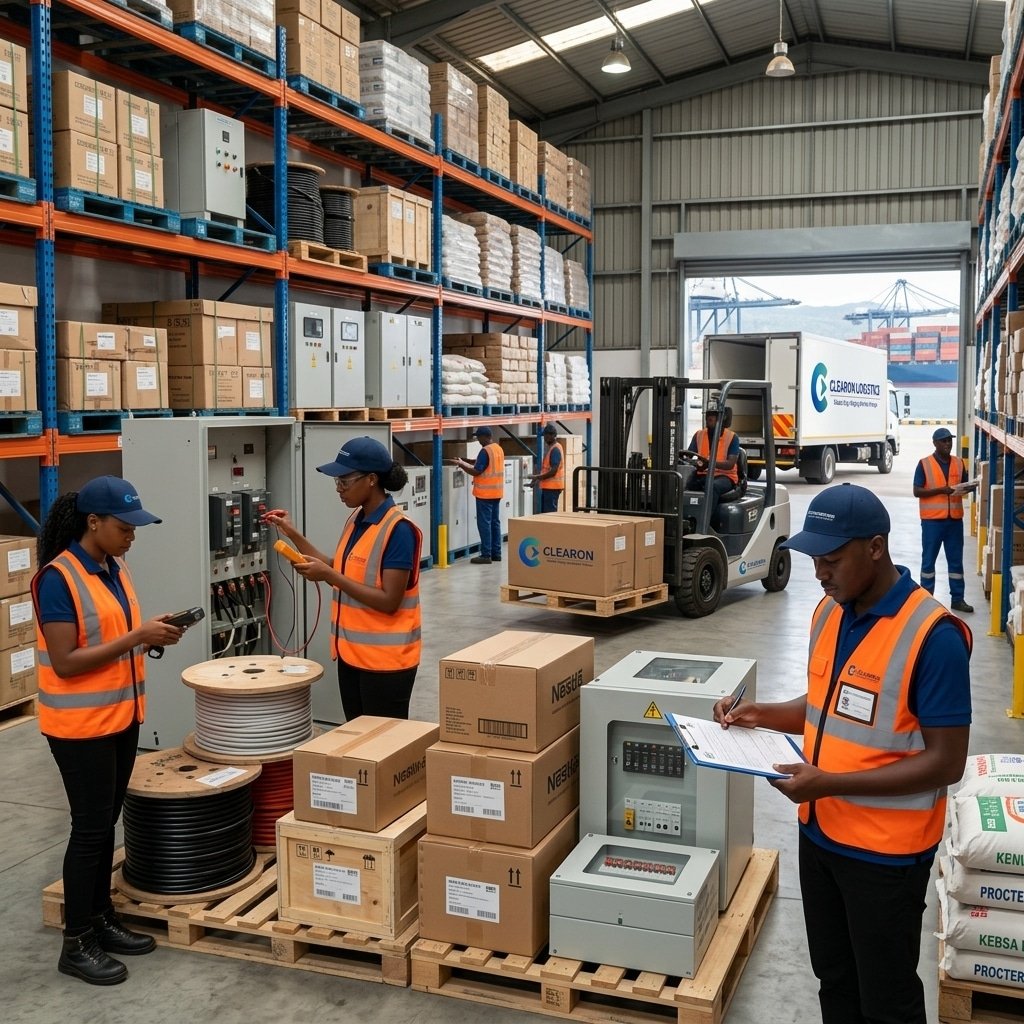
Some categories of goods — agricultural products, electronics, cosmetics, pharmaceuticals, and more — require a specific permit from a regulatory body (KEBS, KEPHIS, the Pharmacy and Poisons Board) before they can clear. Others are restricted or prohibited outright. Discovering this after your goods have shipped is one of the most expensive mistakes a new importer can make.
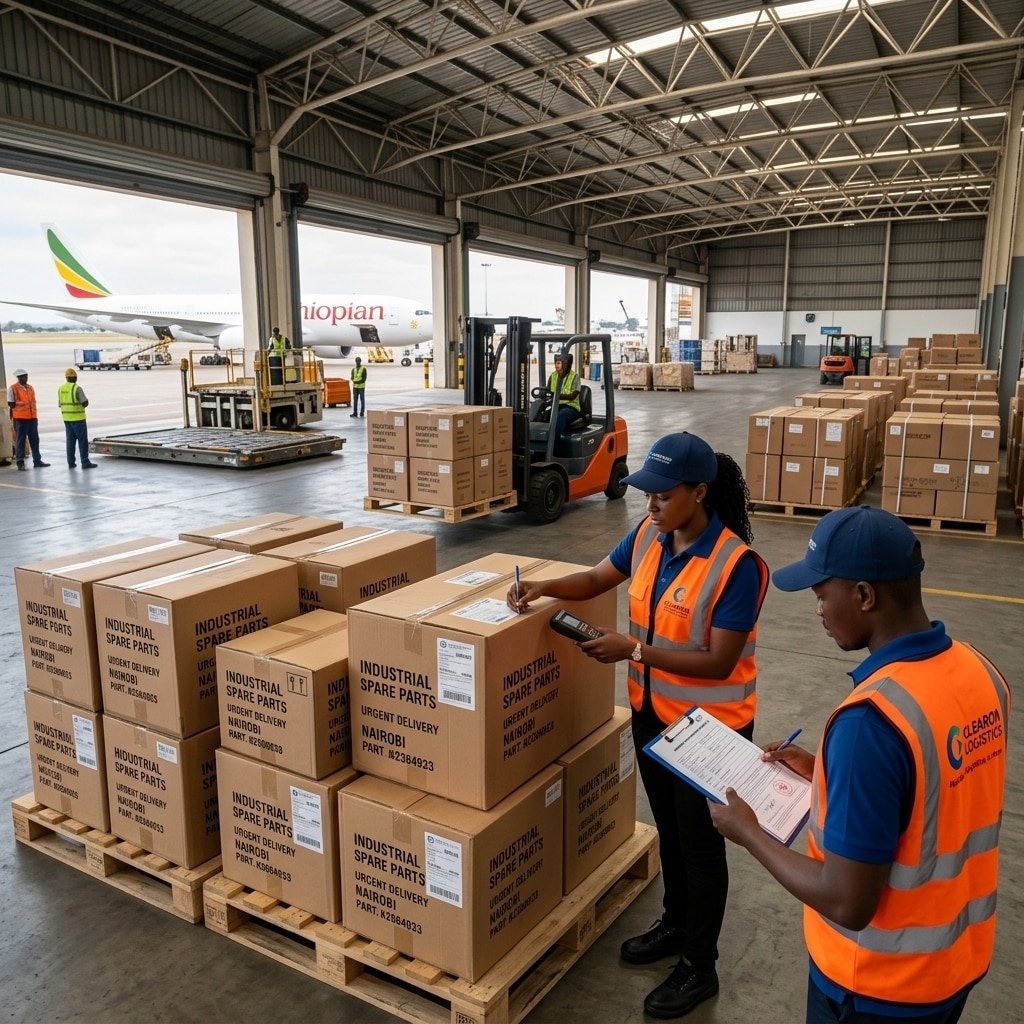
This is precisely the kind of check Clearon advises on before shipping begins — confirming what’s required for your specific product so there are no surprises once your cargo reaches Mombasa or JKIA.
Step 5: Choose Your Freight and Clearance Partner
You’ll need someone to manage the physical movement of your goods (a freight forwarder) and someone licensed to clear them through Kenyan customs (a clearing agent) — sometimes the same provider, sometimes two. For a first-time importer, working with one accountable partner who handles both, keeps you updated at every stage, and explains costs honestly rather than burying them in jargon, removes most of the anxiety of a first shipment.
Step 6: Prepare Your Documentation Before Cargo Ships
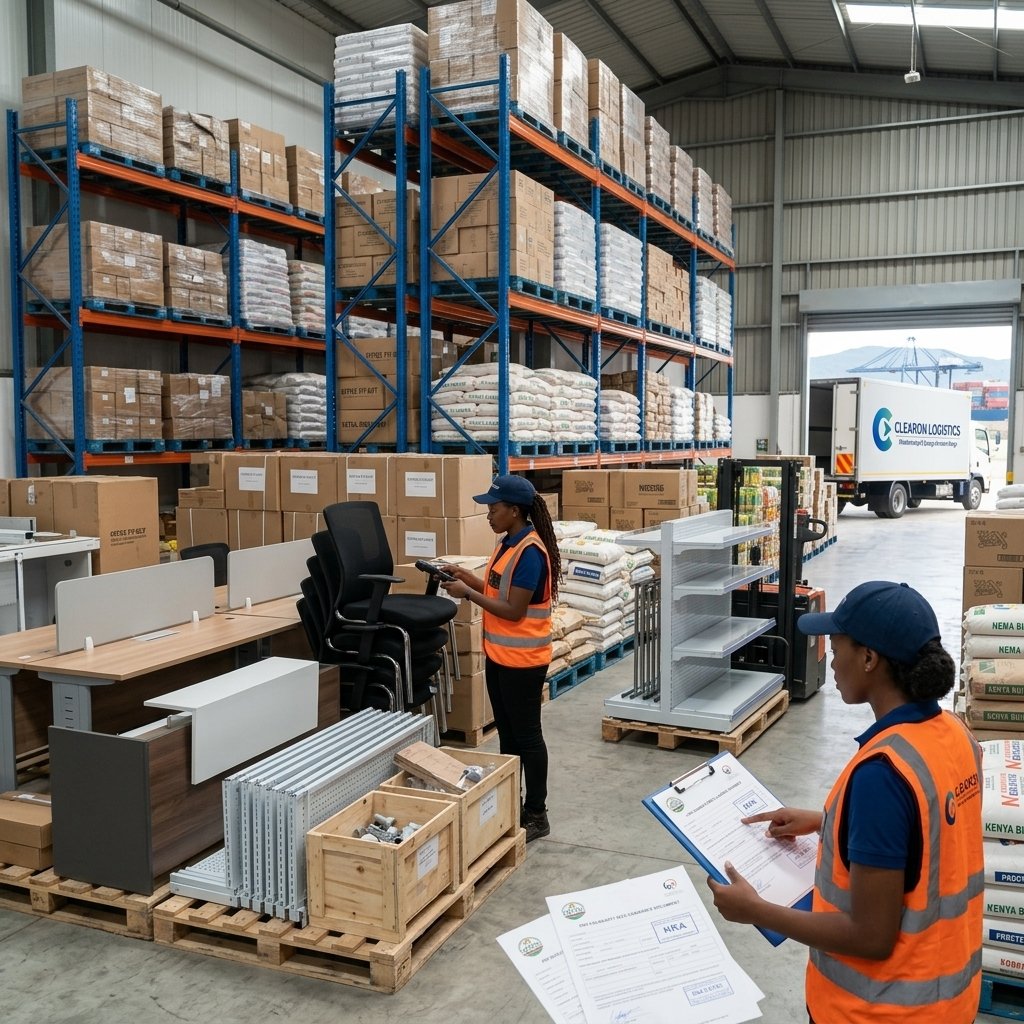
By the time your goods are packed, you should already have: your KRA PIN, a confirmed HS code, any required permits in progress, and a commercial invoice and packing list ready from your supplier. Waiting until arrival to assemble this is how first shipments end up sitting in storage, accumulating charges, while paperwork gets sorted out under pressure.
Why the First Shipment Sets the Tone
How your first import goes shapes how confident you’ll feel about your second, third, and hundredth. A first-time importer in Kenya who’s properly guided through the process — with honest cost breakdowns, regular updates, and someone answering questions before problems occur rather than after — tends to keep importing. One who gets blindsided by an unexpected duty bill or a held container often doesn’t.
At Clearon Logistics, this is the difference we aim to make: we walk with clients through the entire process, ideally from before shipping even begins, so your first import is a foundation you can build on rather than an experience you’re relieved to have survived.
Planning your first import into Kenya? Talk to Clearon Logistics before you place the order — we’ll walk you through what to expect, honestly and in plain language.
Frequently Asked Questions
Do I need a company to import into Kenya, or can I import as an individual? Individuals can import into Kenya with a personal KRA PIN — you don’t need to register a company unless you’re planning to import commercially at scale or for resale purposes.
How long does KRA PIN registration take? For most individuals, registration through iTax is processed quickly, often within the same session, provided your details are entered correctly.
What’s the biggest mistake first-time importers make? Placing an order before confirming the HS code, duty exposure, and any required permits — meaning problems only surface once the goods are already shipped and hard to change course on.
Can a clearing agent help me before I’ve even placed my order? Yes, and this is exactly where the most value is added — confirming duty costs, permit requirements, and documentation needs before you commit to a purchase avoids the most expensive surprises later.
Further Reading
- KRA — PIN Registration (external, dofollow)
- iTax Portal — Kenya Revenue Authority (external, dofollow)
- Related on our blog: Best Clearing Agent in Kenya: How to Choose the Right Partner
- Related on our blog: HS Codes Explained: Why They Matter for Imports and Exports
- Our service: Clearing and Forwarding Services in Kenya



Leave a Reply