
Introduction
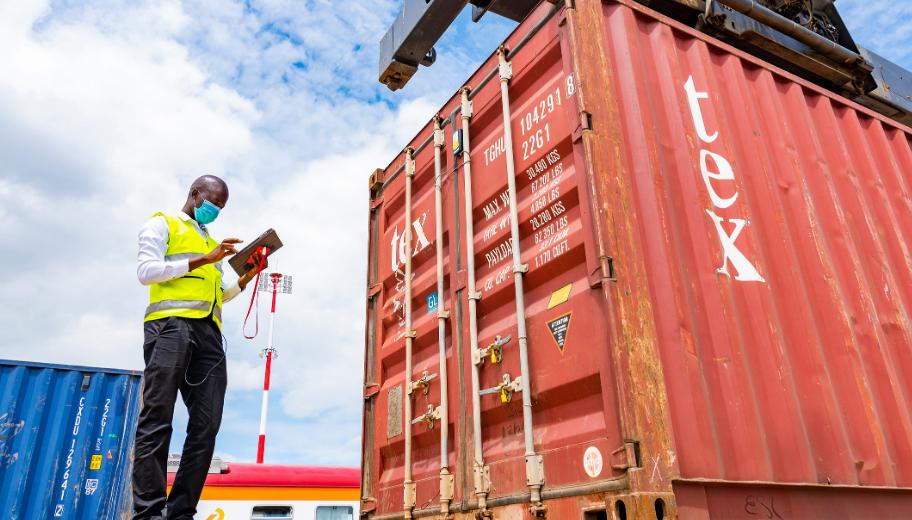
Customs clearance is one of the most critical stages in the logistics process. Even when cargo arrives on time, poor preparation can lead to costly delays, penalties, or even cargo rejection.
For businesses importing or exporting goods, understanding how to prepare cargo for customs clearance in Kenya is essential. This article breaks down the key steps, common mistakes to avoid, and best practices that ensure your cargo moves through customs efficiently.
1. Understand Kenya’s Customs Clearance Requirements
Kenya operates under a structured customs framework managed by the Kenya Revenue Authority (KRA). Each shipment must comply with established regulations before release.
Key requirements include:
- Accurate cargo classification
- Correct valuation
- Compliance with import/export laws
Failure to meet these requirements often results in inspections or holds.
✅ Best Practice
Work with experienced clearing and forwarding professionals who stay updated on KRA regulations and procedural changes.
2. Prepare Accurate and Complete Documentation
Documentation errors are the leading cause of customs clearance delays in Kenya.
Essential documents typically include:
- Commercial invoice
- Packing list
- Bill of lading or airway bill
- Import declaration forms
- Relevant permits and certificates
Even small inconsistencies can trigger clearance issues.
✅ Best Practice
Ensure all documents match in terms of cargo description, quantity, and value. Professional logistics companies often review documents before cargo arrival to prevent errors.
3. Classify Cargo Using Correct HS Codes
HS (Harmonized System) codes determine:
- Applicable duties and taxes
- Regulatory requirements
- Inspection criteria
Incorrect HS classification can lead to:
- Overpayment or underpayment of duties
- Cargo detention
- Penalties
✅ Best Practice
Use verified HS codes and seek expert guidance when dealing with specialized or restricted goods.
4. Declare Cargo Value Accurately
Under-declaring cargo value may seem cost-saving but often results in:
- Customs audits
- Delays
- Financial penalties
KRA uses reference pricing systems and can challenge declared values.
✅ Best Practice
Declare the true transaction value and ensure invoices clearly reflect pricing, currency, and terms of trade.
5. Know Which Regulatory Bodies Apply to Your Cargo
Certain goods require approval from additional regulatory agencies, such as:
- KEBS (quality standards)
- KEPHIS (agricultural products)
- Pharmacy and Poisons Board (medical goods)
Missing approvals can completely block clearance.
✅ Best Practice
Identify all regulatory requirements before shipping. Experienced logistics providers coordinate approvals early to avoid last-minute delays.
6. Plan for Duties, Taxes, and Fees in Advance
Delayed payments can halt cargo release even after clearance approval.
Costs may include:
- Import duty
- VAT
- Port charges
- Storage and handling fees
✅ Best Practice
Calculate expected charges early and ensure funds are available before cargo arrival.
7. Choose the Right Clearing and Forwarding Partner
Customs clearance is not just paperwork—it requires experience, relationships, and proactive coordination.
A reliable logistics partner helps:
- Pre-check documentation
- Liaise with customs officials
- Coordinate inspections
- Resolve clearance issues quickly
This is where businesses significantly reduce risk and delays.
At Clearon Logistics, we focus on early preparation, compliance accuracy, and clear communication, ensuring our clients experience smoother customs clearance across Kenya.
8. Maintain Clear Communication Throughout the Process
Poor communication often causes missed deadlines and misunderstandings.
Regular updates help clients:
- Track clearance progress
- Respond quickly to issues
- Plan delivery timelines effectively
✅ Best Practice
Work with logistics providers who prioritize transparency and real-time updates.
Conclusion
Smooth customs clearance in Kenya begins long before cargo arrives at the port. By preparing documentation correctly, complying with regulations, and partnering with experienced logistics professionals, businesses can avoid delays, reduce costs, and improve supply chain efficiency.
Choosing a knowledgeable clearing and forwarding partner makes the process simpler, faster, and more predictable. Partner with Clearon Logistics today for efficient customs clearance!

Leave a Reply