
Introduction
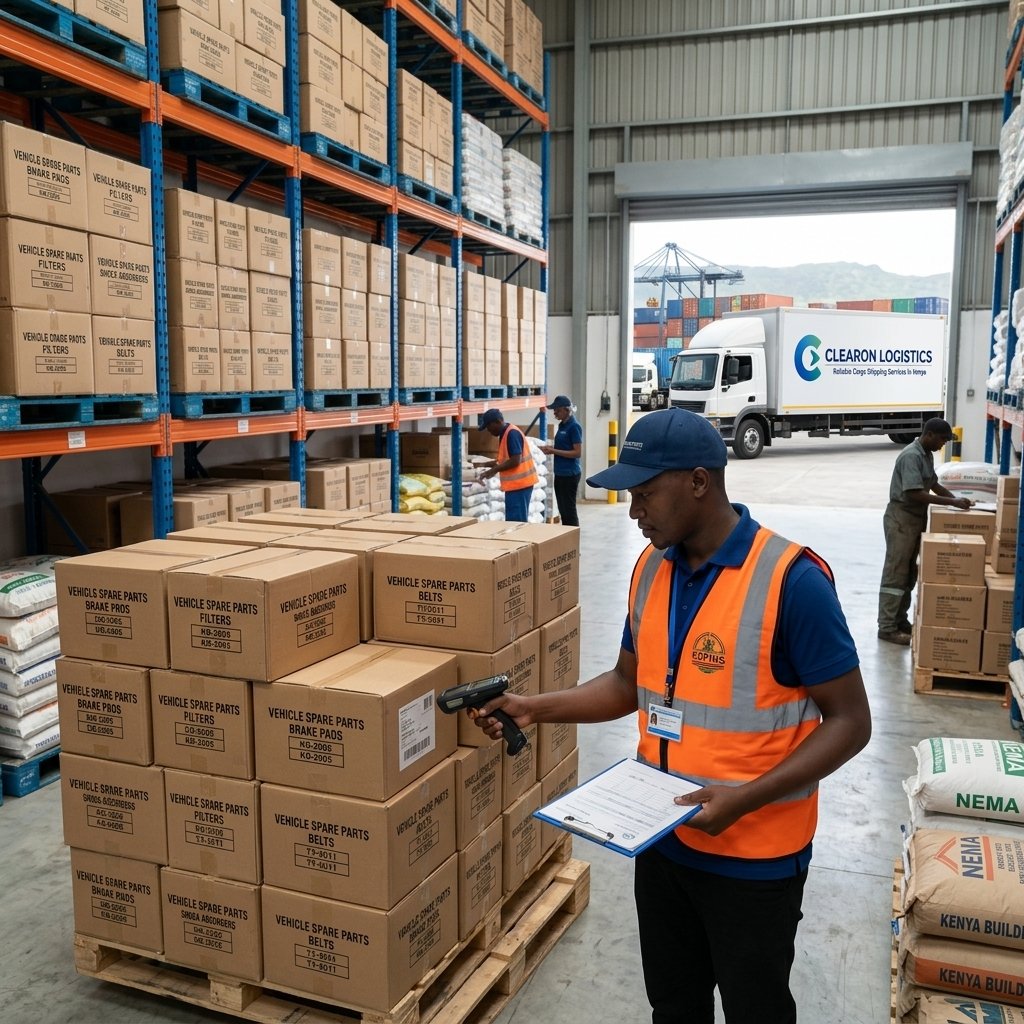
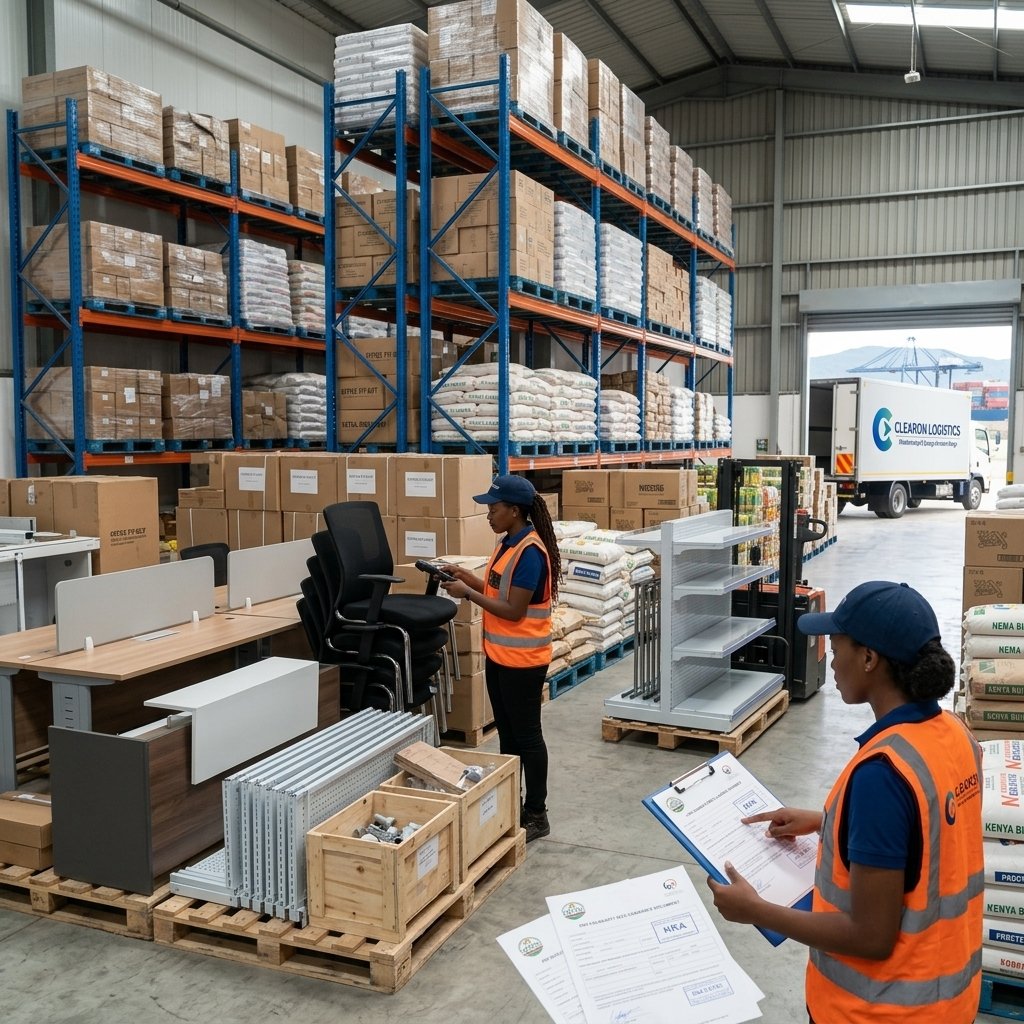
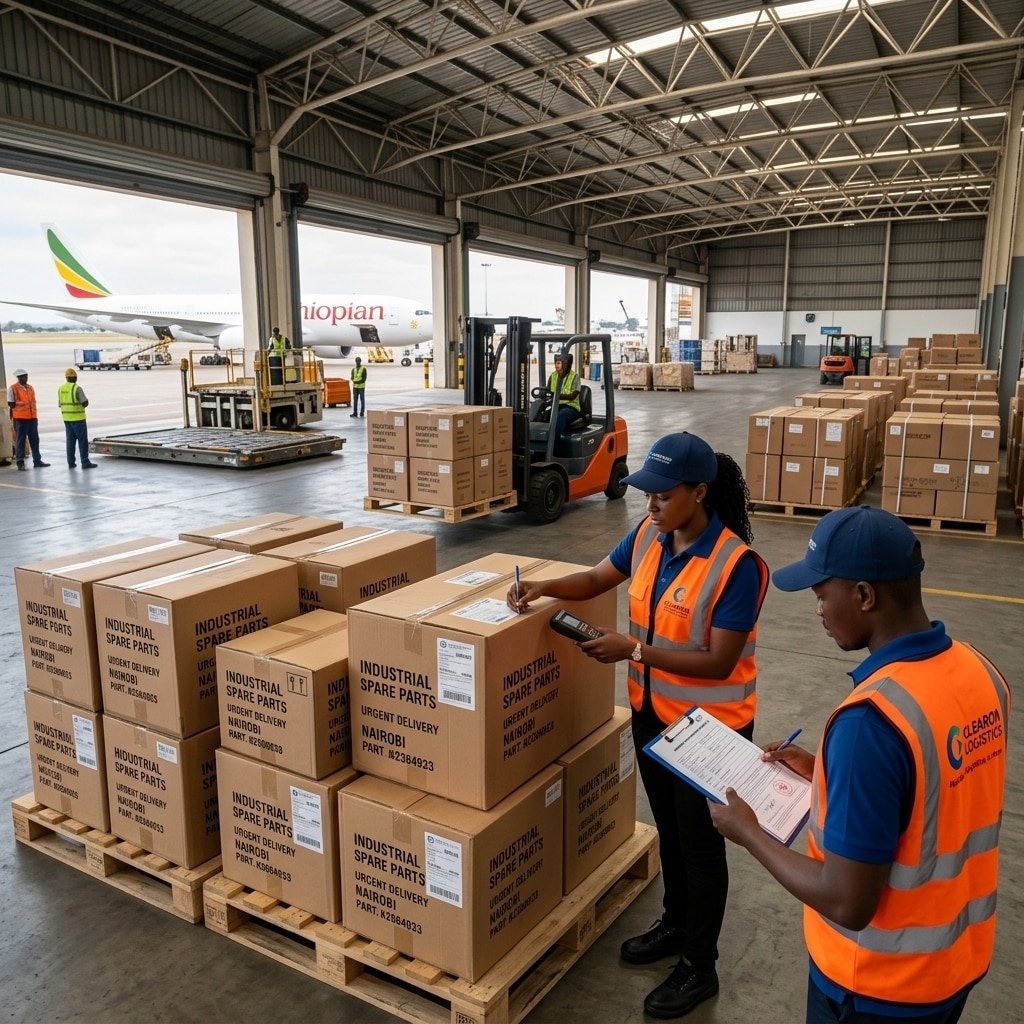
Documentation is the backbone of international trade. No matter how fast your cargo moves, missing or incorrect documents can stop everything instantly. In Kenya, customs clearance depends heavily on accurate, complete, and compliant documentation.
This guide explains the essential shipping and customs documentation in Kenya, why each document matters, and how proper preparation helps importers and exporters avoid delays, penalties, and unnecessary costs.
Why Documentation Is Critical in Kenya’s Logistics Process
Every shipment entering or leaving Kenya must be supported by approved documents. These documents help authorities:
- Identify the cargo
- Determine applicable taxes and duties
- Confirm regulatory compliance
- Track trade activities
Documentation errors are among the top causes of cargo delays in Kenya, making proper preparation essential.
Key Shipping and Customs Documents Required in Kenya
1. Commercial Invoice
The commercial invoice is one of the most important documents for customs clearance.
It contains:
- Seller and buyer details
- Description of goods
- Quantity and value
- Currency and payment terms
Customs uses this document to determine cargo value and applicable duties.
✅ Best Practice:
Ensure descriptions are clear and match other shipping documents.
2. Packing List
The packing list provides a detailed breakdown of how cargo is packed.
It includes:
- Number of packages
- Weight and dimensions
- Packaging type
Customs officials use this document during inspections.
✅ Best Practice:
Ensure package counts and weights align with the invoice and bill of lading for sea transport or air waybill if transport is via air.
3. Bill of Lading (B/L) or Airway Bill (AWB)
This document acts as:
- Proof of shipment
- Contract of carriage
- Receipt of goods
It contains shipment details, routing information, and consignee data.
✅ Best Practice:
Verify consignee names and shipment details to avoid clearance delays.
4. Import Declaration Forms (IDF)
The Import Declaration Form is mandatory for goods entering Kenya.
It enables customs to:
- Register the shipment
- Assess duties and taxes
- Monitor trade compliance
✅ Best Practice:
Have your clearing agent submit IDF early to avoid clearance delays upon cargo arrival.
5. Certificates of Origin
This document confirms where the goods were manufactured.
It may affect:
- Duty rates
- Eligibility for trade agreements
Some goods qualify for reduced or zero duty based on origin.
6. Regulatory Permits and Certificates
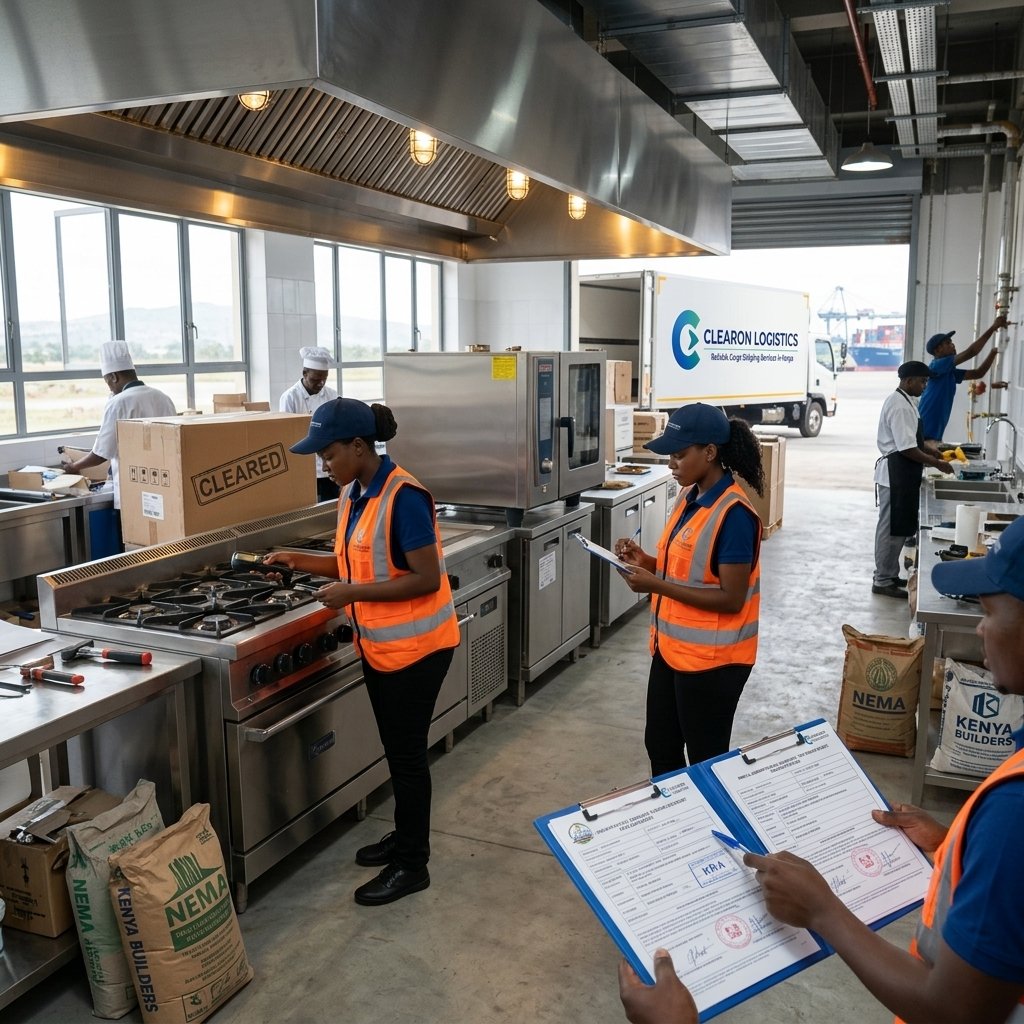
Certain goods require additional approvals from agencies such as:
- KEBS
- KEPHIS
- Pharmacy and Poisons Board
Without these approvals, cargo may be detained.
✅ Best Practice:
Identify regulatory requirements before shipping.
Common Documentation Mistakes That Cause Delays
Some frequent issues include:
- Inconsistent cargo descriptions
- Incorrect values or currencies
- Missing permits
- Mismatched consignee details
Even minor errors can trigger inspections or customs holds.
How Proper Documentation Reduces Clearance Time
Accurate documentation:
- Speeds up customs processing
- Reduces inspection frequency
- Minimizes disputes with authorities
- Prevents penalties and extra storage costs
Well-prepared documentation allows cargo to move through clearance smoothly and predictably.
The Role of Clearing and Forwarding Experts
Navigating customs documentation can be complex, especially with changing regulations.
Experienced clearing and forwarding professionals:
- Review documents before cargo arrival
- Ensure compliance with KRA requirements
- Coordinate regulatory approvals
- Resolve documentation issues efficiently
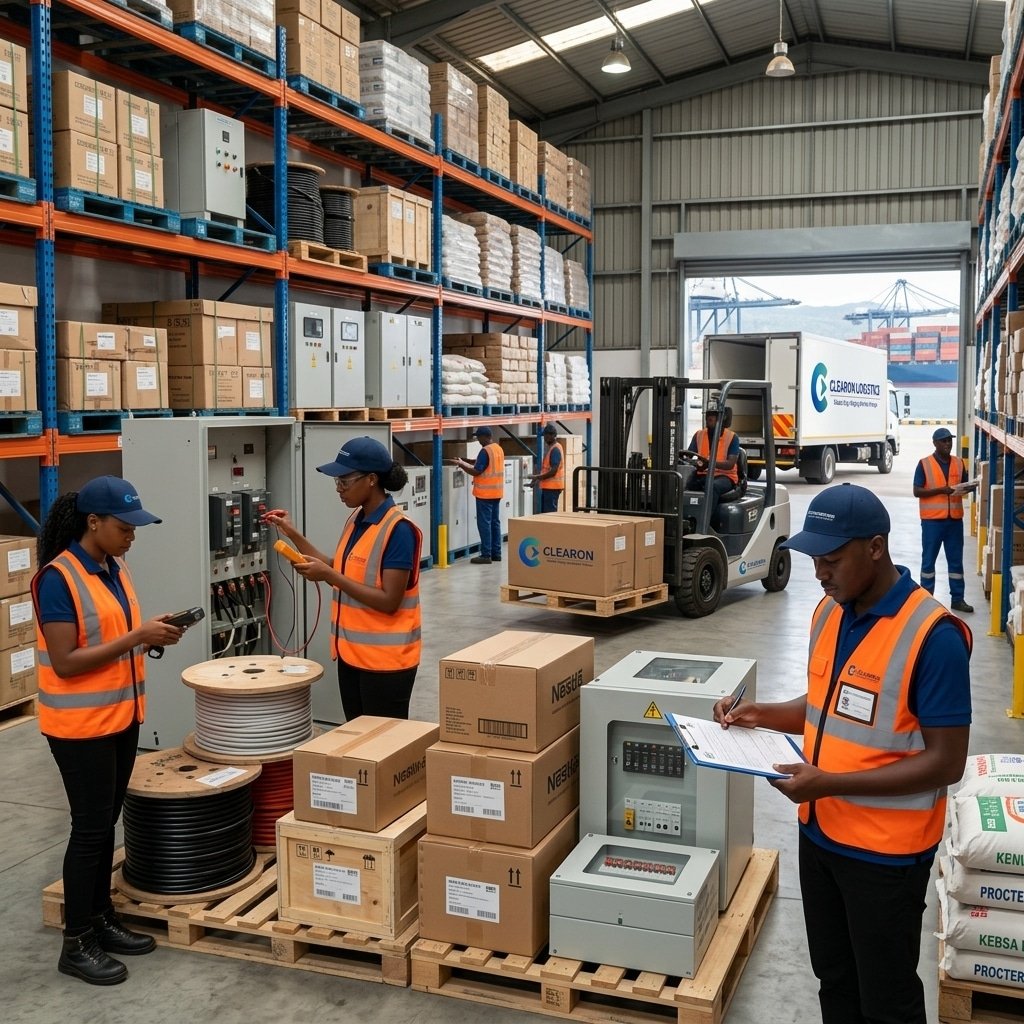
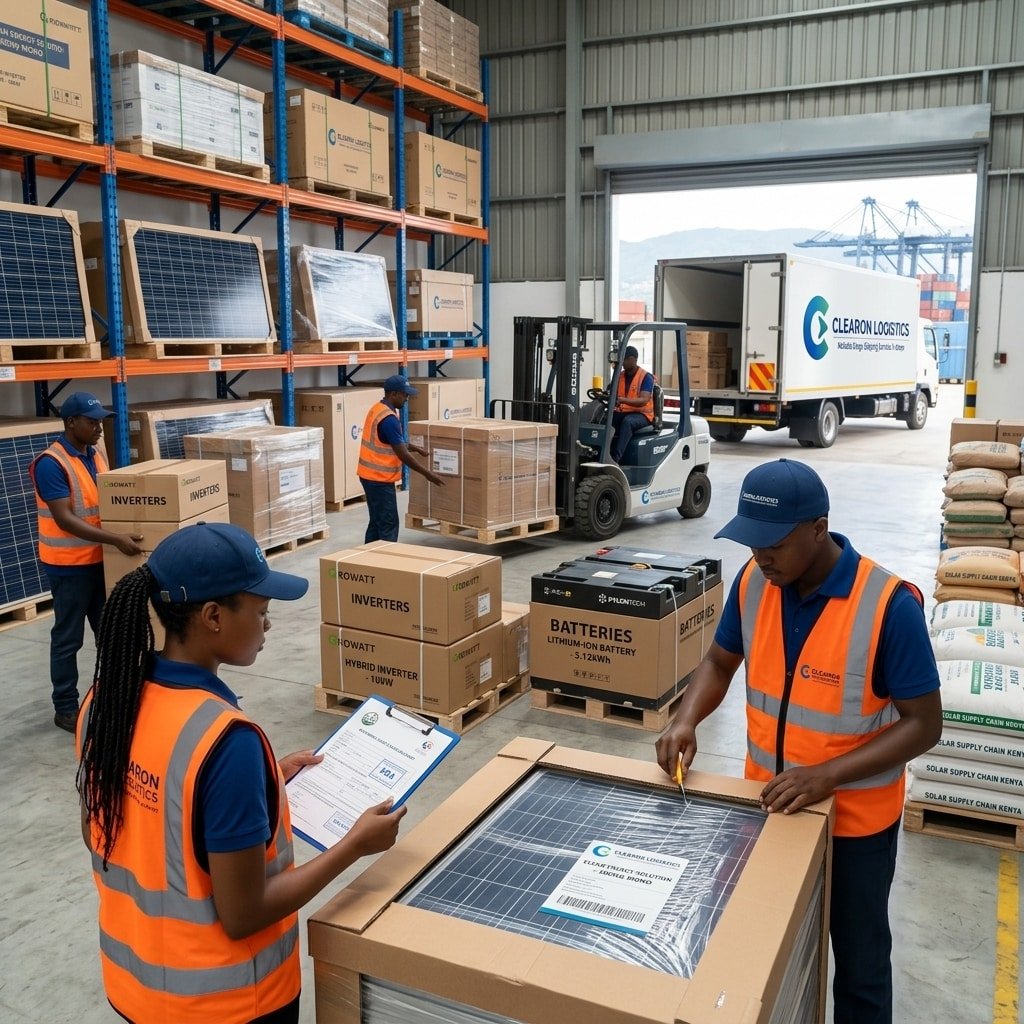
At Clearon Logistics, we assist clients in preparing and verifying all required documents to ensure seamless customs clearance across Kenya.
Conclusion
Proper documentation is not just a formality—it is a critical part of successful logistics operations in Kenya. Importers and exporters who invest time in preparing accurate documents experience fewer delays, lower costs, and smoother cargo movement.
Working with knowledgeable logistics professionals such as Clearon Logistics helps ensure documentation accuracy from start to finish. Get in touch with us today and get your documentation right!



Leave a Reply