
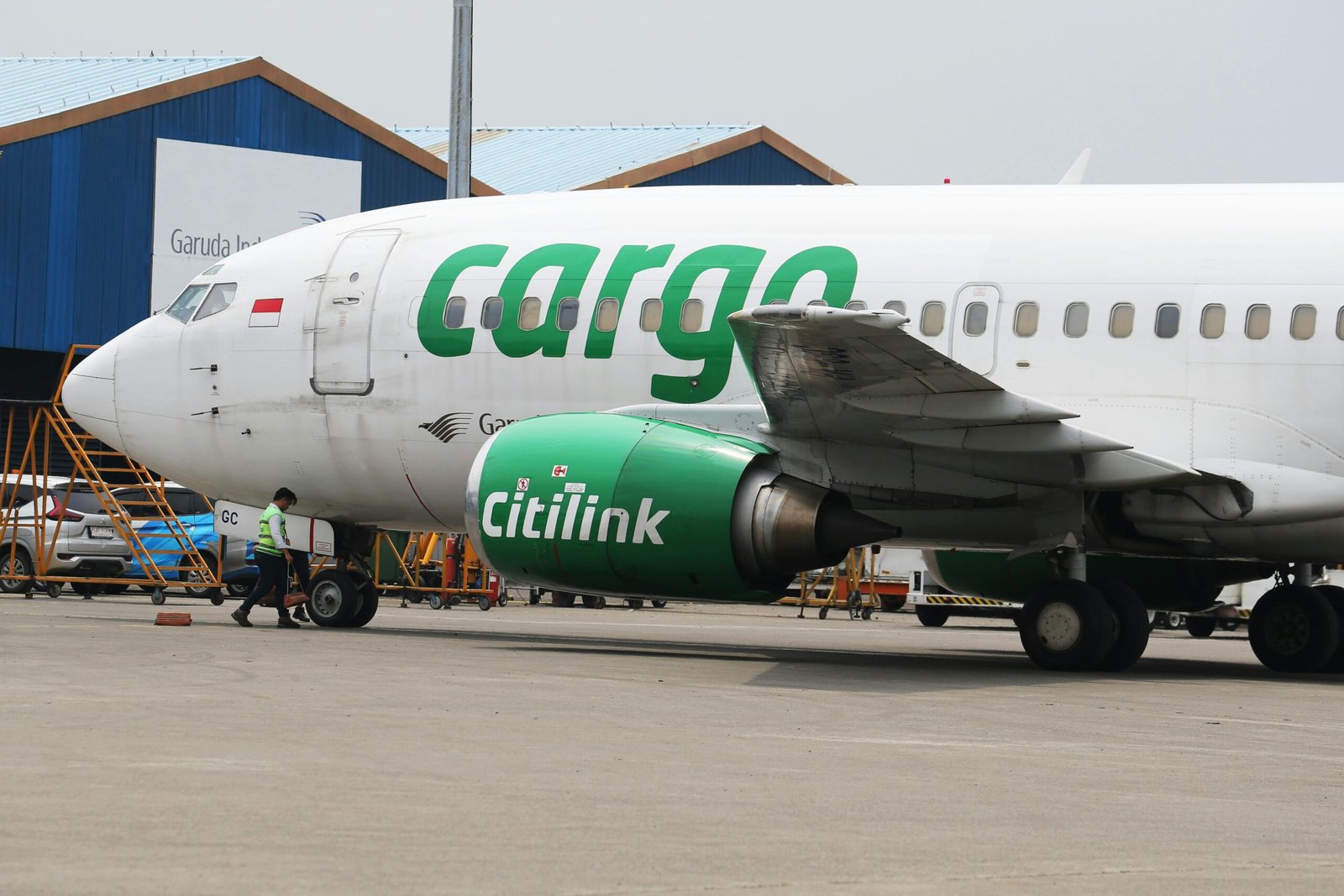
One of the most common concerns importers have is “Where is my cargo?” and “Why is it taking so long to be released?”
Shipment tracking and timely cargo release are critical to avoiding delays, demurrage, and unexpected costs when importing into Kenya.
In this article, we break down how shipment tracking works, what affects cargo release timelines, and how working with the right clearing partner like Clearon Logistics helps importers stay in control from shipment to delivery.
Understanding Shipment Tracking in International Trade
Shipment tracking refers to monitoring your cargo’s movement from the supplier’s country to the port or airport in Kenya and through customs clearance.
Tracking typically covers:
- Cargo pickup from supplier
- Departure from origin port
- Transit status
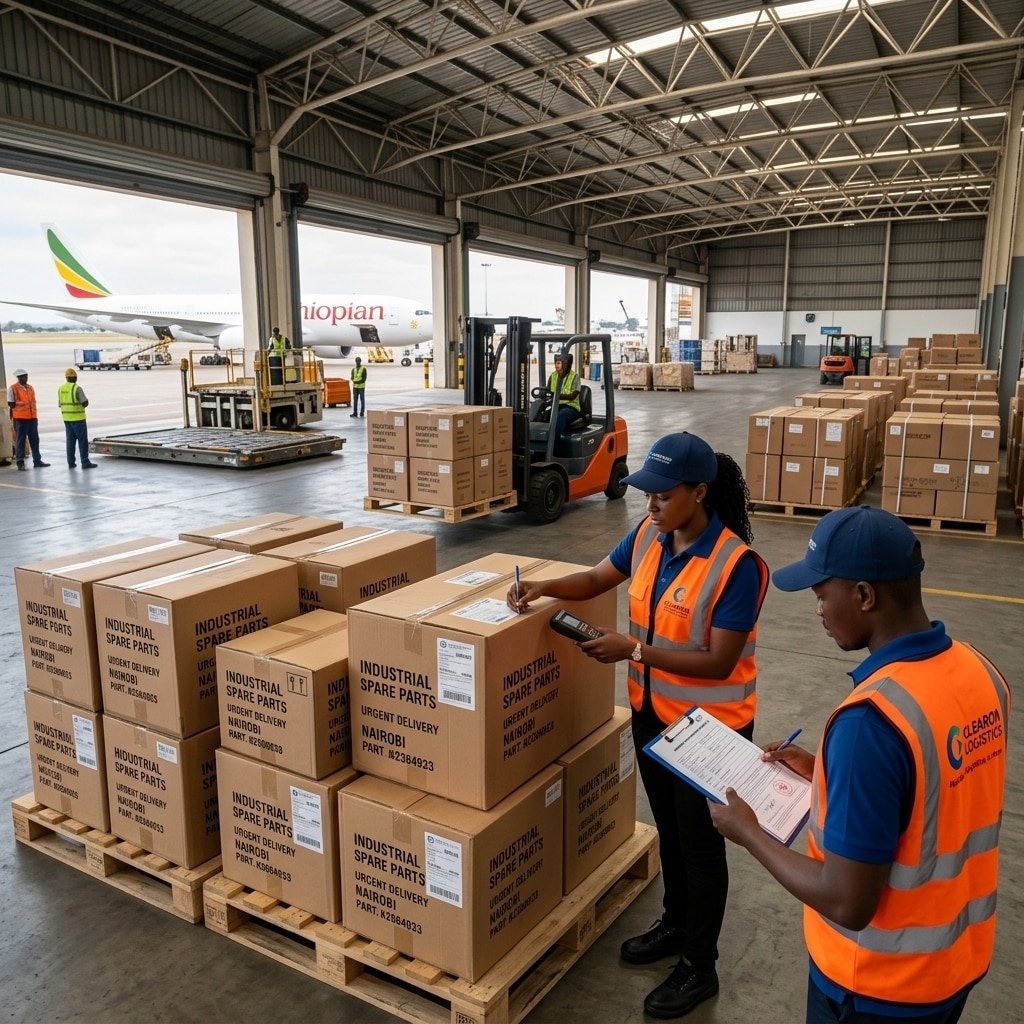
- Arrival at Kenyan port (Mombasa / JKIA)
- Customs clearance
- Cargo release
Many delays happen after arrival, not during shipping—mainly due to documentation and payment issues.
Key Documents Needed Before Arrival
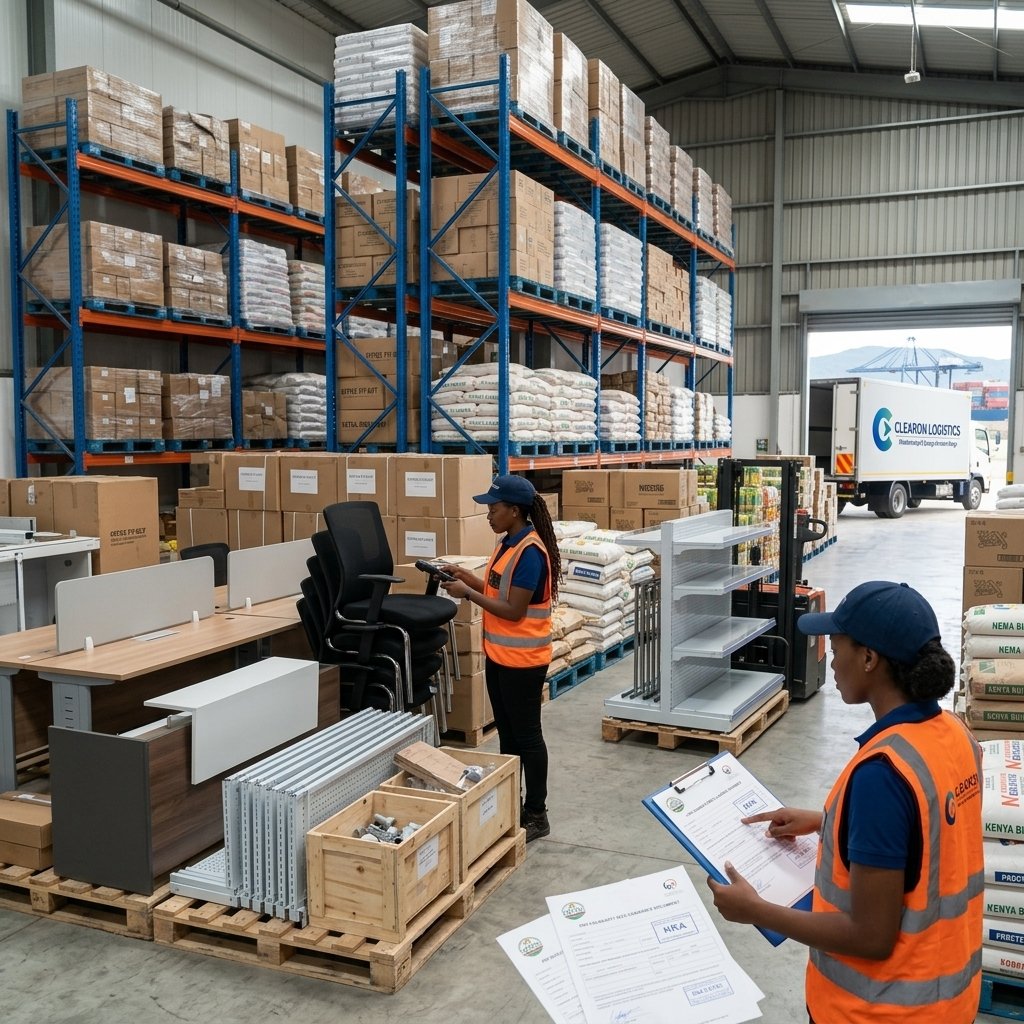
To ensure smooth tracking and release, these documents should be ready before the vessel or aircraft arrives:
- Bill of Lading / Air Waybill
- Commercial Invoice
- Packing List
- Import Declaration Form (IDF)
- Applicable permits (KEBS, KEPHIS, PPB, etc.)
Example:
An importer tracked their shipment perfectly, but clearance delayed by 7 days because the KEPHIS permit was applied for late. Tracking alone is not enough—clearance preparation matters.
At Clearon Logistics, we review documents early and advise clients on what must be prepared before arrival to avoid downtime.
How Cargo Tracking Works in Kenya
1. Shipping Line / Airline Tracking
Most shipping lines provide container or airway bill tracking using:
- Container number
- Bill of Lading number
This shows vessel status, ETA, and arrival confirmation.
2. Port System Updates (KPA / Airport)
Once cargo arrives:
- Container is offloaded
- Assigned to a yard or warehouse
- Available for customs processing
Delays often begin here if duties or documents are incomplete.
3. Customs System (KRA – iCMS)
Clearance tracking continues through:
- Entry submission
- Verification
- Payment of duties and taxes
- Release approval
Any error in HS code, value, or permits can pause the process.
Common Reasons Cargo Release Is Delayed
Even with tracking, cargo release can be delayed due to:
- Incorrect HS code classification
- Under-declaration or valuation queries
- Missing or invalid permits
- Late payment of duties and taxes
- Unpaid port or shipping line charges
Example:
A client’s cargo arrived on time, but they delayed duty payment by 4 days. Storage charges applied immediately after free days expired—adding unnecessary cost.
Clearon Logistics avoids this by guiding clients on payment timelines and notifying them before each clearance stage.
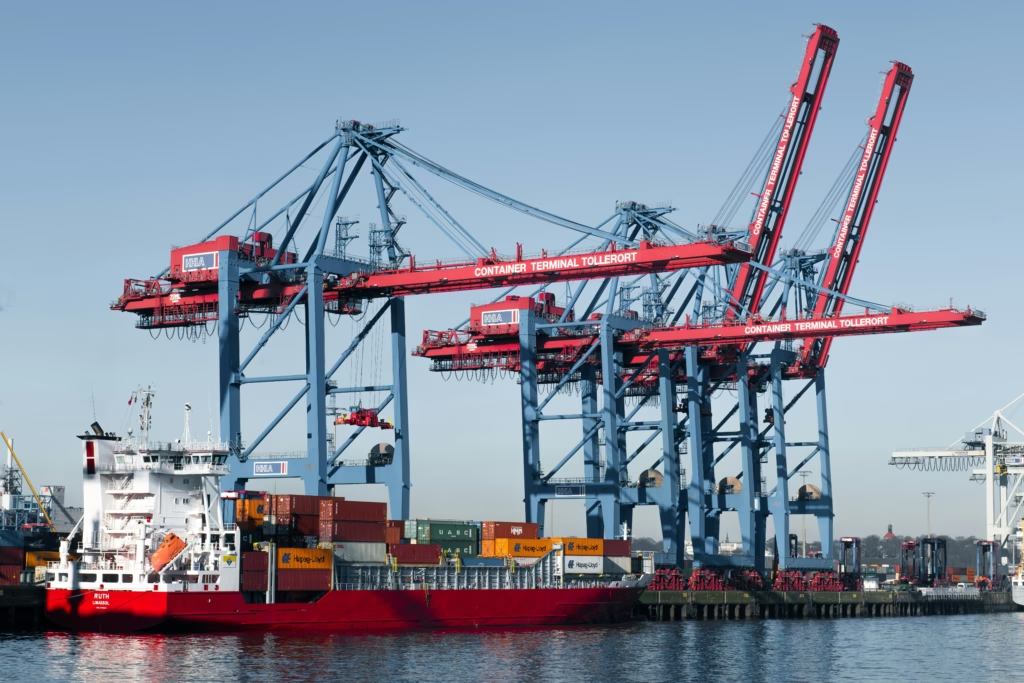
How to Ensure Timely Cargo Release
1. Start Clearance Before Arrival
- Submit documents early
- Apply permits in advance
- Confirm HS codes and values
2. Pay Charges in Stages
Clearing is a step-by-step process, not a flat fee:
- Freight & insurance (if unpaid)
- Customs taxes (duty, VAT, IDF, RDL, permits)
- Port handling & clearing fees
This staged approach avoids confusion and delays.
3. Work With a Clearing Agent Who Tracks for You
Many importers rely on shipping line updates only. A professional clearing agent tracks:
- Vessel arrival
- Customs progress
- Verification status
- Release confirmation
At Clearon Logistics, clients receive progress updates at every stage, not silence.
Why Tracking Alone Is Not Enough
Some importers think tracking solves everything—but without:
- Correct documentation
- Timely payments
- Professional clearance follow-up
Cargo can sit at the port even when tracking shows “arrived”.
This is where experienced clearing support makes the difference.
How Clearon Logistics Supports Shipment Tracking & Release
Clearon Logistics provides:
- End-to-end shipment monitoring
- Early document review
- Duty and tax advisory
- Permit guidance
- Step-by-step clearance updates
- Faster cargo release coordination
We don’t just clear cargo—we walk with clients from shipping to release, ensuring no stage is missed.
Final Thoughts
Tracking your shipment is important—but timely cargo release depends on preparation, accuracy, and coordination. Delays cost money, and many are avoidable with the right guidance.
By working with Clearon Logistics, importers gain:
- Better visibility
- Faster clearance
- Reduced storage and demurrage costs
- Peace of mind
If you’re planning an import, our team is ready to help you track, clear, and release your cargo efficiently and cost-effectively.





Leave a Reply