
One of the biggest causes of delays, penalties, and unexpected costs when importing into Kenya is missing or incorrect permits. Many importers don’t know about the permits if and when required.
In this guide, we clearly explain KEBS, KEPHIS, PPB, and other regulatory permits in Kenya, when they apply, examples, and how Clearon Logistics helps importers avoid unnecessary permits and costly mistakes.
Why Import Permits Matter in Kenya
Import permits exist to:
- Protect public health and safety
- Regulate agricultural and food products
- Ensure quality standards
- Control restricted and sensitive goods
Failure to obtain the correct permit can result in:
- Cargo being held at the port
- Forced re-export or destruction
- Heavy penalties and storage charges
KEBS Explained (Kenya Bureau of Standards)
What Is KEBS?
KEBS regulates quality and standards for imported goods through:
- PVoC (Pre-Export Verification of Conformity)
- Certificate of Conformity (CoC)
Products That Commonly Require KEBS
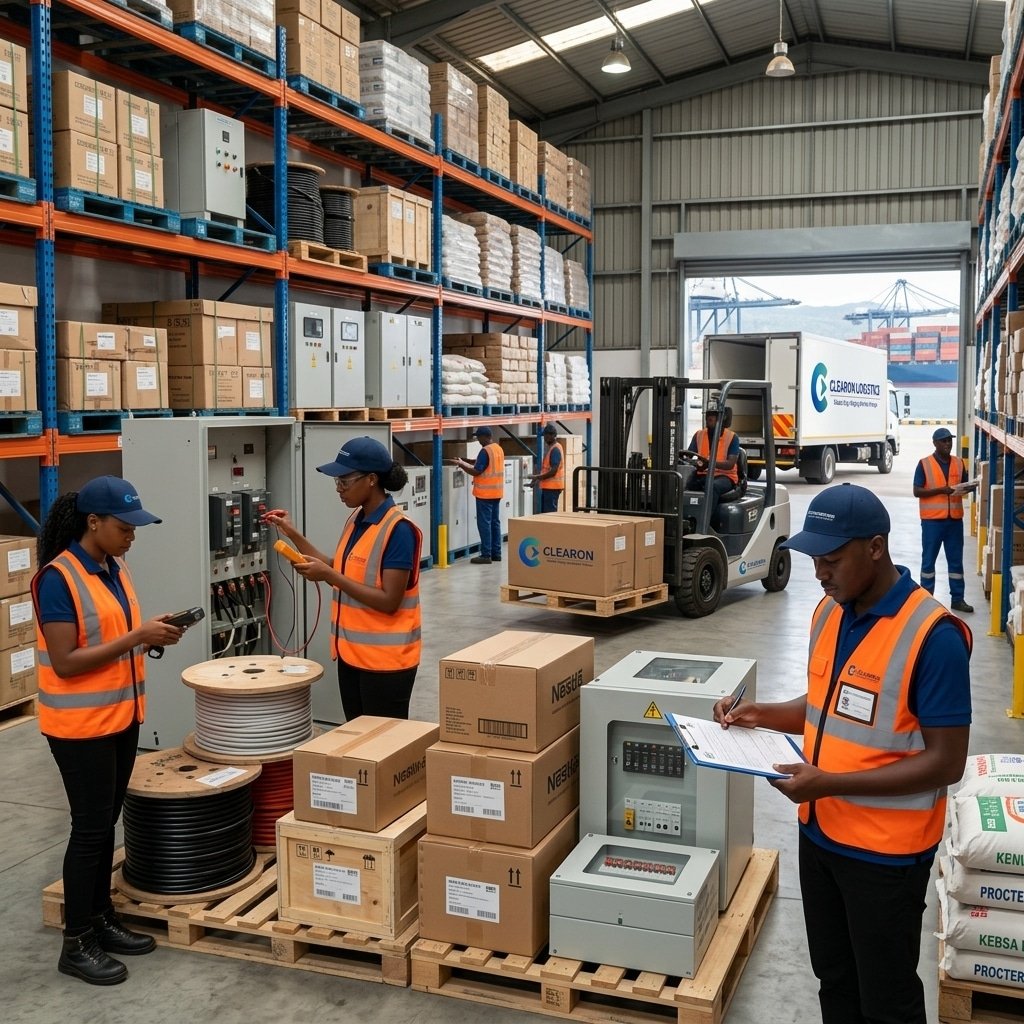
- Electronics and electrical appliances
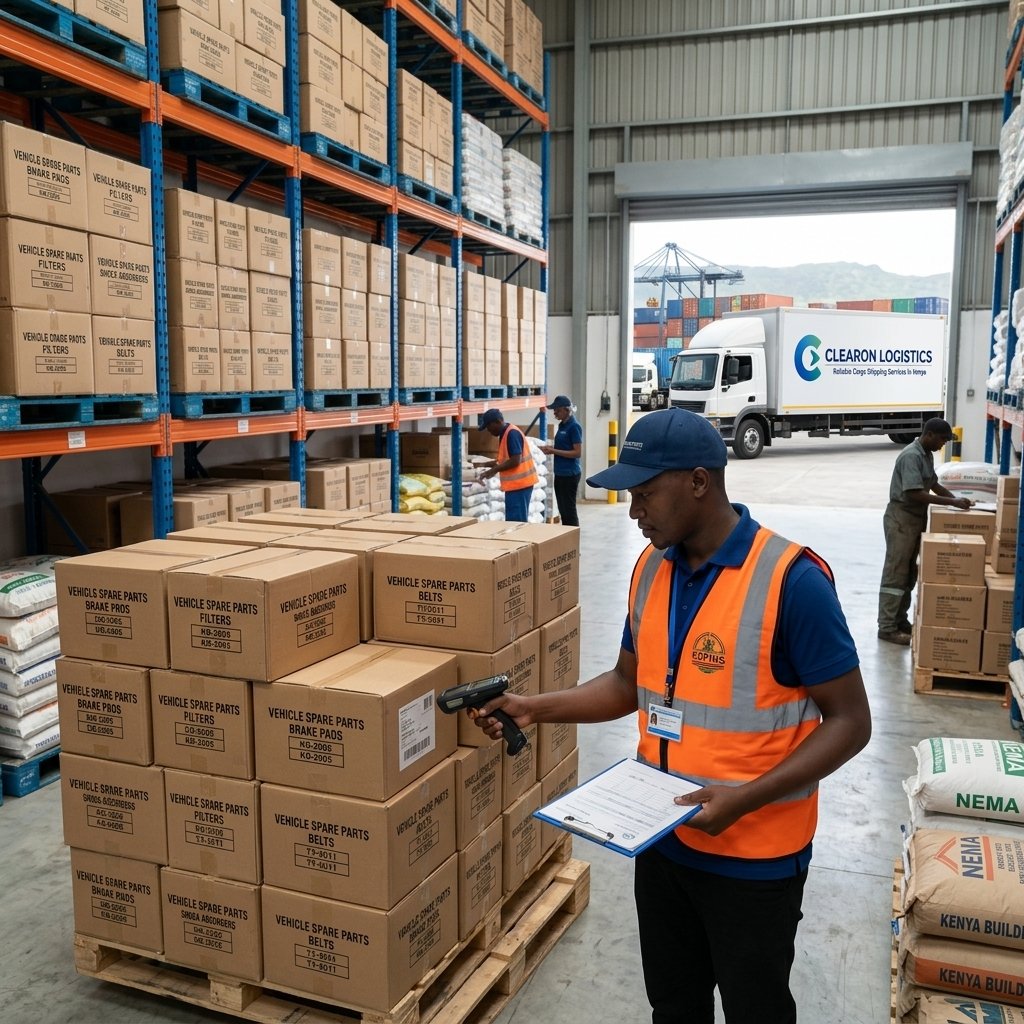
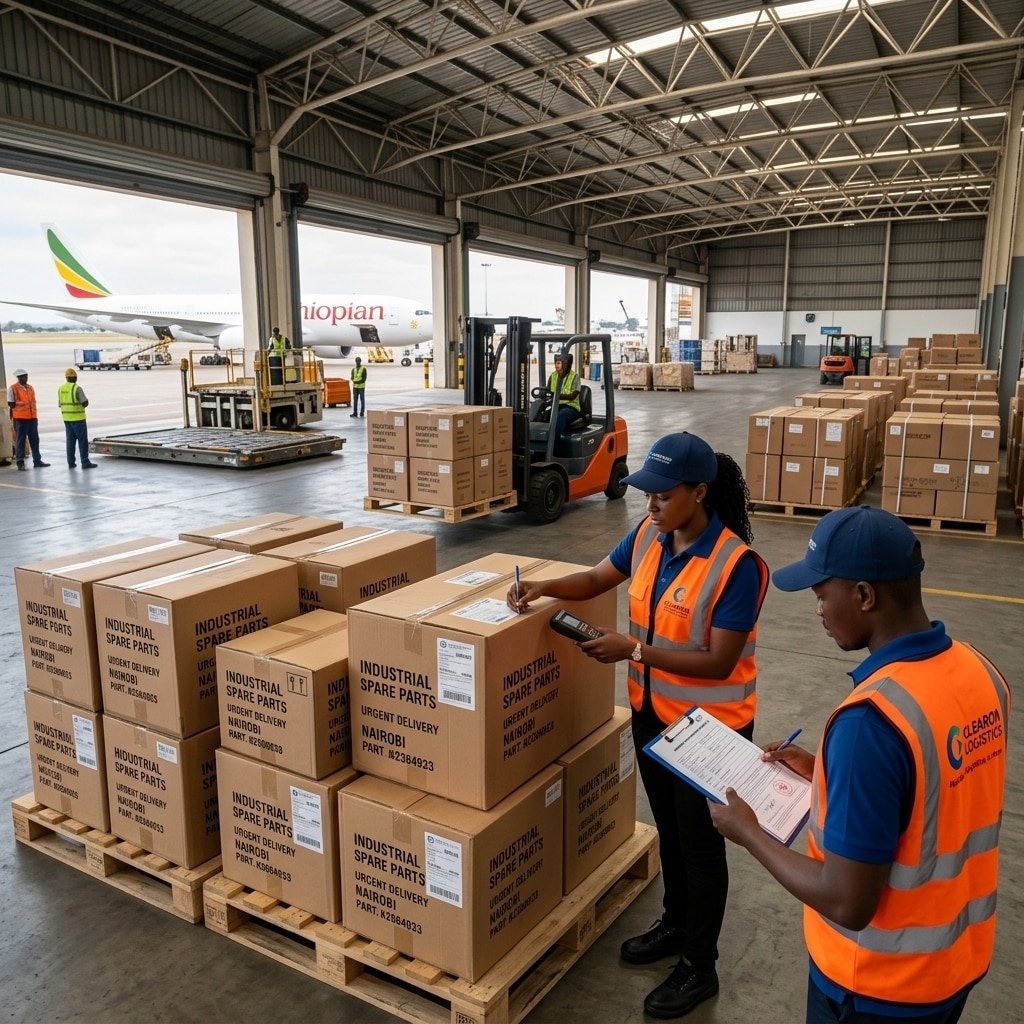
- Machinery and spare parts
- Building materials
- Household goods
- Toys and children’s products
Example:
An importer brought in electrical appliances without a CoC. KEBS required destination inspection, delaying clearance by 8 days and adding extra inspection fees.
Clearon Logistics advises clients early whether KEBS applies and ensures documentation is ready before shipment.
KEPHIS Explained (Kenya Plant Health Inspectorate Service)
What Is KEPHIS?
KEPHIS regulates plants, seeds, grains, and agricultural produce to prevent pests and diseases.
Products That Require KEPHIS
- Grains (rice, maize, wheat)
- Fruits and vegetables
- Seeds and planting materials
- Timber and wooden packaging
Example:
An importer shipped rice without a KEPHIS import permit. Cargo was held until inspection, leading to storage charges.
Clearon Logistics confirms permit applicability before shipping, saving clients time and money.
PPB Explained (Pharmacy and Poisons Board)
What Is PPB?
PPB regulates:
- Medicines
- Medical devices
- Supplements and cosmetics
Products That Require PPB
- Pharmaceuticals
- Medical equipment
- Vitamins and supplements
- Certain cosmetics
Example:
A client imported medical equipment assuming KEBS was enough. PPB approval was also required, causing a clearance delay.
With Clearon Logistics, clients receive permit mapping per product, avoiding surprises.
Other Common Import Permits in Kenya
✔ Pest Control Products Board (PCPB)
- Pesticides and agrochemicals
✔ Nuclear Power & Energy Authority (NuPEA)
- Radiation-emitting equipment
✔ Communication Authority of Kenya (CAK)
- Communication devices and radios
✔ NEMA
- Environment-sensitive goods
The Biggest Myth: “Apply for All Permits”
Many importers waste money by applying for every possible permit “just to be safe.”
🚫 This leads to:
- Unnecessary fees
- Longer processing time
- Confusion during clearance
✅ The correct approach is permit-specific assessment based on HS code and product use.
Clearon Logistics performs permit verification per item, ensuring clients only apply for what’s legally required.
How Permit Errors Increase Import Costs
Permit mistakes cause:
Example:
A shipment delayed by 5 days due to missing permit incurred over KES 60,000 in storage charges—costs that were completely avoidable.
How Clearon Logistics Supports Permit Compliance
At Clearon Logistics, we:
- Assess permit requirements before shipping
- Advise on KEBS, KEPHIS, PPB, and others
- Coordinate permit applications
- Ensure documents align with HS codes
- Prevent clearance delays and penalties
We don’t guess—we guide importers step by step.
Final Thoughts
Import permits in Kenya are product-specific, not one-size-fits-all. Understanding which permit applies and when is critical to smooth clearance and cost control.
With Clearon Logistics, importers avoid unnecessary permits, reduce delays, and clear cargo efficiently—without stress.
If you’re planning an import and unsure which permits apply, our team is ready to help.




Leave a Reply