
Introduction
Cargo delays are one of the biggest challenges facing importers and exporters in Kenya. Whether shipping by sea, air, or road, delays can result in increased costs, missed deadlines, and frustrated customers.
Understanding the real causes of cargo delays in Kenya is the first step toward preventing them. In this article, we break down the most common reasons shipments get held up—and how working with the right logistics partner can help you avoid costly disruptions.
1. Incomplete or Incorrect Documentation
One of the leading causes of cargo delays in Kenya is documentation errors.
Common issues include:
- Missing import permits
- Incorrect invoices or packing lists
- Inaccurate cargo descriptions
- Mismatched consignee details
Even a small mistake can cause customs to place your cargo on hold.
✅ How to avoid it:
- Double-check all shipping documents before submission
- Work with experienced clearing agents who understand Kenya Revenue Authority (KRA) requirements
- Ensure consistency across all documents
2. Customs Compliance Issues
Kenya has strict customs regulations, and non-compliance can quickly lead to delays.
Cargo may be delayed due to:
- Under-declared values
- Incorrect HS codes
- Failure to meet regulatory standards
Customs inspections can take longer when cargo raises compliance concerns.
✅ How to avoid it:
- Use the correct HS codes
- Declare cargo values accurately
- Stay updated on customs regulations and tax changes
3. Port Congestion
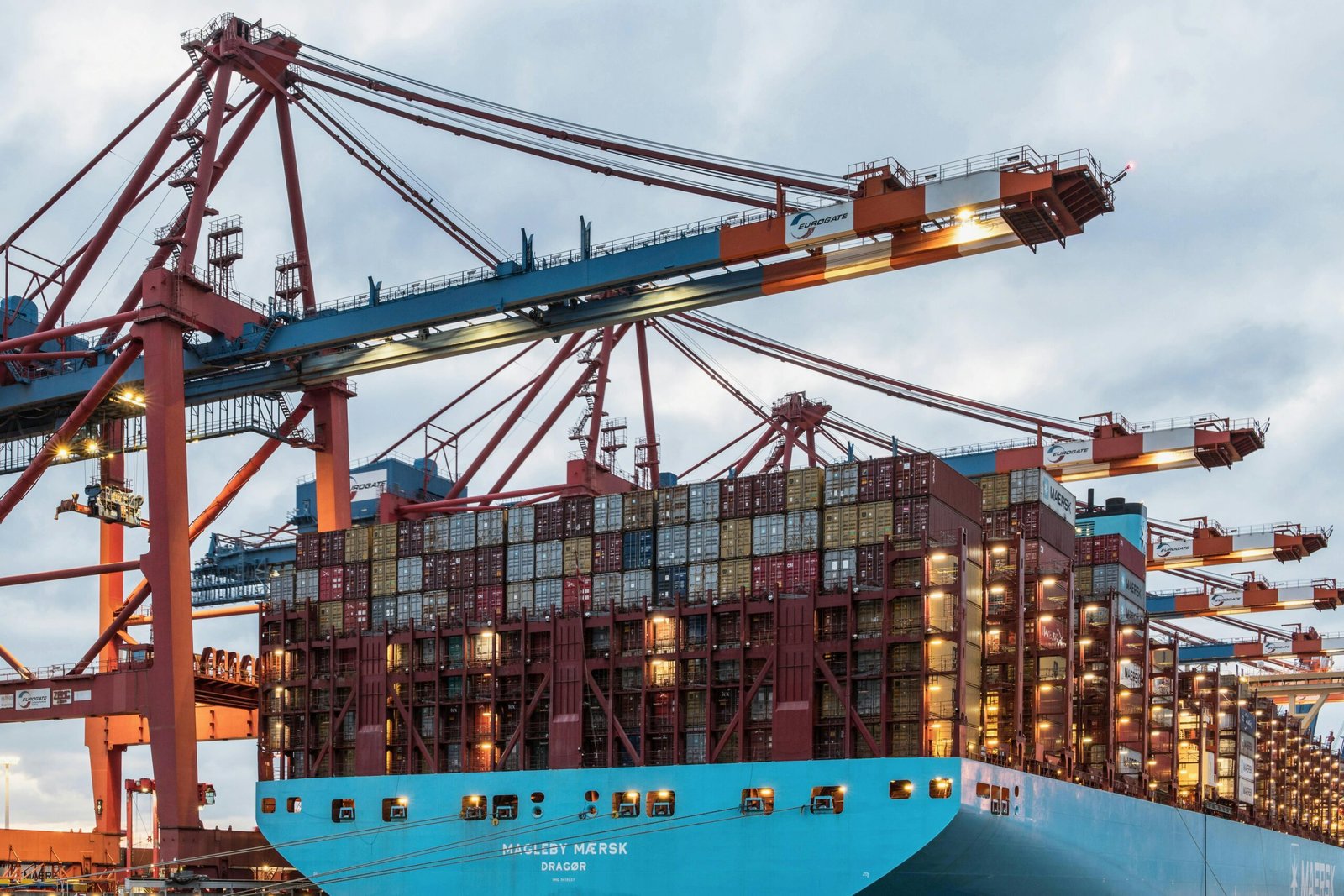
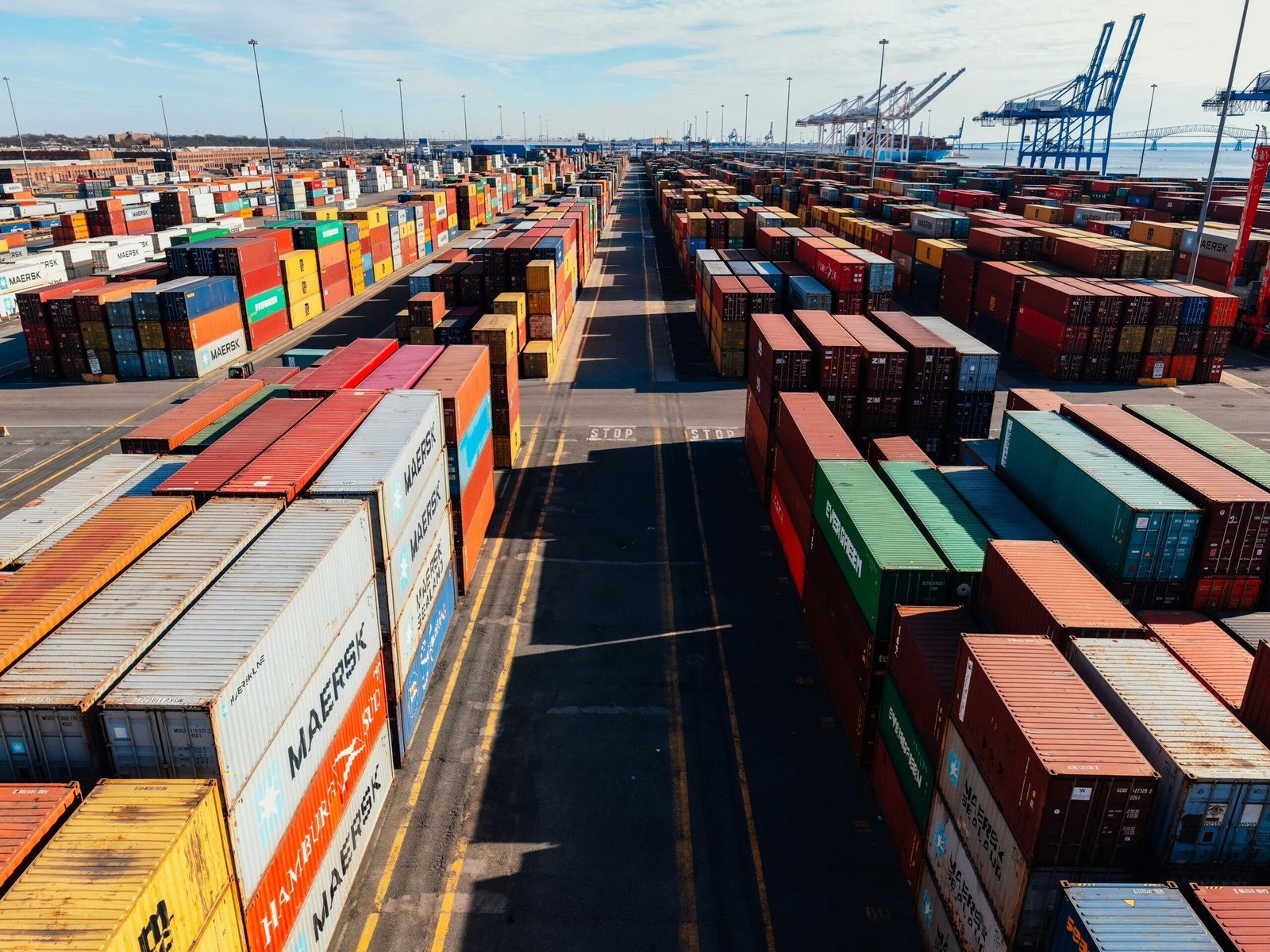
Major entry points like the Port of Mombasa experience congestion, especially during peak seasons.
Port congestion leads to:
- Slower container offloading
- Delayed clearance timelines
- Increased demurrage charges
✅ How to avoid it:
- Plan shipments outside peak periods where possible
- Engage a logistics provider with strong port coordination
- Submit documentation early to speed up clearance once cargo arrives
4. Delayed Payments and Fees
Failure to pay customs duties, taxes, or port charges on time can halt the release of cargo.
Common payment-related delays include:
- Late duty payments
- Incorrect tax calculations
- Incomplete fee settlements
✅ How to avoid it:
- Prepare funds in advance
- Confirm duty and tax amounts early
- Use a logistics company that provides transparent cost breakdowns
5. Regulatory Inspections and Holds
Certain goods require additional inspections from regulatory bodies such as:
- KEBS
- KEPHIS
- Pharmacy and Poisons Board
These inspections are mandatory and can delay cargo if not planned for.
✅ How to avoid it:
- Know which agencies apply to your cargo
- Secure approvals and certifications before shipment
- Partner with a clearing agent familiar with regulatory processes
6. Poor Communication with Logistics Providers
Lack of communication often results in:
- Missed deadlines
- Incorrect assumptions
- Unresolved clearance issues
Without real-time updates, small problems can quickly escalate.
✅ How to avoid it:
- Choose a logistics partner that prioritizes communication
- Request regular shipment updates
- Clarify responsibilities from the start
Why Choosing the Right Logistics Partner Matters
Most cargo delays can be prevented with proper planning, compliance, and professional support. A reliable logistics company helps you:
- Avoid documentation errors
- Navigate customs regulations
- Reduce clearance timelines
- Minimize unexpected costs
At Clearon Logistics, we focus on proactive planning and clear communication to ensure smooth cargo movement across Kenya.
Conclusion
Cargo delays in Kenya are often avoidable. By understanding the common causes—and working with experienced logistics professionals such as us—you can significantly reduce risks, save costs, and keep your supply chain moving efficiently.
If you want fewer delays and smoother clearance processes, the right logistics strategy makes all the difference. Partner with Clearon Logistics today and experience the difference.






Leave a Reply