
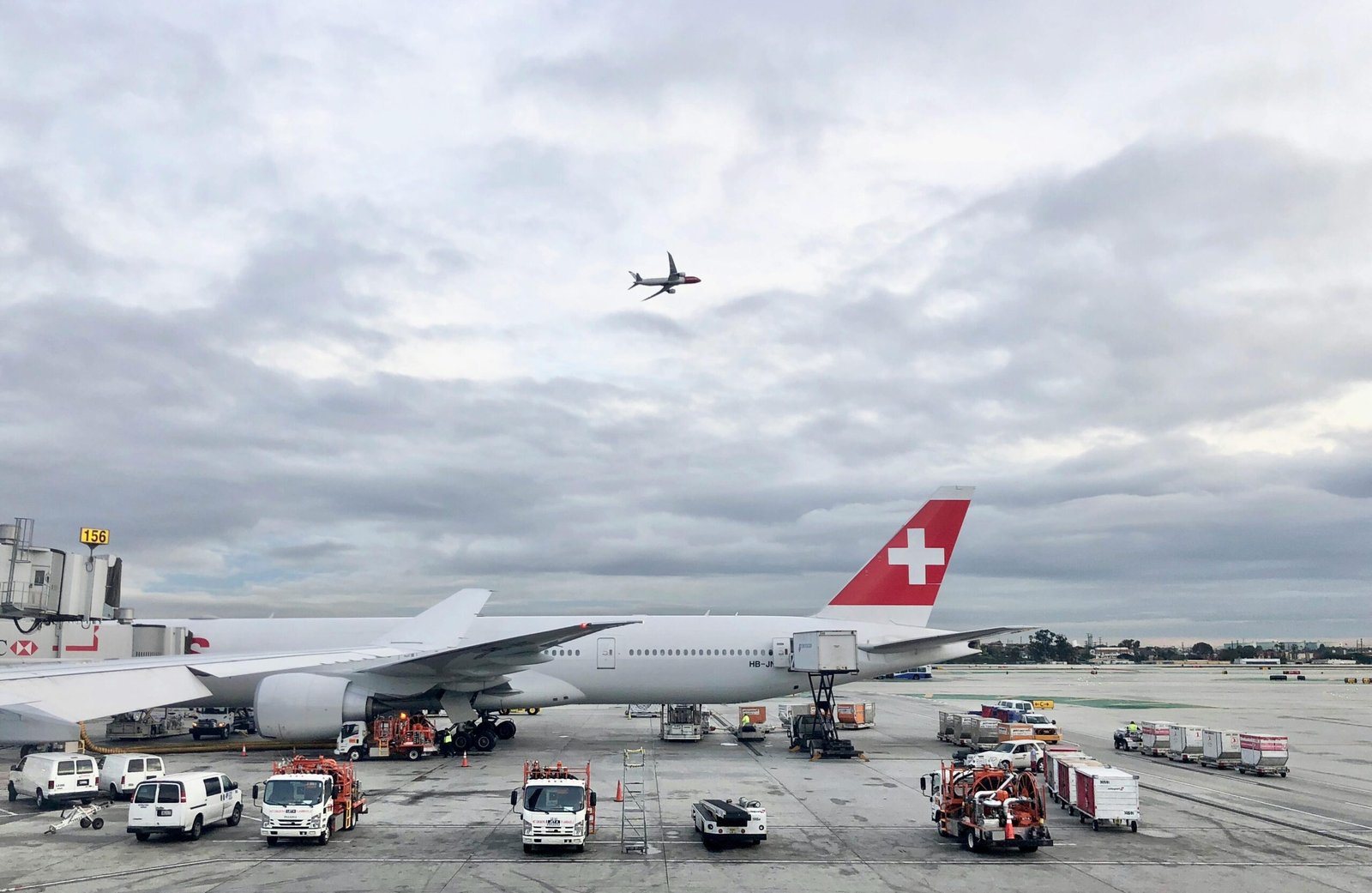
One of the fastest ways to delay your cargo, pay penalties, or incur storage charges is missing or incorrect documentation.
In Kenya, customs clearance is document-driven. Even if your taxes are fully paid, one wrong or missing paper can stop your shipment from being released.
In this guide, you’ll learn all the documents required to clear goods in Kenya, what each one is for, real examples of how they’re used, and how Clearon Logistics helps importers get it right the first time.
Whether you’re importing from China, UAE, Turkey, India, or Europe, this checklist will save you time, money, and stress.
Why Documents Matter in Kenya Customs Clearance
KRA and other government agencies use your documents to:
- Confirm the true value of your goods
- Verify the correct HS code
- Check origin and compliance
- Decide whether permits or inspections are required
- Calculate import duty, VAT, IDF, and RDL
If your documents:
- Don’t match each other
- Have wrong values
- Have unclear descriptions
- Are missing approvals
Your cargo can be:
❌ Delayed
❌ Fined
❌ Revalued (higher tax)
❌ Sent for inspection
❌ Accumulate storage & demurrage charges
This is why working with a professional agent like Clearon Logistics makes a huge difference.
The Core Documents Required to Clear Goods in Kenya
Let’s go through them one by one.
1. Commercial Invoice
This is the main document showing:
- Seller and buyer details
- Description of goods
- Quantity
- Unit price
- Total value
- Currency used
- Incoterms (FOB, CIF, etc.)
Example:
If you import 1,000 phone chargers at USD 5 each:
- Invoice total = USD 5,000
- Customs will use this to start building your tax calculation.
⚠️ If the invoice looks understated or unclear, KRA may uplift the value and charge higher taxes.
2. Packing List
The packing list shows:
- How goods are packed
- Number of cartons or pallets
- Gross and net weight
- Dimensions
- Contents per package
Customs uses this for:
- Physical verification
- Risk profiling
- Inspection planning
If your packing list doesn’t match your invoice or actual cargo, expect delays.
3. Bill of Lading (Sea) or Airway Bill (Air)
This is your transport document and proof of shipment.
It shows:
- Shipper and consignee
- Origin and destination
- Cargo description
- Container or airway bill number
Without this document, your cargo cannot be released.
4. Import Declaration Form (IDF)
The IDF is mandatory for most imports into Kenya.
It:
- Declares your shipment to KRA
- Is used to assess IDF fee (2.5%)
- Is required before clearance starts
Clearon Logistics handles IDF processing for clients to avoid errors and delays.
5. HS Code Classification
Every product must have a Harmonized System (HS) Code.
This code determines:
- Duty rate (0%, 10%, 25%, etc.)
- Whether permits are required
- Whether restrictions apply
Example:
- One HS code may attract 10% duty
- Another similar-looking product may attract 25% duty
A wrong HS code can mean:
❌ Overpaying tax
❌ Fines and penalties
❌ Delayed clearance
This is one of the biggest cost-saving areas when you work with Clearon Logistics.
6. Certificate of Conformity (CoC) / KEBS Documents (If Applicable)
Many regulated products require KEBS compliance before import.
Examples:
- Electronics
- Machinery
- Building materials
- Some household goods
If required and missing:
- Your cargo can be stuck
- You may pay heavy penalties
- You may be forced into expensive destination inspection
7. Permits from Other Government Agencies (If Applicable)
Depending on what you import, you may need permits from:
- KEPHIS (plants, seeds, food items)
- Pharmacy & Poisons Board PPB (medicines)
- NEMA
- Other regulators
⚠️ Not all goods need permits — but most do.
Clearon Logistics checks exactly which permits apply to your product — and which don’t — so you don’t waste money.
8. Tax Payment Proof
You’ll also need proof of payment for:
- Import duty
- VAT
- IDF
- RDL
- Any other applicable fees
Without confirmed payments, customs will not release your cargo.
Real-Life Example: How Documents Affect Clearance Time
Two importers bring similar goods:
- Importer A:
- Correct invoice
- Clear packing list
- Correct HS code
- Correct permits
✅ Clears in 2–3 days
- Importer B:
- Vague invoice description
- Wrong HS code
- Missing permit
❌ Cargo delayed 1–2 weeks + extra costs
The difference? Documentation quality and preparation.
How Clearon Logistics Makes This Easy for You
At Clearon Logistics, we:
- Check your documents before shipping
- Confirm correct HS codes
- Verify permit requirements
- Prepare and lodge IDF and entries
- Fix issues before they become expensive problems
- Guide you step by step
This means:
✔ Faster clearance
✔ Lower risk of penalties
✔ Fewer surprise costs
✔ Less stress for you
👉 You can request a quote and document review before you ship.
Final Checklist (Quick Summary)
Before your goods can clear in Kenya, you’ll usually need:
- Commercial Invoice
- Packing List
- Bill of Lading / Airway Bill
- Import Declaration Form (IDF)
- HS Code Classification
- KEBS / CoC (if applicable)
- Other permits (if applicable)
- Proof of tax payments
Final Thoughts
Most clearance problems in Kenya don’t come from taxes — they come from documents.
Get them right, and your cargo moves fast.
Get them wrong, and your cargo gets expensive.
If you want your shipment handled professionally, accurately, and without stress, Clearon Logistics is ready to take care of everything from paperwork to cargo release.
Leave a Reply