

Importing goods into Kenya can be profitable—but only if you manage costs effectively. Many importers face unexpected fees, excessive taxes, and demurrage charges that eat into profits.
In this guide, we’ll show you practical ways to reduce import costs, backed by real examples, and explain how Clearon Logistics helps importers save money while clearing goods efficiently.
1. Understand Import Duty and Tax Structures
Kenya’s customs taxes vary depending on the product and HS code:
- Import Duty – typically 0–35% depending on the category of classification
- VAT – 16% of CIF value (Cost + Insurance + Freight)+ Import duty
- IDF – 2.5% of CIF
- RDL – 2% of CIF
Example:
A shipment of electronics (HS code 8471) may attract 25% duty, whereas office supplies (HS code 4820) may only attract 10%. Paying a flat rate via some agents without itemized calculation can lead to overpayment.
Clearon Logistics calculates duty per item to ensure clients only pay what’s legally required.
2. Avoid Unnecessary Permits and Fees
Not every product needs every permit. Some importers blindly apply for all possible permits and pay extra fees.
- Tip: Confirm which permits apply to your product type before shipping.
- Example: A client importing electronics almost paid for a KEBS and KEPHIS permit—only KEBS was required. Clearon Logistics advised correctly, saving the client KES 20,000.
3. Use Accurate HS Codes and Documentation
Incorrect HS codes can trigger:
- Reclassification and higher duties
- Delays in clearance
- Additional verification fees
Example:
A client misclassified machinery parts and paid 30% more than needed. Clearon Logistics pre-verifies HS codes, avoiding such mistakes.
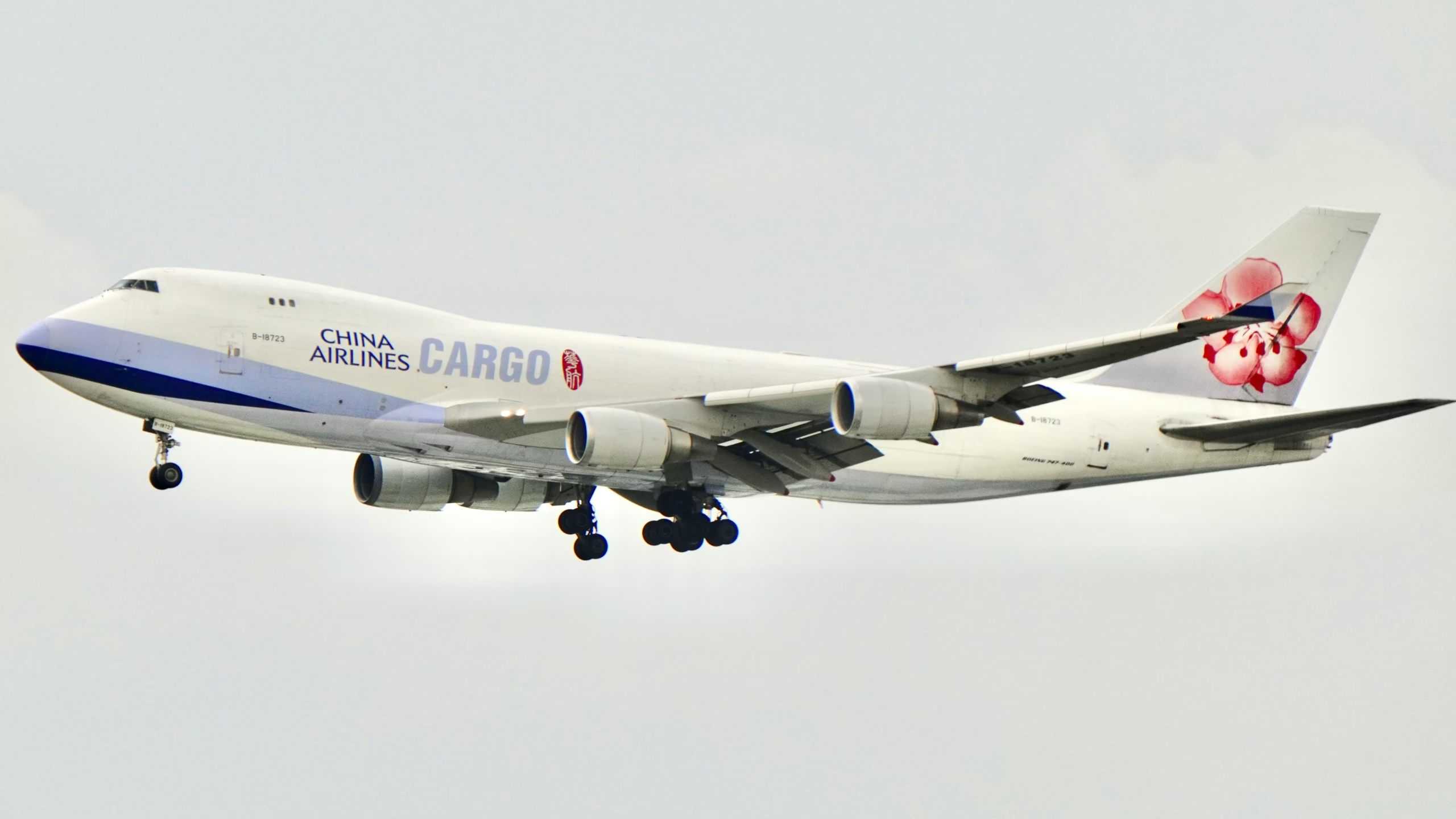
4. Pre-arrange Freight and Insurance
- Freight and insurance are major costs.
- Consolidate shipments when possible.
- Compare rates from multiple carriers.
Example:
A client split shipments unnecessarily and paid double the shipping cost. Clearon Logistics recommends consolidation and negotiates freight rates, saving clients 15–25% on shipping.
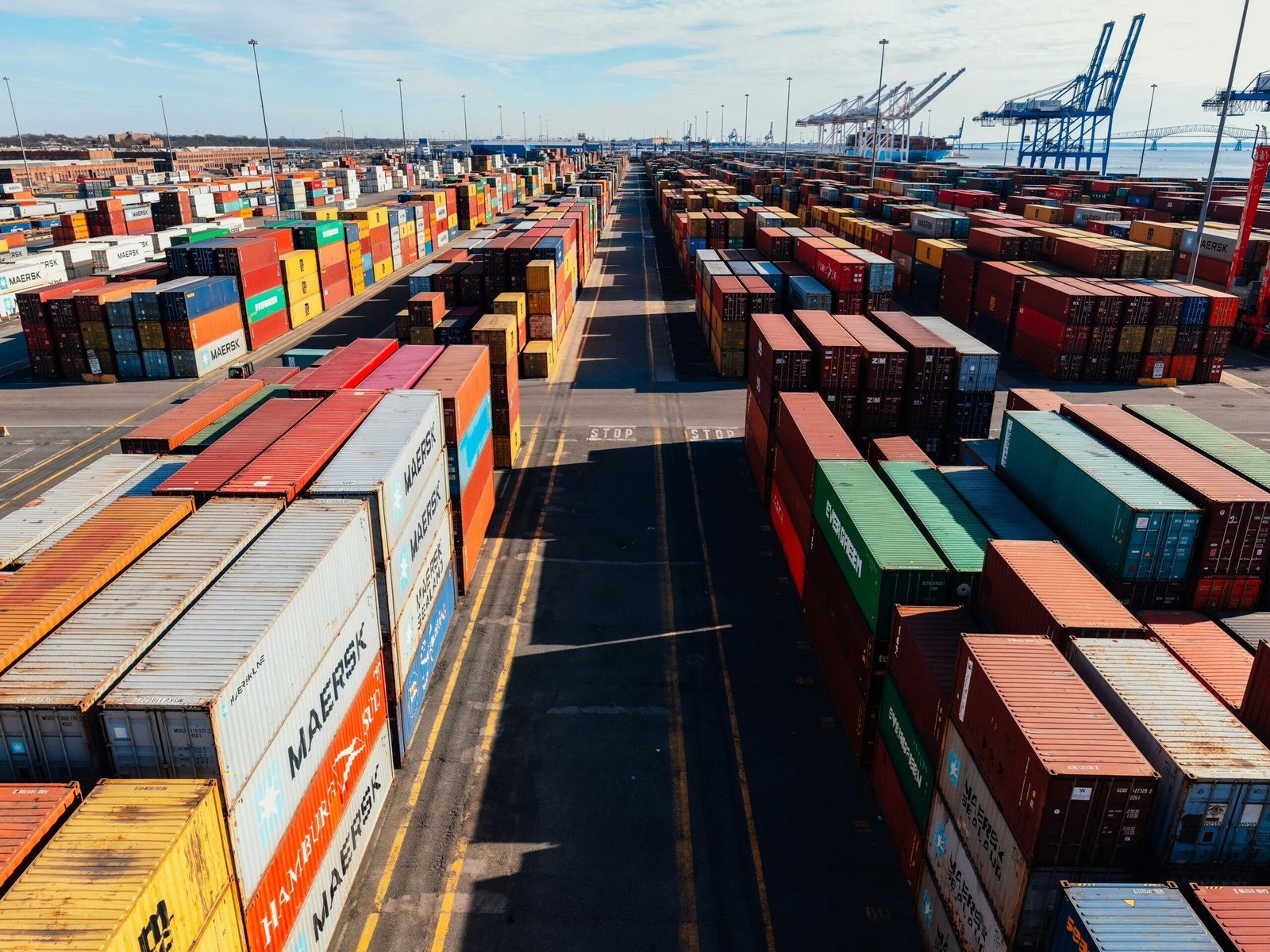
5. Avoid Demurrage and Storage Charges
Delays at the port incur extra costs.
- Tip: Submit all documents on time and pay duties promptly.
- Example: A shipment was ready for pickup but documents weren’t submitted; 5 days of storage fees applied. Clearon Logistics ensures step-by-step guidance so shipments leave the port within free days.
6. Choose the Right Clearing Agent
Many importers overpay because they work with agents who charge flat CBM or weight-based rates without accounting for actual duty, taxes, or permits.
Clearon Logistics offers:
- Transparent, itemized cost breakdowns
- Step-by-step payment guidance
- Accurate clearance planning
This ensures predictable total landing costs, saving clients money and avoiding surprises.
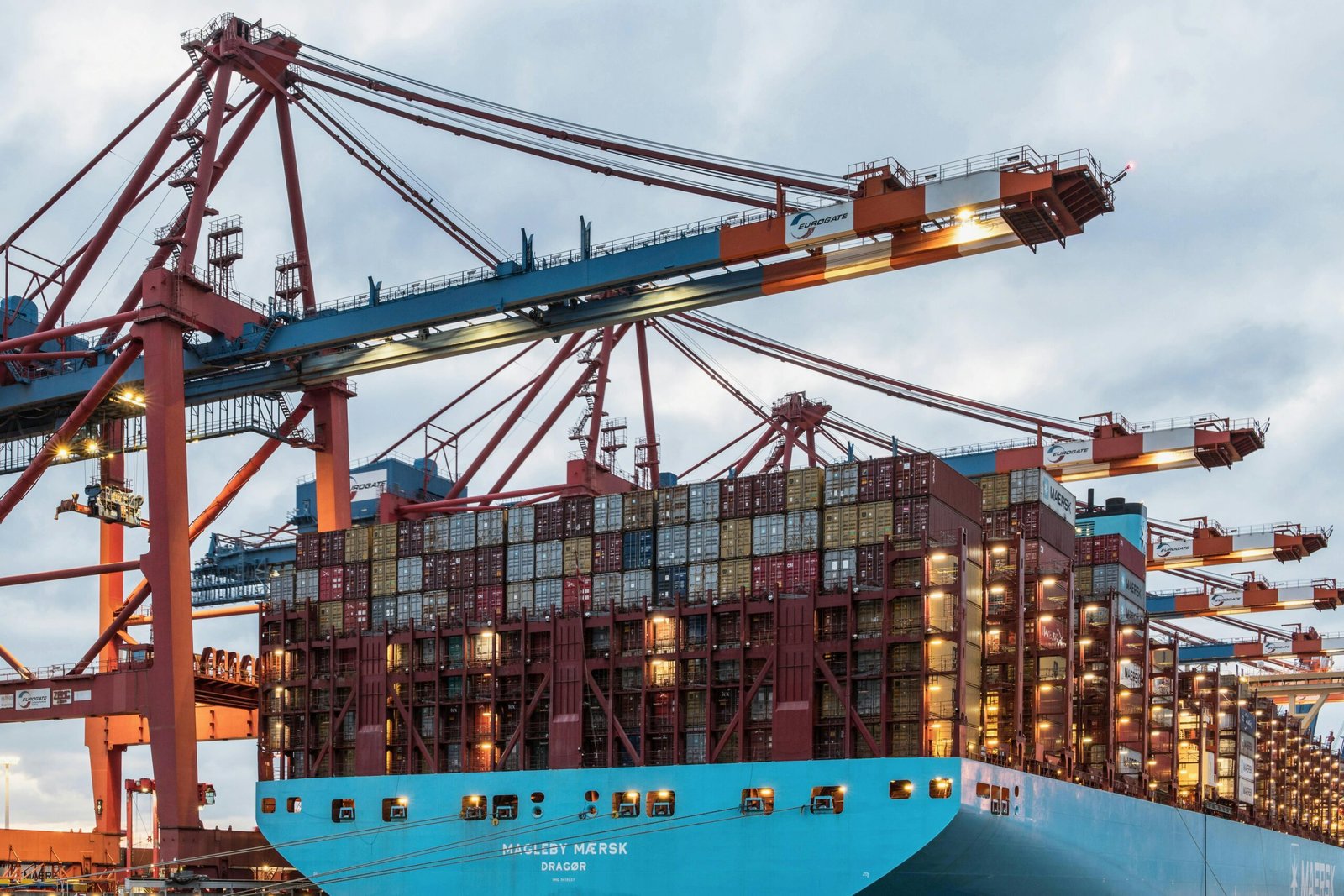
7. Negotiate Port and Handling Charges
- Some port and clearing fees are negotiable depending on the volume and frequency of shipments.
- Regular clients often enjoy discounted rates and priority service.
Clearon Logistics leverages experience and relationships with shipping lines and KPA to reduce handling costs where possible.
8. Consolidate and Plan Shipments
- Avoid sending multiple small shipments when one larger shipment is feasible.
- Consolidation reduces:
- Freight cost
- Documentation fees
- Clearing fees
Example:
Two clients importing similar goods monthly were advised to consolidate shipments. They reduced overall landing costs by 30% annually.
Final Thoughts
Reducing import costs in Kenya requires knowledge, planning, and the right partners. Avoiding overpayment on duty, unnecessary permits, demurrage, and hidden fees can significantly improve margins.
✅ With Clearon Logistics, importers get:
- Accurate duty and tax calculations
- Permit advisory and documentation review
- Step-by-step clearance guidance
- Reduced shipping, handling, and demurrage costs
Partner with professionals who walk with you step by step and save you money on every shipment.





Leave a Reply