
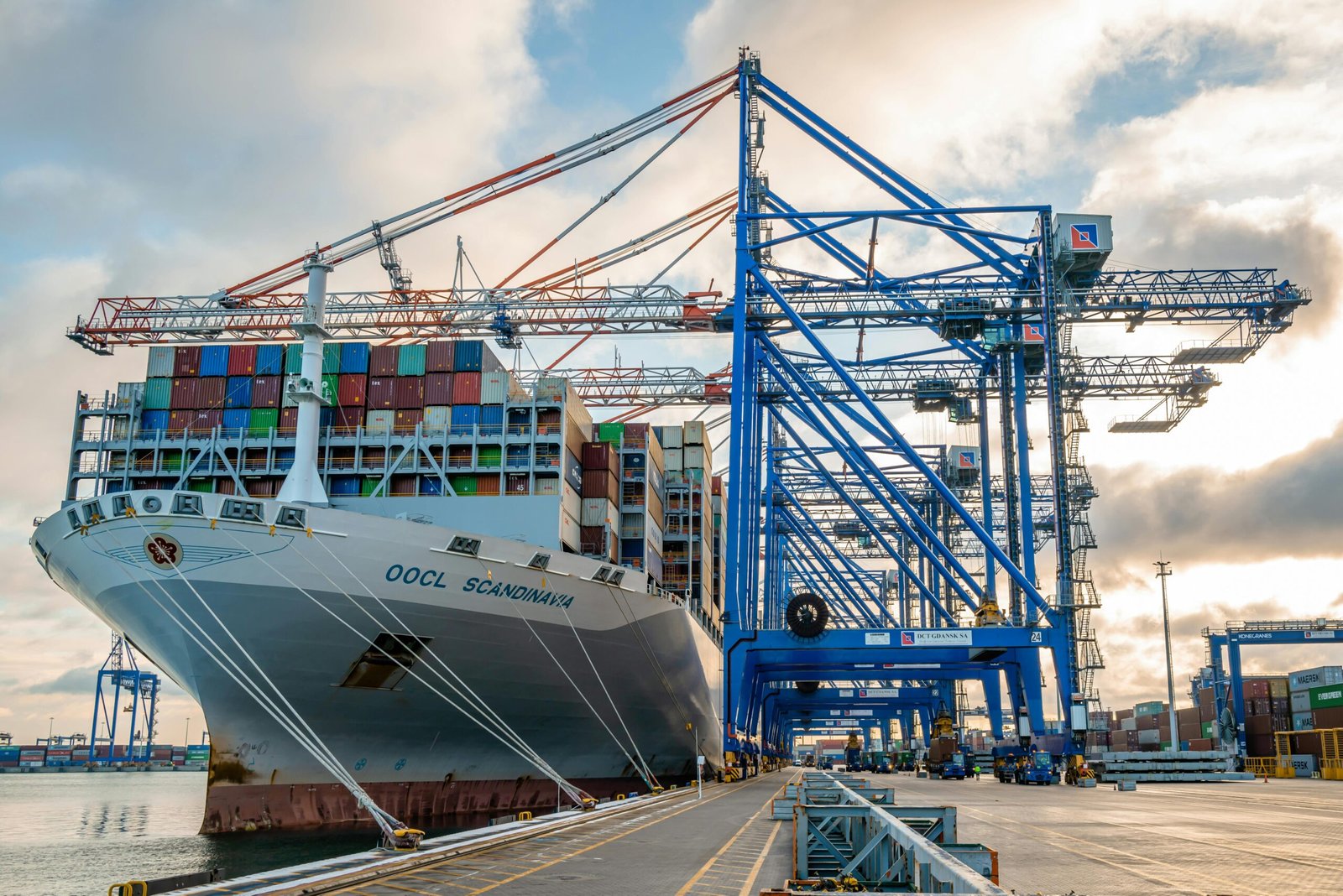
When importing goods into Kenya, one of the first decisions you must make is:
Should you ship LCL or FCL?
This choice directly affects your:
- Shipping cost
- Transit time
- Risk level
- Clearance process
- Overall profitability
In this detailed guide, we explain the difference between LCL (Less than Container Load) and FCL (Full Container Load) shipping to Kenya — and help you determine which is best for your business.
What Is LCL Shipping?
LCL (Less than Container Load) means your cargo shares a container with goods from other importers.
It is ideal when:
- Your shipment is small
- You cannot fill an entire container
- You want to reduce freight cost
Example:
You’re importing 3 cubic meters (CBM) of electronics from China. Instead of paying for a full 40ft container, you pay only for the space your cargo occupies.
What Is FCL Shipping?
FCL (Full Container Load) means you book the entire container exclusively for your goods.
It is ideal when:
- You have large volume cargo
- You want faster handling
- You want reduced cargo handling risk
Example:
A trader importing 800 cartons of household goods books a 40ft container dedicated to their shipment.
Key Differences Between LCL and FCL Shipping
| Factor | LCL | FCL |
|---|---|---|
| Cost | Pay per CBM | Pay per container |
| Best For | Small shipments | Bulk shipments |
| Handling | More handling (shared cargo) | Minimal handling |
| Risk of Damage | Slightly higher | Lower |
| Clearance Process | Consolidated cargo | Single importer cargo |
| Transit Speed | slower | Slightly faster |
When Should You Choose LCL Shipping to Kenya?
Choose LCL if:
✔ Your cargo is below 15–20 CBM
✔ You’re testing new products
✔ You want lower upfront shipping cost
✔ You import small quantities frequently
LCL allows businesses to scale gradually without heavy capital commitment.
When Should You Choose FCL Shipping to Kenya?
Choose FCL if:
✔ Your cargo exceeds 20 CBM
✔ You want reduced handling risk
✔ You need predictable delivery timing
✔ You import in bulk for resale
FCL often becomes more cost-effective per unit when volume increases.
Cost Comparison Example
Assume:
- LCL cost per CBM: KES 65,000
- Your cargo: 10 CBM
Total LCL freight = KES 650,000
Now compare:
- 20ft container (FCL): KES 1,500,000 and covers 33 CBM
- This translates to KES 45,454 per CBM
If your cargo fills 70–80% of a container, FCL becomes more economical per unit.
Strategic volume planning is key.
Customs Clearance: Is There a Difference?
From a tax perspective:
- Import duty
- VAT (16%)
- IDF (2.5%)
- RDL (2%)
Apply the same way whether LCL or FCL.
However:
- LCL may require deconsolidation at the warehouse
- FCL may involve container deposit and return process
Understanding these operational differences prevents unexpected costs.
Risks to Consider
LCL Risks:
- Cargo mixing
- Slightly longer unpacking timelines
- Potential handling delays
FCL Risks:
- Higher upfront freight payment
- Need to return container on time to avoid penalties
Both options are safe when properly managed.
How to Choose the Right Option for Your Business
The decision depends on:
- Shipment volume
- Frequency of imports
- Capital availability
- Storage capacity
- Risk tolerance
Small traders often start with LCL. Growing distributors usually transition to FCL to maximize margins.
Strategic Import Planning Matters
Choosing between LCL and FCL is not just about freight — it affects:
- Total landed cost
- Cash flow
- Inventory management
- Profit margins
A structured cost breakdown before shipping ensures the right decision.
Clearon Logistics assists importers by:
- Comparing LCL vs FCL cost projections
- Calculating full landed costs
- Advising based on shipment volume
- Coordinating smooth clearance and delivery
The goal is simple: choose the option that protects your profitability.
Final Thoughts
There is no “one-size-fits-all” answer to LCL vs FCL shipping to Kenya.
- Small shipment? → LCL
- Large volume? → FCL
- Unsure? → Run the numbers first
The smartest importers calculate before they commit.
If you’re planning a shipment, getting a comparative cost estimate helps you choose confidently. We are here to assist you in your importation journey!

Leave a Reply