
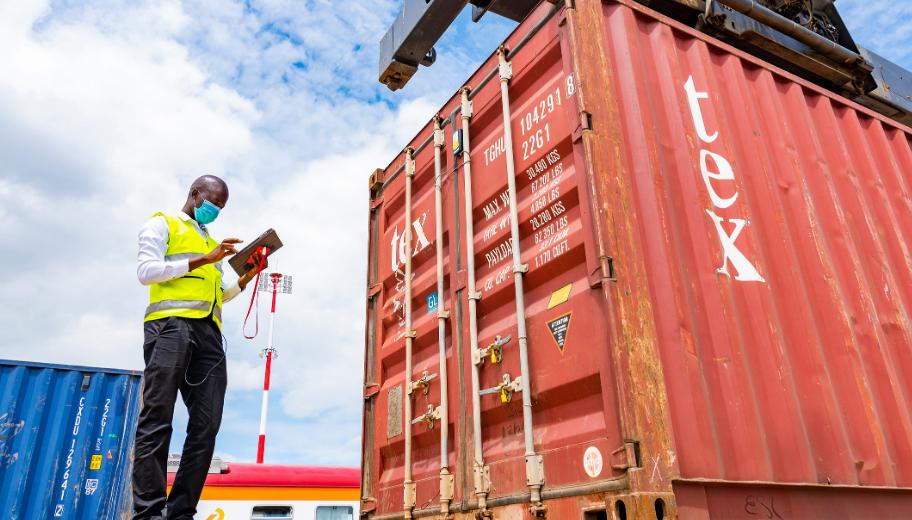
Importing goods into Kenya can be highly profitable, but understanding which items are prohibited is crucial. Attempting to bring in restricted products can result in confiscation, fines, or legal penalties, and cause costly delays.
At Clearon Logistics, we help importers navigate these regulations, ensuring shipments are compliant and cleared efficiently.
1. Why Knowing Prohibited Goods Matters
Customs authorities in Kenya maintain a strict list of prohibited imports to protect public safety, health, and national security. Ignorance of the rules is not accepted — shipments containing banned goods can be:
- Seized or confiscated
- Destroyed at the importer’s cost
- Subject to hefty fines or legal action
Example: A shipment of counterfeit pharmaceuticals could be destroyed, leading to financial losses and reputational damage for a business.
2. Common Categories of Prohibited Goods
Kenya Revenue Authority (KRA) prohibits imports in the following categories:
a) Explosives and Hazardous Materials
- Firearms, ammunition, explosives, fireworks
- Toxic chemicals or substances that pose public health risks
Reason: Safety and national security concerns
b) Counterfeit and Pirated Goods
- Fake branded clothing, electronics, accessories
- Pirated CDs, DVDs, and software
Reason: Protects intellectual property and ensures fair trade
Example: Importers attempting to ship fake mobile phones may have goods seized and face legal action.
c) Narcotics and Drugs
- Illegal drugs including cannabis, cocaine, and heroin
- Unregulated prescription medications without approval
Reason: Public health and criminal law compliance
d) Certain Agricultural and Food Products
- Some live animals, meat, or produce without quarantine permits
- Items that may introduce pests or diseases
Reason: Protects Kenya’s agriculture and environment
Example: Shipping unapproved exotic plants can lead to destruction at customs and a ban on future shipments.
e) Pornography and Offensive Materials
- Printed, digital, or visual material deemed obscene
- Sexually explicit content restricted by Kenyan law
Reason: Maintains public decency and legal compliance
f) Endangered Species and Products
- Ivory, skins, or parts of endangered animals
- Products listed under CITES (Convention on International Trade in Endangered Species)
Reason: Environmental conservation and international treaty compliance
3. How to Identify If Your Goods Are Restricted
- Check KRA’s official prohibited goods list regularly.
- Consult KEBS or other regulatory agencies if unsure.
- Work with a professional clearing agent, like Clearon Logistics, who pre-verifies your cargo for compliance.
Example: A shipment of medical equipment may require special permits. Without verification, customs may hold the cargo, delaying delivery and adding costs.
4. Tips to Avoid Importing Prohibited Goods
- Request guidance before shipping: Avoid guessing if a product is allowed.
- Verify HS codes and classification: Ensure your items match approved categories.
- Keep proper documentation: Some goods are only restricted if documentation is missing.
- Plan ahead for permits: For conditional goods, secure approval in advance.
5. How Clearon Logistics Helps
- Expert pre-shipment verification: Identify prohibited items before shipping.
- Compliance guidance: Step-by-step support for permits and documentation.
- Risk reduction: Avoid costly seizures, delays, or fines.
- Peace of mind: Ship confidently, knowing your cargo is fully compliant.
Conclusion
Importing into Kenya requires awareness of prohibited goods to avoid financial loss, legal issues, and shipment delays. Understanding the regulations and seeking professional guidance ensures your business runs smoothly.
Clearon Logistics provides expert support to verify, clear, and deliver your shipments safely, making your import experience predictable, efficient, and compliant.




Leave a Reply