
Introduction
Choosing between air freight and sea freight in Kenya is one of the most important logistics decisions for importers and exporters. The wrong choice can lead to higher costs, unnecessary delays, or damaged cargo, while the right option can significantly improve efficiency and profitability.
In this article, we break down the key differences between air freight and sea freight, explain when to use each option, and help you decide which shipping method best suits your cargo needs in Kenya.
Understanding Freight Options in Kenya
Kenya serves as a major logistics hub in East Africa, with access to:
- International airports for air cargo i.e Jomo Kenyatta International Airport (JKIA)
- Seaports for ocean freight i.e The port of Mombasa
- Inland transport networks for distribution
Both air freight and sea freight play vital roles—but they are designed for very different shipping priorities.
What Is Air Freight?
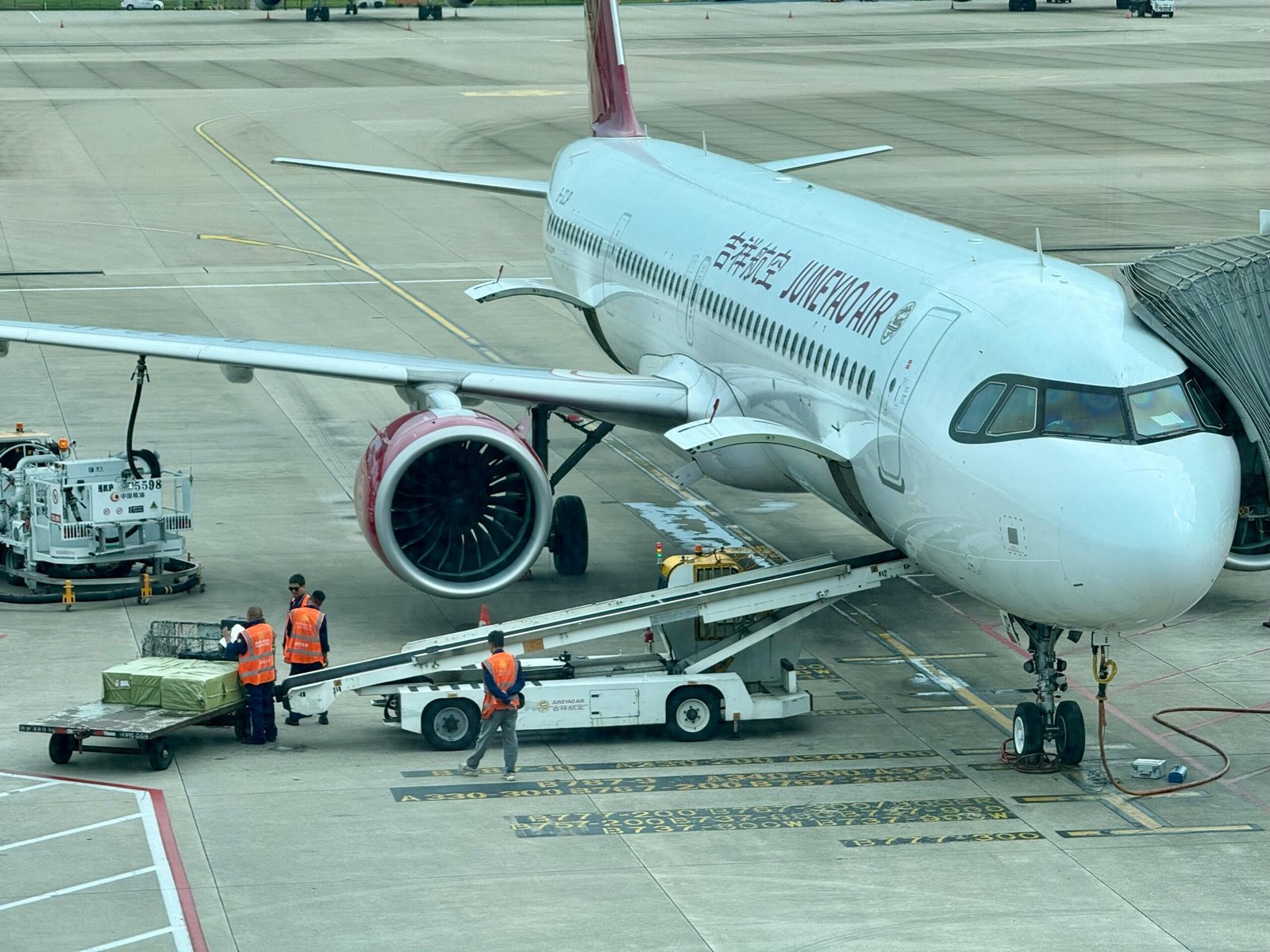
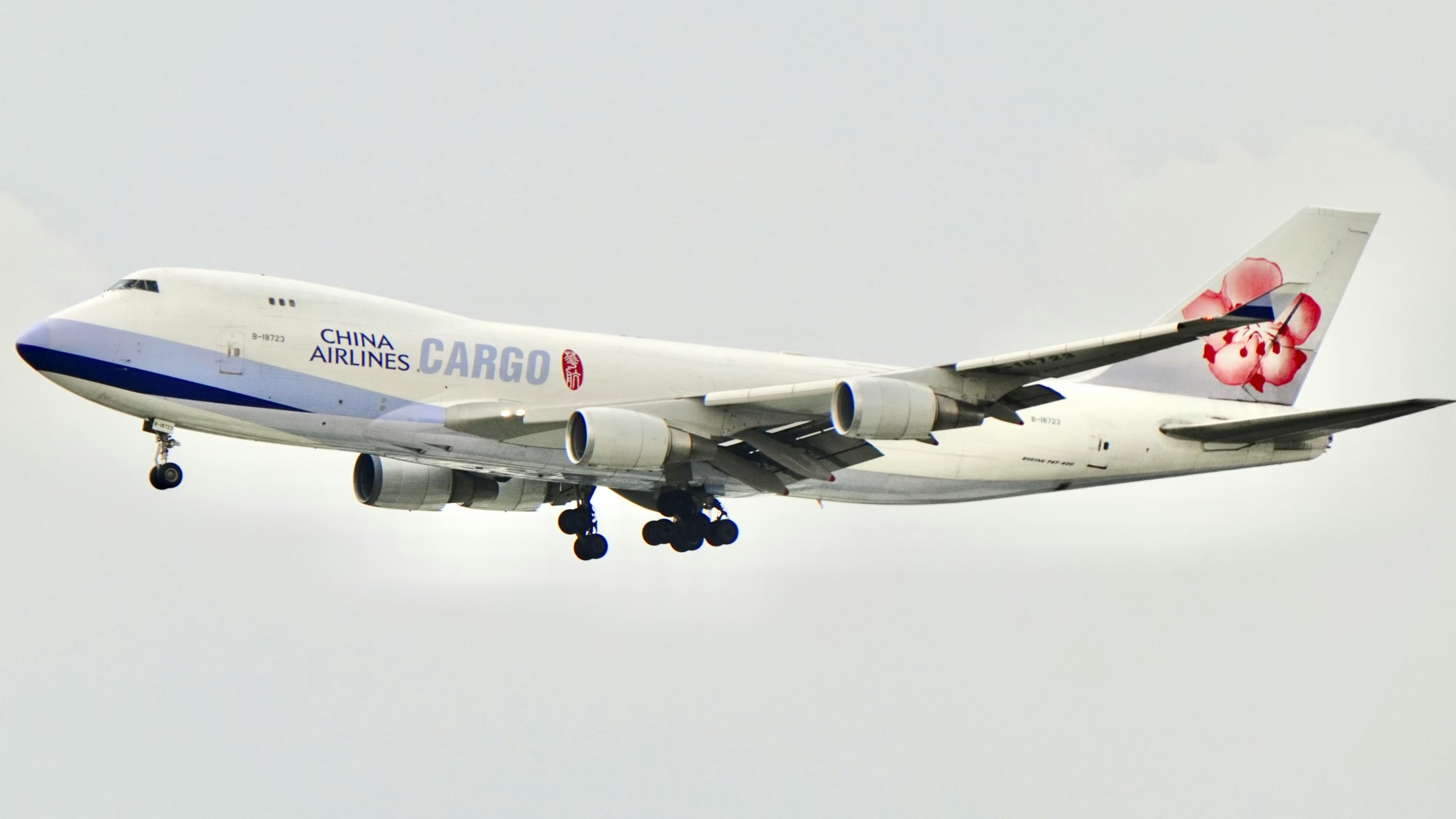
Air freight involves transporting cargo by aircraft. It is commonly used for time-sensitive, high-value, or lightweight shipments.
Advantages of Air Freight
- Fast delivery times
- High reliability and scheduling accuracy
- Reduced risk of damage or theft
- Ideal for urgent shipments
Limitations of Air Freight
- Higher shipping costs
- Weight and size restrictions
- Not cost-effective for bulk cargo
Air freight is best when speed is more important than cost.

What Is Sea Freight?
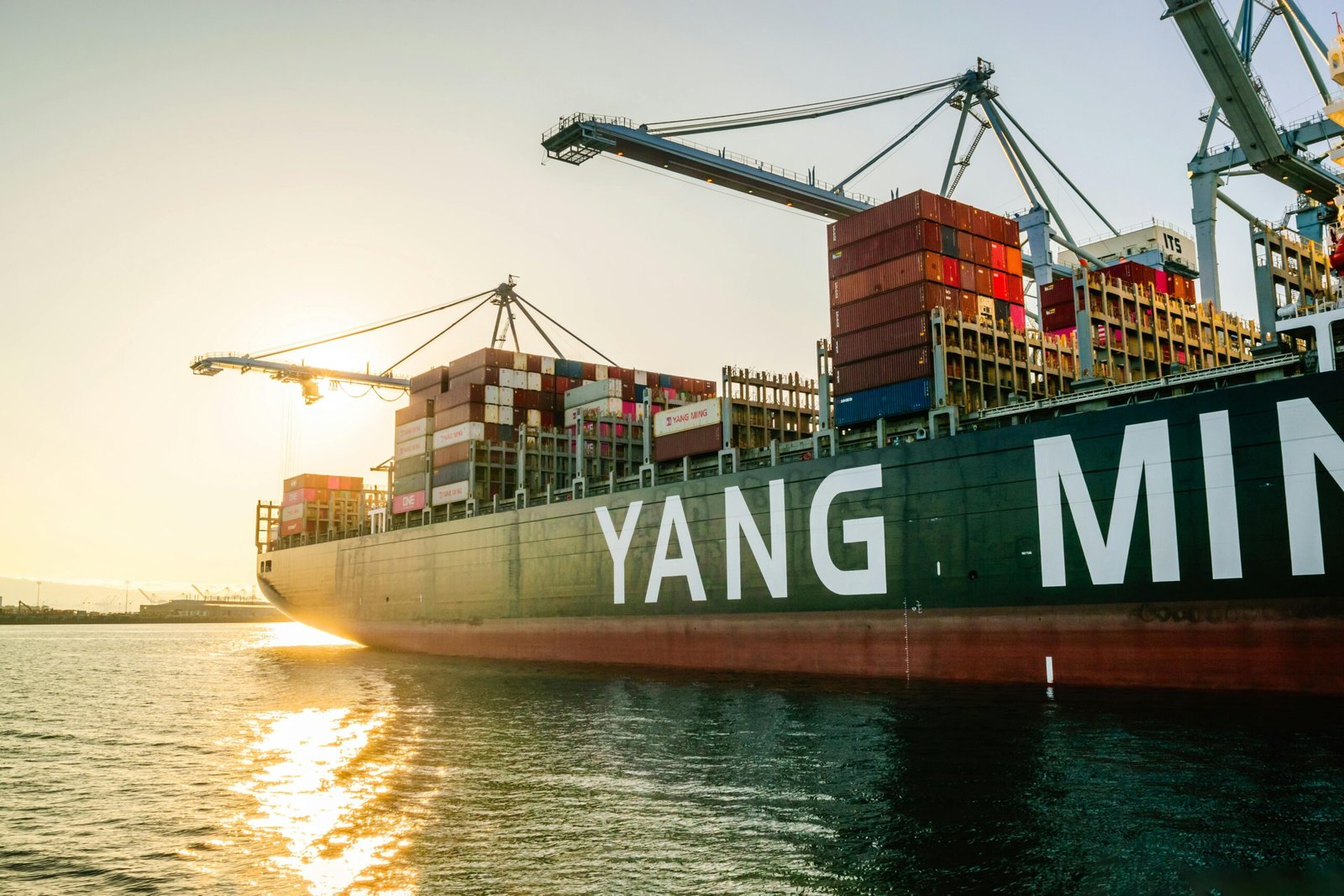
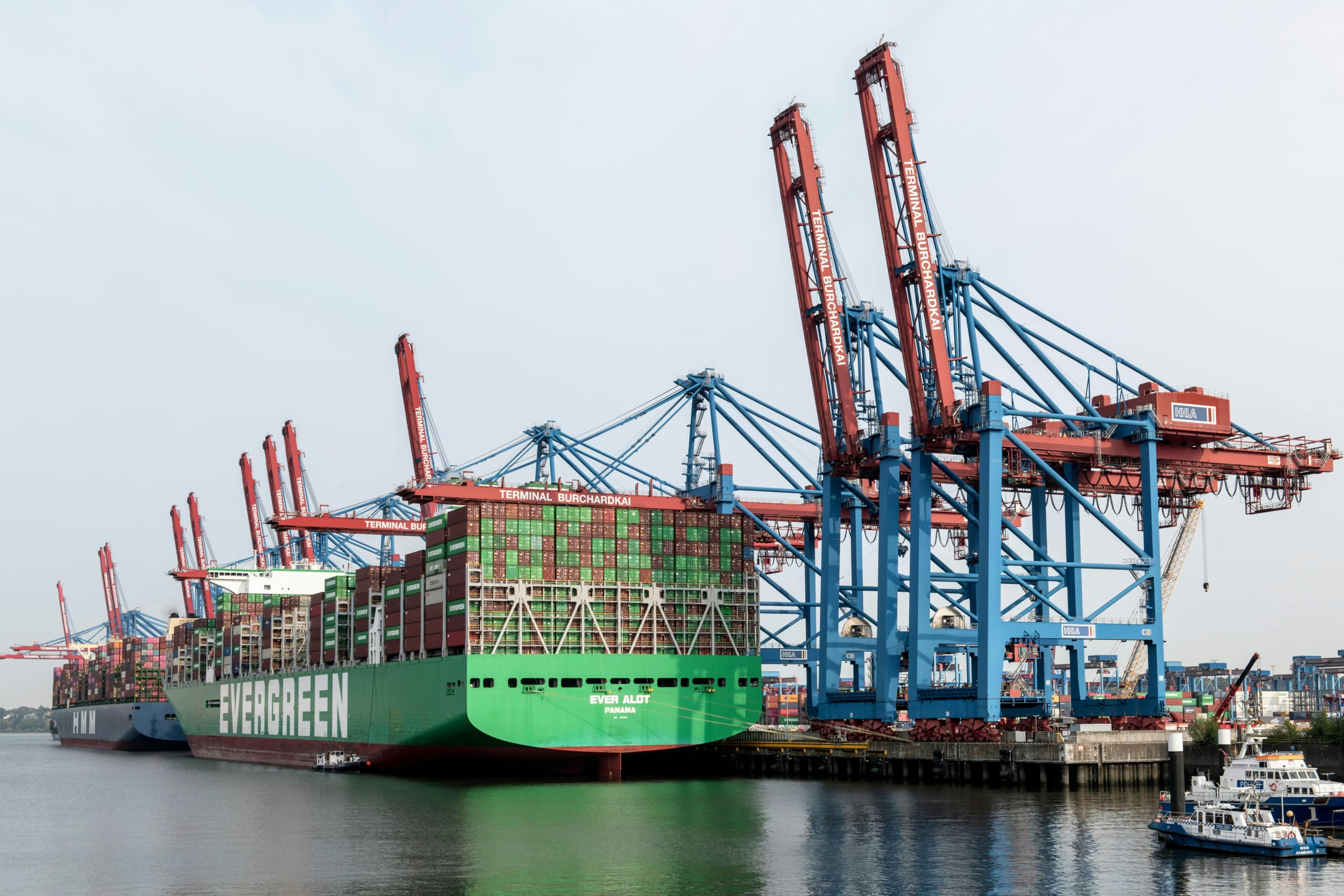
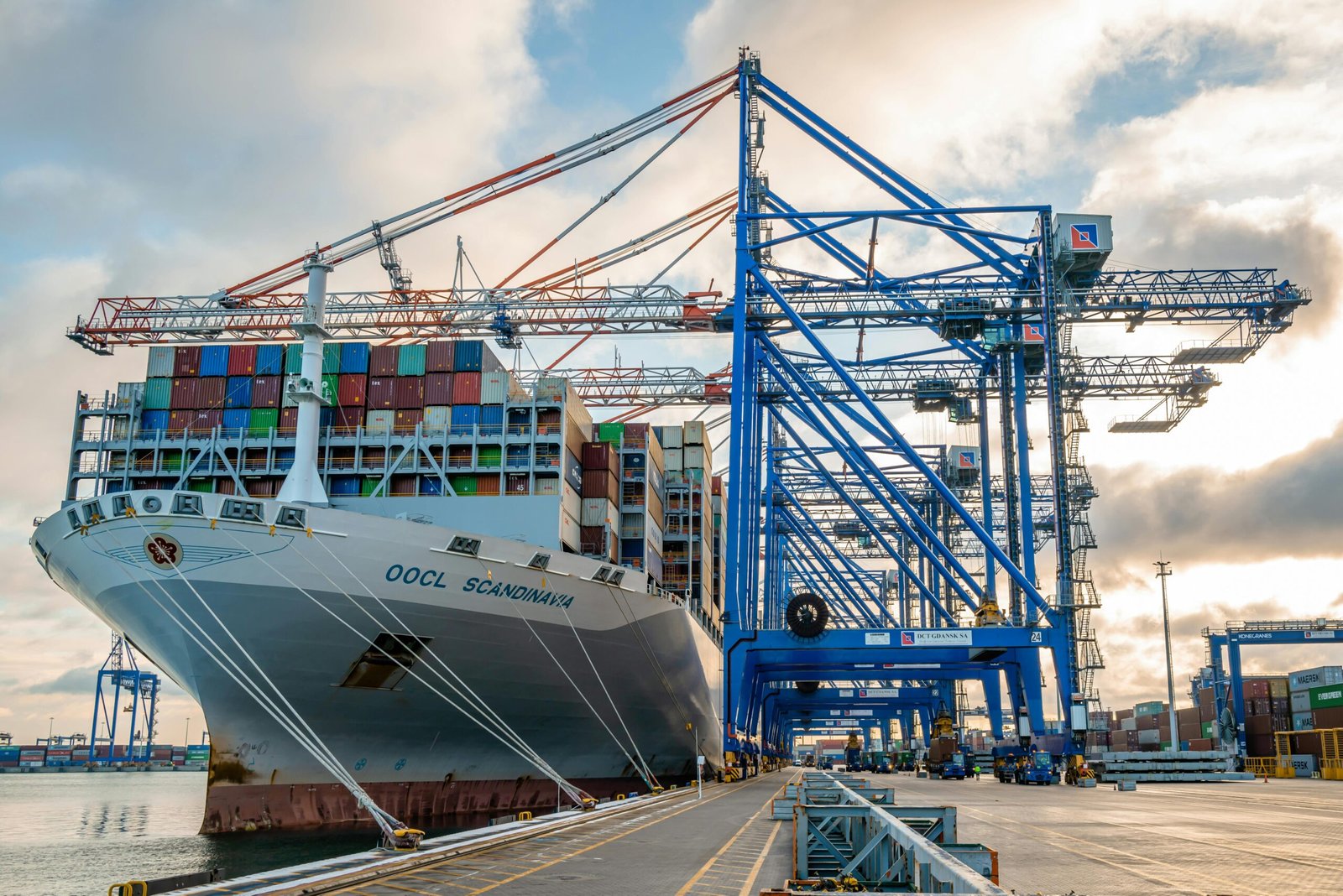
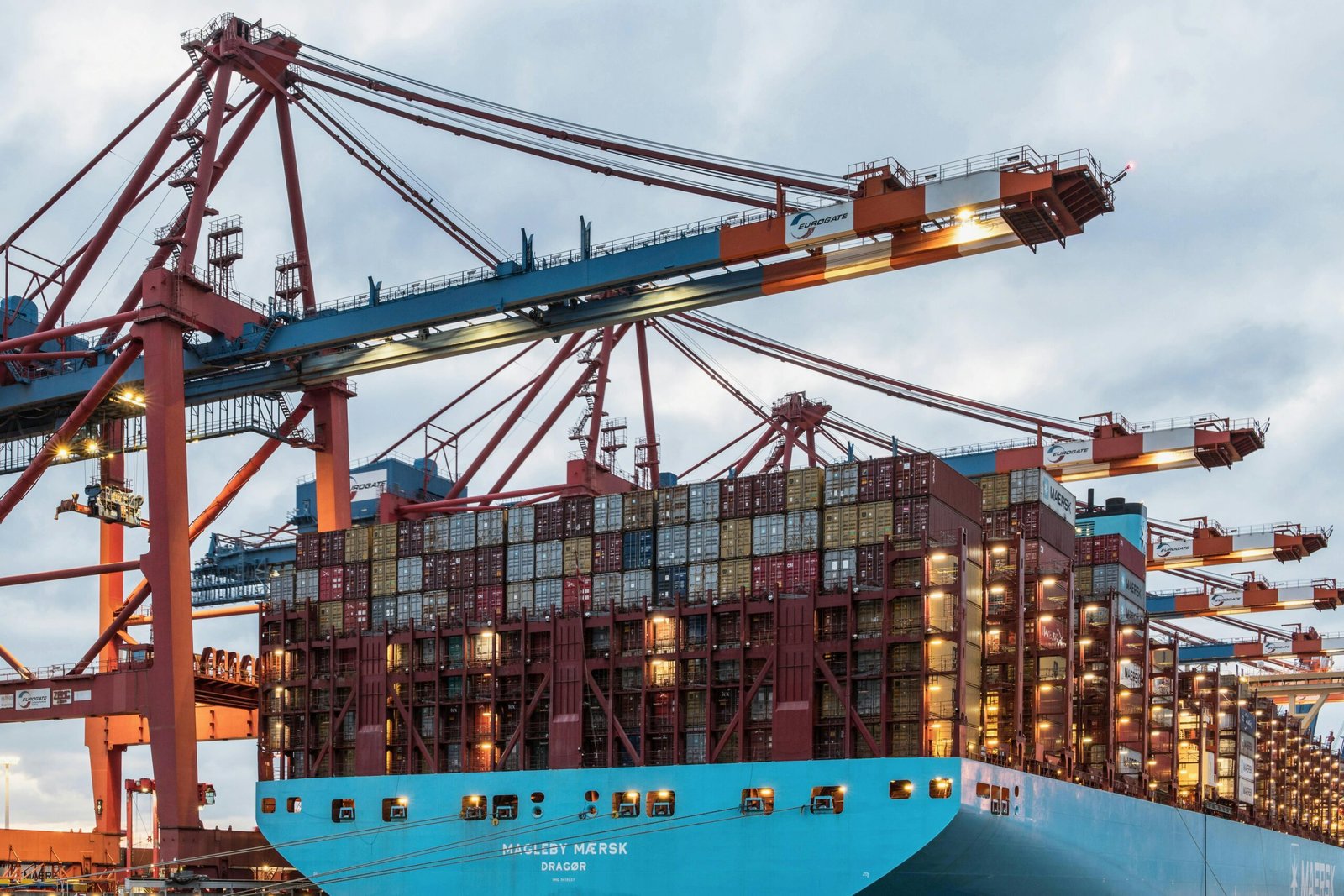
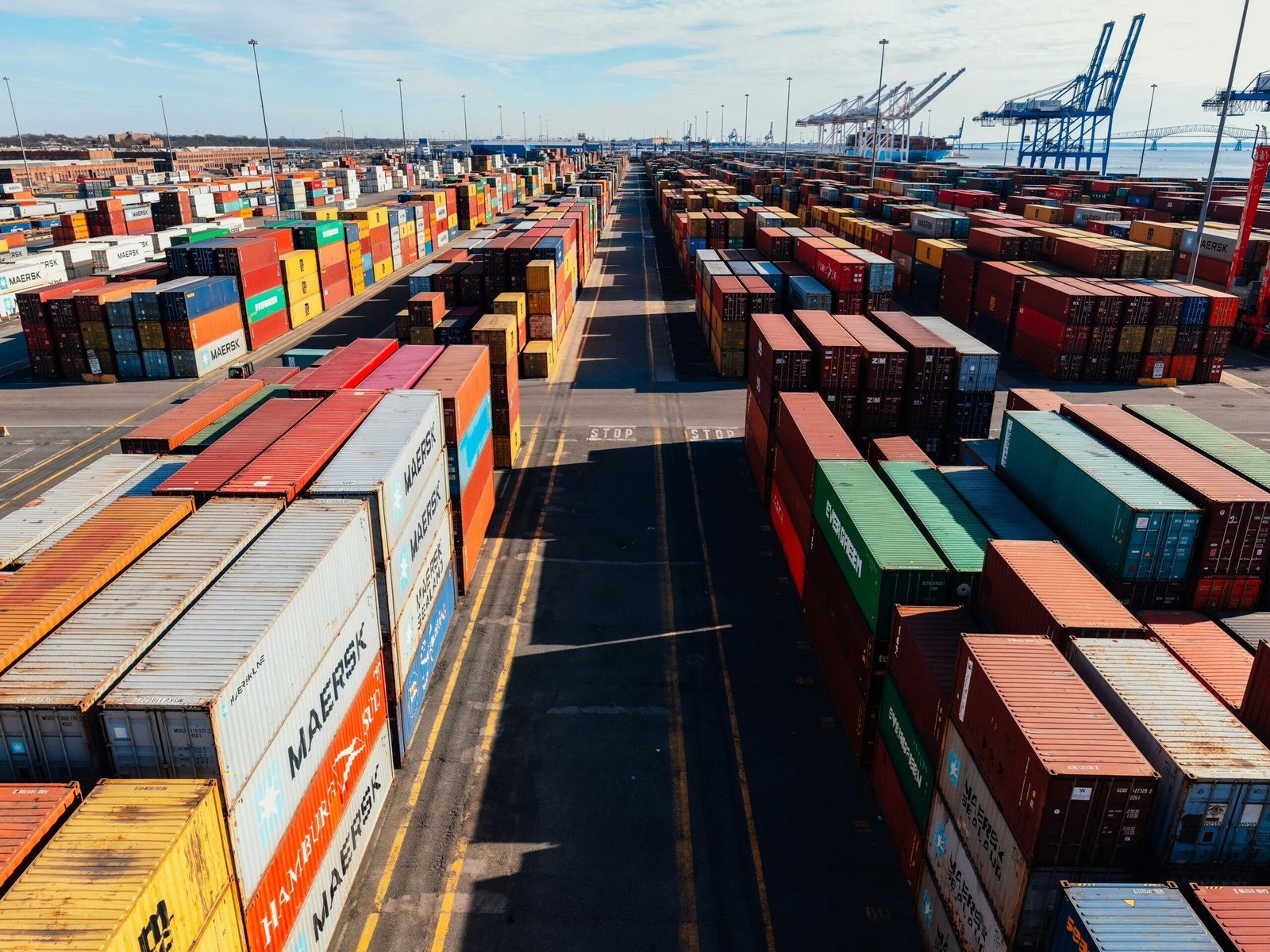
Sea freight involves transporting cargo by ship and is the most widely used shipping method for large and bulk cargo in Kenya.
Advantages of Sea Freight
- Cost-effective for large shipments
- Suitable for heavy and oversized cargo
- Flexible container options (FCL & LCL)
- Ideal for non-urgent goods
Limitations of Sea Freight
- Longer transit times
- Port congestion delays
- More complex documentation
Sea freight is best when cost efficiency outweighs speed.
Air Freight vs Sea Freight: Key Differences
| Factor | Air Freight | Sea Freight |
|---|---|---|
| Speed | Very fast | Slower |
| Cost | High | Lower |
| Cargo Type | Small, high-value | Bulk, heavy |
| Capacity | Limited | Large |
| Best For | Urgent shipments | Cost-saving logistics |
Understanding these differences helps businesses align shipping choices with operational goals.
Which Option Is Best for Your Cargo?
Choose Air Freight If:
- Your cargo is urgent or time-sensitive
- You are shipping perishable or high-value goods
- Delays could impact business operations
Choose Sea Freight If:
- You are shipping large or heavy cargo
- Cost control is a priority
- Delivery timelines are flexible
Many businesses in Kenya use a combination of both depending on shipment urgency and budget.
Common Mistakes When Choosing Freight Options
Some businesses make costly mistakes such as:
- Choosing air freight for non-urgent bulk cargo
- Underestimating sea freight transit times
- Ignoring customs clearance timelines
- Failing to plan for port congestion
Proper planning and professional guidance can prevent these issues.
How Clearon Logistics Helps You Choose the Right Freight Solution
At Clearon Logistics, we help clients select the most efficient and cost-effective freight option in Kenya based on:
- Cargo type and volume
- Delivery timelines
- Budget considerations
- Regulatory requirements
We manage the entire process—from freight booking to customs clearance and final delivery—ensuring smooth cargo movement.
Final Thoughts
There is no one-size-fits-all answer when choosing between air freight and sea freight. The right decision depends on speed, cost, cargo type, and business priorities.
By understanding the strengths and limitations of each option, businesses can make smarter logistics decisions and avoid unnecessary expenses.
Need Help Choosing the Right Freight Option?
📦 Clearon Logistics provides expert air freight and sea freight services in Kenya.
👉 Visit our Services page or Contact Us today for professional guidance.


Leave a Reply to Door-to-Door Shipping to Kenya Explained: Cost, Process, and What Importers Should Expect – CLEARON LOGISTICS Cancel reply