
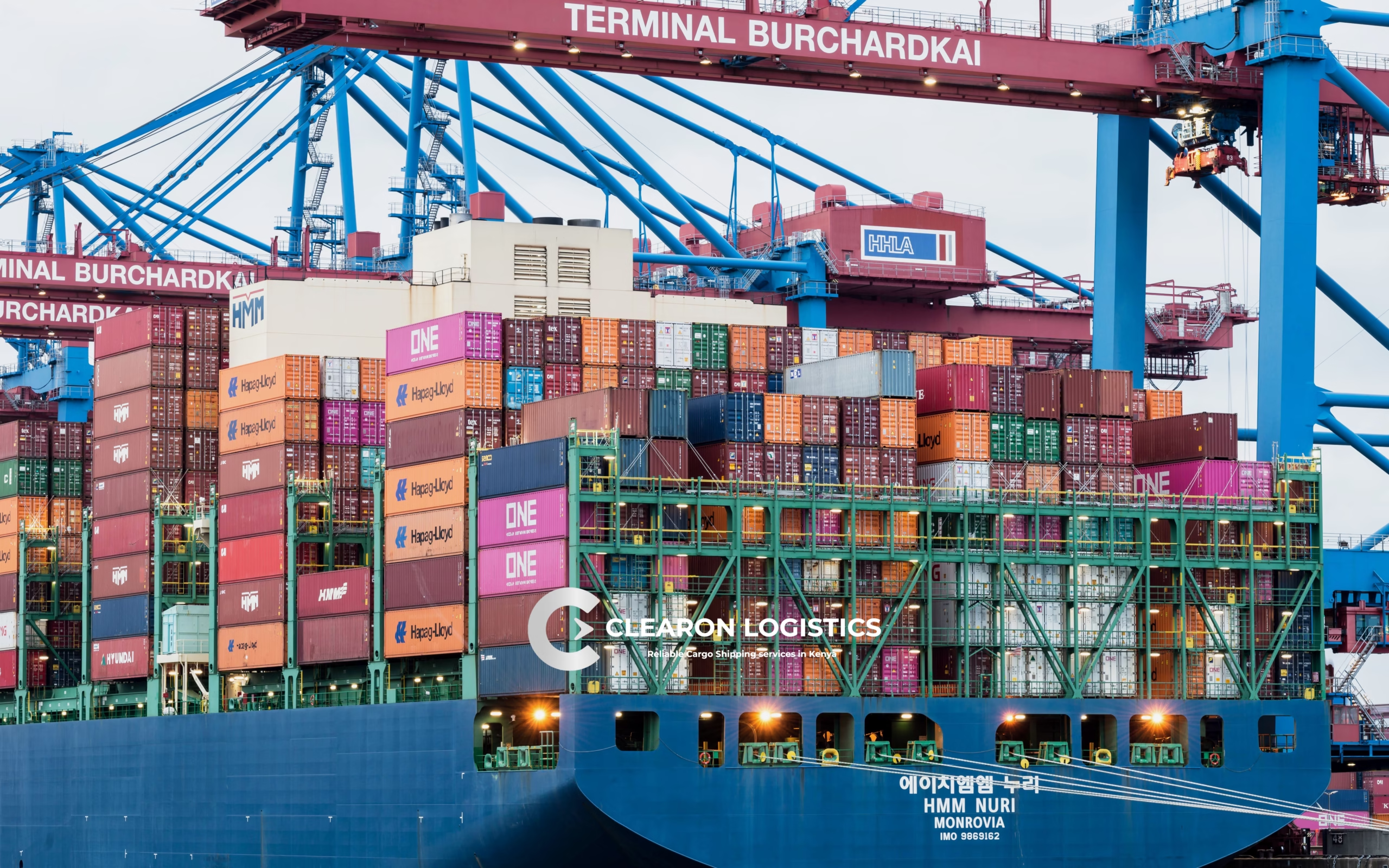
Few things are more stressful for an importer than receiving a notification that their cargo has been held by customs.
Whether you are importing goods for the first time or regularly bringing shipments into Kenya, a customs hold can disrupt operations, increase costs, and create uncertainty.
Many importers immediately assume something has gone seriously wrong. In reality, customs holds can occur for a variety of reasons, and not all of them indicate a major problem.
The key is understanding why cargo gets held, what steps need to be taken, and how to minimize the chances of future delays.
At Clearon Logistics, we regularly assist importers in navigating customs procedures and resolving issues that may arise during the clearance process. Understanding the most common causes of customs holds can help businesses prepare better and keep cargo moving efficiently.
What Does It Mean When Cargo Is Held by Customs?
When cargo is held by customs, it means the shipment cannot proceed to release until certain checks, verification, or requirements have been completed.
A customs hold is essentially a pause in the clearance process.
During this period, customs authorities may require:
- Additional documentation
- Cargo verification
- Product classification review
- Value assessment
- Regulatory compliance checks
Until the issue is resolved, cargo remains under customs control.
Why Customs Holds Matter
Even a short delay can create significant challenges for businesses.
Potential consequences include:
- Delivery delays
- Inventory shortages
- Missed sales opportunities
- Increased storage costs
- Demurrage charges
- Supply chain disruptions
For businesses that depend on imported inventory, prolonged delays can directly impact revenue and customer satisfaction.
Common Reasons Cargo Is Held by Customs in Kenya
Understanding why customs holds occur is the first step toward resolving them efficiently.
Documentation Discrepancies
One of the most common causes of customs delays is inconsistent or incomplete documentation.
Customs authorities rely heavily on documents to verify shipment details.
Common issues include:
- Missing invoices
- Incomplete packing lists
- Incorrect product descriptions
- Inconsistent shipment information
- Missing supporting certificates
Example
An invoice indicates 500 units while the packing list shows 450 units.
This discrepancy may trigger additional review before cargo can be released.
Incorrect HS Code Classification
Every imported product must be classified using the appropriate HS code.
Incorrect classification can affect:
- Duty calculations
- VAT assessments
- Regulatory requirements
When customs questions the declared classification, the shipment may be held pending clarification.
Customs Value Concerns
Customs authorities may review the declared value of imported goods.
If the declared value appears inconsistent with market expectations or supporting documents, additional verification may be required.
Example
An importer declares high-end electronics at an unusually low value.
Customs may request additional documentation such as a telegraphic transfer (TT), proof of money transfer from buyer to seller, to verify the declared amount.
Regulatory Compliance Requirements
Certain products are subject to specific regulatory controls.
Examples may include:
- Medical equipment i.e PPB
- Food products i.e KEPHIS
- Chemicals
- Telecommunications equipment i.e CAK
- Specialized machinery
Where additional approvals or certifications are required, KRA customs may hold the shipment until compliance requirements are satisfied.
Physical Inspection Requests
Some shipments are selected for physical inspection.
This may occur due to:
- Random selection
- Documentation concerns
- Risk assessments
- Product-specific requirements
Physical inspections are a normal part of customs operations and do not necessarily indicate wrongdoing.
What Should You Do If Your Cargo Is Held?
The most important thing is not to panic.
Many customs holds can be resolved relatively quickly when the correct information is provided.
Confirm the Reason for the Hold
The first step is determining why the shipment has been held.
Different causes require different solutions.
Understanding the exact issue allows appropriate corrective action to be taken.
Review All Documentation
Carefully review:
- Commercial invoices
- Packing lists
- Bills of lading
- Airway bills
- Product descriptions
- Supporting certificates
Even small inconsistencies can trigger customs queries.
Respond Quickly
Delays in responding often result in additional costs.
The faster documentation and clarifications are provided, the sooner the clearance process can continue.
Work With an Experienced Clearing Agent
Many customs issues are easier to resolve when handled by professionals familiar with customs procedures.
Experienced logistics providers understand:
- Documentation requirements
- Classification issues
- Clearance procedures
- Communication processes
This can help reduce resolution time.
How Long Can a Customs Hold Last?
The duration depends on the nature of the issue.
Minor Documentation Issues
Simple discrepancies may be resolved within a relatively short period once corrected documents are submitted.
Classification Reviews
Product classification issues may require additional assessment and therefore take longer.
Regulatory Compliance Issues
Where external approvals are required, timelines may vary depending on the specific regulatory process.
Physical Inspections
Inspection schedules and outcomes can influence release timelines.
Because every shipment is different, there is no universal timeframe.
The Financial Impact of Customs Delays
Many importers underestimate how expensive customs delays can become.
Storage Charges
Cargo held for extended periods may incur storage fees.
These costs can accumulate daily.
Demurrage & Detention Charges
Containerized cargo may attract demurrage and detention charges if containers are not returned within the allocated time frame.
Business Disruption
Delayed inventory can lead to:
- Stock shortages
- Delayed customer orders
- Reduced sales opportunities
Example
A retailer expecting inventory before a major sales period experiences a two-week customs delay.
The result may include lost sales opportunities and customer dissatisfaction.
How to Prevent Future Customs Holds
While not every customs hold can be prevented, many common issues can be avoided through proper planning.
Ensure Documentation Accuracy
Before shipping, verify that all documents are complete and consistent.
Key documents should accurately reflect:
- Product descriptions
- Quantities
- Values
- Shipment details
Use Accurate Product Descriptions
Avoid vague descriptions such as:
- General merchandise
- Electronics
- Accessories
Specific descriptions improve clarity and reduce the likelihood of customs queries.
Verify Product Classification
Proper HS code classification helps avoid:
- Duty disputes
- Tax assessment issues
- Clearance delays
Plan Ahead
Importers who prepare documentation and compliance requirements before cargo arrives generally experience smoother clearance processes.
Choose Experienced Logistics Support
A knowledgeable clearing and forwarding partner can help identify potential issues before they become costly problems.
How Clearon Logistics Helps Resolve Customs Issues
At Clearon Logistics, we understand the challenges importers face when cargo encounters clearance delays.
Our team supports clients through:
Documentation Review
Helping identify and correct potential issues before shipment arrival.
Customs Coordination
Supporting communication and procedural requirements during the clearance process.
Freight and Logistics Support
Providing integrated solutions that improve shipment visibility and coordination.
Cargo Release Assistance
Helping clients navigate customs procedures efficiently and move toward cargo release.
Why Businesses Trust Clearon Logistics
Businesses choose Clearon Logistics because we focus on proactive planning and efficient logistics coordination.
Our clients benefit from:
- Better shipment visibility
- Professional support
- Documentation guidance
- Customs clearance expertise
- Freight forwarding solutions
By addressing potential issues early, we help reduce delays and improve import efficiency.
Final Thoughts
Having cargo held by customs can be frustrating, but it does not necessarily mean something has gone seriously wrong.
Most customs holds are the result of documentation reviews, classification questions, value assessments, or compliance checks.
The key to resolving these situations efficiently is understanding the cause, responding quickly, and working with experienced logistics professionals.
Whether you are importing your first shipment or managing regular commercial cargo, proper preparation remains the best defense against costly customs delays.
At Clearon Logistics, we help importers navigate customs procedures with confidence through professional customs clearance support, freight forwarding expertise, and practical logistics solutions. Get in touch with us today!




Leave a Reply