
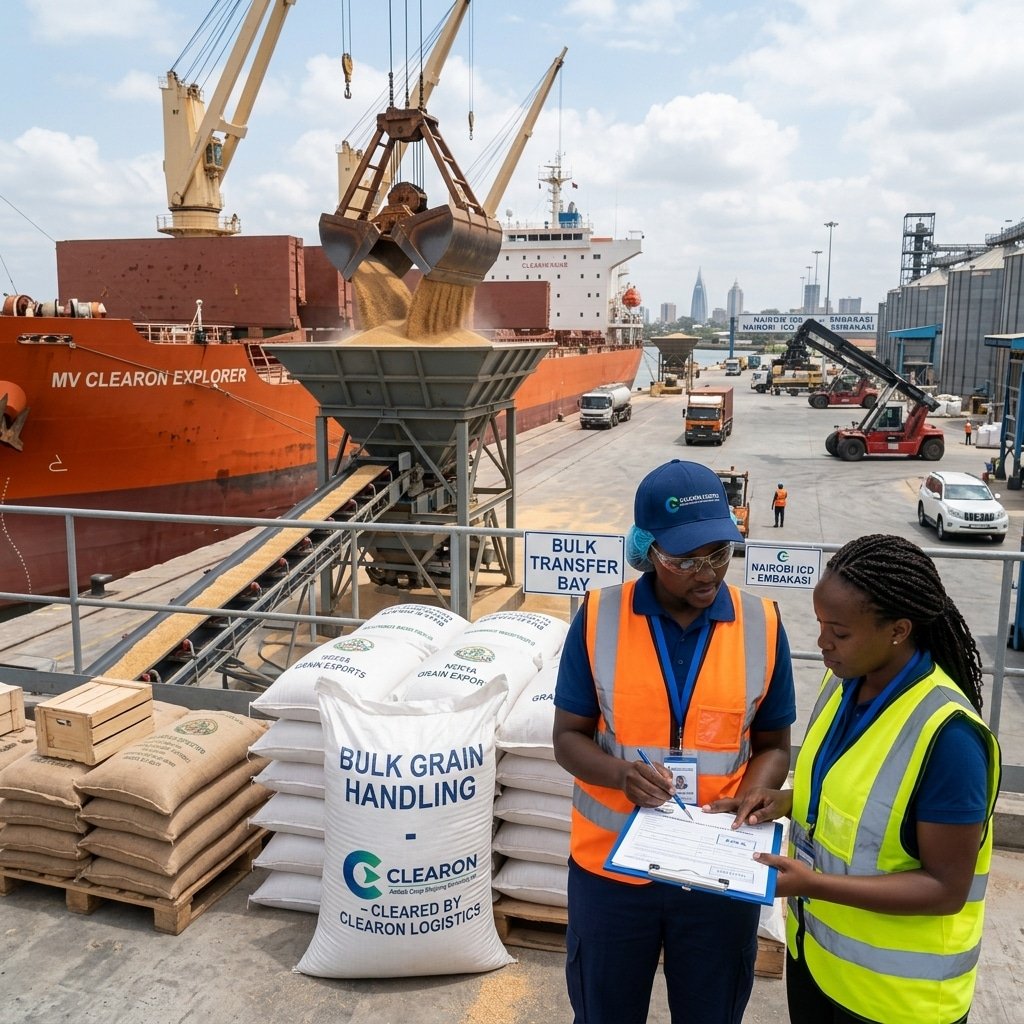
A clearing agent for bulk and breakbulk cargo in Kenya handles a genuinely different physical and logistical reality than standard containerised shipments — commodities like grain, cement, and fertiliser moved in bulk, or oversized, irregularly shaped cargo like machinery and construction equipment that simply doesn’t fit in a standard container. If your shipment falls into either category, here’s what to look for in an agent.
Table of Contents
Bulk vs Breakbulk: Two Different Things
Bulk cargo refers to homogeneous commodities loaded loose, without packaging — grain, cement, fertiliser, coal — typically handled through dedicated bulk terminal facilities rather than standard container operations. Breakbulk cargo refers to goods too large, heavy, or irregularly shaped for standard containers — machinery, vehicles, construction equipment, project cargo — handled as individual pieces, often requiring specialised lifting and loading equipment. Both differ meaningfully from standard containerised clearance, and both require an agent with genuine, specific experience in this kind of cargo.
Why This Cargo Needs Specific Port Handling Knowledge
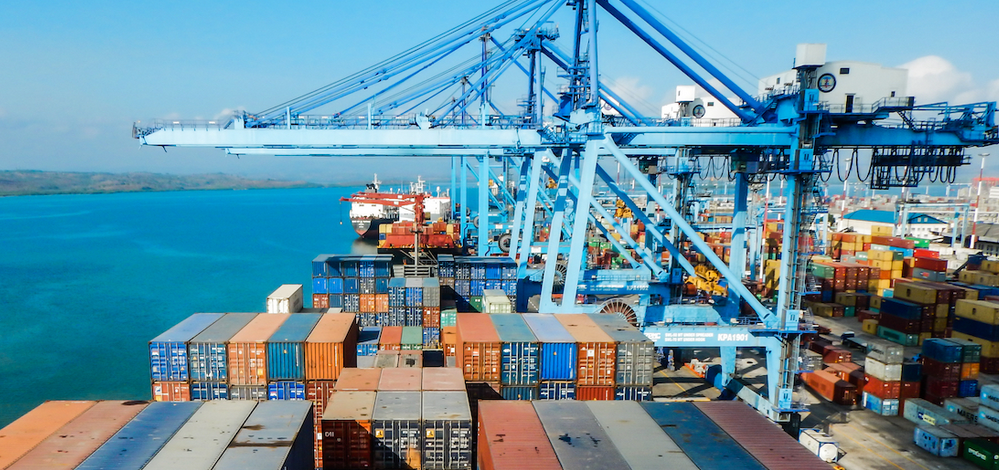
Unlike a standard container, bulk and breakbulk cargo often requires coordination with specialised port facilities, specific handling equipment, and sometimes dedicated berths — not every part of Mombasa Port handles this cargo type identically. An agent without direct experience in this category may not know which facilities and processes genuinely apply, leading to delays that a specialist would avoid entirely.
Bulk Commodities: Grain, Cement, and Fertiliser
If you’re importing grain, construction materials, or agricultural inputs in bulk, your clearing agent needs to coordinate not just customs clearance but the physical logistics of moving loose commodity cargo — often involving specific weighing, sampling, and quality verification processes distinct from standard container inspection. Given recent scrutiny on categories like cooking oil specifically around classification accuracy, bulk commodity importers should confirm their agent understands current inspection patterns for their specific commodity.
Breakbulk: Machinery, Equipment, and Oversized Cargo
For machinery and industrial equipment too large for standard containers, your agent needs genuine experience coordinating specialised lifting equipment at the port, understanding oversized cargo documentation requirements, and often arranging specialised inland transport — a flatbed or low-loader rather than a standard container truck — for final delivery. This is meaningfully different logistics planning than standard cargo, and worth confirming directly rather than assuming any experienced agent handles it the same way.
The Inland Transport Question
Bulk and breakbulk cargo often requires specialised inland transport arrangements that standard container trucking doesn’t — and this ties directly into axle load compliance considerations, given how heavy and irregularly distributed this cargo’s weight can be. A knowledgeable agent plans this transport leg as part of the overall clearance process, not as an afterthought once customs clearance is already complete.
Questions to Ask for Bulk or Breakbulk Cargo
- “What’s your direct experience with this specific commodity or equipment type?”
- “Which port facilities will my cargo actually move through, and are you familiar with their current processes?”
- “How will inland transport be arranged, given the cargo’s size or weight?”
- “What quality or weight verification processes apply to my specific bulk commodity?”
Working With Clearon Logistics for Bulk and Breakbulk Cargo
We handle bulk commodity and breakbulk machinery clearance, coordinating the specific port facilities, documentation, and inland transport arrangements this cargo category genuinely requires — not treating it as a standard container shipment with a few extra steps.
Importing bulk commodities or oversized machinery into Kenya? Talk to Clearon Logistics about handling your specific cargo type.
Frequently Asked Questions
What’s the difference between bulk and breakbulk cargo? Bulk cargo is homogeneous commodity goods loaded loose without packaging (grain, cement, fertiliser); breakbulk cargo is individual, often oversized pieces too large for standard containers (machinery, equipment, vehicles).
Does bulk or breakbulk cargo clear through the same port facilities as containers? Not always — this cargo often requires dedicated bulk terminals or specialised handling equipment, meaning an agent needs genuine familiarity with these specific facilities, not just standard container clearance experience.
Why does inland transport matter more for breakbulk cargo? Oversized or heavy equipment often requires specialised transport (flatbeds, low-loaders) rather than standard container trucks, and ties directly into axle load compliance given how this cargo’s weight is distributed.
Should I ask about an agent’s specific commodity experience before hiring them for bulk cargo? Yes — direct experience with your specific commodity type (grain versus cement versus fertiliser, for instance) affects how smoothly quality verification and port coordination go, more than general bulk cargo experience alone.
Further Reading
- Kenya Ports Authority — Bulk Cargo Handling (external, dofollow)
- Kenya National Highways Authority (KeNHA) (external, dofollow)
- Related on our blog: Weighbridges and Axle Load Limits Kenya: 4 Facts for Importers
- Related on our blog: Importing Machinery into Kenya: Manufacture Under Bond and Investment Incentives
- Our service: Clearing and Forwarding Services in Kenya
Leave a Reply