
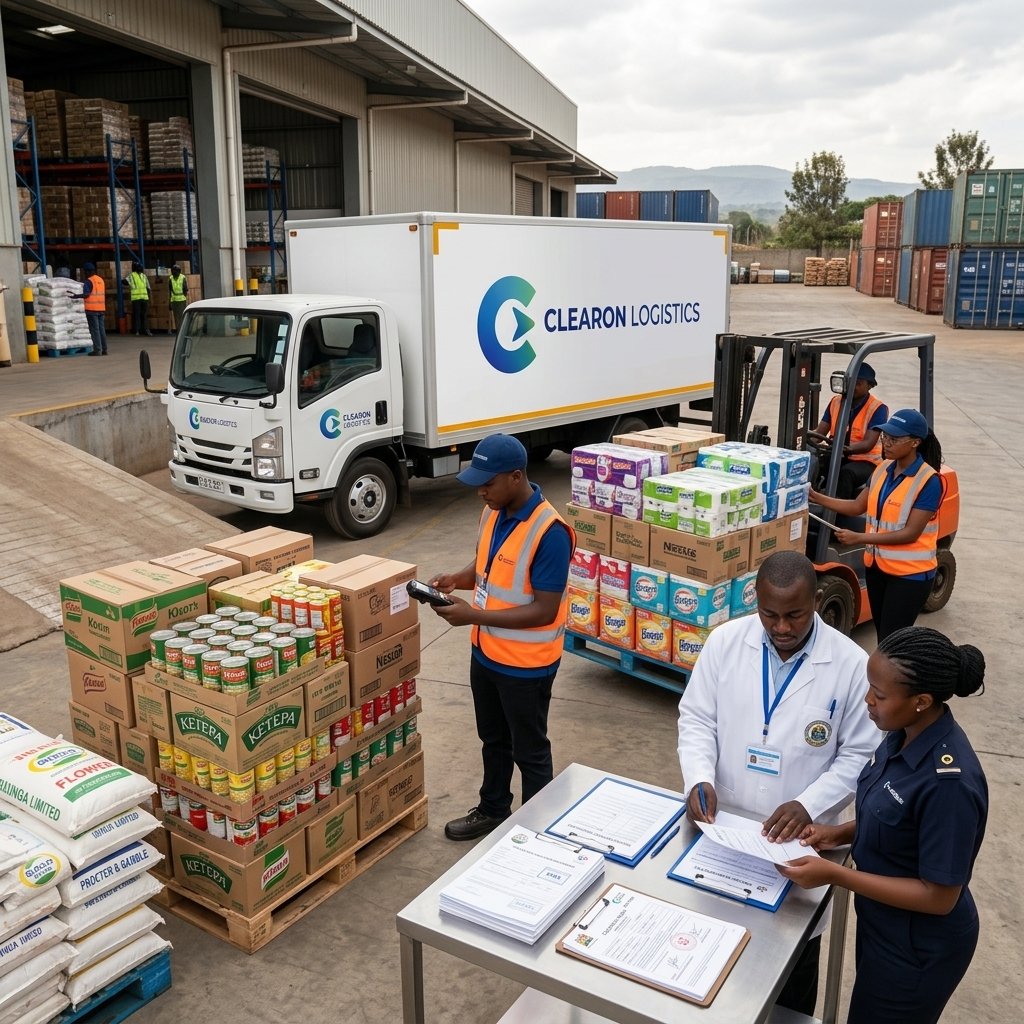
A clearing agent for FMCG distributors is dealing with the fastest-moving, shortest-shelf-life cargo in trade. Packaged food, beverages, household goods and personal care products turn over quickly, are sold by weight or volume, and are checked by several regulators at once. A distributor’s margin depends on stock that arrives compliant, in date and on schedule, so a missed rule isn’t a paperwork problem; it’s unsellable inventory.
Table of Contents
Why FMCG Is Unforgiving
Margins are thin and volumes are high, so a single non-compliant batch can erase a month’s profit. Food and beverage products can be reviewed by KEBS, KEPHIS, veterinary services, the Dairy Board, the Biosafety Authority and port health, depending on what they are; see our food and beverage import guide. Build a compliance map for each product line before you buy, not after the first container is held.
Shelf Life Is a Compliance Rule, Not Just a Quality Issue
Imported goods with limited shelf life must arrive with well over three-quarters of their shelf life remaining from the expected date of landing. A product that’s technically in date but was manufactured too long ago can still fail. Ask suppliers for production dates and calculate remaining shelf life against realistic transit and port times, including delays.
Labelling, Weights and Measures
Labels must carry required information such as ingredients, allergens, dates and country of origin, and net quantity must be declared accurately in metric units. Packaging that doesn’t comply can be blocked from import, as our weights and measures guide explains. For alcohol, health-warning space requirements are especially prescriptive. Review label artwork before production runs, not after shipment.
Excise Stamps and Category-Specific Rules
Some categories need excise stamps, including juices, energy drinks and soda in PET packaging, alongside alcohol and tobacco; bottled water was removed from the requirement in July 2026. Only licensed importers can obtain stamps, so licensing must come first; see our excise stamps guide. Also check GMO clearance under our GMO guide where grains and derivatives are involved.
Policy-Sensitive Staples
Sugar, rice, maize and cooking oil each move with active policy debates, from quota and waiver decisions to classification investigations. Check current conditions for each before committing to large orders, using our guides to sugar, rice, maize and cooking oil.
Your Warehouse Needs Its Own Licence
Premises that store and distribute food need public health licensing, and staff handling food need medical certificates. Customs clearance doesn’t cover this; see our food hygiene licensing guide. Make sure your distribution points are licensed before stock lands, not after.
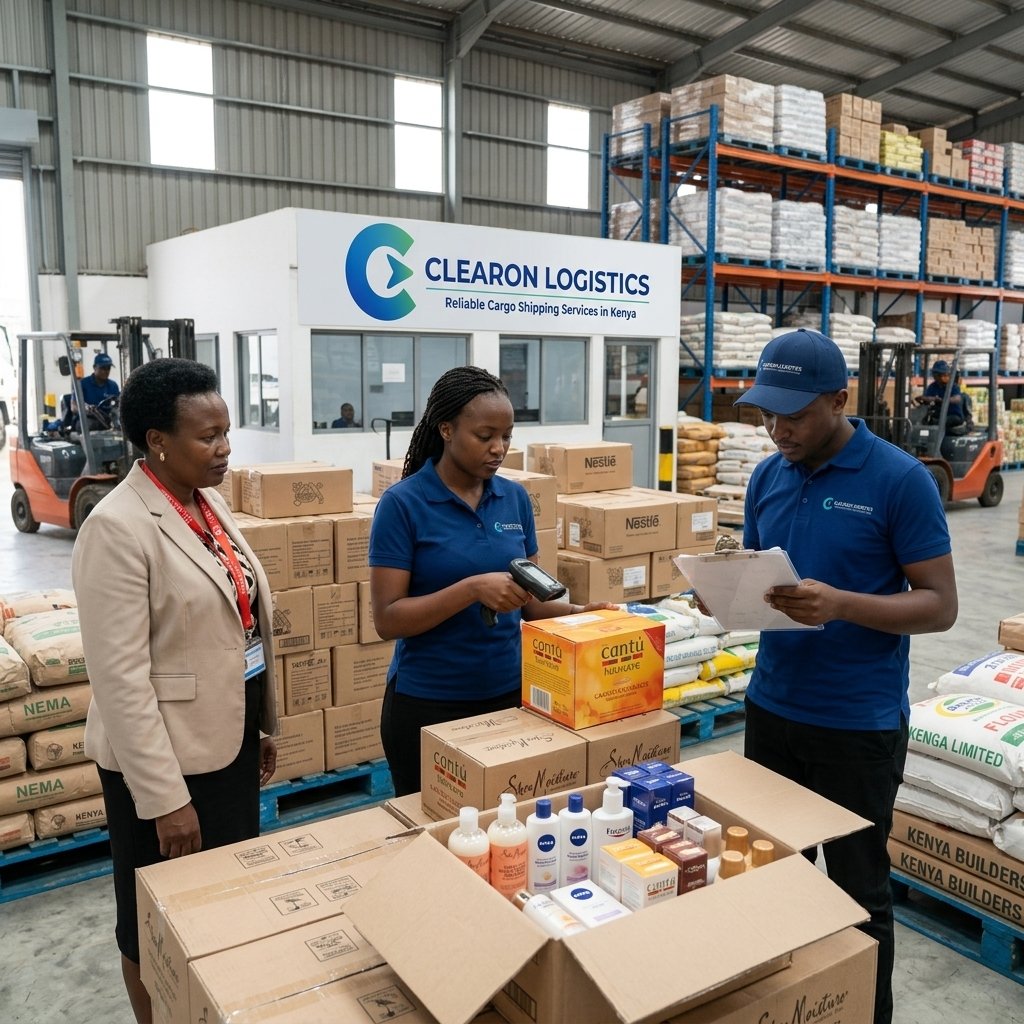
Working With Clearon Logistics for FMCG Importers
We build a product-by-product compliance map, check shelf-life maths before shipping, reconcile documents and itemise every cost, so your stock clears fast and sells on schedule.
Distributing imported food, beverages or household goods? Talk to Clearon Logistics before your next purchase order, and we’ll map the compliance route for each product line.
Frequently Asked Questions
What shelf life must imported food have on arrival? More than 75% of its shelf life should remain from the expected date of landing, so being in date alone is not enough.
Which beverages need excise stamps? Juices, energy drinks, soda in PET, alcohol and tobacco need stamps. Bottled water was removed from the requirement in July 2026.
Does my warehouse need a licence? Yes. Premises storing and distributing food need public health licensing, separate from import clearance.
Why check policy before ordering sugar, rice or maize? Because quotas, duty waivers and enforcement priorities for these staples have been changing, affecting landed cost.
Further Reading
- Kenya Bureau of Standards (KEBS) (external, dofollow)
- Kenya Plant Health Inspectorate Service (external, dofollow)
- Related on our blog: Importing Food and Beverage Products into Kenya
- Related on our blog: Excise Stamps Kenya
- Related on our blog: Food Hygiene Licensing Kenya
- Our service: Clearing and Forwarding Services in Kenya






Leave a Reply