
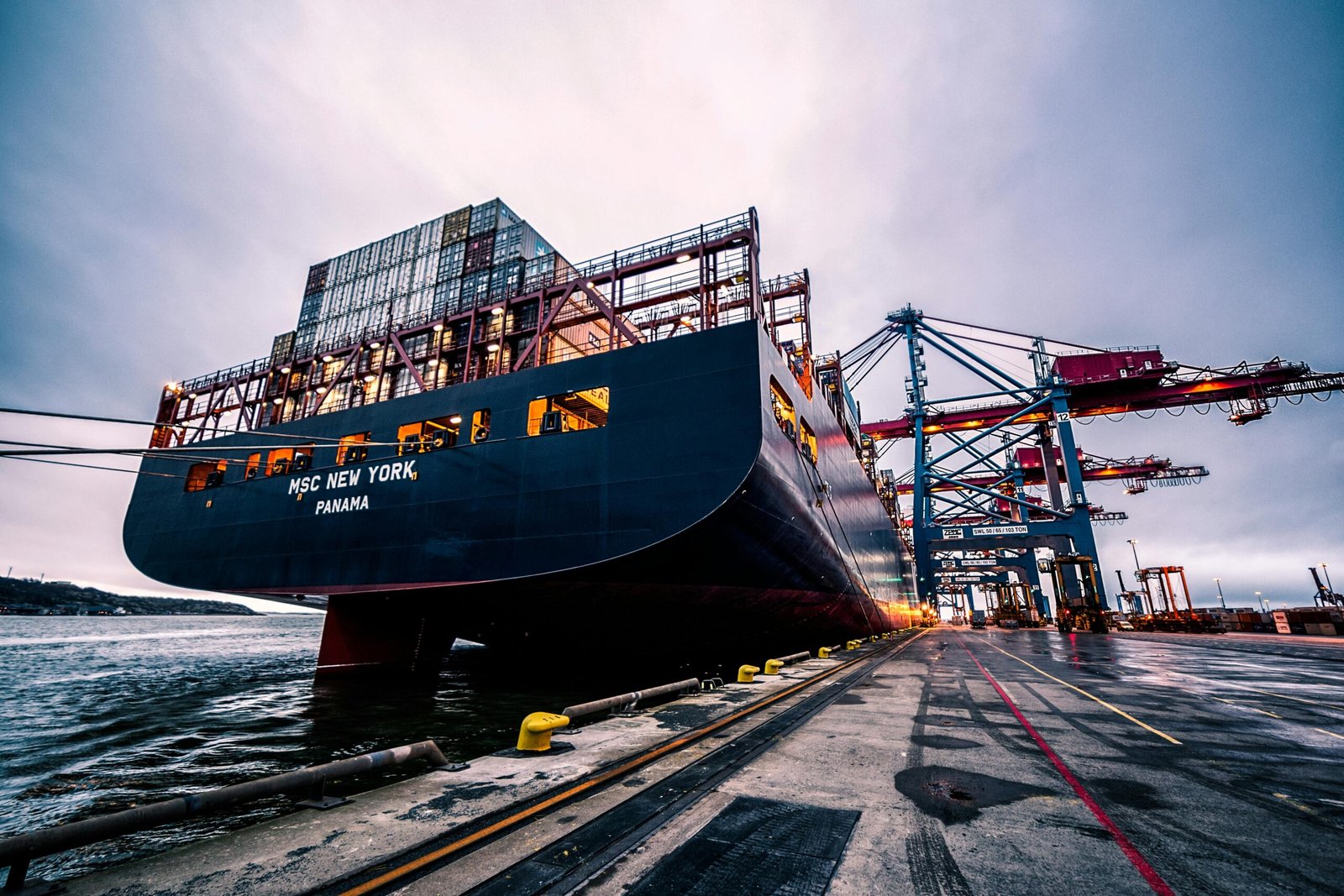
When importing into Kenya, one of the first decisions importers must make is where their cargo will arrive. The two main entry points are Mombasa Port (sea freight) and Jomo Kenyatta International Airport (JKIA) (air freight).
While both involve customs clearance, the process, costs, timelines, and risks differ significantly. In this article, we explain the key differences between clearing goods at Mombasa Port vs JKIA, give real examples, and show how Clearon Logistics helps importers choose the most cost-effective option.
Overview: Mombasa Port vs JKIA
| Factor | Mombasa Port | JKIA |
|---|---|---|
| Freight type | Sea freight | Air freight |
| Cost | Lower | Higher |
| Transit time | Longer | Shorter |
| Cargo volume | Large | Small–medium |
| Clearance complexity | High | Moderate |
| Ideal for | Bulk imports | Urgent shipments |
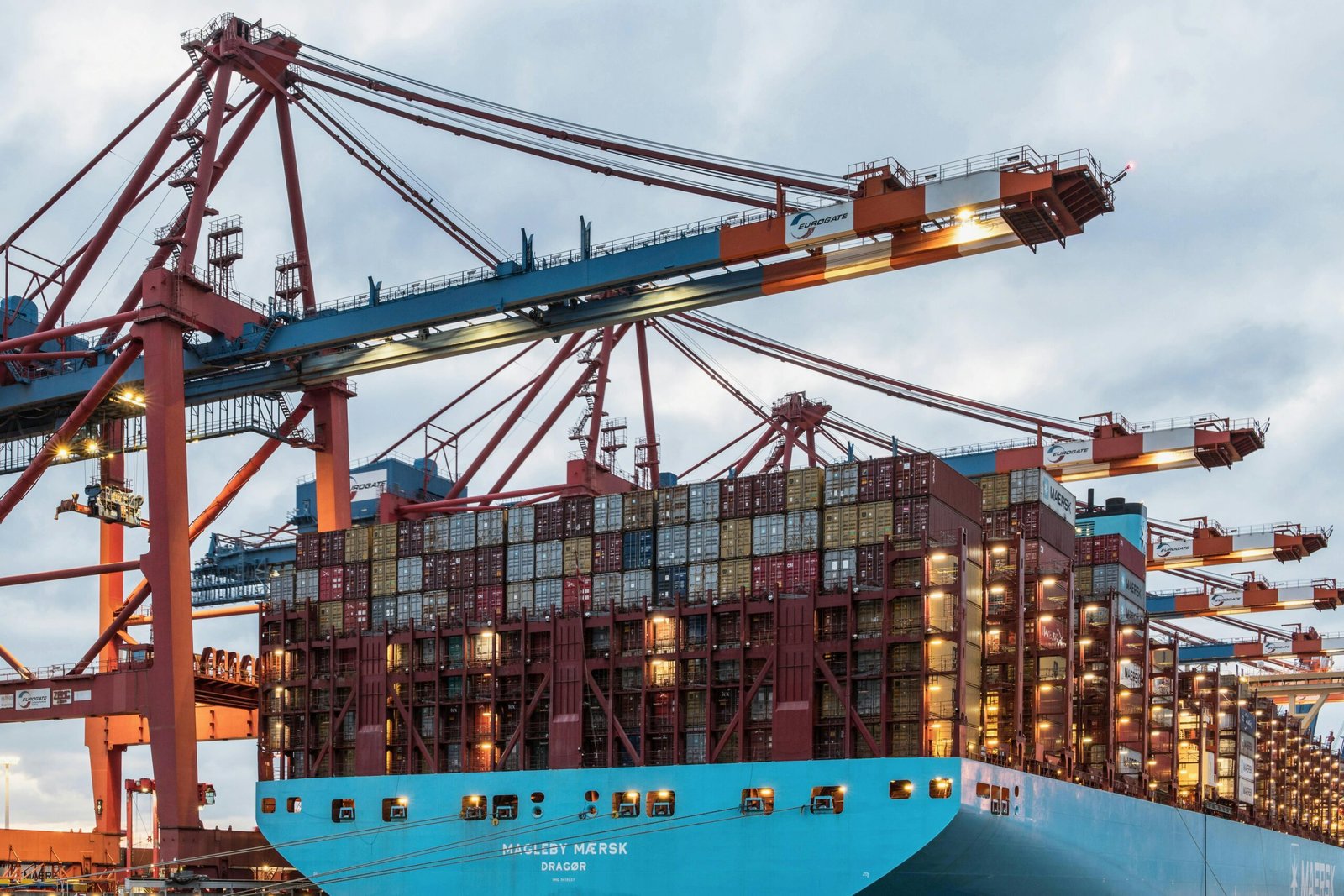
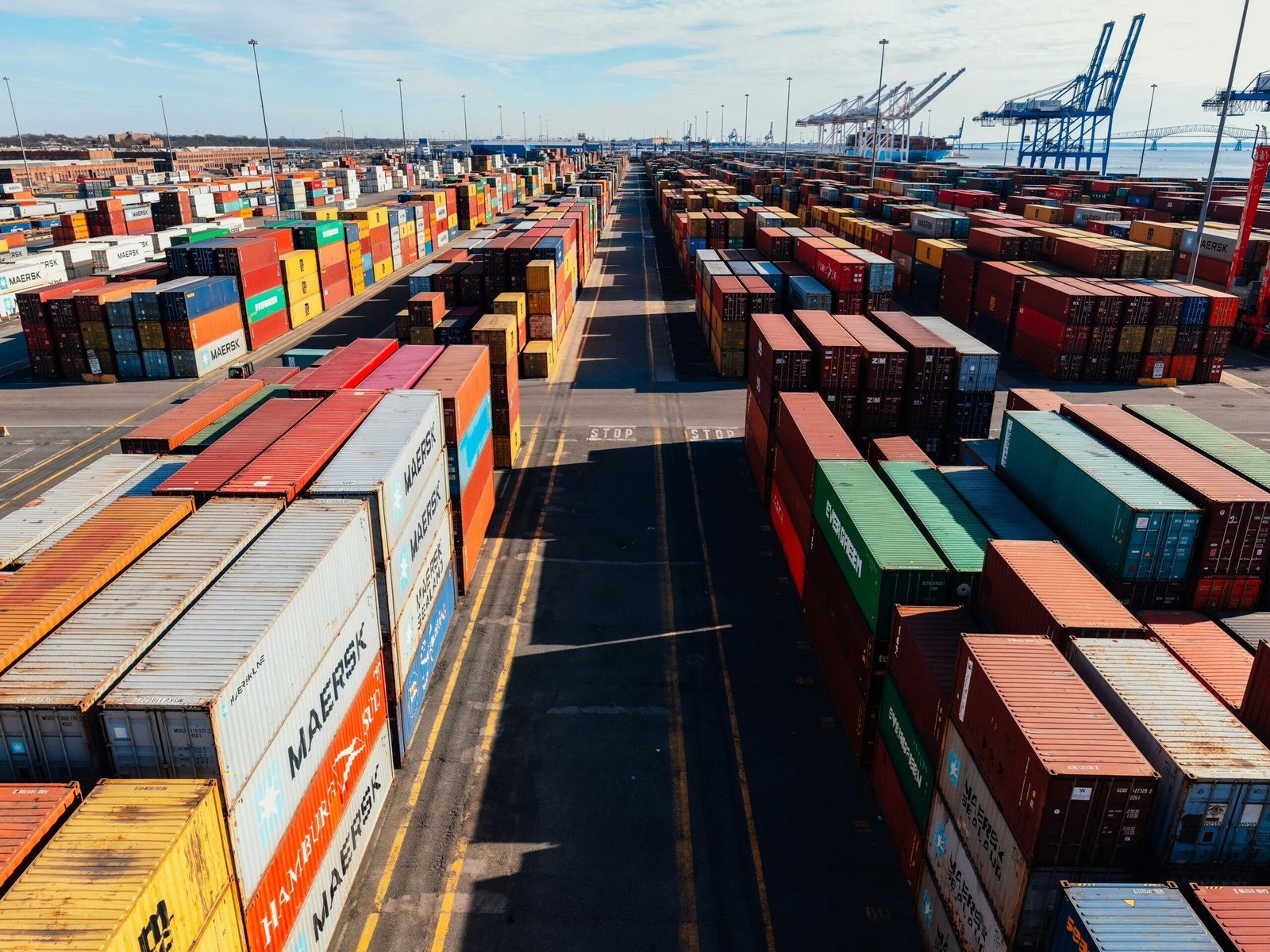
Clearing Goods at Mombasa Port
Best For:
- Bulk cargo
- Heavy machinery
- Full container (FCL) and consolidated (LCL) shipments
- Cost-sensitive imports
Clearance Process at Mombasa
- Vessel arrival and container offloading
- Customs entry submission (KRA iCMS)
- Permit verification (KEBS, KEPHIS, PPB, etc.)
- Duty and tax payment
- Physical inspection (if selected)
- Cargo release and delivery
Advantages
- Cheaper freight costs
- Suitable for large volumes
- Flexible container options
Challenges
- Higher risk of demurrage and storage
- Longer clearance timelines
- More inspections for certain goods
Example:
A client importing construction materials saved over KES 400,000 by using Mombasa Port instead of air freight—but only because clearance was planned early.
Clearon Logistics ensures documents and permits are ready before vessel arrival, minimizing delays.

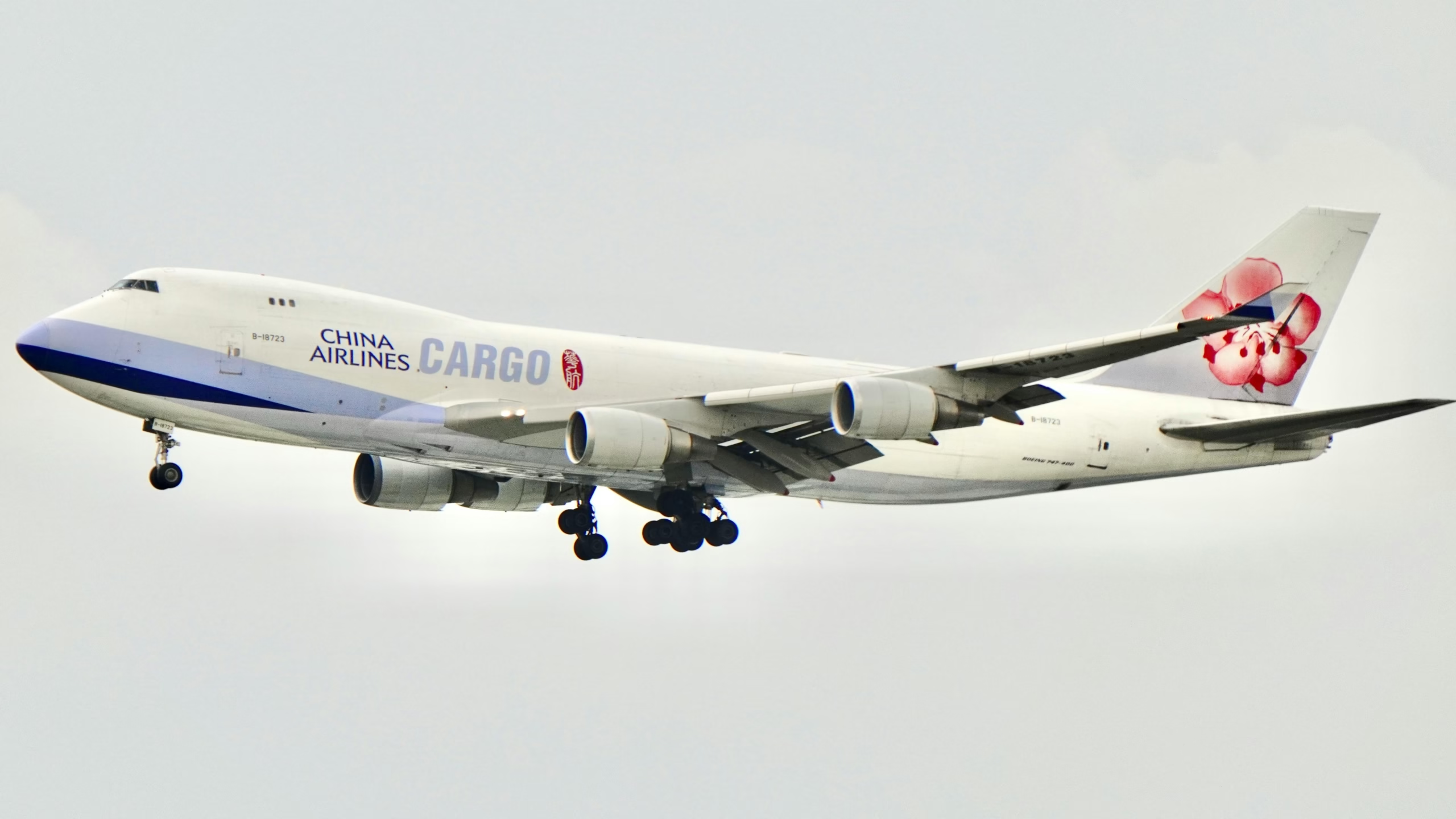
Clearing Goods at JKIA
Best For:
- Urgent cargo
- High-value goods
- Perishables and pharmaceuticals
- Small consignments
Clearance Process at JKIA
- Flight arrival and cargo offloading
- Document verification
- Customs entry and duty payment
- Inspection (if required)
- Cargo release
Advantages
- Faster clearance (often 1–3 days)
- Lower risk of demurrage
- Easier tracking
Challenges
- Higher freight charges
- Higher handling fees
- Limited for bulky cargo
Example:
A client importing medical supplies cleared goods at JKIA within 48 hours, avoiding potential shortages—but at a higher freight cost.
Clearon Logistics helped balance urgency vs cost.
Cost Comparison Example
| Cost Element | Mombasa Port | JKIA |
|---|---|---|
| Freight | Low | High |
| Handling | Moderate | High |
| Storage risk | High if delayed | Low |
| Total cost | Lower overall | Higher overall |
Choosing the wrong entry point can double your total import cost.
Clearance Timelines Compared
- Mombasa Port: 5–14 days (depending on preparedness)
- JKIA: 1–5 days
Delays at Mombasa often result from missing permits or late duty payments.
Which Entry Point Should You Choose?
Choose Mombasa Port if:
- You’re importing in bulk
- Cost control is a priority
- Delivery is not urgent
Choose JKIA if:
- Cargo is urgent
- Goods are high-value
- Time-sensitive delivery is required
Clearon Logistics helps importers choose the right route based on cargo type, budget, and timelines.
How Clearon Logistics Supports Clearance at Both Points
At Clearon Logistics, we:
- Handle clearance at Mombasa Port and JKIA
- Advise on the most cost-effective entry point
- Prepare documents and permits in advance
- Track shipments and free days
- Ensure timely cargo release
We don’t treat all shipments the same—we customize clearance strategies.
Final Thoughts
Clearing goods at Mombasa Port and JKIA involves different costs, risks, and timelines. Making the right choice can save importers time, money, and stress.
With Clearon Logistics, importers get expert guidance, transparent costs, and smooth clearance—regardless of entry point.
If you’re unsure where to route your next shipment, our team is ready to help.


Leave a Reply to KEBS, KEPHIS & Other Import Permits in Kenya Explained (What You Need and When) – CLEARON LOGISTICS Cancel reply