
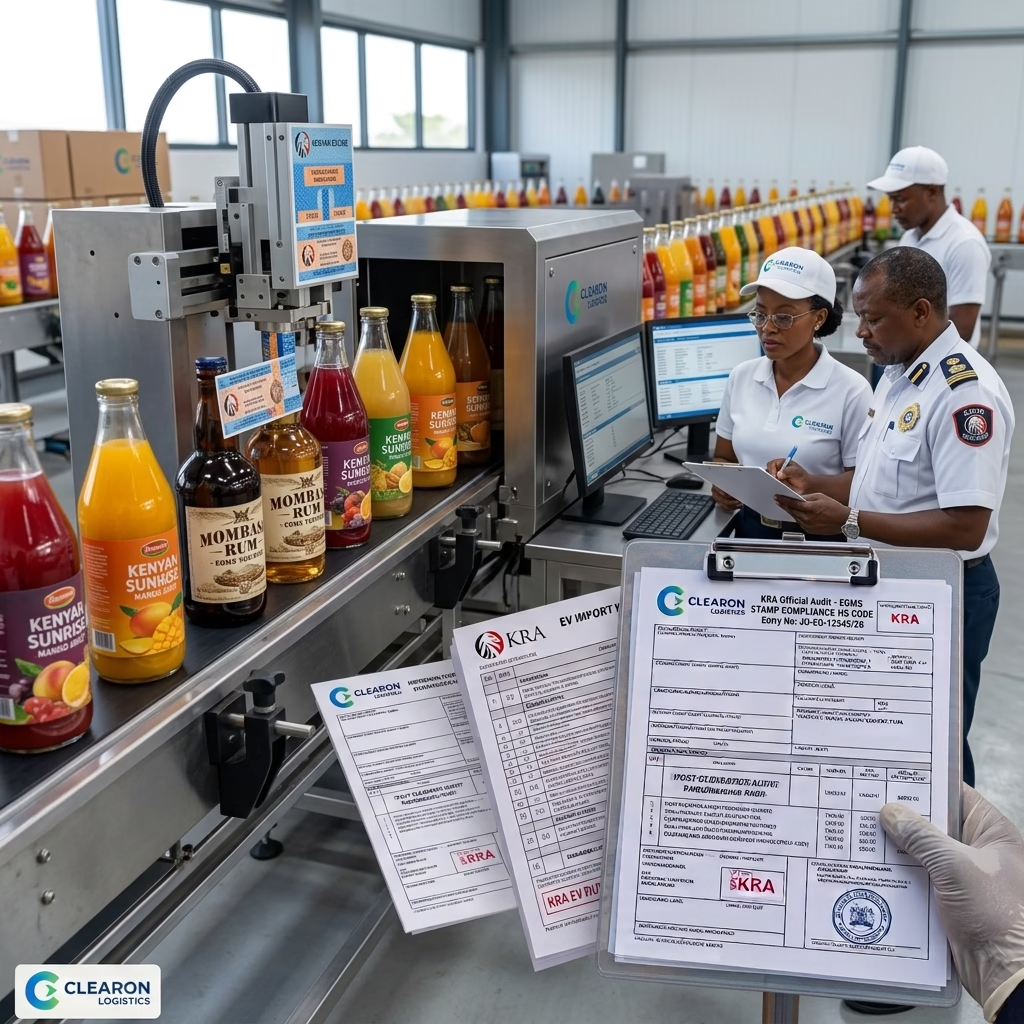
Excise stamps in Kenya show up on far more products than most importers realise — not just the obvious alcohol and tobacco categories, but juices, energy drinks, cosmetics, and food supplements too. If you’re importing anything in these categories without registering for the Excisable Goods Management System first, your entire consignment can be seized on arrival, regardless of how compliant everything else about the shipment is.
Table of Contents
What EGMS Actually Is
The Excisable Goods Management System (EGMS) is a KRA-run digital tracking system requiring physical, security-coded excise stamps to be affixed to specific product categories, established under Section 28 of the Excise Duty Act 2015 and the Excise Duty (Excisable Goods Management System) Regulations, 2017. Each stamp carries security features and a unique code, tracked from the point of production or import through the supply chain, allowing KRA to verify authenticity, monitor volumes, and detect counterfeit or untaxed goods entering circulation. A public-facing “Soma Label” app lets consumers scan and verify stamps directly, adding a layer of consumer protection on top of the revenue tracking function.
Which Products Currently Require a Stamp
EGMS rolled out in two broad phases. The first phase, from 2013, covered:
- Tobacco products — cigarettes, cigars, cigarillos, chewing tobacco, shisha, electronic cigarettes and cartridges
- Wines and spirits
- Beer
A second phase extended coverage to:
- Juices, energy drinks, and soda in PET packaging
- Other non-alcoholic beverages and food supplements
- Cosmetics and beauty products under tariff headings 3303, 3304, 3305, and 3307
If your import falls into any of these categories, an excise stamp is a hard prerequisite for legal sale in Kenya, regardless of whether the product also requires separate KEBS or PPB certification.
Bottled Water Was Just Removed — July 2026
As of 1 July 2026, KRA confirmed that bottled water is no longer subject to excise duty and no longer requires excise stamps. Bottled water manufactured or imported on or after that date is exempt from the requirement entirely, and KRA has indicated it will issue separate guidance on handling any unutilised stamps already held by manufacturers and importers under the old system. If you’ve been budgeting stamp costs into bottled water imports based on older information, this is a genuine cost reduction worth updating your figures for — but it’s specific to bottled water; the other beverage and cosmetics categories covered under EGMS remain unaffected by this particular change.
Who Can Actually Buy Stamps
Excise stamps aren’t available to just anyone who wants to affix one to a product. Only licensed manufacturers and licensed importers of excisable goods, registered under Section 15 of the Excise Duty Act 2015, can purchase stamps — through the dedicated EGMS portal, using login credentials issued after licensing is complete. This means the sequence matters: you need to be licensed as an excisable goods importer before you can obtain the stamps your shipment needs, not after your goods have already arrived expecting to sort it out at the point of clearance.
How the System Works in Practice
Stamp costs vary by product category and are periodically revised by the National Treasury — historical gazette notices show meaningfully different fees across beer, spirits, juice, tobacco, and cosmetics, so it’s worth confirming current rates directly rather than relying on a figure from even a year or two ago, given how often these have been adjusted. The stamps themselves are produced by a KRA-appointed technology provider and carry distinct security features per category, making counterfeiting the stamp itself considerably harder than replicating ordinary packaging or labelling.
What Happens Without a Valid Stamp
KRA has been explicit and consistent on enforcement: any excisable product found in the market without a valid stamp — for goods manufactured or imported after the applicable compliance date — is subject to seizure, with the responsible party facing prosecution. This isn’t a warning-first system; the stated consequence is direct confiscation of the goods, making after-the-fact compliance considerably more costly than simply registering and stamping correctly before the product ever reaches a Kenyan shelf.
Getting Excisable Goods Compliance Right From the Start
Because stamp access depends on prior licensing, and because enforcement is genuinely strict rather than advisory, this is a category where the compliance sequence has to start well before your goods ship — confirming your licensing status, purchasing the correct stamps, and having them properly affixed before the product reaches Kenyan customs, not as a step to figure out on arrival.
At Clearon Logistics, we help importers of alcohol, tobacco, beverages, and cosmetics confirm their EGMS licensing and stamping requirements before a shipment is committed to, and keep clients updated on category-specific changes like the recent bottled water exemption — so you’re working from current information, not outdated assumptions about what still requires a stamp.
Importing alcohol, tobacco, beverages, or cosmetics into Kenya? Talk to Clearon Logistics to confirm your EGMS licensing and stamping requirements before you ship.
Frequently Asked Questions
Does bottled water still need an excise stamp in Kenya? No — as of 1 July 2026, bottled water is no longer subject to excise duty or the excise stamp requirement, following a KRA notice issued that month. Other beverage and cosmetics categories under EGMS remain unaffected by this specific change.
Can I purchase excise stamps before I’m licensed as an importer of excisable goods? No — only licensed manufacturers and importers, registered under Section 15 of the Excise Duty Act 2015, can access the EGMS portal to purchase stamps. Licensing needs to be sorted out first.
Which cosmetics specifically require an excise stamp? Cosmetics and beauty products under tariff headings 3303, 3304, 3305, and 3307 require an excise stamp, whether manufactured locally or imported.
What happens if my product is found without a valid excise stamp? KRA’s stated enforcement approach is seizure of the goods and prosecution of the responsible party — this applies from the relevant compliance date onward, without a grace period for goods already in the market.
Further Reading
- KRA — Excise Duty (external, dofollow)
- KRA — EGMS Portal (external, dofollow)
- Related on our blog: Importing Cosmetics into Kenya: 4 Facts on KEBS vs PPB Regulation
- Related on our blog: Importing Food and Beverage Products into Kenya: 5 Rules to Know
- Our service: Clearing and Forwarding Services in Kenya





Leave a Reply