
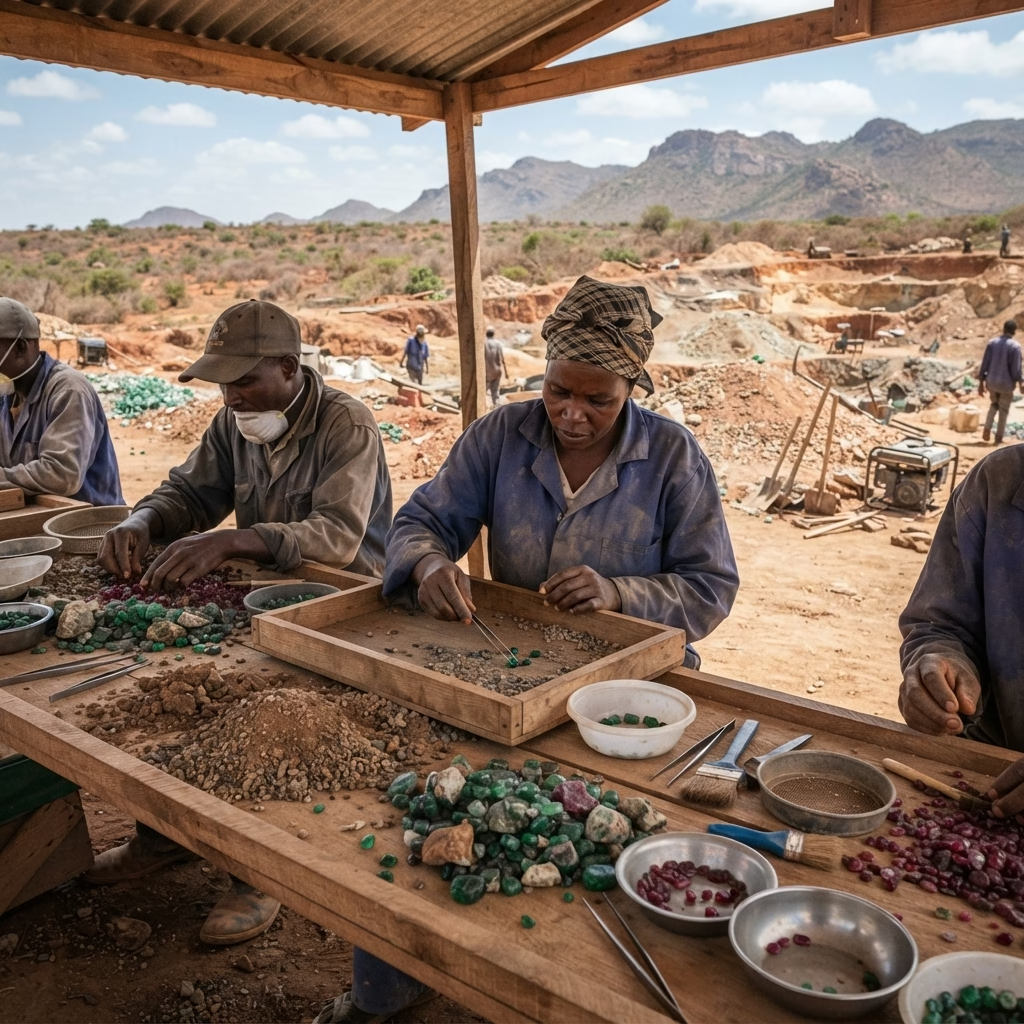
Exporting gemstones from Kenya taps into a genuinely underappreciated resource — Kenya is one of the world’s only sources of tsavorite, a rare green garnet that can fetch up to USD 8,000 per carat at the top end of the retail market, alongside significant ruby, sapphire, and semi-precious stone deposits concentrated in Taita-Taveta County. It’s also an industry the government is actively reshaping right now, with a coming shift toward restricting rough stone exports specifically to force more value addition to happen inside Kenya.
Table of Contents
The Licensing Framework Under the Mining Act 2016
Kenya’s mining and mineral export sector operates under the Mining Act, 2016, which replaced the outdated Mining Act of 1940 and established a genuinely modern, tiered licensing structure. The Act recognises three distinct levels of mining rights: artisanal mining permits, small-scale mining permits, and large-scale mining licences. Small-scale permits and large-scale licences are issued nationally through the Kenya Mineral Rights Board (MRB), while artisanal permits are issued at the county level through county artisanal mining committees — a structure specifically designed to give local, small-scale operators (who make up a significant share of gemstone mining in areas like Taita-Taveta and Kakamega) a more accessible path to legal operation than requiring national-level licensing for every small artisanal claim.
Beyond mining rights themselves, exporting requires a separate Mineral Dealer’s Licence from the Ministry of Mining, categorised by the scale and nature of the trading activity — an established, licensed gemstone exporter typically holds a specific dealer’s licence category confirming their authority to trade and export minerals, separate from any mining right they might also hold.
The Digital Cadastre System
A genuine improvement in this sector has been the Kenya Mining Cadastre Portal, which centralised permit and licence issuance, made fee schedules transparent and payable through a cashless system directly to the ministry, and has been credited with helping eliminate the informal broker networks that previously dominated the sector’s licensing process. That said, the portal’s benefits haven’t reached every operator equally — a genuine gap remains for small-scale artisanal miners who lack reliable internet access or the digital literacy to navigate the system fully, meaning the formalisation this digital shift represents is still an uneven transition across the sector.
The Tsavorite Strategic Mineral Saga
This is a genuinely instructive recent episode in how Kenya’s gemstone policy has been evolving. The government placed tsavorite among 14 designated strategic minerals, specifically to combat smuggling of the rare stone — but this classification triggered real pushback from miners and dealers, who negotiated a six-month exemption while the government worked toward a more considered Cabinet-level policy. During this same period, the Director of Mines revealed that 138 mining licences were sitting uncollected in Nairobi, illustrating a genuine logistical gap between licensing decisions made centrally and their actual reach to operators in remote mining areas like Taita-Taveta’s Chawia and Mwatate.
Why Kenya Wants to Ban Uncut Gemstone Exports
This is the development most worth watching if you’re involved in this trade: Kenya’s Mining Principal Secretary has confirmed the government is moving toward outlawing the export of uncut gemstones entirely, instead requiring processing (cutting and polishing) of precious stones destined for international markets to happen domestically before export. The stated rationale mirrors the same logic behind Kenya’s 80% raw hides export tax — value addition captured domestically means considerably better prices and returns for Kenyan miners than exporting rough stones that get their real value added (and captured) elsewhere. Licensing for specifically sensitive stones like tsavorite would move to case-by-case oversight through the National Mining Corporation (NMC), a materially more hands-on regulatory relationship than the standard licensing pathway.
The Gem-Identity Fraud Problem
A genuinely striking detail behind this policy push: Kenyan tsavorite has reportedly been presented as stones from other countries at international gemstone exhibitions — a case of gem-identity fraud that erodes both Kenya’s brand recognition in the global gemstone market and the pricing premium Kenyan-origin stones might otherwise command. The government’s response has included exploring patenting or formally branding tsavorite as distinctly Kenyan-origin, specifically to protect the country’s association with a stone found almost exclusively in the Tsavo region it’s named after.
What This Means for Exporters and Buyers
- If you’re currently exporting rough, uncut gemstones, the direction of policy travel points clearly toward this becoming considerably more restricted, if not eventually prohibited — worth planning for local cutting and polishing capacity, or partnerships with facilities that offer it, rather than assuming rough export remains viable long-term
- If you’re sourcing gemstones from Kenya as an international buyer, confirm your supplier holds a genuine, current Mineral Dealer’s Licence and can provide clear provenance documentation, particularly important given the gem-identity fraud concerns already documented in this market
- If you’re considering entering gemstone mining or trading, engaging directly with the Mining Cadastre Portal and understanding which licensing tier fits your intended scale of operation is the essential starting point
- Watch for the tsavorite-specific National Mining Corporation framework if you’re involved with that particular stone, since it’s moving toward a more individually managed licensing relationship than standard gemstone categories
Navigating a Sector in the Middle of a Value-Addition Shift
Kenya’s gemstone export sector holds genuine, globally significant resources — but it’s also a sector actively being reshaped by policy aimed at capturing more value domestically rather than exporting raw material at a discount. Understanding where a specific stone (and specifically tsavorite) currently sits in this evolving framework matters considerably for anyone building an export business around it.
At Clearon Logistics, we help exporters in Kenya’s mineral and gemstone sector coordinate the logistics and customs documentation side of getting properly licensed, provenance-verified stones to international buyers — alongside the mining and dealer licensing that sits with the Ministry of Mining directly.
Exporting gemstones or minerals from Kenya? Talk to Clearon Logistics to coordinate your logistics around current licensing and documentation requirements.
Frequently Asked Questions
Can I currently export uncut, rough gemstones from Kenya? As of the most recent policy signals, yes, but the government has confirmed it’s moving toward outlawing this, requiring domestic cutting and polishing before export — worth planning around this direction of travel rather than assuming rough export remains available indefinitely.
What’s the difference between a mining licence and a mineral dealer’s licence? A mining licence or permit authorises extraction of minerals from the ground; a Mineral Dealer’s Licence authorises trading and exporting minerals, and exporters typically need the dealer’s licence specifically, separate from any mining right.
Why did Kenya briefly classify tsavorite as a strategic mineral? Specifically to combat smuggling of the rare stone, though the classification triggered pushback from miners and dealers, resulting in a negotiated six-month exemption while a more considered policy was developed.
How can I verify a Kenyan gemstone supplier is properly licensed? Ask for their current Mineral Dealer’s Licence category and provenance documentation for the specific stones — given documented cases of Kenyan-origin stones being misrepresented internationally, verifying genuine licensing and origin matters more in this sector than in many others.
Further Reading
- Kenya Mining Cadastre Portal — Ministry of Mining (external, dofollow)
- Kenya Chamber of Mines (external, dofollow)
- Related on our blog: Exporting Leather from Kenya: 4 Facts on the 80% Hides Tax
- Related on our blog: Exporting from Kenya: The Documents You Need Before Your Cargo Leaves
- Our service: International Freight (Air & Sea)









Leave a Reply