
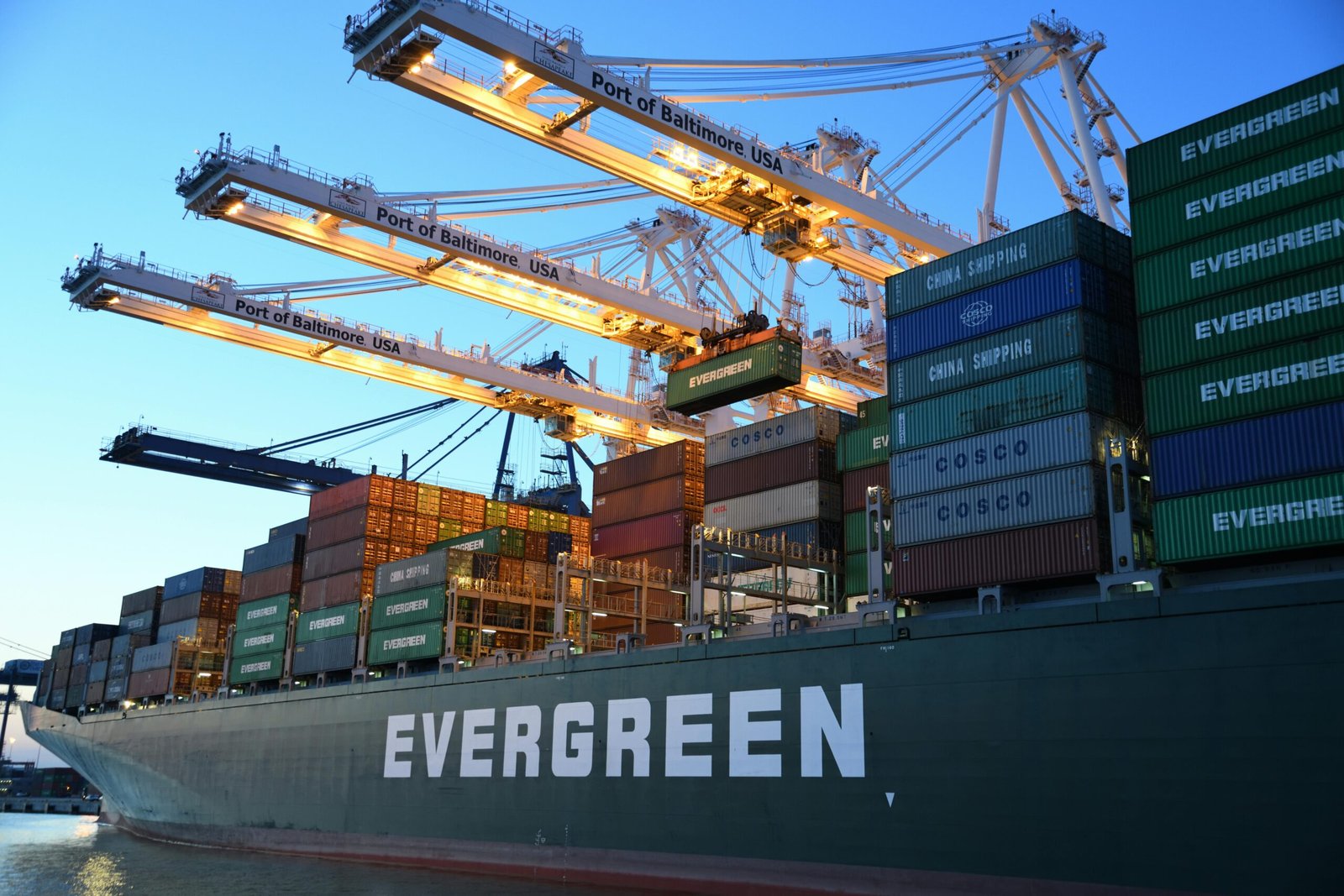
Many people hear the term freight forwarding when importing goods, but few fully understand what it actually means.
Some assume freight forwarders simply “ship cargo.” In reality, freight forwarding is much broader and plays a critical role in global trade, import planning, customs coordination, and cargo movement.
Whether you are importing goods from China, the UK, USA, or Dubai, understanding freight forwarding helps you reduce risk, manage costs, and move cargo more efficiently.
At Clearon Logistics, freight forwarding is a core part of how we help businesses and individuals move goods into Kenya through structured logistics solutions.
This guide explains freight forwarding in Kenya, how it works, and why it matters.
What Is Freight Forwarding?
Freight forwarding is the coordination and management of cargo movement from one country to another.
A freight forwarder acts as the logistics coordinator between multiple parties, including:
- Suppliers
- Shipping lines
- Airlines
- Customs authorities
- Transport companies
- Warehouses
The goal is simple:
👉 Move cargo efficiently from origin to destination.
A freight forwarder typically does not manufacture goods or own the products being shipped.
Instead, they manage the logistics journey.
What Does a Freight Forwarder Do?
A freight forwarder handles multiple logistics functions.
These may include:
1. Shipment Planning
Determining:
- Best route
- Shipping method
- Delivery timeline
Example:
- Air freight for urgent goods
- Sea freight for bulky cargo
2. Booking Cargo Space
Freight forwarders coordinate with:
- Airlines
- Shipping lines
- Consolidators
They secure space for your cargo.
3. Documentation Management
International shipping requires multiple documents.
Common documents include:
- Commercial invoice
- Packing list
- Bill of lading
- Airway bill
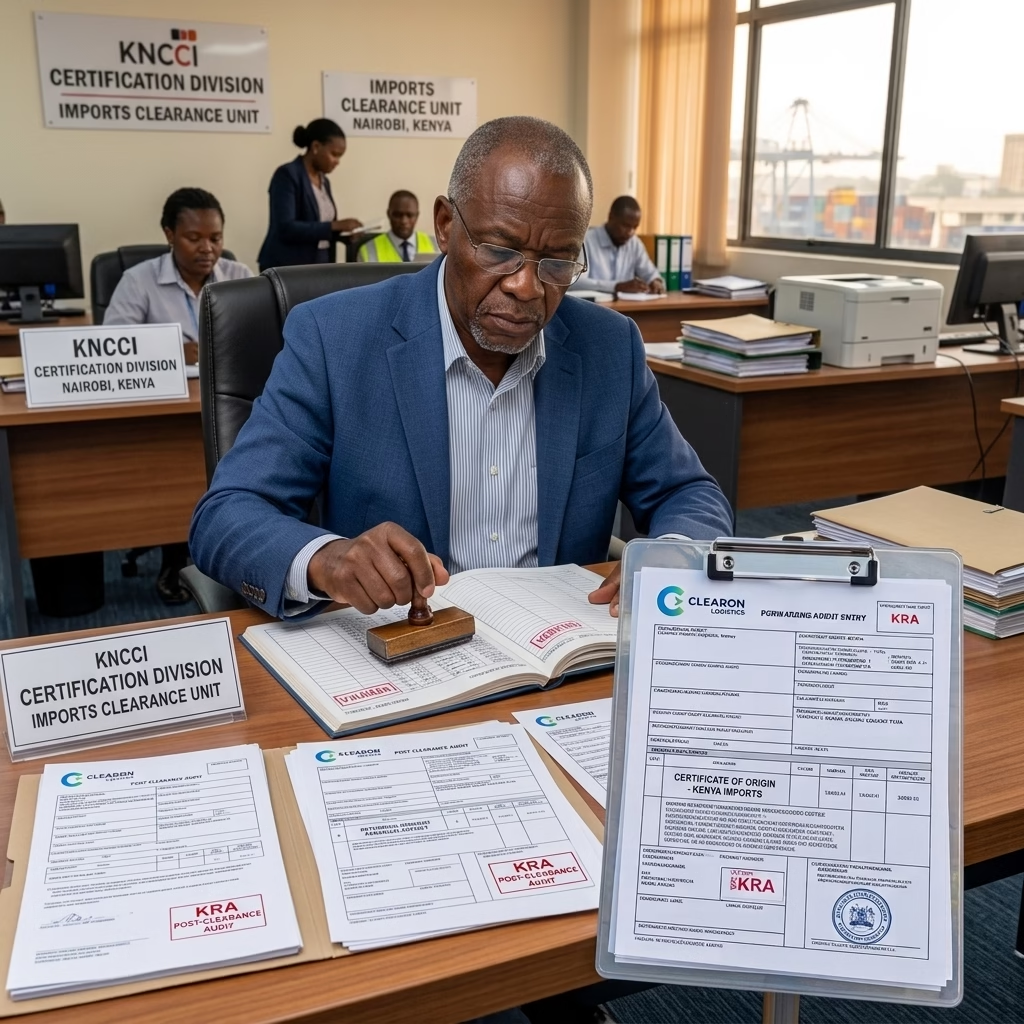
- Certificate of origin
A freight forwarder helps ensure these are correct.
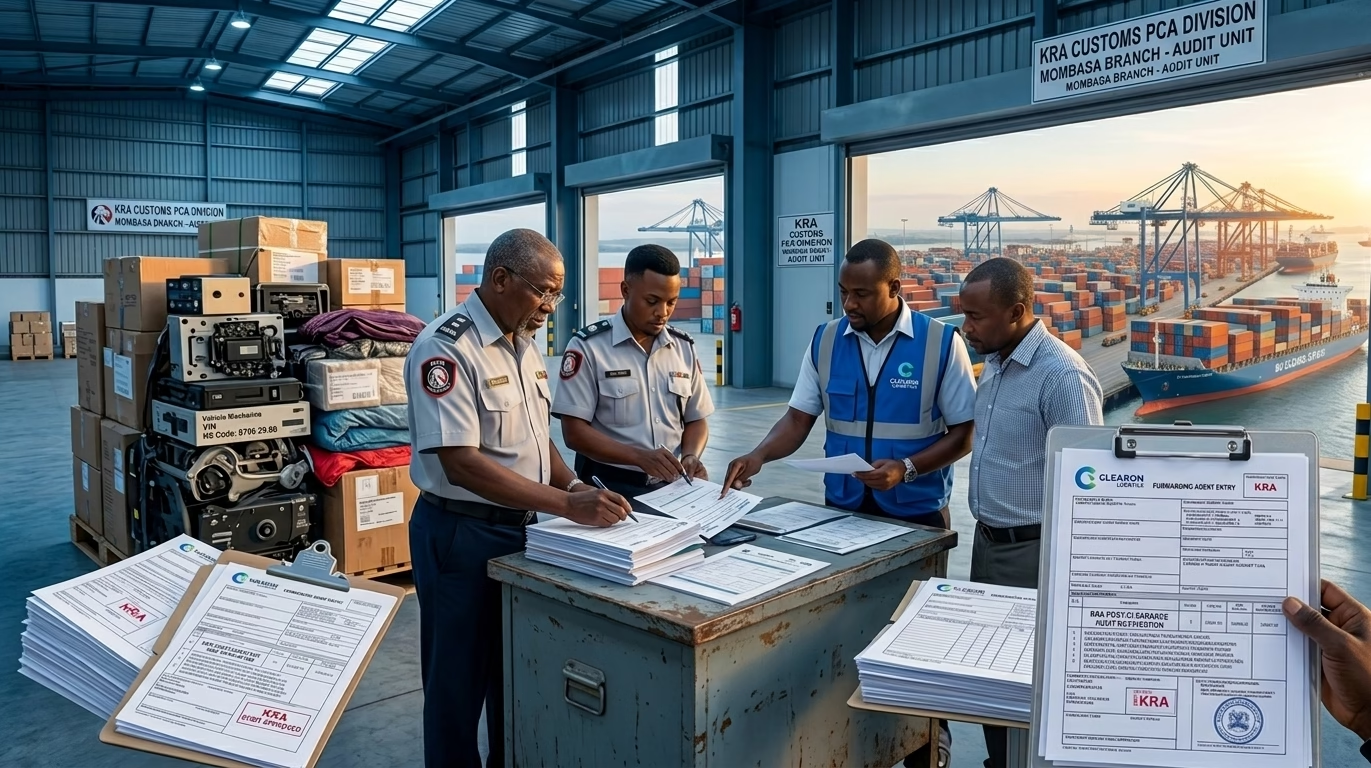
4. Customs Coordination
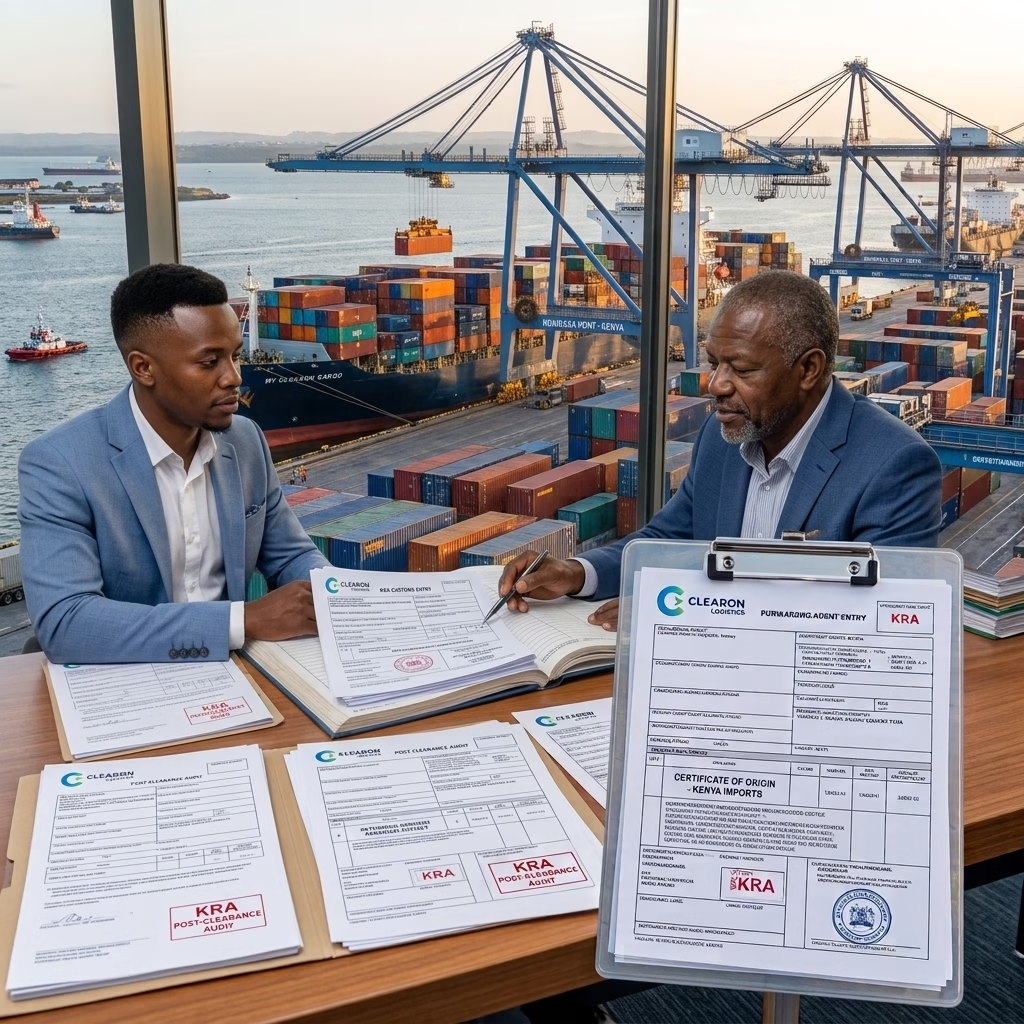
Freight forwarders work closely with clearing agents or integrated customs teams to support:
- Import documentation
- Cargo declarations
- Duty processing
5. Cargo Consolidation
This is especially useful for smaller shipments.
Instead of shipping goods separately:
- Cargo from multiple suppliers is combined into one shipment.
Benefits:
- Lower cost
- Better shipping efficiency
6. Warehousing and Storage
Some freight forwarders operate warehouses for:
- Temporary storage
- Consolidation
- Distribution planning
7. Final Delivery Coordination
After customs clearance:
- Cargo is transported to the final destination.
This may include:
- Nairobi deliveries
- Upcountry deliveries
Freight Forwarding Process in Kenya (Step-by-Step)
Here is how freight forwarding typically works.
Step 1: Supplier Preparation
Supplier prepares:
- Goods
- Export documents
Step 2: Cargo Collection / Warehouse Delivery
Goods are:
- Picked up OR
- Sent to freight warehouse
Step 3: Consolidation or Direct Shipment
Depending on cargo type:
Small cargo
- Consolidated
Large cargo
- Shipped directly
Step 4: International Freight
Cargo moves via:
- Air freight
- Sea freight
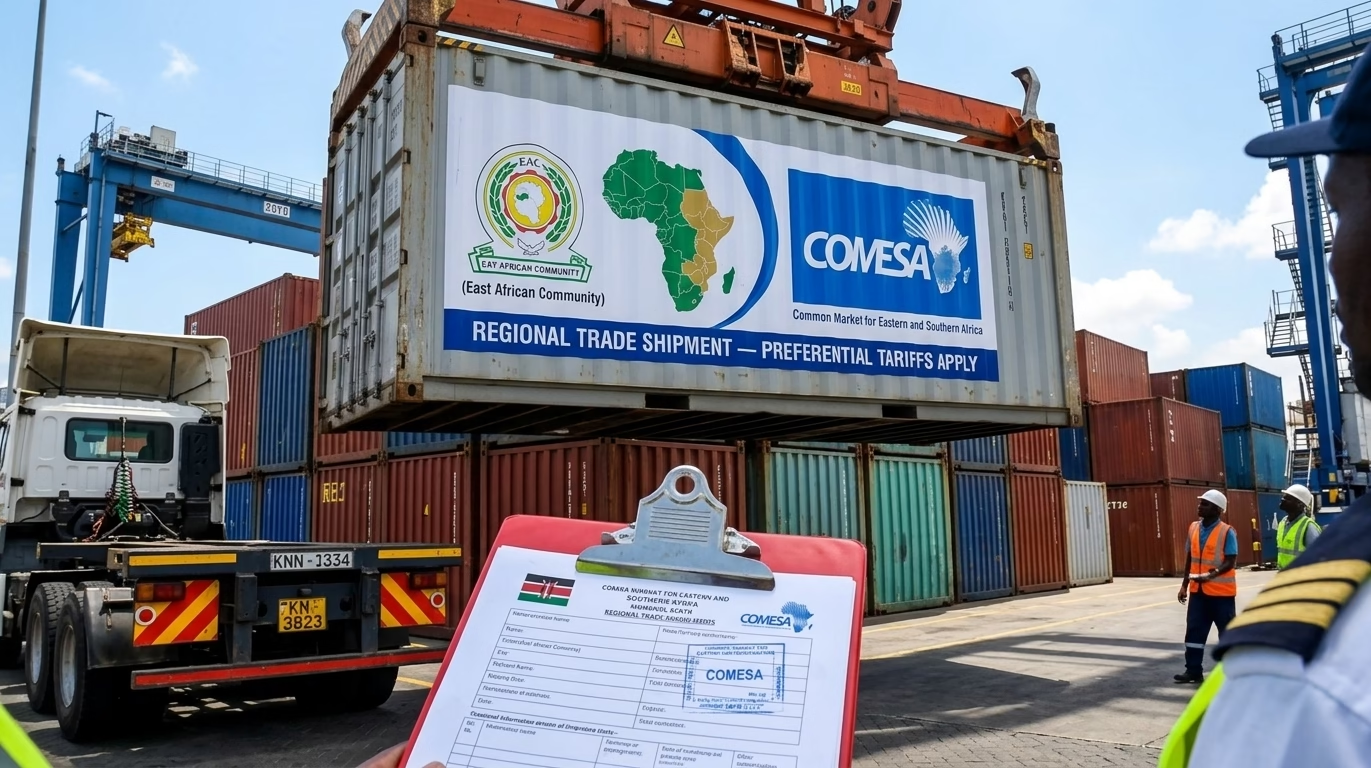
- Road freight (regional trade)
Step 5: Customs Clearance in Kenya
Cargo undergoes:
- Declaration
- Tax assessment
- Release procedures
Step 6: Final Delivery
Cargo delivered to importer.
Types of Freight Forwarding Services in Kenya
Air Freight
Best for:
- Urgent shipments
- Electronics
- Samples
Advantages:
- Fast delivery
Disadvantage:
- Higher cost
Sea Freight
Best for:
- Bulk cargo
- Commercial shipments
- Heavy goods
Advantages:
- Lower cost per unit
Disadvantage:
- Longer transit time
Consolidation Freight
Best for:
- Small businesses
- Multiple suppliers
Advantages:
- Lower total cost
Why Freight Forwarding Matters for Businesses
Freight forwarding helps businesses:
✔ Reduce shipping complexity
✔ Lower logistics costs
✔ Improve cargo visibility
✔ Reduce customs risk
✔ Improve delivery reliability
Without freight forwarding, businesses often face:
- Documentation issues
- Poor shipping choices
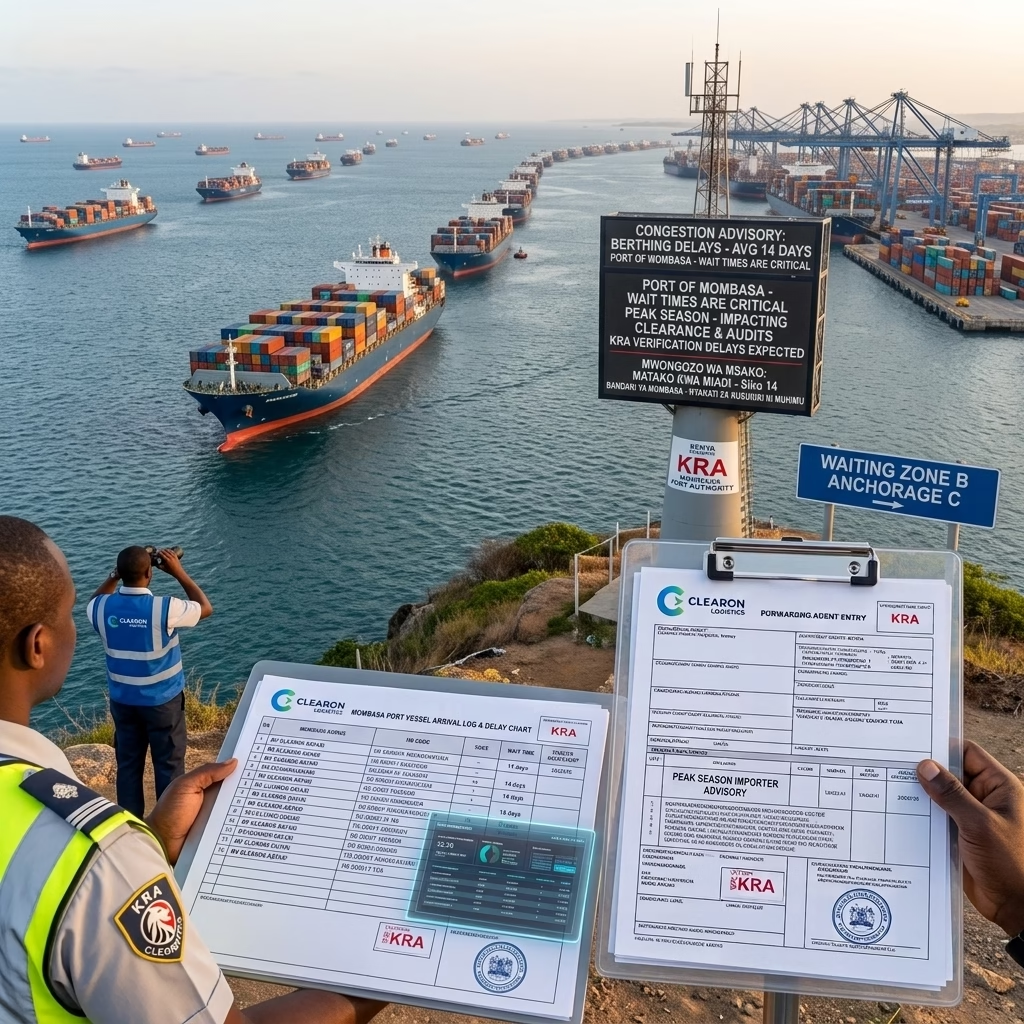
- Delays
- Cost inefficiencies
Common Freight Forwarding Mistakes
1. Choosing based on price only
Cheap can become expensive later.
2. Poor documentation
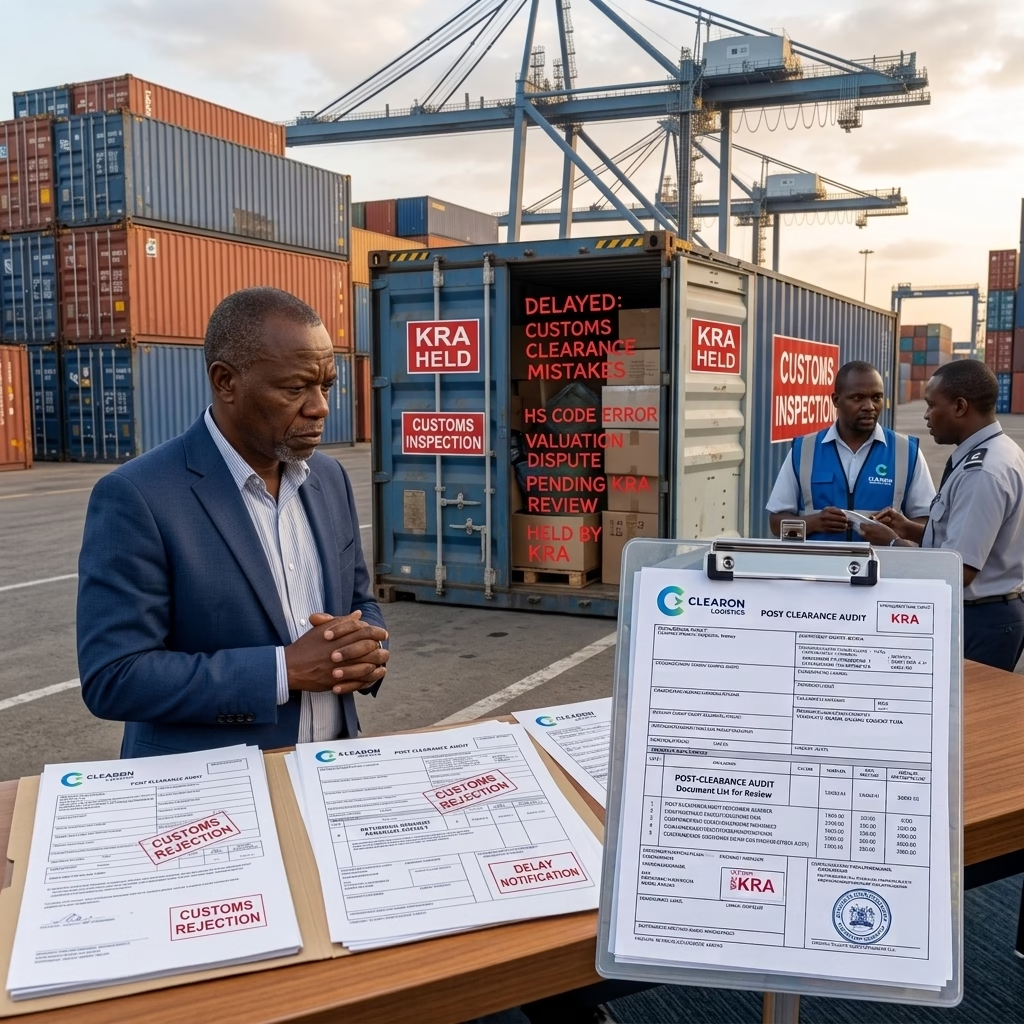
Leads to customs delays.
3. Wrong shipping mode
Using air when sea is more efficient (or vice versa)
4. No cargo planning
Poor scheduling increases cost.
How Clearon Logistics Supports Freight Forwarding in Kenya
At Clearon Logistics, we support clients through:
✔ International freight coordination
✔ Cargo consolidation
✔ Warehouse logistics
✔ Shipping planning
✔ Customs clearance support
✔ Final delivery solutions
Routes include:
- China to Kenya
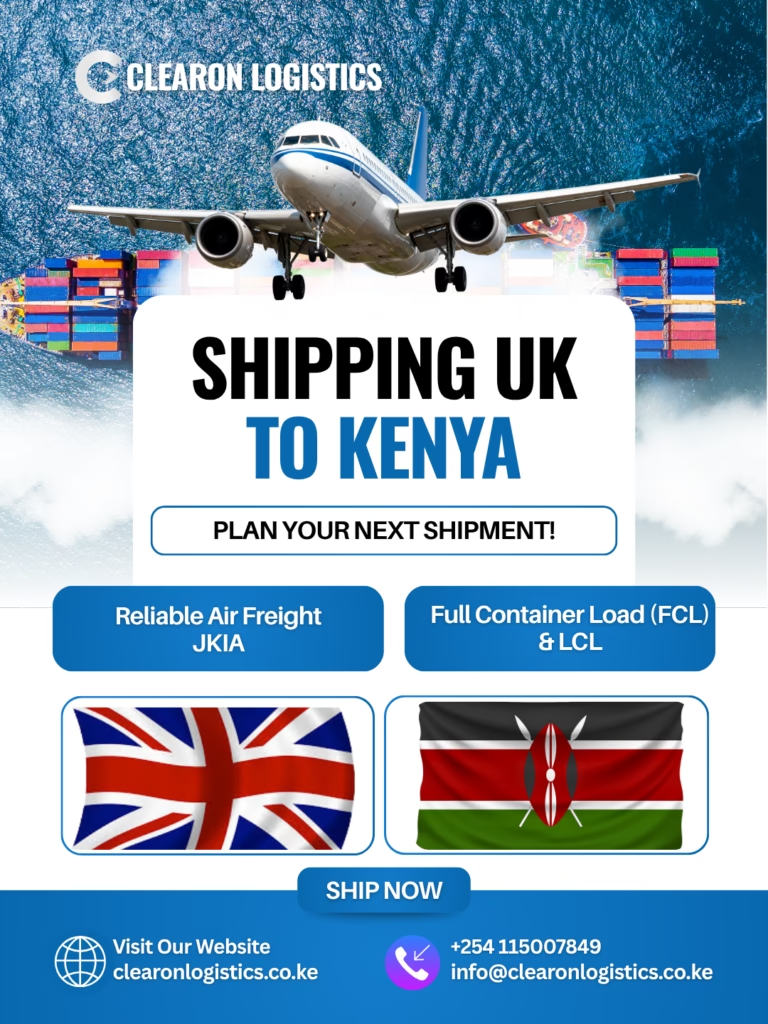
- UK to Kenya
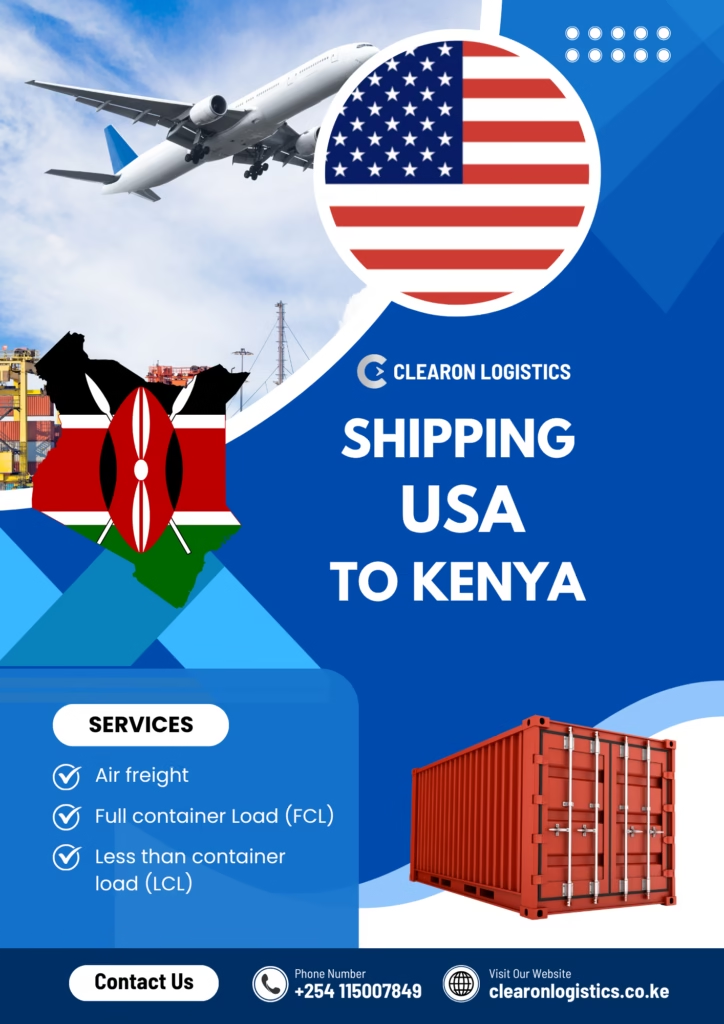
- USA to Kenya
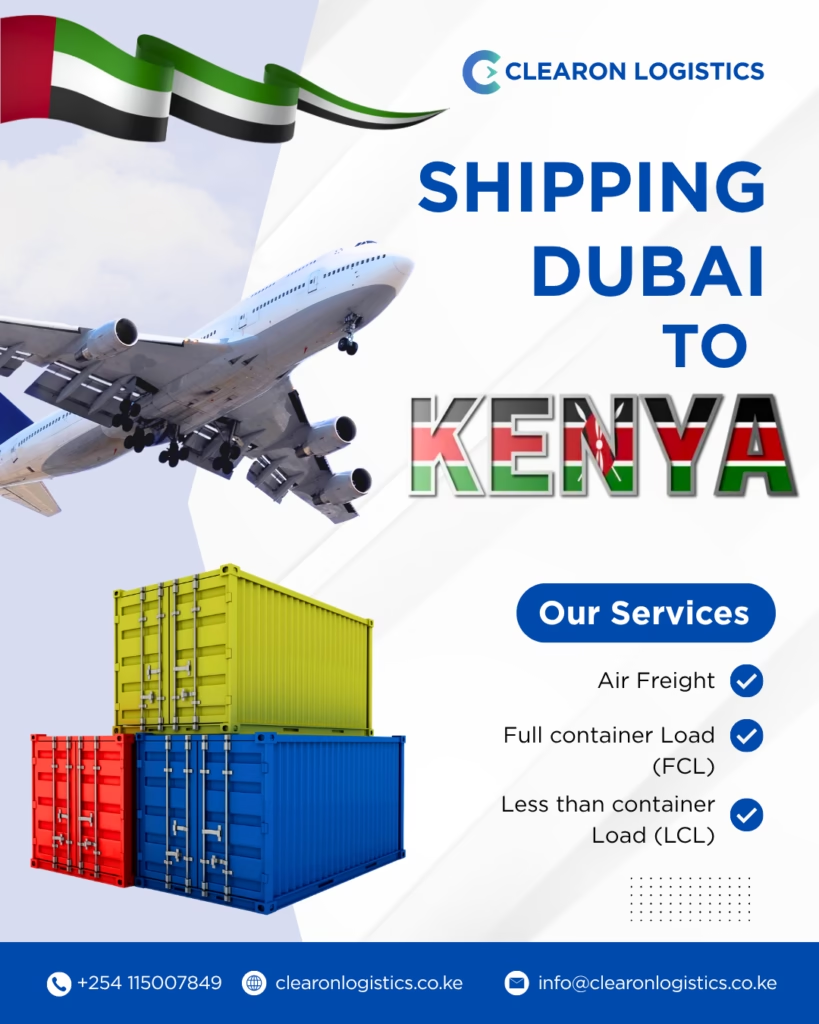
- Dubai to Kenya
This provides businesses with end-to-end logistics support.
Freight Forwarding vs Clearing Agent (Important Difference)
Many people confuse the two.
Freight Forwarder:
Focuses on:
- Shipment movement
- Transport coordination
- Logistics planning
Clearing Agent:
Focuses on:
- Customs documentation
- Duty processing
- Cargo release
Some logistics companies, like us Clearon Logistics, support both functions together.
Final Thoughts
Freight forwarding is one of the most important components of international trade.
It connects suppliers, transport systems, customs processes, and final delivery into one coordinated system.
For businesses importing into Kenya, understanding freight forwarding helps reduce risk, control costs, and improve shipping efficiency.
At Clearon Logistics, we simplify freight forwarding through structured cargo management and practical logistics support. Get in touch with us !
Leave a Reply