
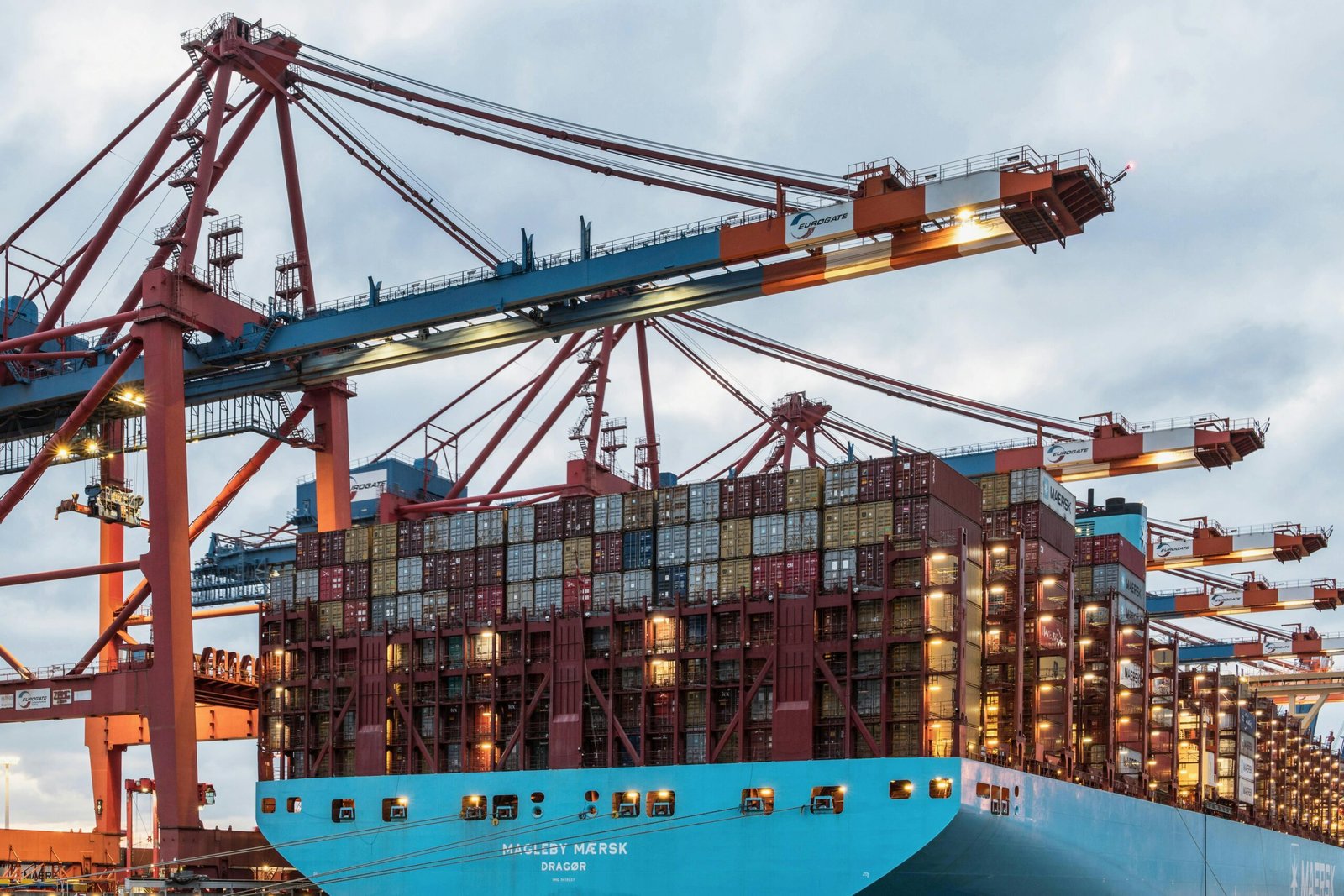
Many first-time and even experienced importers make one major mistake:
They calculate only:
- Product cost
- Shipping cost
…and assume that is their total import budget.
Unfortunately, importing into Kenya involves multiple additional costs that many businesses fail to account for.
This often results in:
- Reduced profit margins
- Unexpected expenses
- Clearance delays
- Cash flow problems
At Clearon Logistics, we regularly help businesses avoid these surprises by planning for the full landed cost of imports.
This guide explains the hidden costs of importing into Kenya and how to budget more accurately.
Why Hidden Import Costs Matter
An import can appear profitable on paper—but once additional charges appear, margins shrink quickly.
Example:
You estimate:
- Product cost: KES 200,000
- Shipping: KES 50,000
Expected total:
KES 250,000
But actual landed cost becomes:
KES 380,000+
Why?
Because hidden costs were not included.
1. Import Duty
One of the largest overlooked costs.
Import duty depends on:
- Product category
- HS code classification
- Customs value
Rates vary depending on goods.
Example:
- 0%
- 10%
- 25% or more
Why It Surprises Importers
Many beginners do not realize taxes are based on:
CIF Value
- Cost
- Insurance
- Freight
Not just product price.
Example:
Product cost:
KES 100,000
Freight:
KES 30,000
Insurance:
KES 5,000
CIF:
KES 135,000
Taxes are calculated on this higher value.
2. VAT (16%)
Kenyan imports generally attract VAT.
VAT is often underestimated because it is calculated after adding:
- CIF
- Import duty
- Other levies
This increases tax burden.
Example:
VAT is not simply 16% of product cost.
It is often much higher than expected.
3. Import Declaration Fee (IDF)
Most imports attract:
- 2.5% of CIF
Small percentage, but significant on large cargo.
Example:
CIF:
KES 500,000
IDF:
17,500
Easy to overlook during budgeting.
4. Railway Development Levy (RDL)
Commonly:
- 2% of CIF
Another cost importers often ignore.
Example:
CIF:
KES 500,000
RDL:
KES 10,000
5. Customs Clearance Fees
Many importers forget service-related clearance costs.
Potential costs:
- Documentation processing
- Agent coordination
- Clearance handling support
Why It Matters
Even if taxes are budgeted:
clearance support still requires planning.
6. Port Storage Charges
If cargo is delayed after arrival:
Storage charges may begin accumulating.
Causes:
- Documentation issues
- Payment delays
- Inspection delays
Example:
Cargo delayed 7 days.
Storage fees accumulate daily.
This can significantly increase costs.
7. Demurrage Charges
Demurrage occurs when containers are retained beyond allowed free time.
Common causes:
- Delayed clearance
- Operational issues
- Slow documentation processing
This is particularly relevant for sea freight.
Why Demurrage Is Dangerous
It compounds quickly.
A small delay can create major additional costs.
8. Inspection and Verification Costs
Certain cargo may be flagged for:
- Physical inspection
- Verification checks
- Re-assessment
Potential triggers:
- Value discrepancies
- Documentation mismatches
- Product concerns
This can add both cost and delay.
9. Inland Transportation Costs
After cargo release:
Goods still need transportation.
Costs may include:
- Nairobi delivery
- Warehouse transfers
- Upcountry transport
Many importers forget final-mile logistics.
Example:
Cargo clears successfully.
But:
- Delivery to Eldoret or Kisumu still needed.
Additional transport budget required.
10. Currency Exchange Fluctuations
Importers budgeting in:
- USD
- GBP
- EUR
- CNY
Face exchange rate risks.
Example:
Budget:
USD at KES 130
Actual payment:
USD rises to KES 136
This increases cost unexpectedly.
11. Poor Packaging Costs
Poor packaging can increase:
- Volumetric charges
- Damage risk
- Repacking expenses
Especially relevant for air freight.
How Hidden Costs Destroy Profit Margins
Example:
Projected landed cost:
KES 250,000
Actual hidden additions:
- Duty: 40,000
- VAT: 32,000
- IDF: 8,750
- RDL: 5,000
- Delivery: 12,000
- Storage: 6,000
New total:
KES 353,750+
Profit assumptions collapse.
How to Budget Properly for Imports
Before importing, estimate:
✔ Product cost
✔ Freight
✔ Insurance
✔ Duty
✔ VAT
✔ IDF
✔ RDL
✔ Clearance support
✔ Delivery costs
✔ Buffer for delays
This creates more accurate landed costing.
How Clearon Logistics Helps Reduce Hidden Costs
At Clearon Logistics, we help clients through:
✔ Better import cost planning
✔ Documentation support
✔ Freight coordination
✔ Customs process support
✔ Clearance guidance
✔ Door to door logistics solutions
This improves cost predictability.
Final Thoughts
The true cost of importing into Kenya goes far beyond product price and shipping.
Taxes, levies, delays, storage, and operational costs can significantly affect profitability.
Businesses that understand hidden import costs plan better, protect margins, and reduce logistics surprises.
At Clearon Logistics, we help clients import with greater visibility, structure, and efficiency. Contact us today!





Leave a Reply