
Introduction
One of the most asked questions by importers and businesses is:
“How much does it really cost to import goods into Kenya?”
The short answer is: it depends.
The long answer involves several cost components that many first-time importers overlook—leading to unexpected expenses, delays, and budget overruns.
This article breaks down all the costs involved in importing goods into Kenya, explains how they are calculated, and shows how proper planning can help you control expenses.
Key Factors That Determine Import Costs in Kenya
Import costs are not random. They are calculated based on several clearly defined factors.
The main factors include:
- Type of goods
- HS code classification
- Country of origin
- Mode of transport
- Declared cargo value
Understanding these elements helps importers predict costs accurately.
1. Cost of Goods (FOB or CIF Value)
Import costs begin with the declared value of the goods.
This may be:
- FOB (Free on Board): Cost of goods only
- CIF (Cost, Insurance, Freight): Cost of goods + shipping + insurance
Kenya Customs commonly uses the CIF value as the basis for duty calculation.
2. Import Duty
Import duty is calculated based on the HS code of the product.
- Duty rates vary depending on product category
- Some goods attract 0% duty, others much higher 10%, 20%, 35%…
- Certain goods qualify for preferential rates under trade agreements
Incorrect HS classification often leads to overpayment or penalties.
3. Value Added Tax (VAT)
Most imported goods are subject to VAT, calculated as a percentage of the customs value plus duty (16%)
VAT is a major cost component and should always be factored into import budgets.
4. Import Declaration Fee (IDF)
The Import Declaration Fee (IDF) is mandatory for all imports into Kenya.
It is calculated as a percentage of the customs value and contributes to trade facilitation and processing (2.5%).
5. Railway Development Levy (RDL)
The Railway Development Levy (RDL) applies to most imports and supports national infrastructure development.
This cost is often overlooked but forms part of the total import expense (2%).
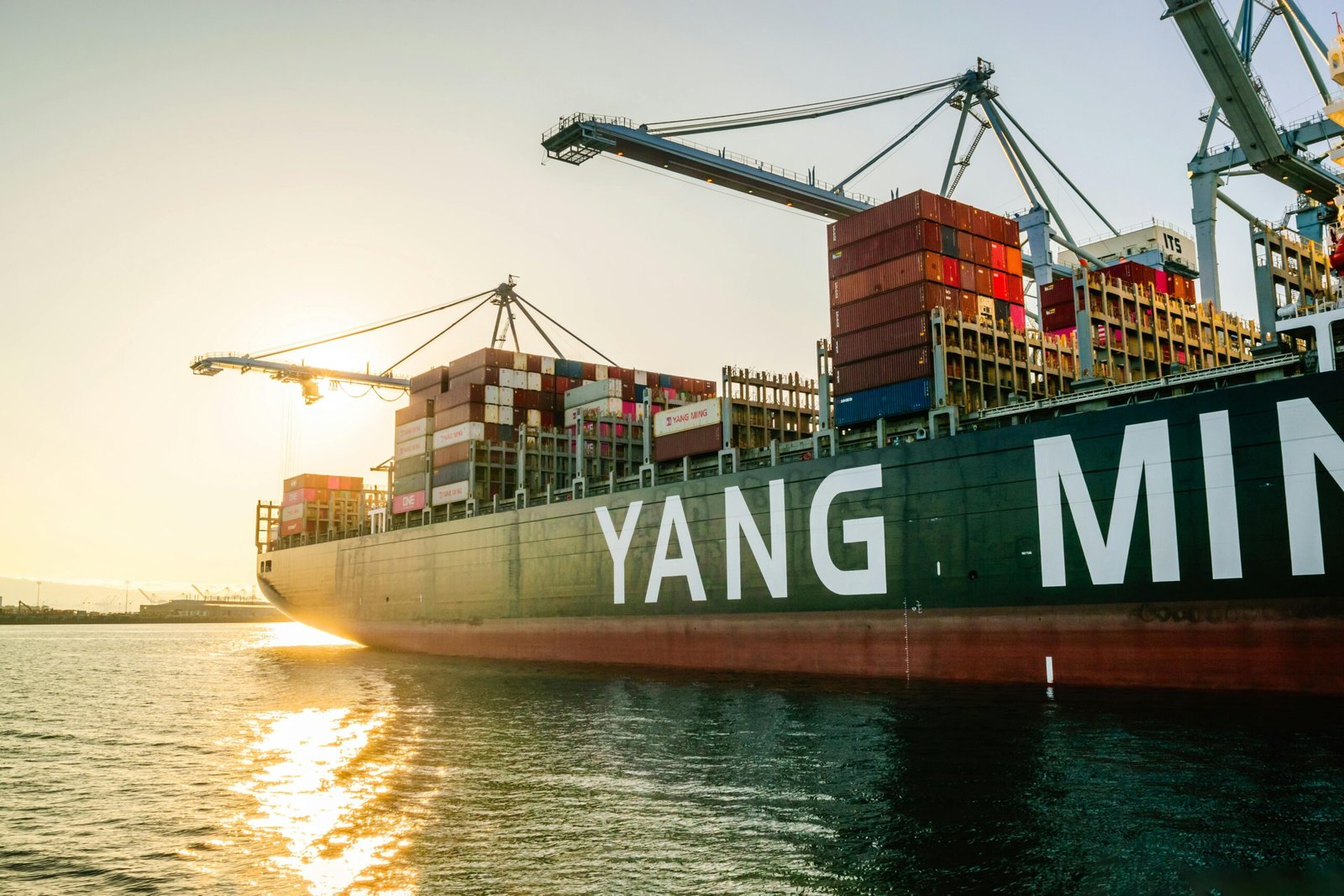
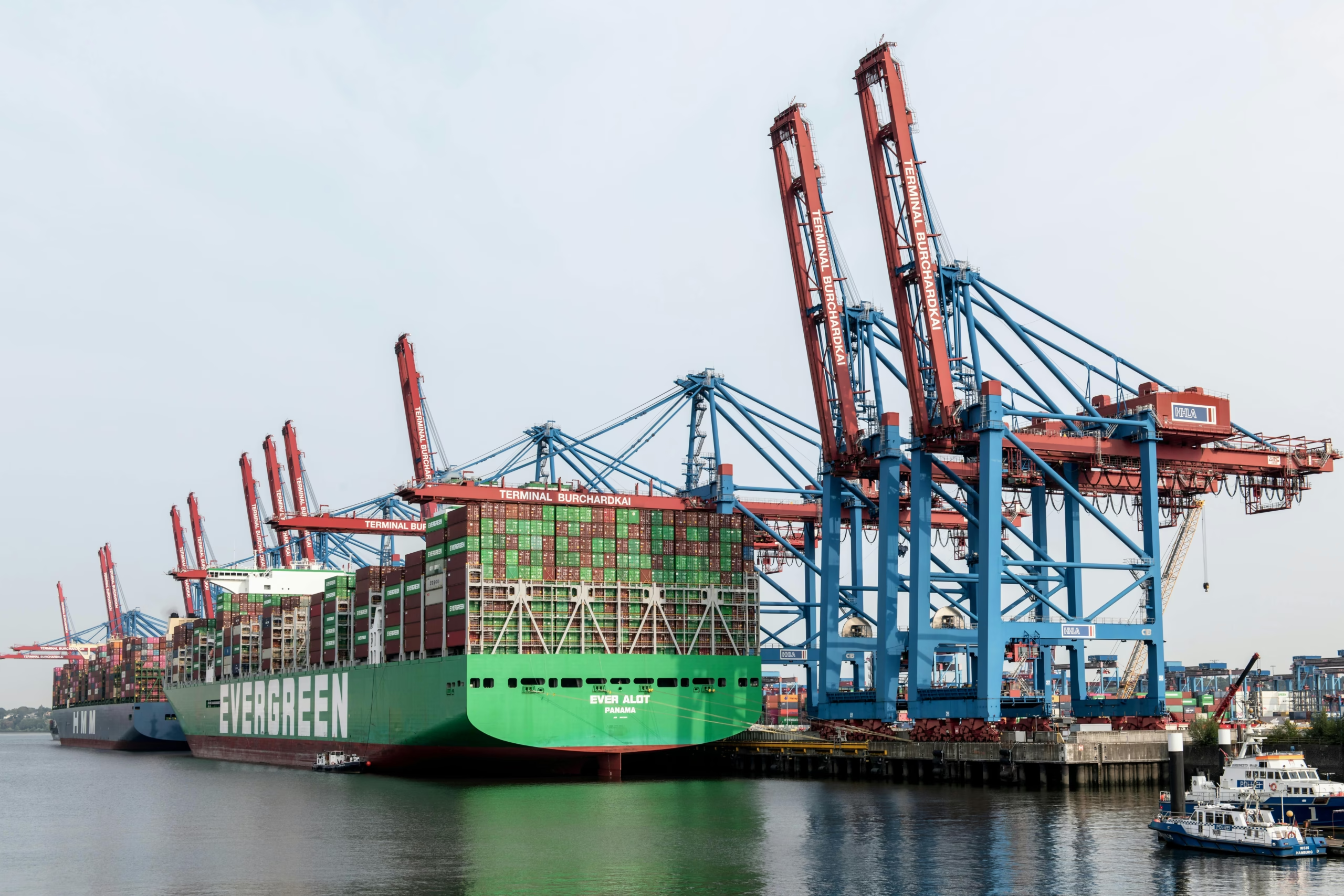
6. Shipping and Freight Charges
Shipping costs depend on:
- Mode of transport (sea or air)
- Cargo size and weight
- Origin country
- Shipping timelines
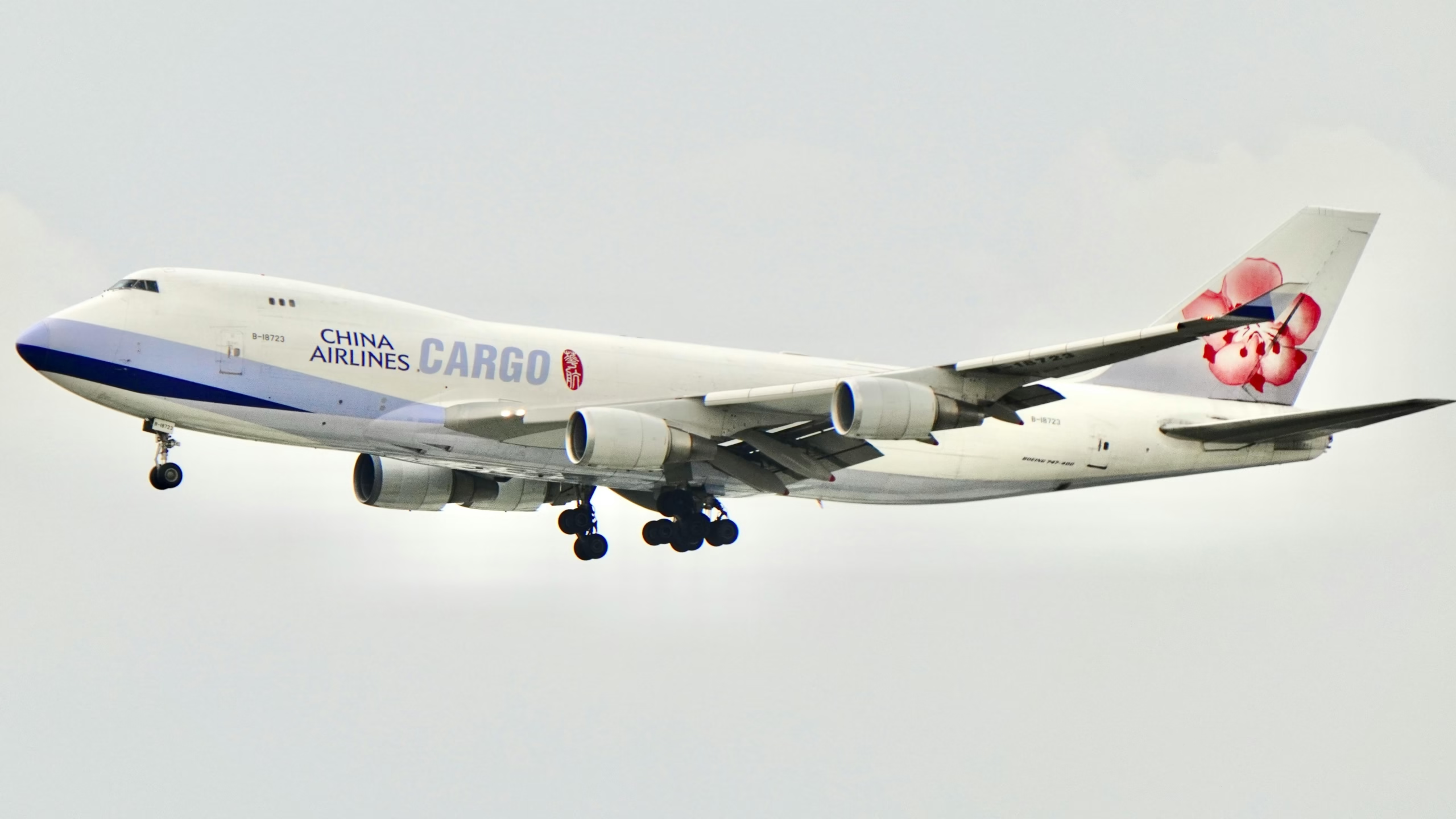
Sea freight is usually cheaper for bulk cargo, while air freight is faster but more expensive.
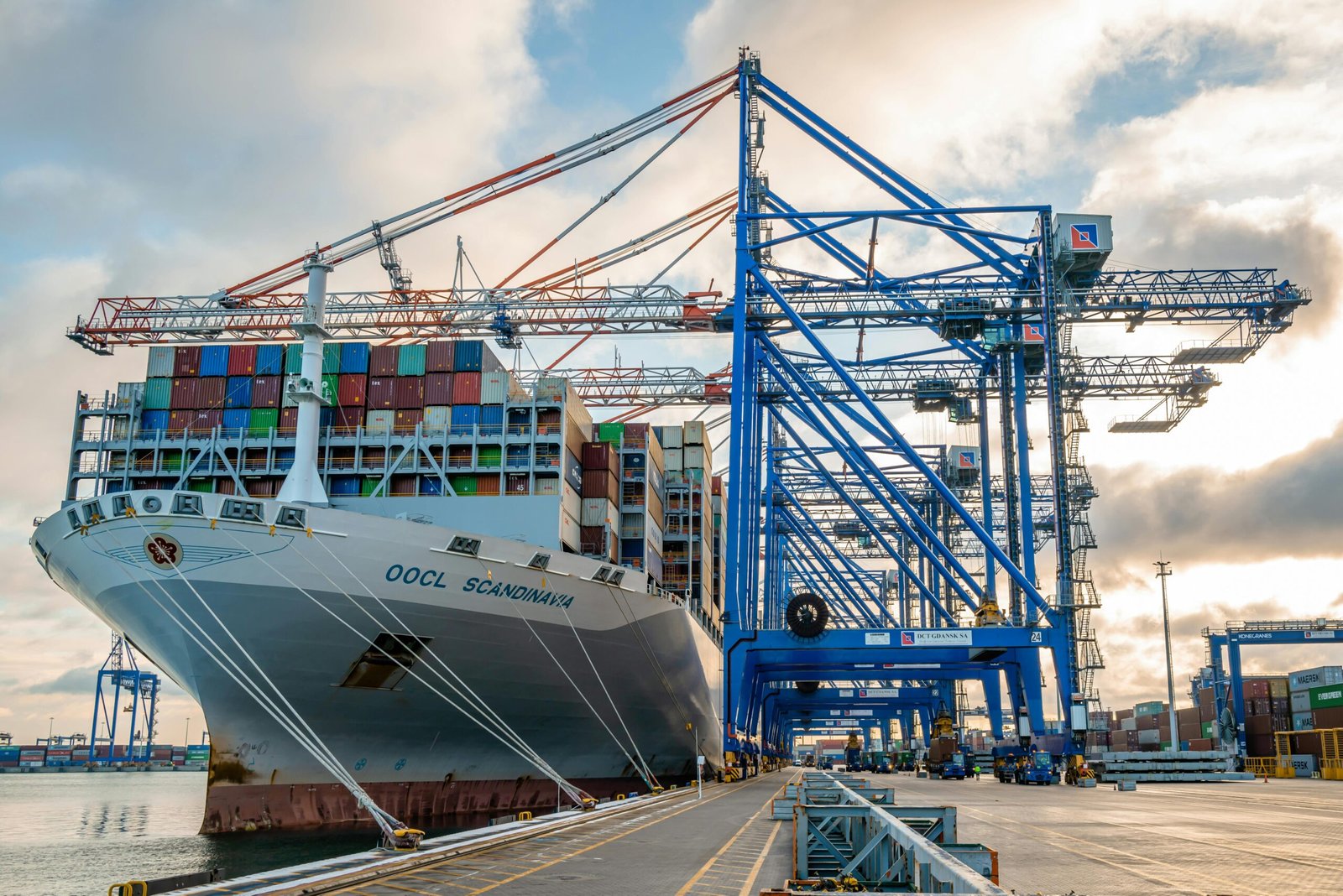
7. Port and Handling Charges
Once cargo arrives in Kenya, additional charges apply, including:
- Port handling fees
- Terminal charges
- Storage fees (if clearance is delayed)
Delays significantly increase these costs.
8. Clearing and Forwarding Fees
Clearing and forwarding services cover:
- Customs documentation
- Duty processing
- Cargo release coordination
- Regulatory compliance
Professional clearing agents help prevent costly errors and delays.
At Clearon Logistics, transparent pricing and early cost estimation help clients plan effectively and avoid surprises.
9. Regulatory and Inspection Costs
Some goods require approvals from agencies such as:
- KEBS
- KEPHIS
- Pharmacy and Poisons Board
These inspections may involve additional fees and time.
Common Cost Mistakes Importers Make
Many importers face unexpected costs due to:
- Incorrect HS codes
- Under-declared values
- Late document submission
- Poor logistics planning
These mistakes are avoidable with proper guidance.
How to Reduce Import Costs in Kenya
Smart importers:
- Use accurate HS codes
- Prepare documents early
- Budget for all taxes and levies
- Work with experienced logistics professionals
Early planning significantly reduces total import costs.
Why Expert Logistics Support Matters
Importing into Kenya involves more than shipping goods. It requires:
- Regulatory knowledge
- Accurate cost estimation
- Customs compliance
- Timely coordination
Experienced logistics partners help businesses import efficiently and cost-effectively.
Conclusion
Understanding the true cost of importing goods into Kenya helps businesses plan better, avoid delays, and control expenses. Import costs are predictable when handled correctly—and costly when ignored.
Proper classification, accurate documentation, and professional logistics support make all the difference. Get in touch with Clearon Logistics today and experience the difference!



Leave a Reply to How to Track Your Shipment and Ensure Timely Cargo Release in Kenya – CLEARON LOGISTICS Cancel reply