
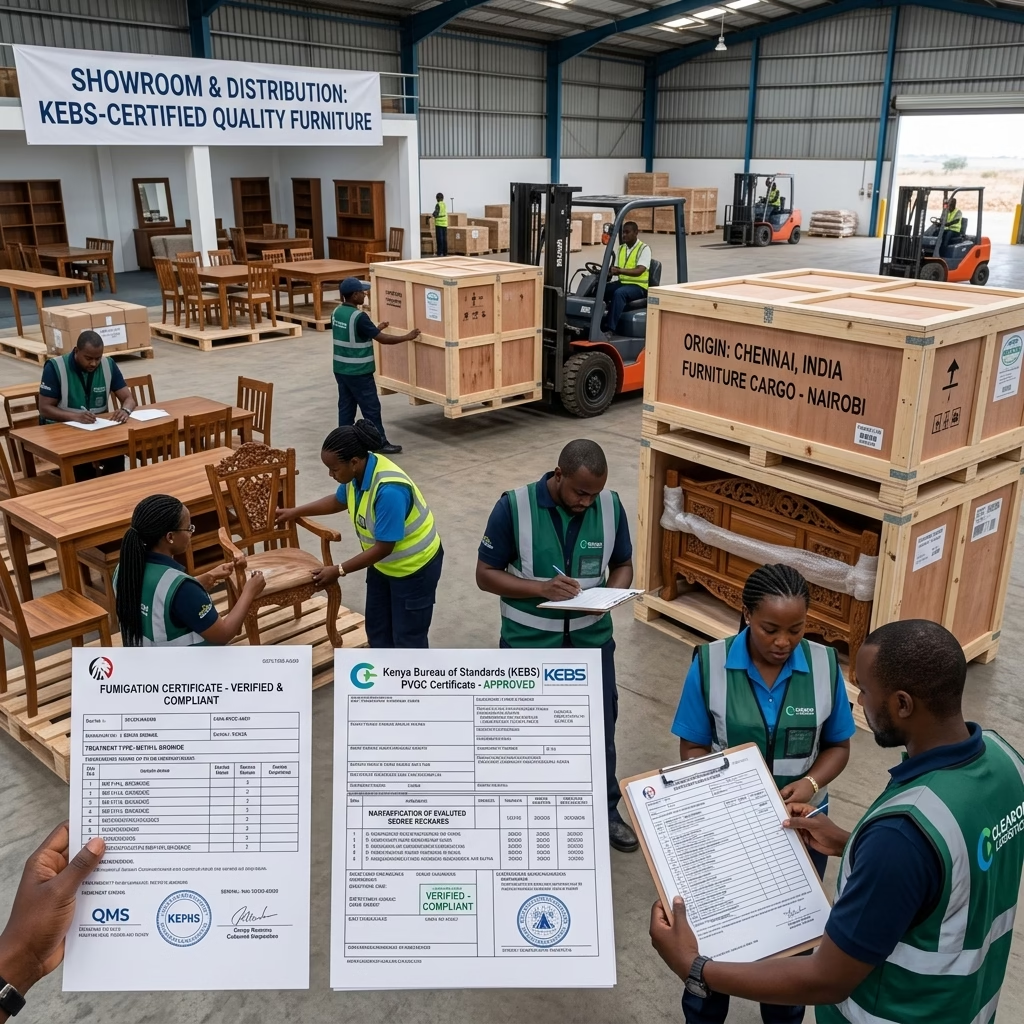
Importing furniture into Kenya has grown into a genuinely large trade category — Kenyans spent KSh 39.5 billion on furniture imports over a five-year period, according to Economic Survey data, driven by e-commerce access, a growing middle class, and a real estate boom favouring imported design and workmanship over local alternatives. It’s also a category KEBS has been actively cracking down on, specifically targeting the substandard furniture flooding the market alongside genuinely well-made imports.
Table of Contents
Why Furniture Imports Have Grown So Much
Kenya’s furniture import surge reflects several converging trends: easier access to foreign markets through e-commerce platforms, a growing middle-income population increasingly prioritising quality and design over price alone, and rapid urbanisation driving demand from interior designers and real estate developers working with an influx of foreign investment. Buyers frequently cite better workmanship, greater design diversity, and competitive pricing as reasons for preferring imported furniture over locally manufactured alternatives — a preference that’s helped fuel genuinely significant import volumes even though Africa as a whole accounts for a small fraction of the roughly $140 billion global furniture trade.
Wood Furniture Needs Fumigation or Heat Treatment
Any furniture made from raw, solid wood carries the same underlying pest and disease risk covered in our guide to ISPM 15 wood packaging — except here, the wood isn’t just packaging material, it’s the actual product. Solid wood furniture typically requires treatment through one of two accepted methods before import: heat treatment, using a kiln or controlled drying process, or chemical treatment, involving surface pesticide, preservative application, or fumigation. Untreated raw wood furniture carries genuine risk of harbouring pests or pathogens that could become invasive once introduced into a new environment — the same underlying concern that drives wood packaging treatment requirements internationally, applied here directly to the finished product itself.
The PVoC and Certificate of Conformity Process
Furniture imported into Kenya generally falls under the standard Pre-Export Verification of Conformity (PVoC) framework — inspection by a KEBS-appointed agent in the country of origin, resulting in a Certificate of Conformity before the goods ship. Products arriving without this certification face the standard destination inspection penalty applied across other regulated categories, and a documented agreement with your supplier — specifying that non-conforming goods will be shipped back to the country of origin at the supplier’s cost, not yours — is a recommended practice KEBS itself has specifically highlighted for importers to build into their sourcing arrangements.
Why KEBS Is Cracking Down Specifically Now
This isn’t abstract regulatory caution — it’s a response to documented, real consumer harm. KEBS has been vocal about clearing substandard furniture from the market specifically because of complaints like sofas with third-grade plastic components cracking within months, or furniture that fails structurally well before any reasonable expectation of durability. The core problem KEBS is targeting is straightforward: furniture that looks acceptable in a product photo can hide genuinely poor materials and construction that only become apparent once a customer has already paid for it and it’s failing in their home. Given how much money Kenyan consumers are now spending on imported furniture, KEBS has treated furniture quality as a genuine consumer protection priority, not a low-stakes category.
Composite and Engineered Wood Products Have Their Own Considerations
Not all furniture is solid wood — plywood, particleboard, and medium-density fibreboard (MDF) are common in modern furniture manufacturing, and these engineered wood products carry somewhat different considerations than raw sawn timber, since the manufacturing process itself (heat and pressure) already addresses much of the pest risk that drives raw wood treatment requirements. That said, composite wood products can carry their own separate compliance considerations — particularly around formaldehyde emissions from adhesives used in manufacturing, an area increasingly scrutinised in furniture-importing markets globally. Confirming exactly what standard applies to your specific furniture construction — solid wood, composite, or a mix — avoids assuming one treatment framework covers a product it doesn’t quite fit.
What This Means for Your Supplier Agreement
Given both the wood treatment requirement and KEBS’s active quality enforcement, a few practical steps protect furniture importers specifically:
- Confirm your supplier can provide fumigation or heat treatment documentation for solid wood pieces, not just an assurance the wood is “treated”
- Arrange PVoC inspection before shipment, rather than risking a costly destination inspection
- Build a return-to-supplier-cost clause into your purchase agreement, protecting you if goods fail Kenyan standards inspection
- Request material specifications and test data, particularly for upholstered furniture and pieces with plastic or composite components, given the documented quality complaints in this category
Getting Furniture Imports Right in a Growing, Scrutinised Category
Between genuine wood treatment requirements and KEBS’s active enforcement against substandard products, furniture importing rewards the same diligence as any other regulated category — arguably more, given how visible and consequential a furniture quality failure is to the end customer who’s living with it daily.
At Clearon Logistics, we help furniture importers confirm wood treatment documentation, arrange PVoC inspection, and structure supplier agreements that protect against non-compliant goods — so a growing category of trade doesn’t become the source of a costly quality dispute after the fact.
Importing furniture into Kenya? Talk to Clearon Logistics to confirm wood treatment and PVoC requirements before you order.
Frequently Asked Questions
Does all imported furniture need fumigation or heat treatment? Solid, raw wood furniture generally does, given the pest and disease risk raw wood carries — composite or engineered wood products (plywood, particleboard, MDF) carry somewhat different considerations since manufacturing already addresses much of that risk.
How much has Kenya’s furniture import trade grown? Kenyans spent KSh 39.5 billion on furniture imports over a five-year period according to Economic Survey data, driven by e-commerce access, a growing middle class, and real estate development trends.
Why is KEBS specifically cracking down on furniture quality? In response to documented consumer complaints about structural and material failures — like plastic components cracking within months — KEBS has treated furniture quality as a genuine consumer protection priority given how much Kenyans are now spending on imports.
What should I ask my furniture supplier for before shipping? Documentation of wood treatment (heat or chemical/fumigation) for solid wood pieces, material specifications for composite or upholstered components, and confirmation they’ll bear the cost of returning any goods that fail Kenyan standards inspection.
Further Reading
- Kenya Bureau of Standards (KEBS) — Import Inspection (external, dofollow)
- Kenya National Bureau of Statistics — Economic Survey (external, dofollow)
- Related on our blog: ISPM 15 Wood Packaging Kenya: 4 Facts Every Importer Must Check
- Related on our blog: What Happens If You Ship Goods to Kenya Without a Certificate of Conformity?
- Our service: Clearing and Forwarding Services in Kenya












Leave a Reply