
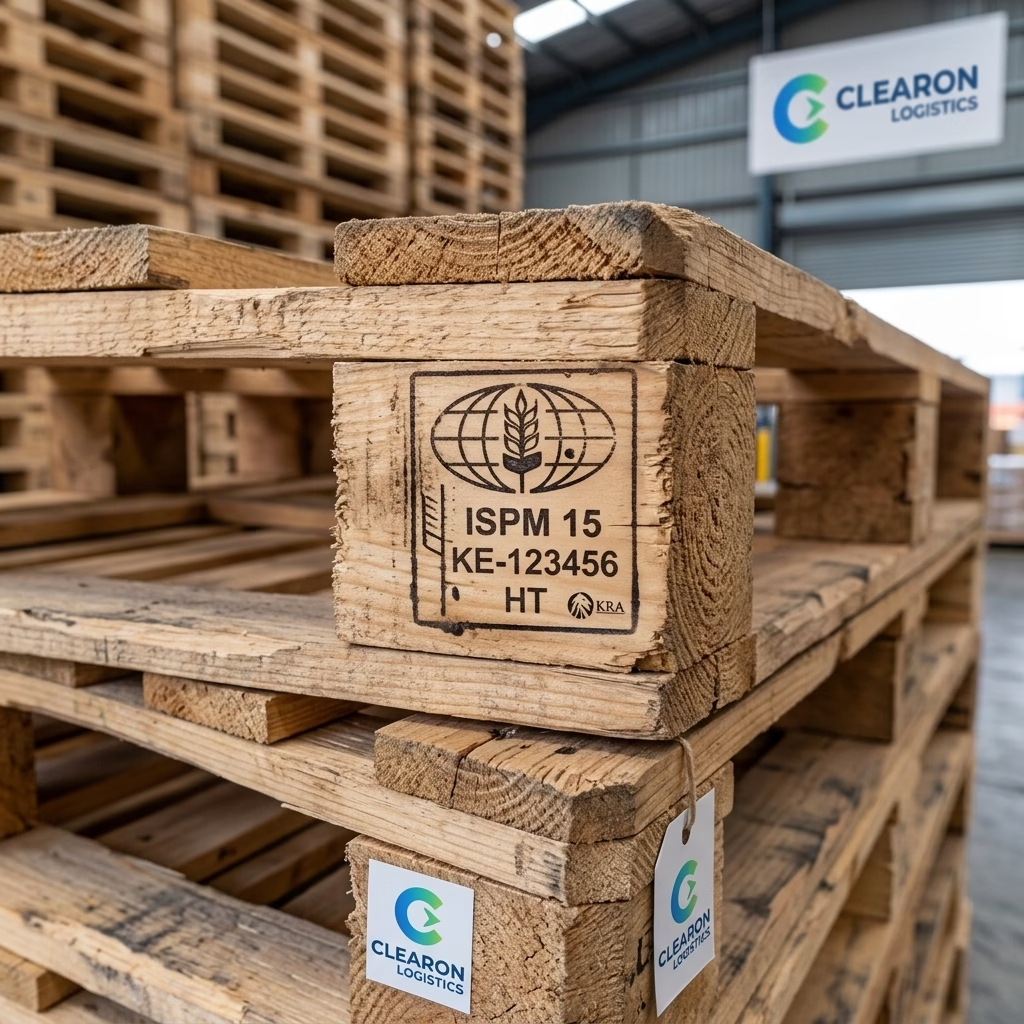
ISPM 15 wood packaging requirements apply to something so ordinary most importers never think about it at all: the wooden pallets and crates their cargo sits on. Kenya officially notified the World Trade Organization of its adoption of these requirements back in 2010, and KEPHIS enforces them at every point of entry today. If your supplier’s factory still ships on cheap, untreated wooden pallets, that alone — regardless of what’s stacked on top — can get your entire shipment held at the border.
Table of Contents
What ISPM 15 Actually Regulates
ISPM 15 is a global phytosanitary standard, developed under the International Plant Protection Convention and overseen by the UN Food and Agriculture Organization, that specifically targets raw wood packaging materials used in international shipping — pallets, crates, boxes, dunnage, and load-bearing wood frames. It has nothing to do with the goods inside your container; it’s entirely about the wood the goods are packed on or braced with. Currently, 84 countries enforce ISPM 15 requirements, and Kenya has been one of them since formally notifying the WTO of its adoption on 29 July 2010.
Why This Matters at All
Raw, untreated wood is a genuine pathway for pests and plant diseases to cross borders — insects and fungal spores can survive inside timber that hasn’t been properly treated, and once introduced into a new environment through international trade, they can cause serious agricultural and ecological damage. This is precisely the same underlying concern that drives KEPHIS’s phytosanitary requirements for agricultural imports more broadly — ISPM 15 simply extends that logic to the packaging itself, not just the product.
The Approved Treatment Methods
Wood packaging material can be brought into compliance through one of two internationally approved treatment methods:
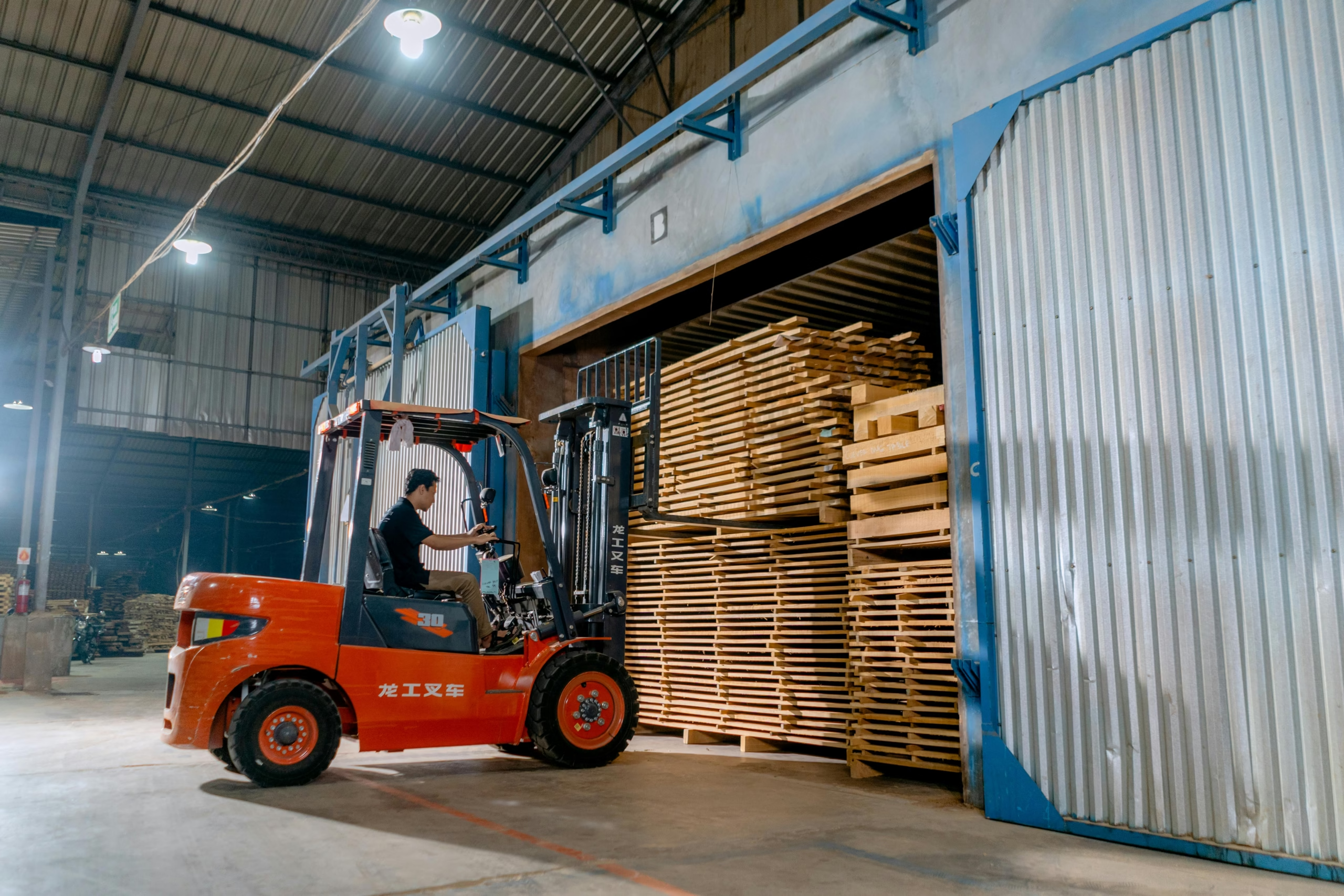
- Heat Treatment (HT) — the wood is heated to a core temperature of at least 56°C for a minimum of 30 minutes, the current global standard since 2010
- Methyl Bromide Fumigation (MB) — a chemical fumigation method that was historically common but has since been banned or restricted in a growing number of jurisdictions in favour of heat treatment
If you’re sourcing pallets or specifying packaging requirements with a supplier, confirming they use heat treatment rather than an older or non-standard method avoids running into an increasingly outdated compliance approach.
The Mark You Need to See on Every Pallet
Properly treated wood packaging must carry an official compliance stamp, generally including:
- The IPPC logo
- A two-letter country code identifying where the treatment took place
- A unique facility registration number for the treatment provider
For Kenyan-manufactured export packaging, this typically appears as an IPPC mark alongside a KEPHIS-accredited facility registration code. The absence of this mark — not just visibly damaged or suspect wood — is itself grounds for inspectors to flag a shipment, since the mark is the primary way inspectors confirm compliance without needing to test the wood directly.
What’s Exempt
Not all wood packaging falls under ISPM 15. Specifically exempt categories include:
- Wood 6mm or thinner in thickness, considered low phytosanitary risk
- Processed wood products — plywood, particleboard, and oriented strand board (OSB) — since the manufacturing process (heat and pressure) already eliminates the pest risk raw wood carries
- Wood packaging entirely free of raw wood components, such as packaging made from cardboard, plastic, or metal
If your supplier uses plastic pallets or fully engineered wood packaging rather than raw sawn timber, ISPM 15 compliance generally isn’t a concern for that specific shipment — worth confirming with your supplier if you’re trying to simplify compliance across multiple shipments.
What Happens If Your Pallets Aren’t Compliant
Non-compliant wood packaging material discovered at a Kenyan port of entry can result in the shipment facing delays, and depending on the severity, options typically include treatment on arrival (where feasible), destruction of the non-compliant packaging, or in more serious cases, rejection of the shipment entirely. Given that this issue relates purely to packaging rather than the goods themselves, it’s a genuinely frustrating and avoidable way to lose time and money — the product inside the container may be perfectly compliant while the pallet underneath it holds the entire shipment at the port.
A Compliance Check That Costs Nothing to Make
Because ISPM 15 compliance is entirely about what your supplier ships on, not what you’re actually buying, it’s easy to overlook amid all the other sourcing considerations — product quality, price, lead time. But confirming with your supplier upfront that their wood packaging is heat-treated and properly marked costs nothing and takes one email, while discovering a compliance gap at the Kenyan border costs real time and money.
At Clearon Logistics, we flag wood packaging compliance as a standard part of our pre-shipment checks with clients, since it’s exactly the kind of overlooked detail that can hold an otherwise perfectly compliant shipment at the port. We’d rather ask the question before your container ships than explain the delay after it’s already arrived.
Not sure if your supplier’s wooden pallets meet ISPM 15 requirements? Talk to Clearon Logistics before your next shipment leaves origin.
Frequently Asked Questions
Does ISPM 15 apply to the goods in my container, or just the wooden packaging? Just the wooden packaging — pallets, crates, dunnage, and wood frames. The goods themselves are governed by their own separate requirements (HS classification, permits, standards) entirely independent of ISPM 15.
How can I tell if my supplier’s pallets are ISPM 15 compliant without inspecting them myself? Look for the official compliance stamp — the IPPC logo, a two-letter country code, and a facility registration number. Its absence is itself a red flag, regardless of how the wood otherwise looks.
Are plastic pallets exempt from ISPM 15? Yes — since they contain no raw wood, plastic pallets fall outside ISPM 15’s scope entirely, which is one reason some exporters use them specifically to simplify compliance across multiple destination markets.
What happens if my shipment arrives with non-compliant wood packaging? Depending on severity, options typically include on-arrival treatment, destruction of the non-compliant packaging, or rejection of the shipment — all of which mean delay and added cost for an issue unrelated to the actual goods being imported.
Further Reading
- International Plant Protection Convention (IPPC) — ISPM 15 (external, dofollow)
- Kenya Plant Health Inspectorate Service (KEPHIS) (external, dofollow)
- Related on our blog: Importing Food and Beverage Products into Kenya: 5 Rules to Know
- Related on our blog: What Happens If You Ship Goods to Kenya Without a Certificate of Conformity?
- Our service: Clearing and Forwarding Services in Kenya










Leave a Reply