
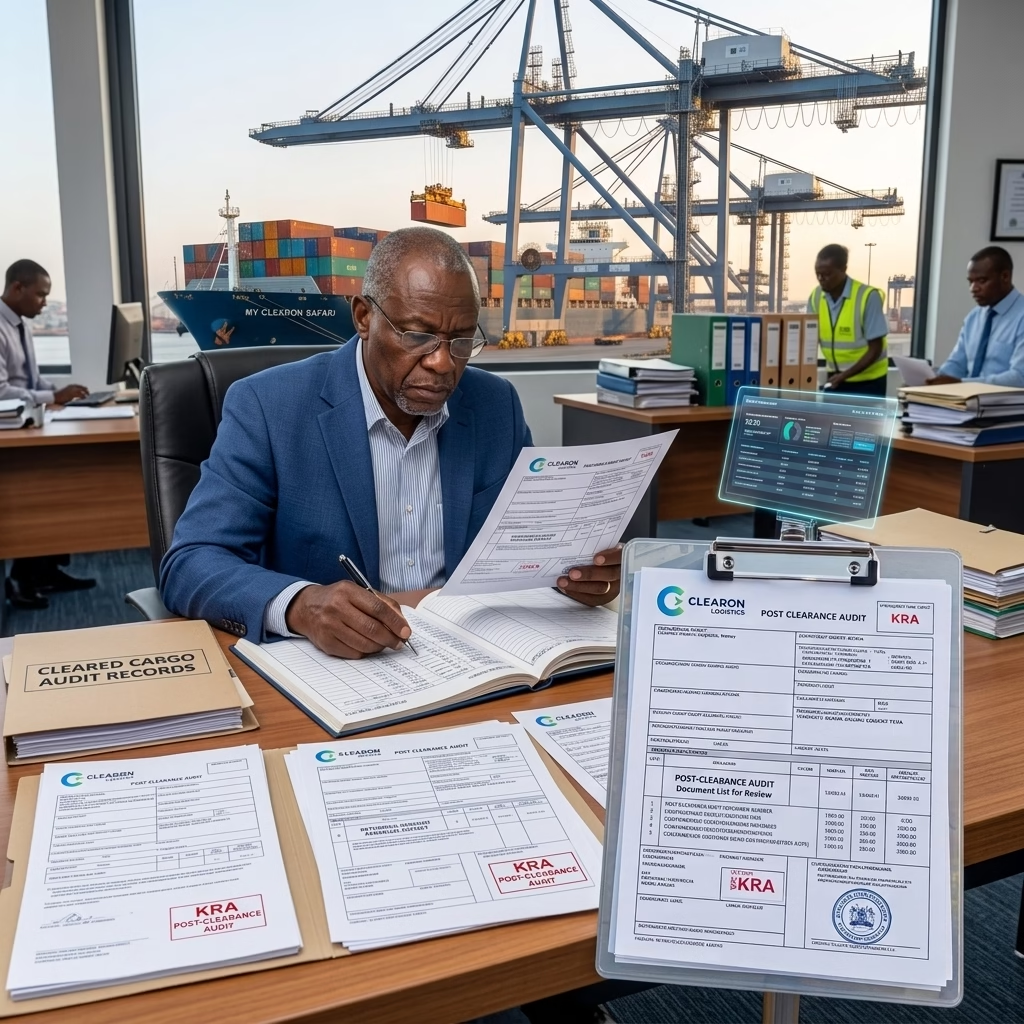
A KRA post-clearance audit can reopen your import file long after you thought the transaction was closed. Your cargo cleared, duty was paid, and the shipment left the port weeks or months ago — as far as most importers are concerned, that’s the end of it. It isn’t. The Kenya Revenue Authority can, and increasingly does, reopen it.
A post-clearance audit (PCA) is a review KRA conducts on import transactions and records after goods have already left customs control. It’s one of the most consequential parts of Kenya’s customs system that most importers only learn about once they’re already being audited.
Table of Contents
What a KRA Post-Clearance Audit Actually Checks
A PCA isn’t a random paperwork check — it’s a systematic review of whether your original declaration was accurate. KRA typically examines:
- Tariff classification — was the correct HS code used for the goods?
- Customs valuation — was the declared value calculated using the correct method?
- Country of origin — does the claimed origin match the evidence, especially where preferential duty rates were applied?
- Use of exemptions or relief programs — if you claimed duty relief, did the shipment actually qualify?
- Warehousing compliance, for goods that passed through a bonded warehouse
- Authenticity of supporting documentation overall
How Far Back Can KRA Go?
Under customs legislation, KRA can audit records going back up to five years. If fraud is suspected, that period can be extended further. This is why import documentation isn’t something to file away and forget — it’s something to retain and organise as if an audit could come at any point in that window.
What KRA Can Ask You to Produce
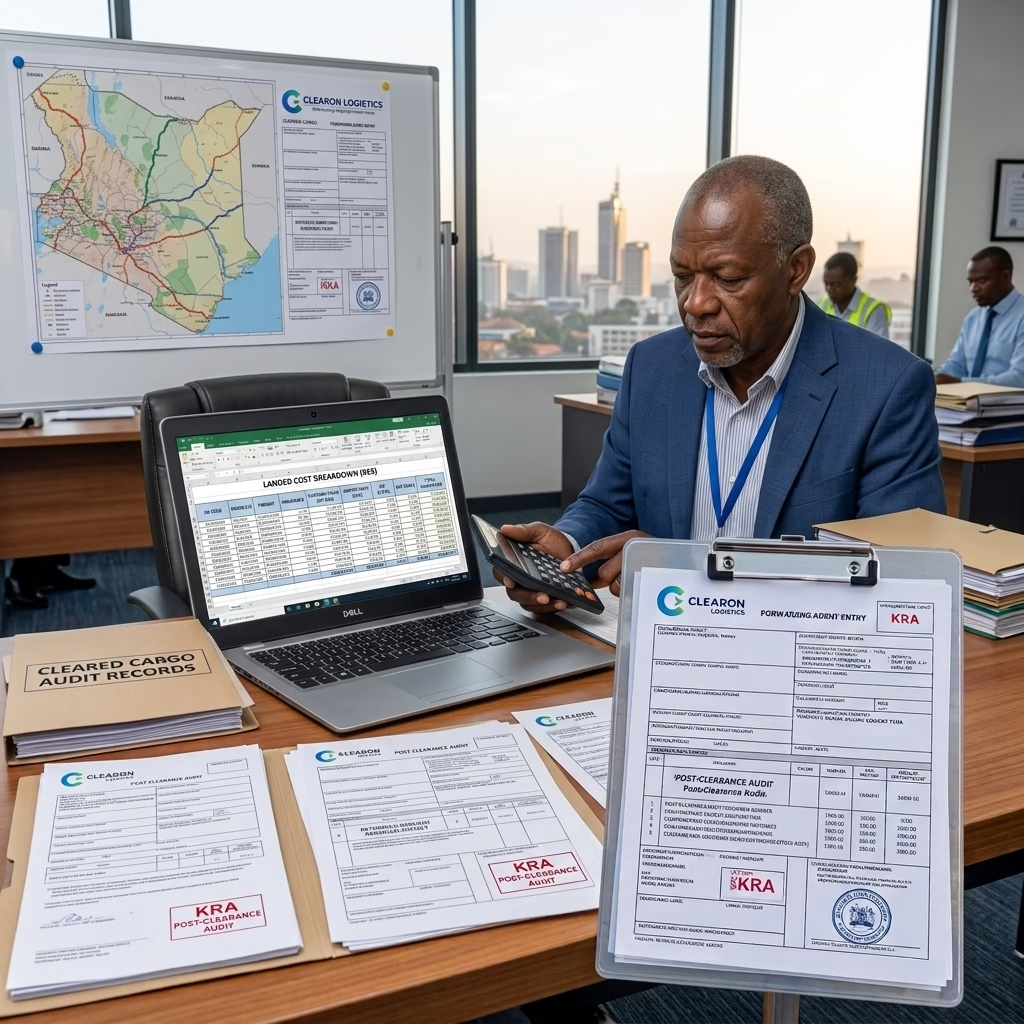
Because the burden of proof in customs matters sits with the importer, not KRA, you’re expected to substantiate your original declaration on request. Commonly requested records include:
- Import entries and the full set of supporting documents filed at the time
- VAT records
- Stock records, and sales and purchases journals
- General ledgers
- Bank statements showing payment of duties and the underlying transaction
If any of these can’t be produced cleanly, the audit tends to move from routine review to dispute.
Why KRA Is Auditing More, Not Less
Two things have converged to make PCAs more common. First, KRA’s Integrated Customs Management System (iCMS) now connects declaration, risk profiling, duty assessment, and post-clearance audit on a single platform, linked to systems like the Kenya Ports Authority’s KWATOS and NTSA’s TIMS — making it far easier for KRA to cross-reference a declaration against other data sources than it used to be. Second, KRA has been visibly more assertive about using PCAs to protect the tax base, with a number of audits generating tax demands running into the millions of shillings.
The result: importers who assumed their file was closed once cargo left the port are increasingly finding out otherwise.
What Changed in the Dispute Process
If you disagree with the outcome of a PCA, the process for challenging it has also changed recently. As of August 2025, Post Clearance Audit applications for review must be filed with an Independent Review of Objections office, separate from the auditing function itself — a structural change intended to make disputes fairer and reduce the drawn-out conflicts that used to be common between importers and customs officials. It’s a meaningful improvement, but it only helps if you engage with the process properly and on time.
How to Prepare Before an Audit Ever Happens
The importers who come through a PCA cleanly are almost always the ones who treated their documentation as an ongoing discipline, not a one-time filing exercise.
- Keep records organised and retrievable for at least five years — entries, invoices, valuation worksheets, correspondence, and proof of payment
- Periodically self-review your own declarations to catch classification or valuation issues before KRA does
- Assign someone internally (or work with a clearing agent) who understands customs procedure, so audit correspondence is handled by someone who knows what’s being asked and why
- Don’t wait for an audit notice to check your exemption or relief claims — if you’ve used any duty relief programs, confirm the underlying eligibility is properly documented now
Getting Ahead of It
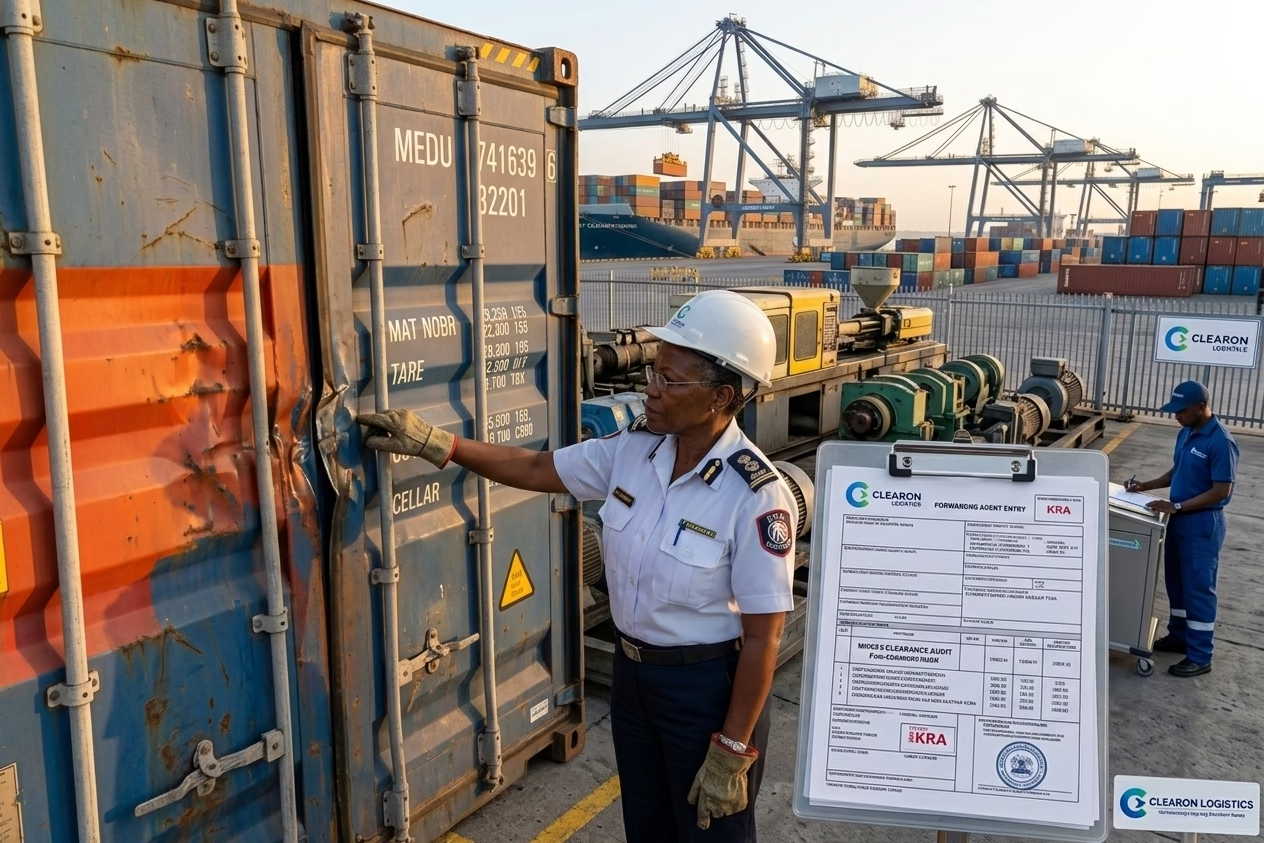
A post-clearance audit is far less stressful when your documentation was accurate the first time. That starts at the point of clearance — correct HS classification, defensible valuation, and complete supporting documents filed alongside the original declaration, not assembled after the fact.
At Clearon Logistics, we prepare clearance documentation with audit defensibility in mind from day one, and we help importers organise records so that if a PCA notice does arrive, you’re not scrambling.
Not sure your import records would hold up to a KRA audit? Talk to Clearon Logistics about a compliance review.
Further Reading
- KRA — Customs & Border Control overview
- ALN — Navigating Post Clearance Audits by KRA
- Related on our blog: Cargo Held by Customs in Kenya? Here’s What to Do
- Related on our blog: Essential Shipping and Customs Documentation in Kenya
- Our service: Clearing and Forwarding Services in Kenya
Frequently Asked Questions
How far back can KRA audit my import records? Up to five years under standard customs legislation, and longer if fraud is suspected.
What’s the most common reason importers fail a post-clearance audit? Incomplete or inconsistent supporting documentation — particularly around valuation and tariff classification — rather than deliberate wrongdoing.
Who has to prove the original declaration was correct — me or KRA? The burden of proof sits with the importer. You’re expected to substantiate your declaration if KRA requests supporting records.
What do I do if I disagree with a PCA demand notice? As of August 2025, applications for review must be filed with the Independent Review of Objections office, separate from the audit team — this is designed to give importers a fairer, independent path to challenge the finding.





Leave a Reply