
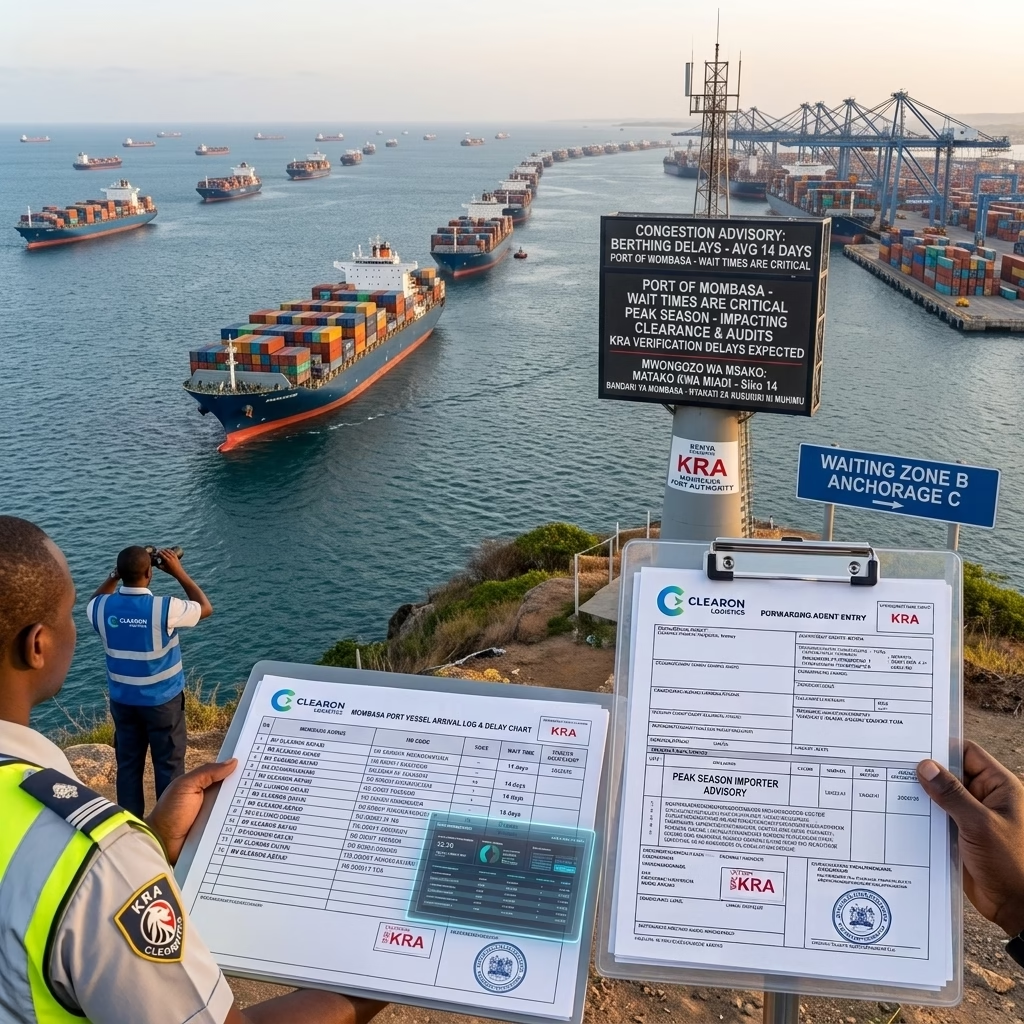
Peak season shipping to Kenya — roughly late October through January — is the single most predictable, and most disruptive, stretch of the entire import calendar. Every year, as traders rush to stock up ahead of the Christmas period, Mombasa Port sees its heaviest vessel traffic of the year. Every year, without fail, some importers get caught off guard by the same congestion, the same surcharges, and the same weeks-long delays.
Table of Contents
Why Peak Season Hits Kenya So Hard
Mombasa Port traditionally records its heaviest traffic in November, building from increased shipping activity from late July into October as traders restock ahead of the festive period. In a recent peak, more than 50 vessels — including over 30 container ships — were expected to dock within a single two-week window, a volume the port’s crane capacity and gate operations are routinely stretched to absorb.
The problem compounds when other regional ports face their own disruptions. During the most recent peak season, congestion at the Port of Dar es Salaam pushed additional vessel traffic toward Mombasa, and at one point nearly 30 ships were queued waiting to berth at once — a scale of backlog that took weeks to work through even after the immediate cause eased.
What Congestion Actually Costs You
Peak season congestion isn’t just a delay — it’s a direct cost in several forms:
- Demurrage and storage charges accumulate for every extra day your cargo sits at port beyond its free period, and during peak season, “extra days” become the norm rather than the exception
- Shipping line surcharges. During a recent congestion spike, one major carrier announced a congestion surcharge of $500 per container on cargo bound for Mombasa from certain origin regions — a cost passed directly to cargo owners
- Missed selling windows. Traders who import seasonal or festive stock have reported losing early sales entirely when consignments that would normally have sold out by mid-November were still stuck awaiting clearance
- Compounding delays from empty-container backlogs, as shipping lines prioritise moving new cargo over repatriating empties, worsening yard congestion at container freight stations
Why It’s Getting Worse, Not Better
Recent peak seasons have shown this isn’t a one-off problem. Congestion has been driven by a combination of genuinely high seasonal demand, spillover from disruptions at competing regional ports, and periodic labour and operational tensions at Mombasa itself. Industry groups have publicly warned that persistent congestion risks Kenya’s standing as a competitive regional trade hub — and shippers have, at points, threatened to halt operations entirely over unresolved backlogs. None of this is likely to fully resolve in a single season; it’s a structural pressure point that returns every year.
5 Ways to Plan Around Peak Season
- Ship earlier than you think you need to. If your goods are destined for the Christmas selling season, the safest window closes well before November — cargo shipped in September or early October avoids the worst of the crunch entirely.
- Confirm your CFS nomination in advance. With cargo increasingly required to move off-port for clearance, having your Container Freight Station confirmed before your vessel arrives avoids default allocation and unplanned handling delays.
- Budget for possible surcharges into your landed cost, rather than being caught by a mid-transit announcement from your shipping line.
- Get regular status updates, not just a delivery date. During peak season, timelines shift week to week — importers who only find out about a delay after it’s already cost them money are the ones who lose the most.
- Work with a clearing agent who tracks port conditions actively, rather than one who only engages once your container has already arrived and the clock on demurrage-free days has already started.
How Clearon Approaches Peak Season
This is exactly where the value of working with an experienced agent shows up most. At Clearon Logistics, we advise clients on timing before they ship — flagging when a shipment window is heading into peak-season risk, giving a clear, honest breakdown of what additional costs might apply, and keeping clients updated with real information throughout, not silence until something goes wrong. Peak season doesn’t have to mean surprises; it means planning earlier and communicating more, which is exactly the personal, proactive approach we build into every shipment we handle.
Shipping into peak season this year? Talk to Clearon Logistics now — planning ahead is the single biggest lever you have.
Frequently Asked Questions
When exactly is peak season for shipping to Kenya? Roughly late October through January, with the heaviest port congestion typically building through November and into December ahead of the festive period.
Can I avoid peak-season surcharges entirely? Not always — some are applied broadly by shipping lines during acute congestion — but shipping earlier in the season and choosing routes less affected by regional diversions can reduce your exposure significantly.
Why does congestion at other African ports affect Mombasa? When ports like Dar es Salaam face disruptions, shipping lines sometimes divert vessels to Mombasa instead, adding to an already heavy seasonal load.
Is it worth paying more to ship earlier and avoid peak season? For time-sensitive or seasonal goods, usually yes — the cost of shipping slightly earlier is typically far lower than accumulated demurrage, surcharges, and lost selling days during a congested peak.
Further Reading
- Kenya Ports Authority — official port notices and updates (external, dofollow)
- Shippers Council of Eastern Africa (external, dofollow)
- Related on our blog: Demurrage Charges in Kenya Explained
- Related on our blog: The Importance of Timing Your Orders Right
- Our service: International Freight (Air & Sea)






Leave a Reply