
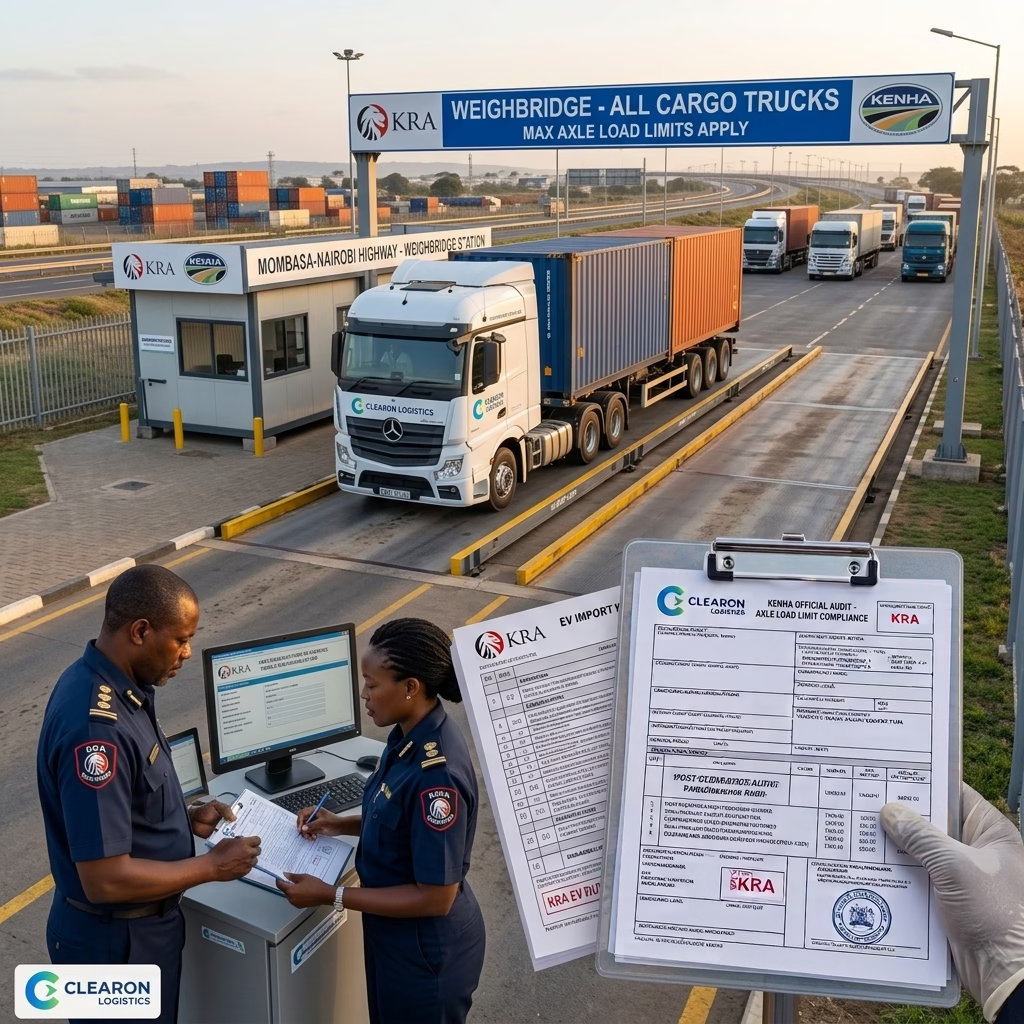
Weighbridges and axle load limits in Kenya cover a part of the import journey that most cost estimates quietly skip: the road trip from Mombasa Port to your actual warehouse. Your cargo can clear customs perfectly, pass every KEBS and permit check, and still get delayed or fined on the highway — not because anything about the shipment itself was wrong, but because the truck carrying it was overloaded on a specific axle. This is a cost and delay risk that sits entirely outside the customs process itself, and it catches importers who’ve never thought past “clearance” as the finish line.
Table of Contents
Why This Matters to You as an Importer, Not Just the Trucker
It’s easy to assume axle load compliance is purely your transporter’s problem — after all, they’re the ones driving the truck. In practice, an overloaded consignment can mean your cargo gets held at a weighbridge station until it’s redistributed or repacked, adding delay on top of everything you’ve already spent time and money clearing through customs. For importers moving bulk, dense, or heavy cargo — steel, cement, machinery, the construction materials and agricultural machinery categories covered elsewhere on our blog — this is a genuinely practical cost consideration, not an abstract regulatory detail.
How Kenya’s Axle Load System Actually Works
Kenya regulates truck loading by axle load, not simply total vehicle weight — meaning a truck’s overall cargo weight can be within legal limits while still being illegally distributed across individual axles, triggering a violation regardless of the total tonnage. This distinction matters for how cargo gets packed and loaded onto a truck at origin: even weight, evenly distributed, isn’t automatically compliant if it’s concentrated wrong across the vehicle’s specific axle configuration.
The Legal Limits
Kenya’s axle load and vehicle dimension standards are set under the Traffic Act (Cap 403) and the Weights and Measures Act, aligned with East African Community guidelines. The maximum permissible gross vehicle weight is 56 metric tonnes, for vehicles with up to seven axles, following bridge formula distribution principles that determine how weight should be spread across a given axle configuration. A general tolerance allowance — commonly cited around 5% — is built into enforcement to account for natural cargo movement during transit, but this is a buffer for genuine in-transit shift, not a target margin to load against.
Static, Mobile, and Virtual Weighbridges
Kenya’s enforcement infrastructure uses three types of weighing systems:
- Static weighbridges — fixed stations along major routes, including the well-known Mariakani weighbridge on the Mombasa-Nairobi corridor, one of the country’s busiest enforcement points
- Mobile weighbridge units — deployable enforcement teams that supplement fixed stations
- Virtual weighbridges — modern monitoring technology that verifies load compliance without requiring a truck to physically stop at a traditional station
All static weighbridges are now integrated with a centralised management system at the Kenya National Highways Authority (KeNHA) headquarters in Nairobi, enabling real-time monitoring of vehicle data — meaning compliance data from a scale in Mombasa or Kilifi is visible centrally, not siloed at the individual station.
The SOLAS Container Weight Requirement
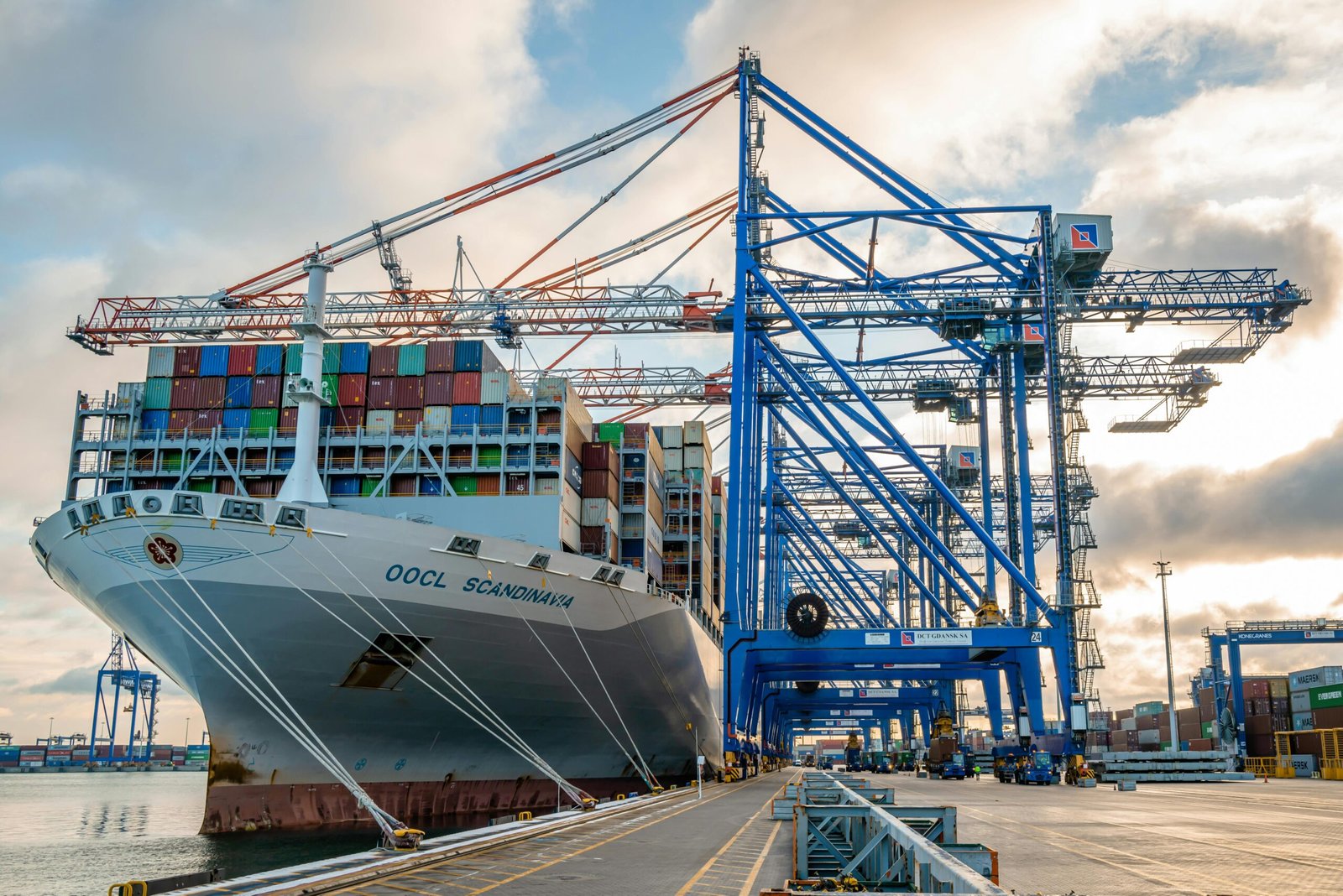
Separate from road axle load rules, there’s a related but distinct international requirement worth knowing: under the SOLAS (Safety of Life at Sea) Verified Gross Mass regulation, a container’s total weight must be verified and declared before it can be loaded onto a vessel — using calibrated, certified weighing equipment. This applies at the point of export loading, well before your cargo ever reaches a Kenyan weighbridge, and confirms the container’s actual weight matches its declared weight for maritime safety purposes. If your export documentation doesn’t carry a properly verified gross mass, this can hold up loading at the origin port entirely — a parallel compliance step to axle load rules, but governed by international maritime law rather than Kenyan road regulations.
Enforcement Has Gotten Considerably Stricter
Axle load enforcement in Kenya hasn’t always run smoothly — the Mariakani weighbridge has a documented history of standoffs between transporters and the Kenya National Highways Authority, including protests and road blockages when drivers pushed back against strict enforcement. More recently, KeNHA has partnered with the Judiciary, the Kenya Transporters Association, and the Kenya Association of Manufacturers specifically to raise compliance levels through a combination of stakeholder collaboration and digital enforcement — an approach the authority describes as making violations considerably harder to avoid than in the past, given the centralised, real-time monitoring now in place. For importers, this means treating weighbridge compliance as a real operational risk today, not something historically loosely enforced and likely to stay that way.
Building This Into Your Import Planning
Weighbridge compliance sits in the gap between customs clearance and final delivery — a stage of the journey that’s easy to overlook when budgeting and planning a shipment, precisely because it happens after the part most importers think of as “the hard part.” For heavy or dense cargo especially, confirming with your transporter that loading has been planned around axle compliance, not just total weight, avoids an entirely avoidable delay on the final leg of an otherwise smoothly cleared shipment.
At Clearon Logistics, we coordinate the full journey from Mombasa Port to final delivery, not just the customs clearance step — including confirming that inland transport is properly planned around axle load compliance, so a shipment that cleared cleanly at the port doesn’t run into an avoidable delay on the highway.
Moving heavy or bulk cargo from Mombasa Port to your final destination? Talk to Clearon Logistics about coordinating compliant inland transport.
Frequently Asked Questions
Is axle load compliance only the transporter’s responsibility, or does it affect the importer too? Practically, it affects both — an overloaded truck held at a weighbridge delays your cargo’s final delivery regardless of who’s technically responsible for the violation, so it’s worth confirming with your transporter as part of planning the full journey.
What’s the maximum gross vehicle weight allowed in Kenya? 56 metric tonnes for vehicles with up to seven axles, following bridge formula distribution principles aligned with East African Community guidelines.
Is the SOLAS Verified Gross Mass requirement the same as Kenya’s axle load rules? No — SOLAS VGM is an international maritime safety requirement verifying a container’s weight before ocean loading at origin, separate from Kenya’s domestic road axle load regulations that apply once cargo is moving inland by truck.
Has weighbridge enforcement in Kenya gotten stricter recently? Yes — recent partnerships between KeNHA, the Judiciary, and transport industry stakeholders, combined with centralised digital monitoring, have made compliance considerably harder to avoid than in earlier years, when enforcement faced more inconsistent application and transporter pushback.
Further Reading
- Kenya National Highways Authority (KeNHA) (external, dofollow)
- International Maritime Organization — SOLAS Verified Gross Mass (external, dofollow)
- Related on our blog: Importing Construction Materials into Kenya: 5 KEBS Standards to Verify
- Related on our blog: ICD Nairobi vs Mombasa Port Clearance
- Our service: Clearing and Forwarding Services in Kenya








Leave a Reply