
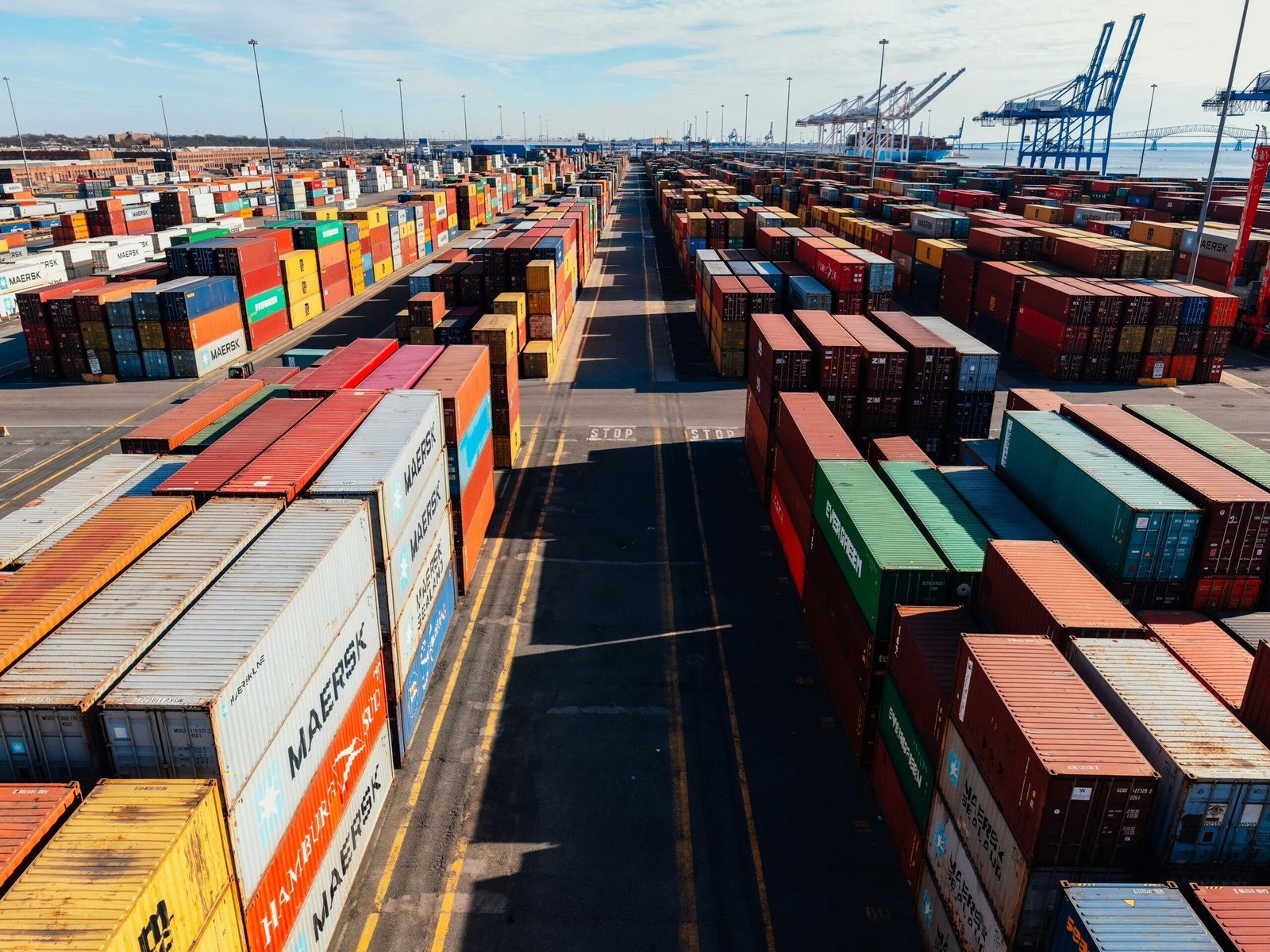
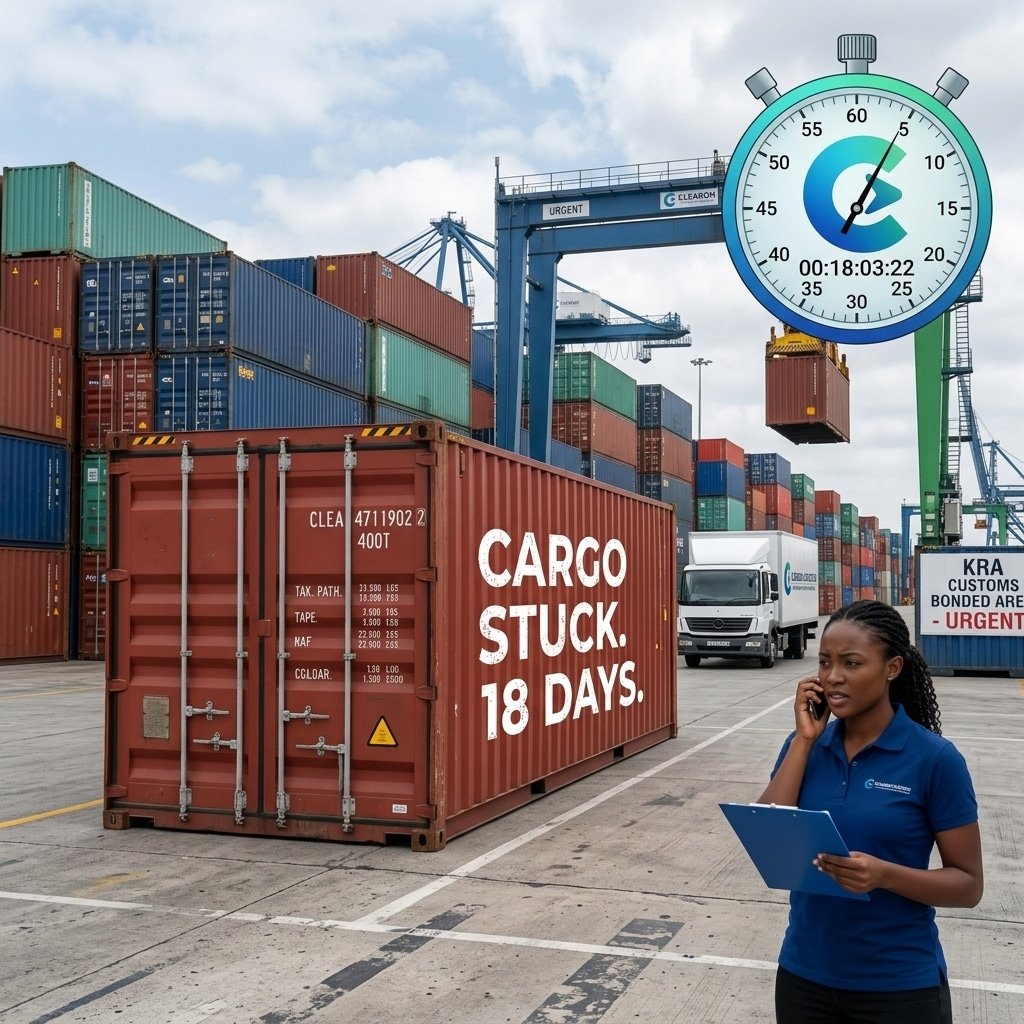
If you’ve ever imported goods through the Port of Mombasa, you’ve likely heard of demurrage and detention charges.
These are some of the most frustrating and costly expenses importers face — often unexpected and avoidable.
In this guide, you’ll learn:
- What demurrage and detention mean
- The difference between them
- How they are charged in Kenya
- Real-life cost examples
- Proven ways to avoid them
Understanding this can save you thousands in unnecessary charges.
What Is Demurrage?
Demurrage is a fee charged when your cargo stays at the port or terminal longer than the allowed free period.
This happens when:
- Your container is not cleared on time
- Documentation is incomplete
- Taxes are not paid promptly
- There are customs delays
Simple explanation:
Demurrage = Paying for cargo staying too long at the port
What Is Detention?
Detention is charged when you take the container out of the port but delay returning the empty container to the shipping line.
Simple explanation:
Detention = Paying for keeping the container too long outside the port
Key Difference Between Demurrage and Detention
| Charge Type | Where It Happens | When It Applies |
|---|---|---|
| Demurrage | Inside port/terminal | Cargo not cleared on time |
| Detention | Outside port | Container not returned on time |
Both can apply to the same shipment — and costs can escalate quickly.
How Demurrage Charges Work in Kenya
Shipping lines and port operators usually offer a free period (e.g., 3–7 days).
After that:
- Charges increase daily
- Rates increase progressively (day 1–5 lower, day 6+ higher)
Example:
- Free period: 5 days
- Day 6–10: KES 5,000/day
- Day 11+: KES 10,000/day
If your cargo delays by 10 days:
→ You could pay KES 50,000+ in demurrage alone
How Detention Charges Work
Shipping lines also give a free container usage period.
If you delay returning:
- You pay daily detention charges
- Rates depend on container size (20ft / 40ft)
Example:
- Free period: 7 days
- After that: KES 4,000/day
If you delay 5 days:
→ You pay KES 20,000 detention
Real-Life Scenario
An importer delays clearing goods due to:
- Missing IDF
- Late duty payment
- Incorrect HS code
Result:
- 7 days demurrage = KES 35,000
- 5 days detention = KES 20,000
Total loss: KES 55,000 — avoidable
Top Causes of Demurrage and Detention in Kenya
1. Delayed Customs Clearance
Late document submission or incorrect declarations.
2. Late Payment of Taxes
Failure to pay duty, VAT, IDF, and RDL on time.
3. Missing or Incorrect Documentation
- Invoice mismatch
- Missing permits
- Invalid certificates
4. Port Congestion
Especially during peak seasons.
5. Poor Coordination
Between importer, supplier, and clearing agent.
How to Avoid Demurrage and Detention
1. Prepare Documents Before Cargo Arrival
Ensure all documents are ready before shipment reaches Kenya.
2. Pre-Calculate Duties
Know your exact tax obligations early to avoid payment delays.
3. Use a Reliable Clearing Agent
Professional handling reduces delays significantly.
4. Track Shipment Closely
Know arrival dates and act immediately.
5. Plan Container Return in Advance
Avoid holding containers unnecessarily.
6. Communicate with All Parties
Supplier, shipping line, and agent must be aligned.
How Clearon Logistics Helps You Avoid These Charges
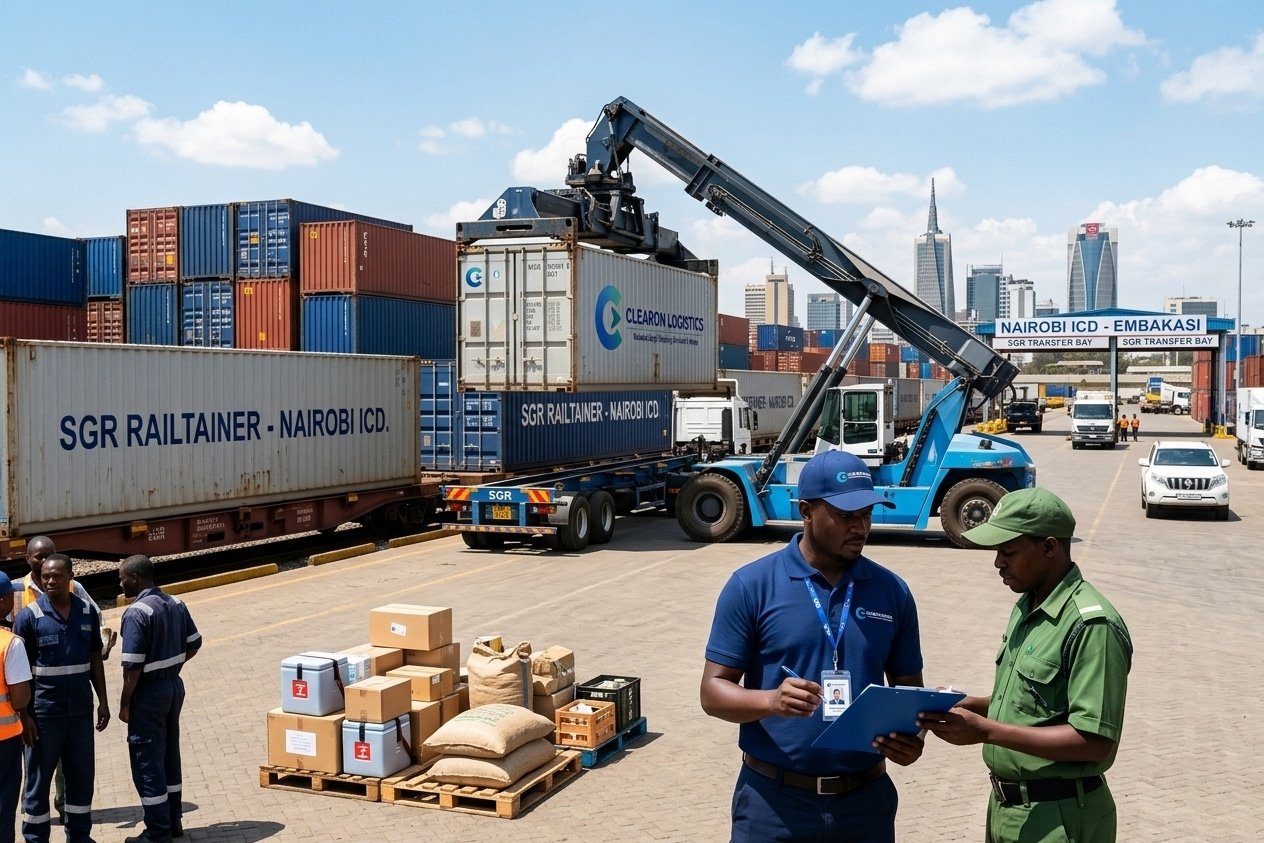
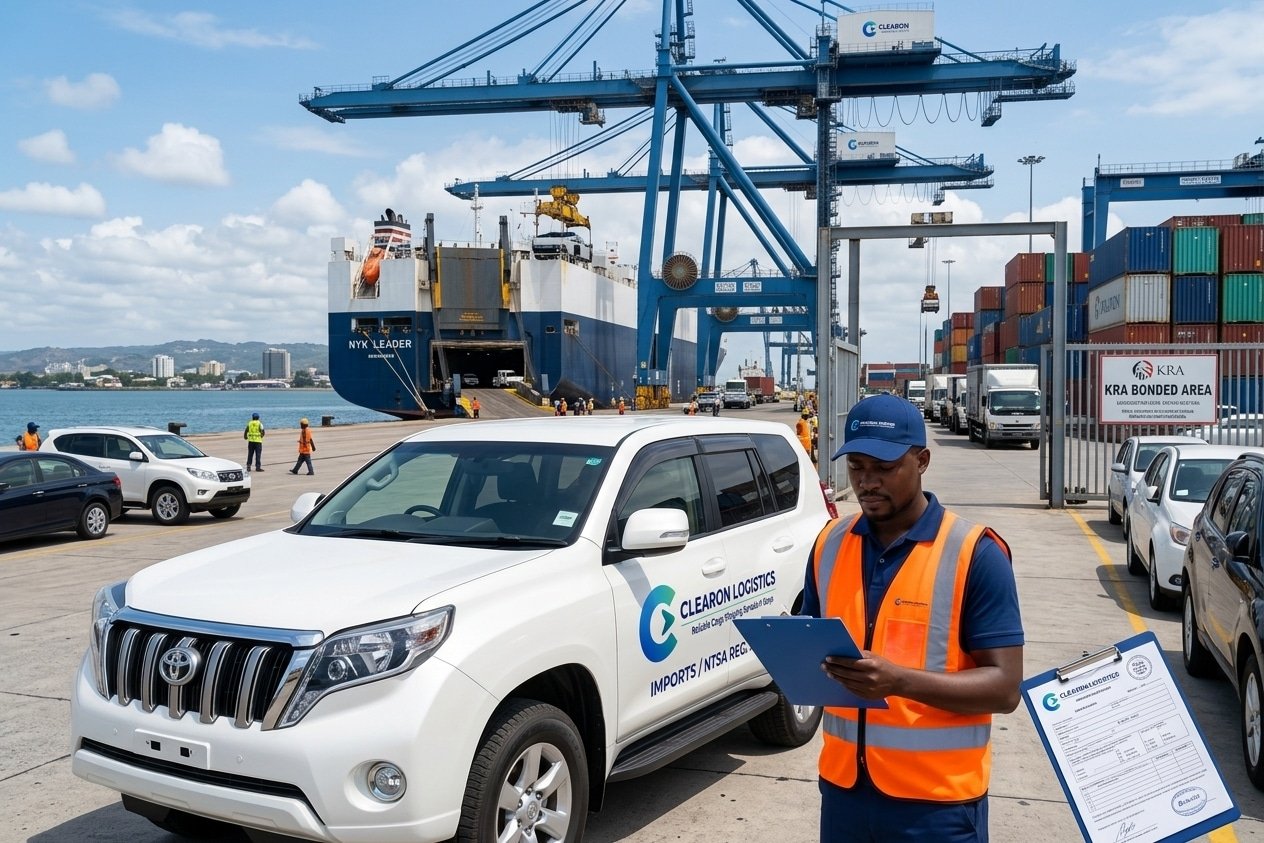
At Clearon Logistics, we focus on preventing delays before they happen:
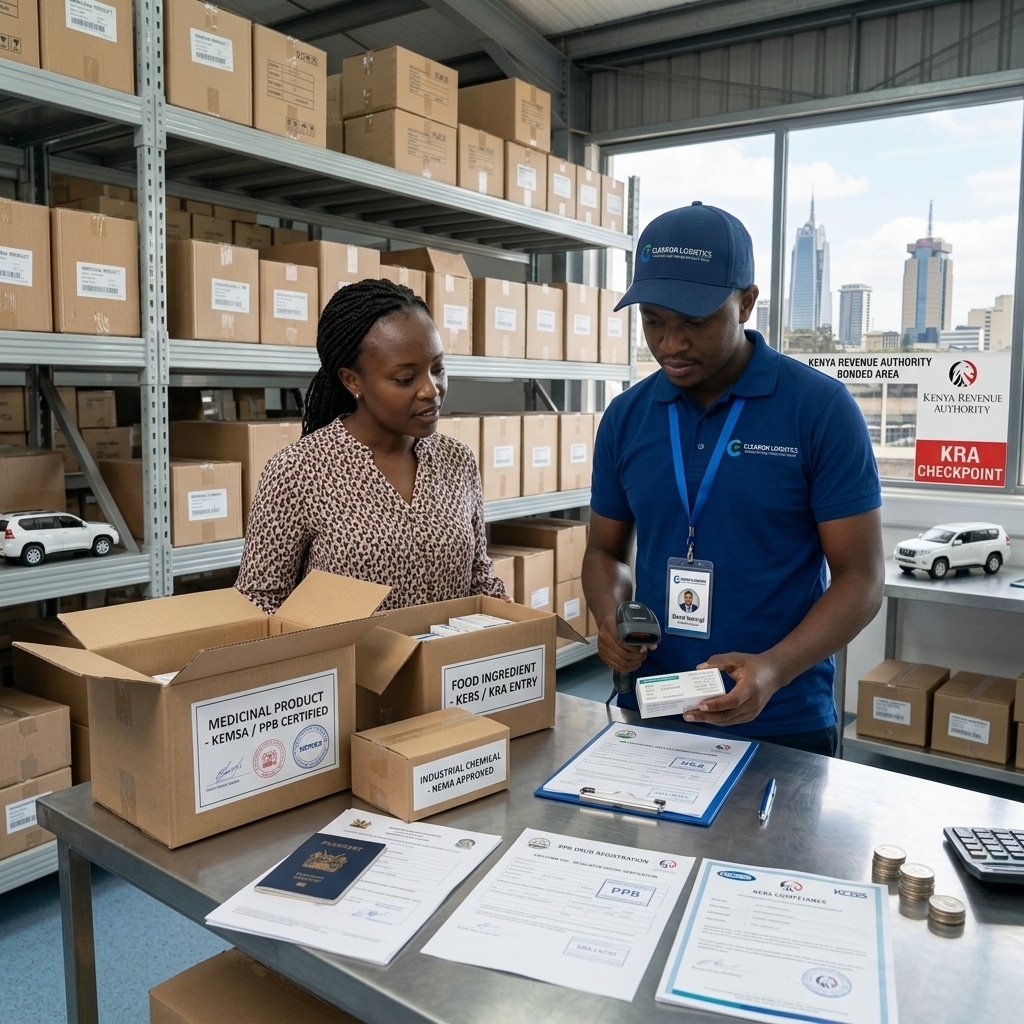
- Pre-clearance document verification
- Accurate duty calculation before arrival
- Fast customs processing
- Real-time shipment coordination
- Efficient cargo release planning
Our goal is simple:
👉 Clear fast. Avoid penalties. Save money.
Why This Matters for Your Business
Demurrage and detention are not just extra costs — they affect:
- Profit margins
- Cash flow
- Delivery timelines
- Customer satisfaction
Smart importers focus on speed and accuracy, not just shipping cost.
Final Thoughts
Demurrage and detention charges in Kenya are completely avoidable with the right planning and execution.
Before shipping, ensure:
- Documents are accurate
- Duties are calculated
- Clearance is planned
- Logistics are coordinated
Because in importing:
👉 Delays = Costs
👉 Speed = Profit







Leave a Reply