
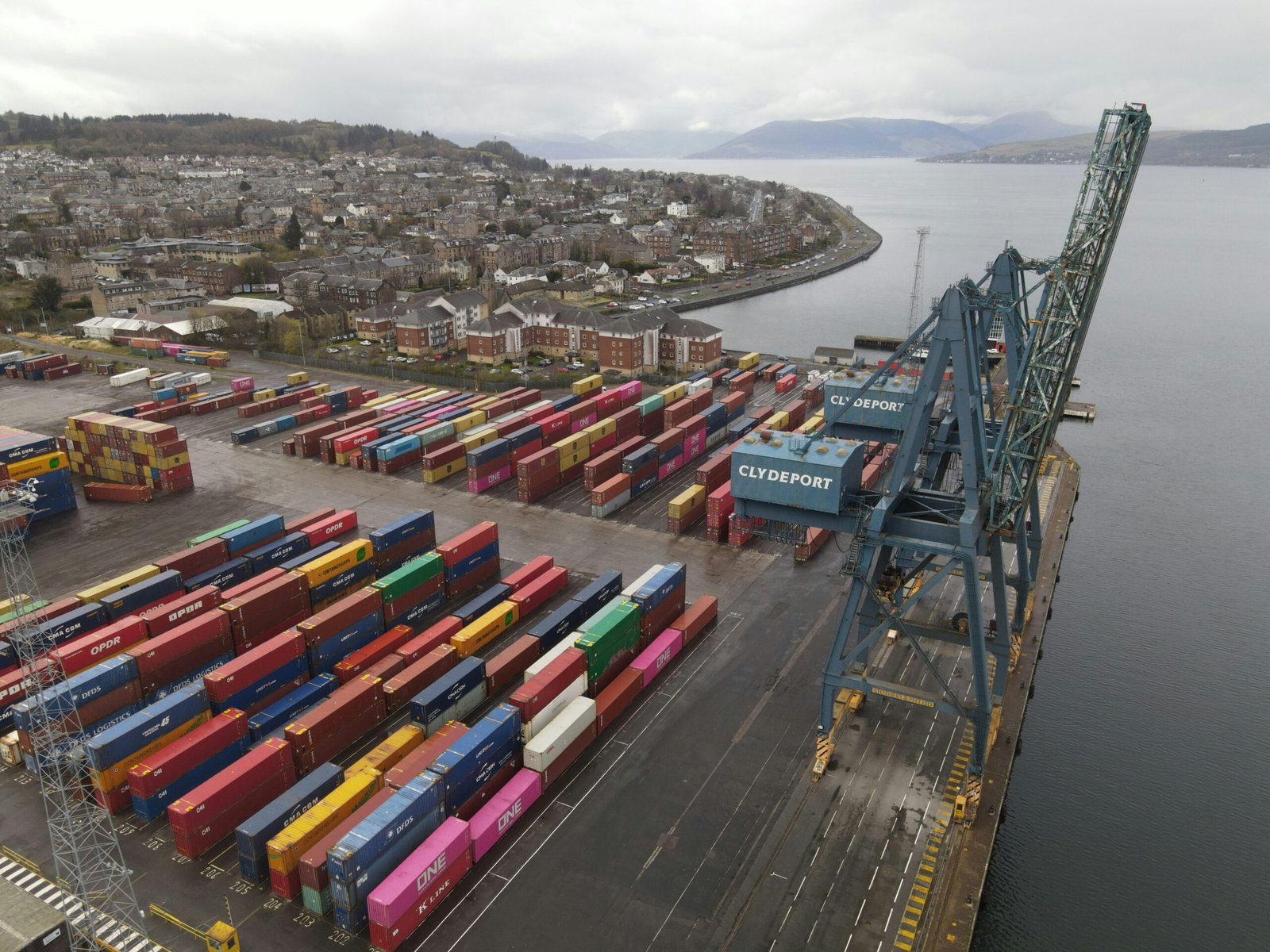
Importing goods into Kenya can be profitable and efficient—but cargo delays at ports and airports can quickly turn a good shipment into an expensive problem.
Delayed cargo often leads to:
- Storage charges
- Demurrage costs
- Missed business deadlines
- Customer dissatisfaction
- Cash flow disruption
For many importers, delays are not caused by bad luck—they are usually caused by avoidable mistakes in documentation, customs processes, or logistics planning.
At Clearon Logistics, we help businesses and individuals reduce clearance risks through structured shipping, customs coordination, and proactive documentation support.
This guide explains the most common reasons cargo gets delayed in Kenya and how to avoid them.
Where Do Cargo Delays Happen in Kenya?
Cargo delays commonly occur at:
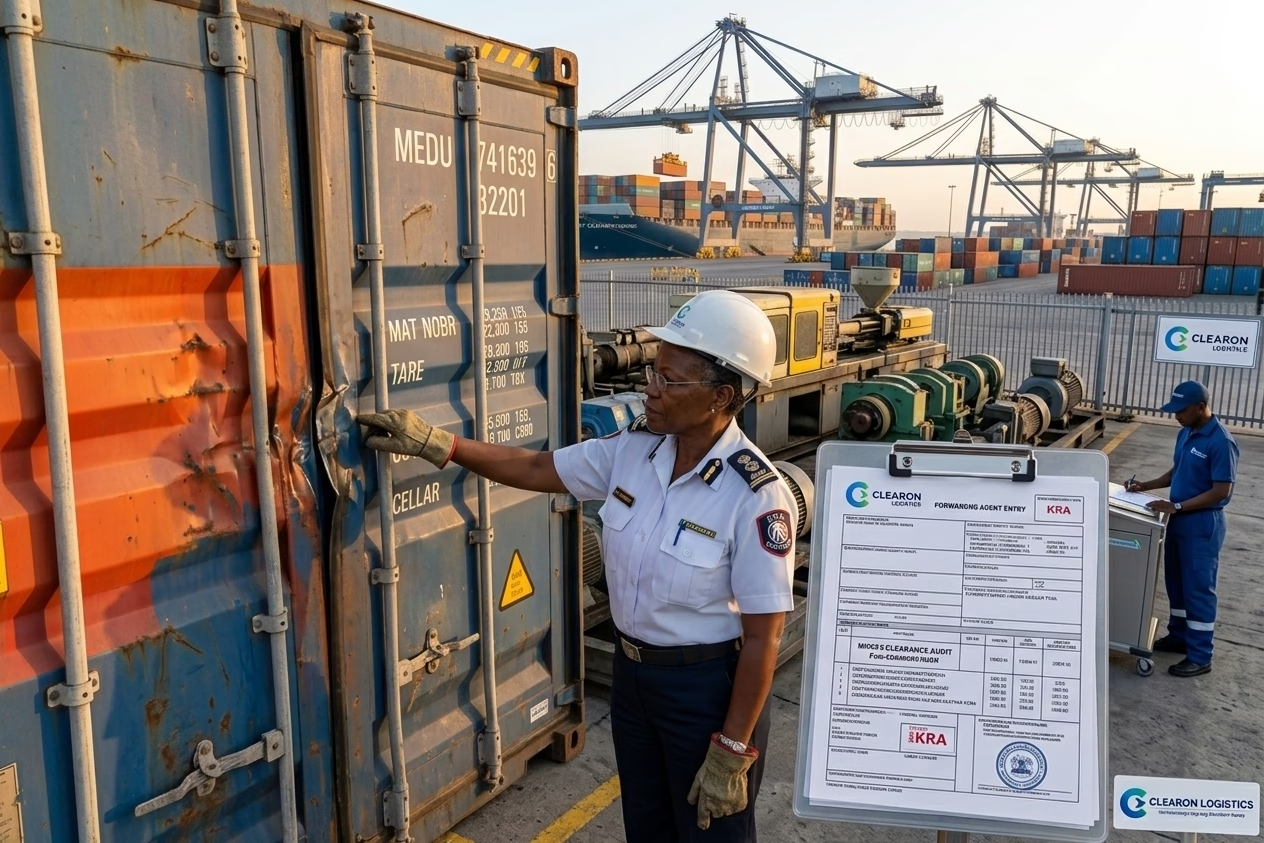
- Mombasa Port (sea freight)
- Jomo Kenyatta International Airport (JKIA) (air freight)
- Inland container depots e.g Embakasi
- Customs verification points e.g Malaba border
Each stage has its own potential bottlenecks.
1. Incomplete or Incorrect Documentation
This is one of the biggest causes of delays.
Missing or inaccurate documents can immediately stop cargo processing.
Common required documents include:
- Commercial invoice
- Packing list
- Bill of lading / Airway bill
- Certificate of origin
- Import permits (where required)
Common documentation mistakes:
- Incorrect cargo description
- Wrong consignee details
- Invoice mismatch
- Missing signatures or stamps
Even a small discrepancy can trigger customs review.
Example: Documentation Delay Scenario
Importer ships electronics worth USD 5,000.
Problem:
- Invoice states 100 units
- Packing list states 120 units
Result:
- Cargo flagged for discrepancy
- Verification required
- Clearance paused
Outcome:
- 5-day delay
- Storage charges begin accumulating
A tiny paperwork issue becomes an expensive lesson.
2. Wrong HS Code Classification
HS codes determine:
- Duty rates
- VAT applicability
- Product restrictions
Using the wrong code can lead to:
- Incorrect duty assessment
- Customs disputes
- Reclassification delays
- Penalties
Example:
Product imported:
- LED lighting products
Declared incorrectly as:
- General electronics
Possible consequences:
- Wrong duty rate
- Additional review
- Reprocessing delays
3. Under-Declaration of Cargo Value
Some importers attempt to reduce taxes by under-declaring value.
This is risky.
Customs may:
- Reject declared value
- Reassess cargo value
- Request supporting documents
- Hold shipment for investigation
This causes serious delays.
Example:
Declared value:
- USD 800
Market reference suggests:
- USD 2,000
Result:
- Customs valuation dispute
- Shipment delayed pending review
4. Missing Regulatory Approvals
Certain goods require approvals before clearance.
Examples:
- Electronics certifications e.g Communications Authority of Kenya
- Food products approvals e.g Kenya Plant Health Inspectorate Service
- Medical goods permits e.g Pharmacy and Poisons Board
- Chemical compliance documentation e.g Kenya Nuclear Regulatory Authority
Without approvals:
- Cargo is held until compliance is confirmed
5. Unpaid Duties and Taxes
Cargo cannot be released until applicable charges are settled.
Common payable charges:
- Import duty
- VAT
- IDF
- RDL
- Other applicable fees
Poor financial planning can delay payment.
Example:
Importer budgets only for:
- Product cost
- Shipping cost
Fails to budget:
- Customs taxes
Result:
- Cargo sits uncleared until funds are arranged
6. Port Congestion and Operational Delays
Sometimes delays are operational.
Common issues:
- High cargo volume
- Port congestion
- Vessel backlog
- Container offloading delays
- System downtime
These are less controllable but still manageable through planning.
7. Poor Coordination Between Multiple Agents
Using too many disconnected parties creates communication gaps.
Example:
- Supplier
- Freight forwarder
- Clearing agent
- Transport company
Without coordination:
- Missing updates
- Delayed documentation transfer
- Clearance confusion
Why End-to-End Coordination Matters
A structured logistics partner reduces risk by centralizing operations.
At Clearon Logistics, we coordinate:
✔ Documentation review
✔ Shipping schedules
✔ Customs processing
✔ Duty planning
✔ Cargo release
✔ Final delivery
This reduces avoidable handoff issues.
How to Avoid Cargo Delays in Kenya
1. Verify documents before shipping
Double-check:
- Invoice
- Packing list
- Consignee details
2. Use correct HS codes
Proper classification prevents disputes.
3. Budget for taxes early
Know your estimated landed cost.
4. Confirm approvals in advance
Especially for regulated goods.
5. Work with experienced clearing and forwarding professionals
This is often the biggest risk reducer.
Cost of Cargo Delays
Delays are expensive.
Potential costs include:
- Storage charges
- Demurrage fees
- Re-inspection fees
- Missed delivery deadlines
- Business opportunity loss
A “cheap shortcut” can become very expensive.
How Clearon Logistics Helps Prevent Delays
We help clients reduce risk through:
✔ Documentation checks before shipment
✔ Customs process support
✔ Duty estimation guidance
✔ Clearance coordination
✔ Cargo release management
✔ Door to door logistics support
This makes the import process smoother and more predictable.
Final Thoughts
Cargo delays in Kenya are usually not random—they are often the result of preventable documentation, compliance, or planning issues.
By understanding the common causes and planning ahead, importers can reduce delays, avoid extra charges, and protect business timelines.
At Clearon Logistics, we help clients move cargo more efficiently through better planning and customs coordination. Contact us toady!






Leave a Reply