
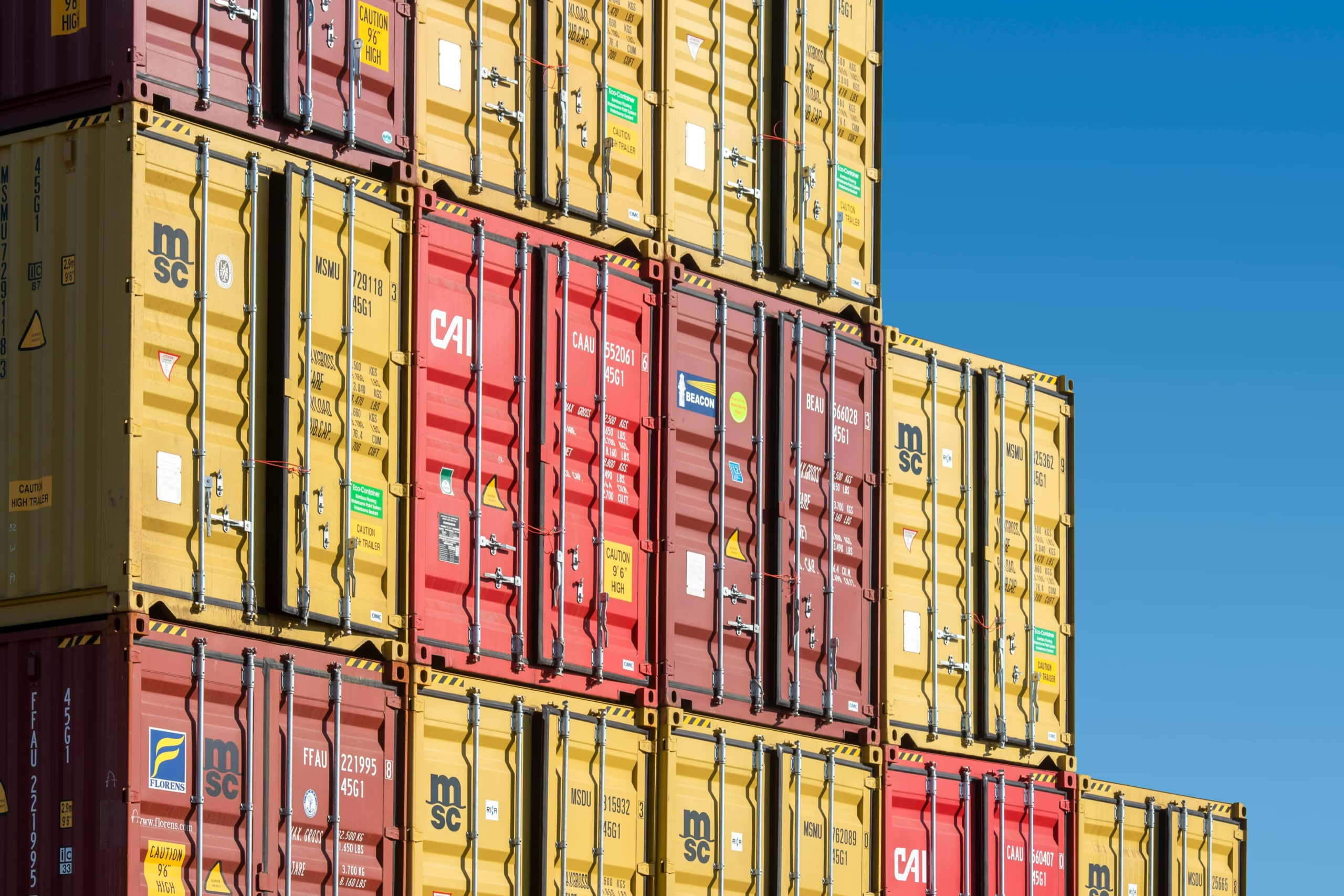
One of the biggest shocks for many importers in Kenya is not import duty—it’s demurrage and storage charges. These charges can quietly accumulate and turn a profitable import into a loss within days.
In this article, we explain what demurrage and storage charges are in Kenya, how they are calculated, real-life examples of how importers get caught off guard, and—most importantly—how Clearon Logistics helps clients avoid these unnecessary costs.
What Is Demurrage in Kenya?
Demurrage is a charge imposed by shipping lines when containers stay at the port beyond the free days allowed.
At the Port of Mombasa:
- Shipping lines usually allow 5–7 free days
- Charges apply per container, per day, once free days expire
💡 Demurrage is charged by the shipping line, not KRA or KPA.
What Is Storage Charge?
Storage charges are imposed by the Kenya Ports Authority (KPA) when cargo remains in the port yard beyond the free storage period.
Key difference:
- Demurrage → Shipping line
- Storage → Port authority
An importer can be charged both at the same time.
How Demurrage and Storage Charges Are Calculated
Example (20ft Container – Mombasa Port)
| Day | Charge Type | Estimated Cost |
|---|---|---|
| Day 1–7 | Free period | KES 0 |
| Day 8–14 | Demurrage | KES 8,000–12,000 per day |
| Day 8 onward | Storage | KES 5,000+ per day |
📌 Within 10 days, an importer can incur KES 150,000+ in extra charges.
Common Causes of Demurrage in Kenya
1. Late Document Submission
Missing invoices, incorrect packing lists, or delayed IDF approvals slow down clearance.
Example:
An importer submitted documents 3 days after vessel arrival. Clearance began late, free days expired, and demurrage accrued—avoidable with early preparation.
2. Incorrect HS Code Declaration
When customs queries the HS code, the entry is suspended.
Clearon Advantage:
Clearon Logistics verifies HS codes before lodging entries in ICMS, preventing costly disputes.
3. Missing Permits
Cargo requiring KEPHIS, PPRA, or PPB permits is automatically delayed if permits are not ready.
Example:
Food products without KEPHIS approval can sit at port for weeks.
4. Slow Duty Payment
Even after assessment, delays in payment can push clearance past free days.
Why First-Time Importers Are Most Affected
New importers often:
- Assume clearance starts automatically
- Underestimate documentation requirements
- Use unlicensed agents
This leads to avoidable demurrage and storage charges.
Clearon Logistics guides first-time importers step by step—before the ship even arrives.
How Clearon Logistics Helps Clients Avoid Demurrage
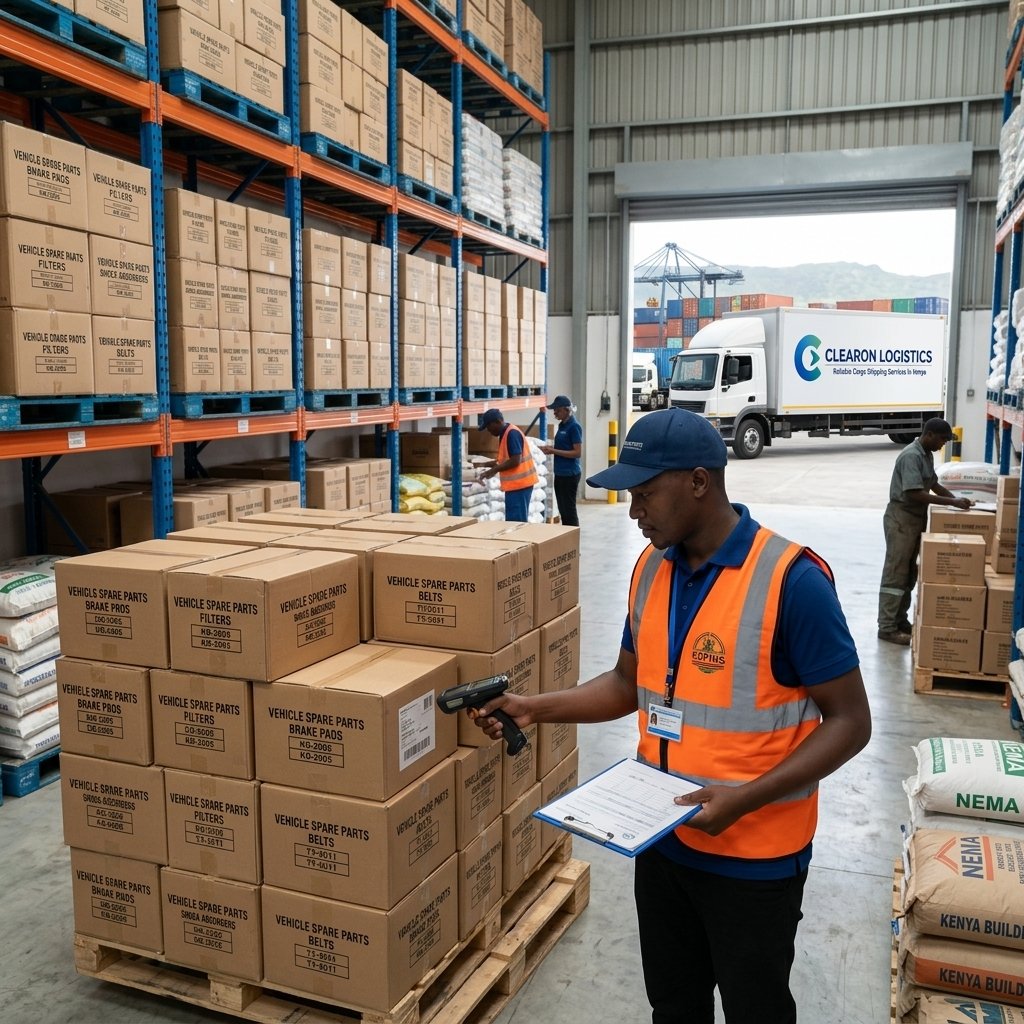
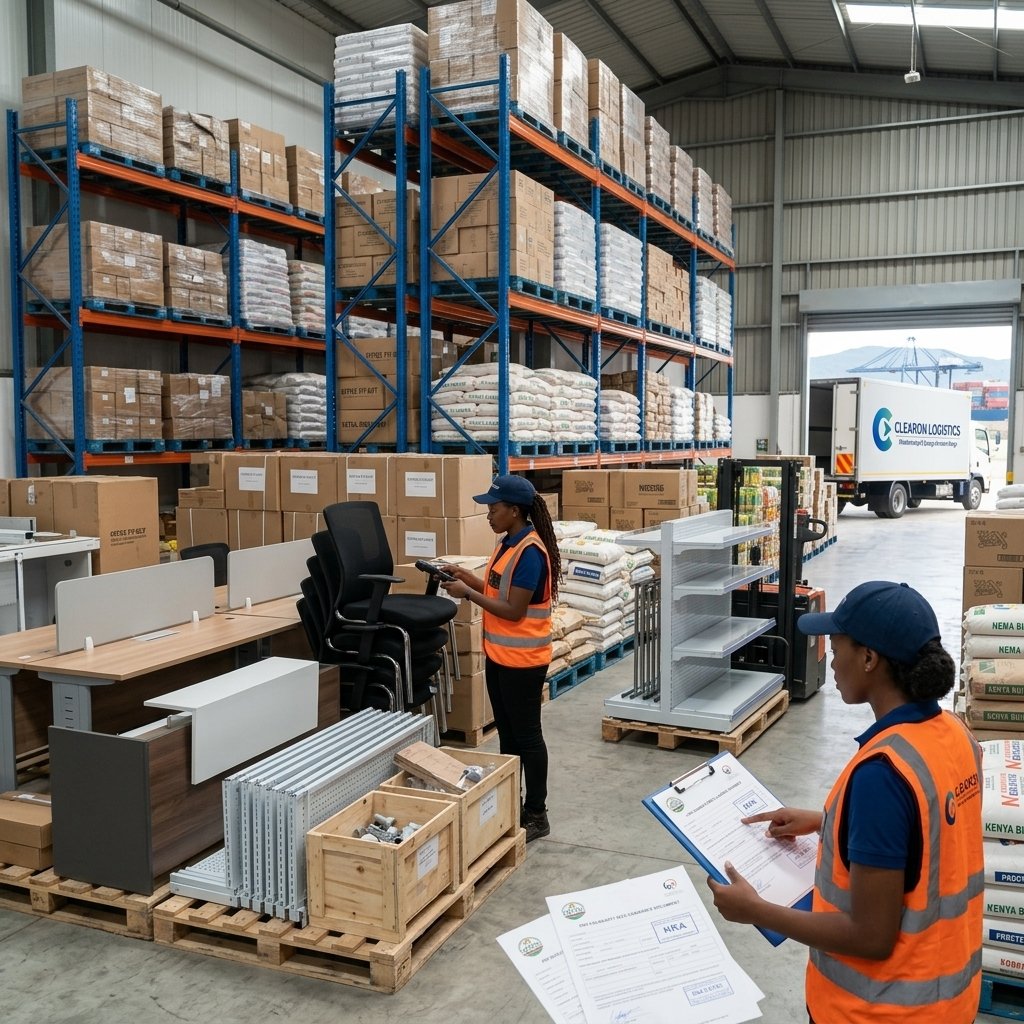
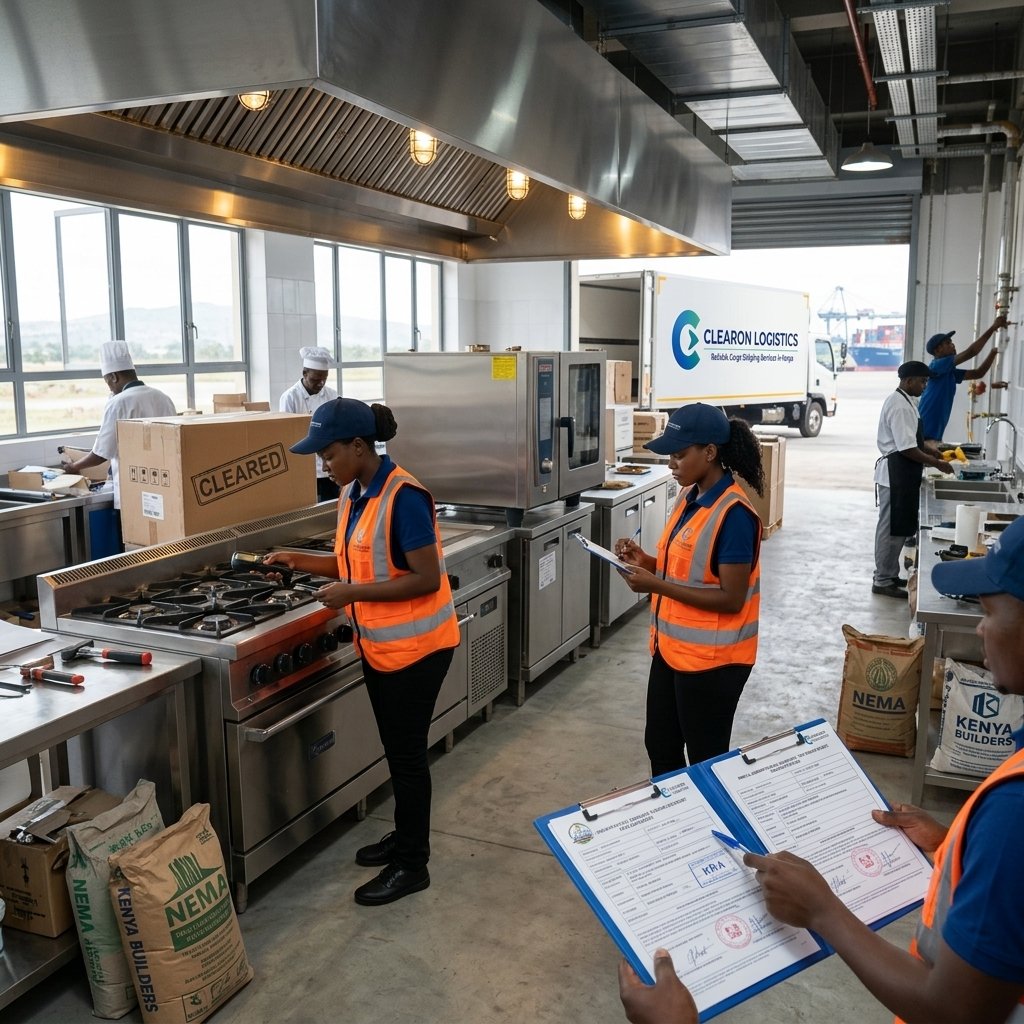
Clearon Logistics uses a pre-clearance strategy, not reaction-based clearance.
Our Approach:
✅ Pre-arrival document review
✅ Early IDF and permit processing
✅ Fast ICMS entries
✅ Continuous follow-up with customs
✅ Priority cargo release coordination
This ensures clearance begins immediately upon vessel arrival—not days later.
Can Demurrage Be Waived in Kenya?
Yes—but only in limited cases:
- System downtime (documented)
- Port congestion declared officially
- Force majeure events
Waivers require formal applications and supporting evidence.
👉 Clearon Logistics assists eligible clients with demurrage waiver applications, where applicable.
Demurrage vs Storage: Quick Summary
| Charge | Who Charges | Can Be Avoided? |
|---|---|---|
| Demurrage | Shipping Line | Yes |
| Storage | KPA | Yes |
| Both | Importer pays | With proper planning |
Final Thoughts
Demurrage and storage charges are not unavoidable costs—they are usually the result of poor planning or inexperienced handling.
With the right clearing partner, importers can:
- Clear cargo within free days
- Predict total landing costs accurately
- Protect profit margins
👉 Clearon Logistics helps importers across Kenya avoid demurrage, reduce clearance time, and move cargo efficiently from port to destination.







Leave a Reply