
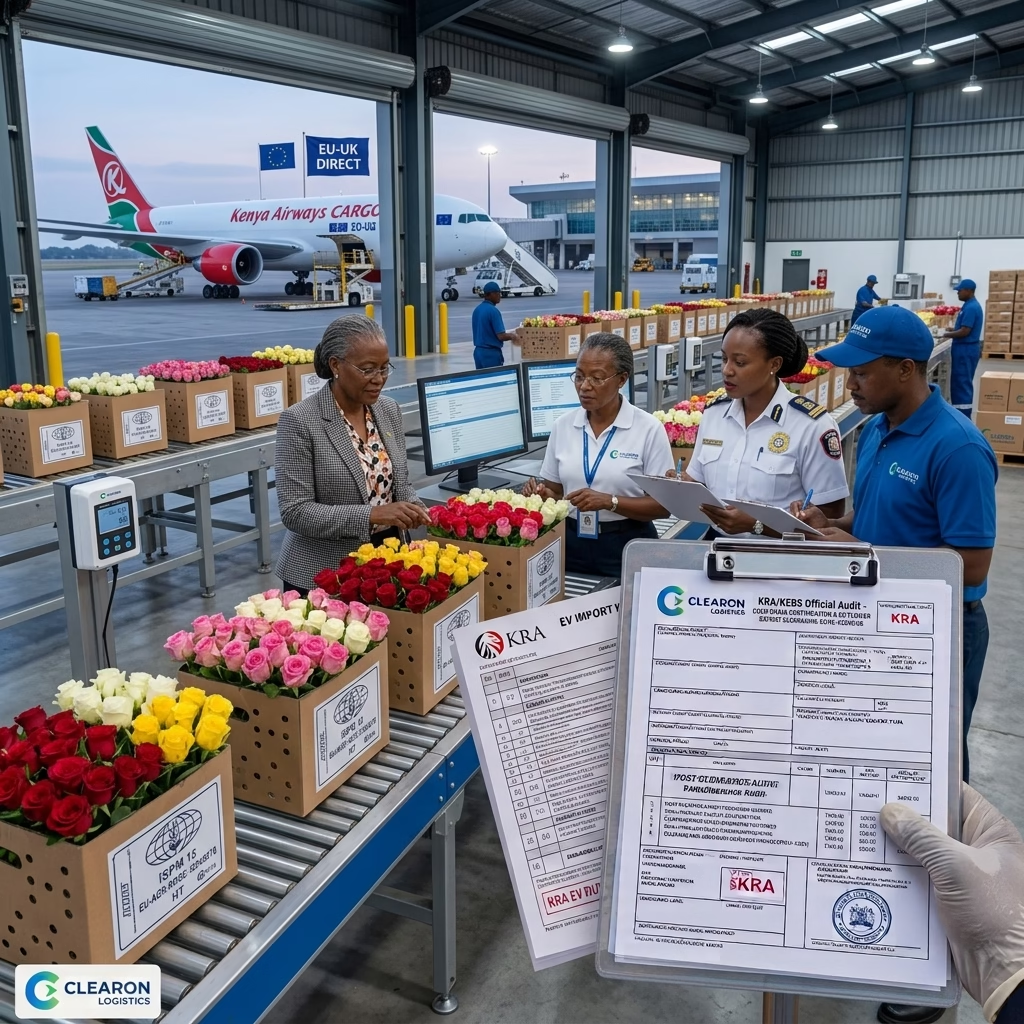
Exporting fresh produce from Kenya — avocados, cut flowers, French beans, herbs — represents one of the country’s genuine global trade success stories, worth over a billion dollars annually and commanding roughly 38% of the EU’s entire rose cut flower market. It’s also, right now, an industry under real pressure: European inspection rates on Kenyan flower consignments have risen fivefold in four years, and the cost of non-compliance has become existential for individual exporters in a way it simply wasn’t a decade ago.
Table of Contents
The Scale of What’s at Stake
Kenya ships more than 102,500 metric tonnes of fresh cut flowers annually, worth approximately KES 72.1 billion, alongside avocados that have become one of the fastest-growing horticultural exports in the country. This didn’t happen by accident — it’s the product of decades of investment in farm infrastructure, cold chain logistics, and international certification systems. But the position is genuinely more fragile than the export volumes alone suggest, and the compliance stakes have risen sharply in just the past few years.
The Four Core Requirements
Regardless of which specific crop you’re exporting, four requirements form the baseline for reaching EU and UK markets:
- GLOBALG.A.P. certification — the standard buyer requirement for EU and UK markets, verifying good agricultural practice. For smallholder farmers, individual certification is rarely economical, but group certification under GLOBALG.A.P. Option 2 makes compliance achievable by aggregating costs across multiple farms.
- KEPHIS registration and a phytosanitary certificate for every consignment — the official document confirming a shipment is free of regulated pests and diseases, required for essentially every Kenyan agricultural export, applied for at least 48 hours before shipping.
- A Horticultural Crops Directorate (HCD) export licence — required to legally operate as a horticultural exporter, involving a vetting process that includes demonstrating access to a licensed packhouse.
- A registered packhouse with adequate cold chain infrastructure — since for perishable produce, the packhouse and cold chain aren’t optional supporting infrastructure, they’re part of the product’s actual quality specification by the time it reaches a European buyer.
EU-destined produce specifically also needs an MRL (Maximum Residue Limit) compliance programme, confirming pesticide residue levels stay within limits the destination market actually enforces — not just Kenyan domestic standards.
The False Codling Moth Crisis Reshaping the Flower Trade
This is the single most consequential development in Kenya’s flower export industry in recent years. EU inspection rates for Kenyan rose consignments rose from 5% in 2020 to 25% in 2024, driven entirely by False Codling Moth (FCM) interceptions — and the financial consequence has been severe: flower export earnings declined from a peak of KES 110.8 billion in 2021 to KES 72.1 billion in 2024, a drop directly linked to FCM-related rejections and the compliance costs of adapting to tightened EU phytosanitary requirements.
In response, the industry has adopted a Rose FCMSA (Systems Approach) compliance framework, built around one non-negotiable principle: the cold chain, from greenhouse to aircraft hold, cannot break at any point without both a quality failure and a compliance failure occurring simultaneously. The economics here are stark and worth internalising — full compliance costs less than 1% of annual EU export revenue, largely as a one-time infrastructure investment rather than a recurring cost, while non-compliance risks 100% of EU export revenue, permanently, if an exporter’s consignments are repeatedly rejected or flagged.
Avocado’s Strict Maturity Rules
Kenya’s Agriculture and Food Authority (AFA) enforces maturity standards specifically to protect the country’s reputation in avocado export markets, centred on a dry-matter (oil content) threshold of roughly 20-24%, depending on variety. AFA inspectors verify this at JKIA and reject consignments falling below the threshold — and harvesting fruit before it meets maturity standards can bring penalties as severe as licence revocation, not just a rejected shipment. Export only proceeds within AFA-opened seasons, which shift year to year based on fruit maturity timing; as one concrete example, sea exports of Hass avocado were suspended in October 2024 and didn’t reopen until March 2025, with the 2025/26 season opening in April 2026.
On the market access side, there’s genuinely good news: Kenya secured duty-free access to China for fresh avocado, effective 1 May 2025 — a significant new premium market opening alongside the established EU and UK trade.
Air Freight vs Sea Freight for Perishables
The choice between air and sea freight for fresh produce comes down to shelf life, margin, and volume, similar in principle to the general air vs sea freight decision covered elsewhere on our blog, but with much less room for error given perishability:
- High-value, time-sensitive produce — French beans, flowers, premium passion fruit — typically moves by air via JKIA, reaching Europe within a day or two, at higher cost
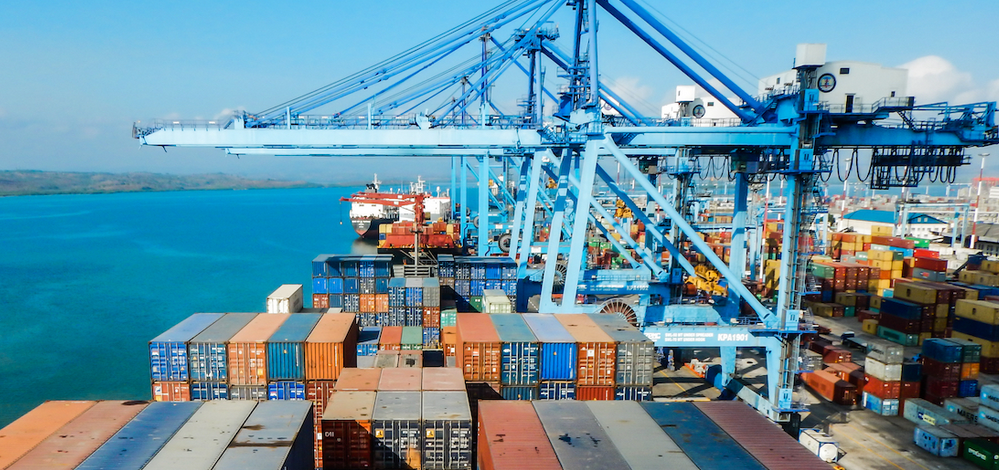
- Hardier, higher-volume crops — increasingly including avocado — move by sea via Mombasa in refrigerated containers, considerably cheaper per kilogram but requiring a robust cold chain across a transit time measured in weeks rather than days
The right choice depends entirely on whether your specific crop can genuinely survive the longer sea transit without quality degradation — a decision that shapes your entire logistics plan, not just a freight cost line item.
The New 2026 Pressures: EUDR and GRASP
Two additional compliance frameworks are actively reshaping requirements in 2026:
- EUDR (EU Deforestation Regulation) — now required for Kenyan exporters supplying coffee, cocoa, rubber, and related commodities to the EU, adding a deforestation-traceability layer on top of existing phytosanitary and quality requirements
- GRASP v2 — a social and ethical compliance standard increasingly required by UK supermarket buyers specifically, layered on top of GLOBALG.A.P.’s agricultural practice certification
Exporters who haven’t yet built these into their compliance planning risk finding a previously compliant supply relationship suddenly blocked by a buyer’s updated requirements, rather than by anything Kenyan regulators themselves have changed.
Getting the Export Side Right, Not Just the Import Side
Most of our blog focuses on the import journey into Kenya — but for Kenyan producers and exporters, the compliance stakes on the way out are, if anything, higher, given how unforgiving perishable goods and EU market access requirements have become. A single broken cold chain link or a missed maturity threshold doesn’t just cost one shipment; in a market as reputation-sensitive as EU horticultural trade, it can affect future consignments too.
At Clearon Logistics, we help exporters coordinate the documentation, timing, and logistics side of getting fresh produce out of Kenya compliantly — working alongside your KEPHIS, HCD, and certification processes to make sure the cold chain and shipping side of the operation matches the compliance standard your certifications promise.
Exporting fresh produce from Kenya to the EU, UK, or China? Talk to Clearon Logistics to coordinate your logistics around current certification and cold chain requirements.
Frequently Asked Questions
Why have EU inspection rates on Kenyan flowers increased so much? Driven by False Codling Moth (FCM) interceptions, EU inspection rates on Kenyan rose consignments rose from 5% in 2020 to 25% in 2024, prompting the industry-wide adoption of the Rose FCMSA compliance framework.
What happens if avocado is harvested before meeting AFA maturity standards? AFA inspectors reject underweight dry-matter consignments at JKIA, and harvesting immature fruit can bring penalties as severe as licence revocation, not just a rejected shipment.
Can smallholder farmers afford GLOBALG.A.P. certification? Individual certification is rarely economical for smallholders, but group certification under GLOBALG.A.P. Option 2 spreads the cost across multiple farms, making compliance achievable at smaller scale.
Does Kenya have duty-free avocado access to any market outside the EU and UK? Yes — Kenya secured duty-free access to China for fresh avocado effective 1 May 2025, opening a significant new premium market alongside established European trade.
Further Reading
- Kenya Plant Health Inspectorate Service (KEPHIS) (external, dofollow)
- Horticultural Crops Directorate (HCD), Agriculture and Food Authority (external, dofollow)
- Related on our blog: Exporting from Kenya: The Documents You Need Before Your Cargo Leaves
- Related on our blog: Air Freight vs Sea Freight to Kenya: 5 Key Factors to Decide
- Our service: International Freight (Air & Sea)




Leave a Reply