
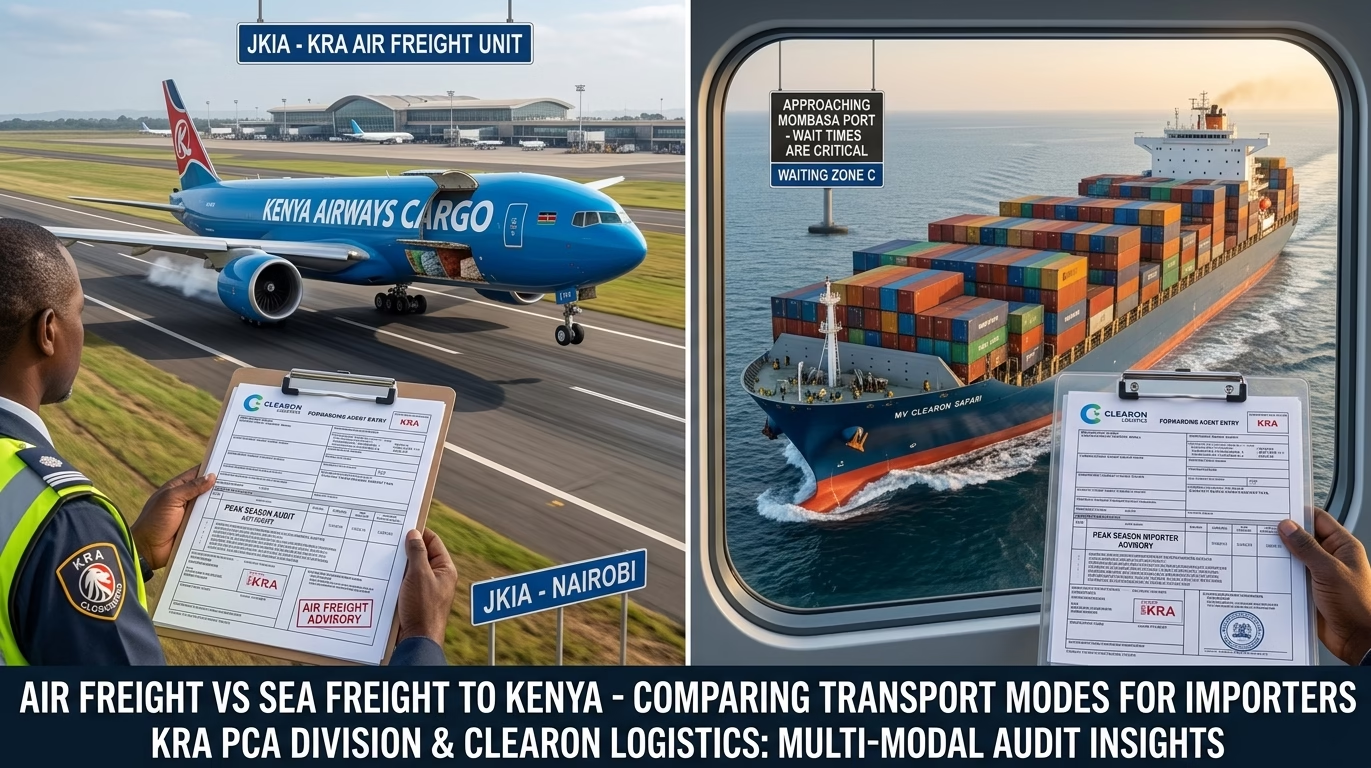
Air freight vs sea freight to Kenya is one of the first real decisions any importer faces, and it shapes almost everything downstream — your landed cost, your cash-flow timeline, and how much risk you’re carrying while your goods are in transit. There’s no universally right answer, but there is a right answer for your specific shipment, and it usually comes down to three questions: how urgent is it, how heavy or bulky is it, and how much is tied up in it.
Table of Contents
The Basic Trade-Off
Sea freight to Kenya typically takes somewhere in the range of 25-50 days depending on origin, route, and whether your cargo is full-container or consolidated. Air freight typically arrives in 5-14 days, sometimes faster with express services. The cost difference is significant in the other direction — air freight commonly runs several times more expensive per kilogram than sea freight, and the gap widens further for heavy or bulky goods.
Neither mode is “better.” They’re built for different shipments.
When Air Freight Makes Sense
- Time-sensitive stock. Restocking a fast-moving product line, or testing a new product where you need market feedback quickly
- High-value, low-weight goods. Electronics, small accessories, and anything where the shipping cost is a small fraction of the item’s value
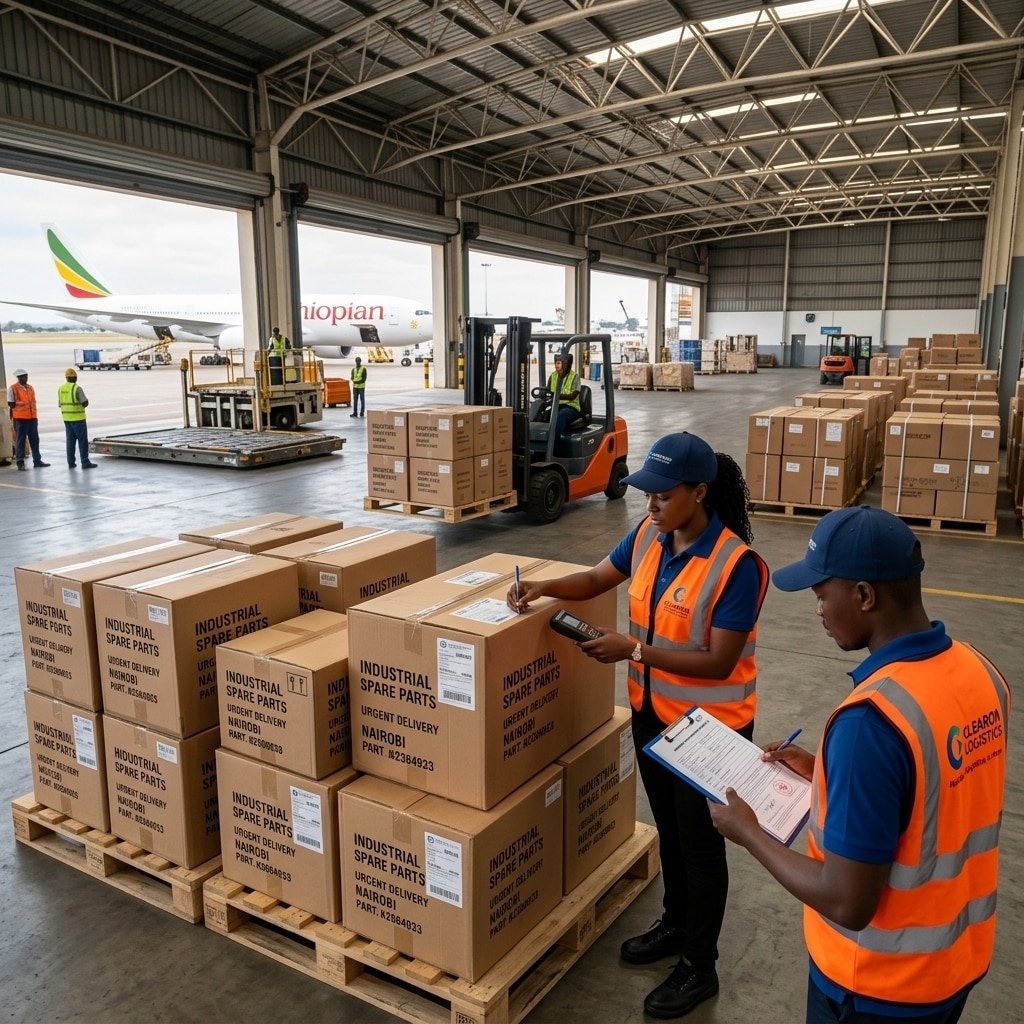
- Urgent replacement parts. A machine down, a client waiting, a deadline you can’t move
- Perishable or fragile cargo that can’t survive weeks in transit or benefits from tighter handling control
When Sea Freight Makes Sense
- Bulk orders you’ve planned ahead for. If you’re not in a rush, sea freight brings your cost per unit down substantially
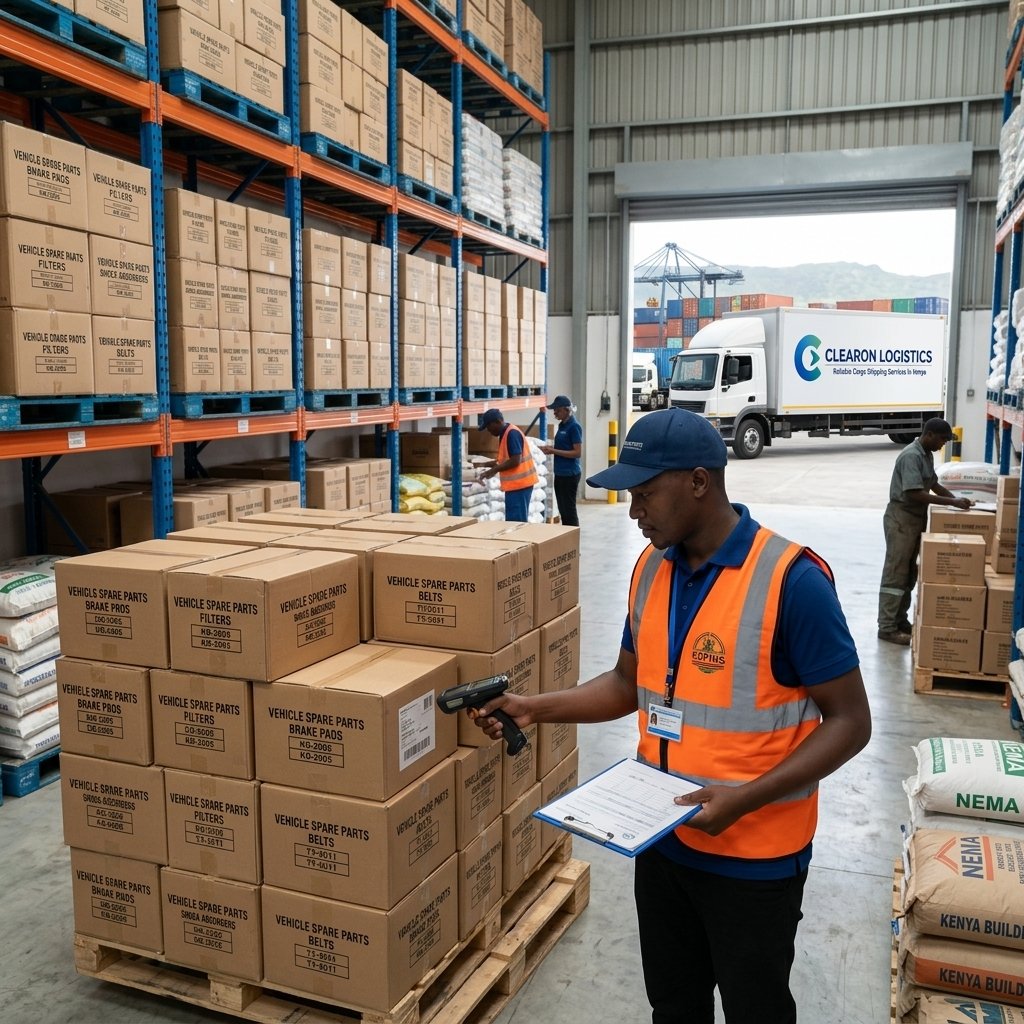
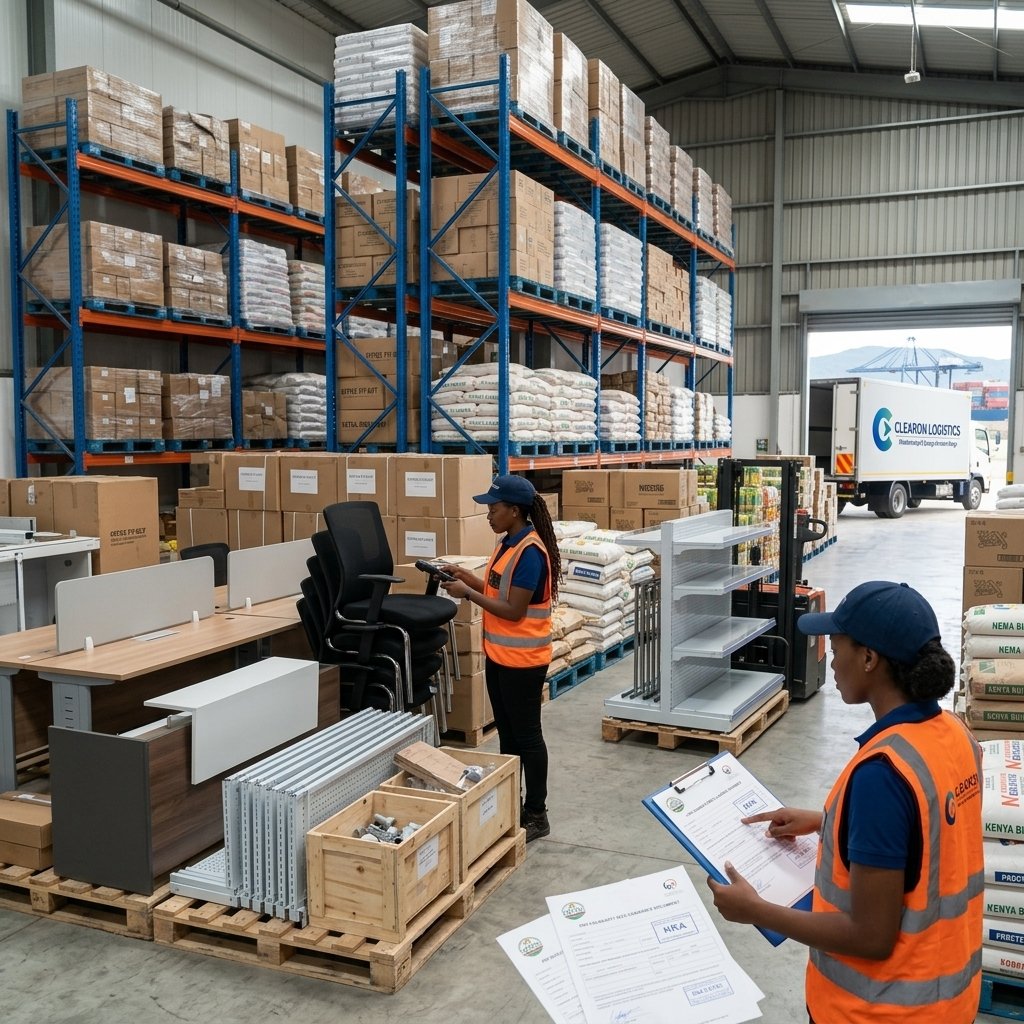
- Heavy or oversized cargo. Machinery, furniture, vehicles, construction materials — sea freight, including specialised flat-rack or open-top containers, is generally the only economical option
- Established, predictable restocking cycles, where lead time is a known variable you can plan your inventory around — and where planning ahead also means avoiding peak-season congestion that can add weeks to an already longer sea-freight timeline
The Volumetric Weight Trap
This catches more first-time importers than almost anything else: air freight is priced on whichever is greater — actual weight or volumetric (dimensional) weight. Lightweight but bulky goods — clothing, foam products, plastic containers, packaging materials — get penalised heavily under this calculation, sometimes making air freight far more expensive than the per-kilogram headline rate suggests. Always calculate volumetric weight before assuming air freight is viable for a specific product category.
Cash Flow: The Factor Most Importers Miss
Sea freight’s longer transit time isn’t just a logistics detail — it’s weeks of your capital sitting in goods that aren’t yet generating revenue, which is exactly the kind of cash-flow pressure that catches many importers off guard. For a mid-sized order, that can mean six or more weeks of cash tied up before you’ve sold a single unit. This is worth weighing against the cost saving: sometimes the faster, more expensive option is actually the better business decision once you account for how quickly your capital gets freed up to reinvest.
How to Actually Decide for Your Shipment
Most generic advice on this topic stops at “sea is cheaper, air is faster” — true, but not enough to actually make a decision. What matters is running the real numbers for your specific shipment: weight, volume, value, and how urgently you need the stock. This is exactly the kind of calculation that’s worth doing before you commit to a freight booking, not after.
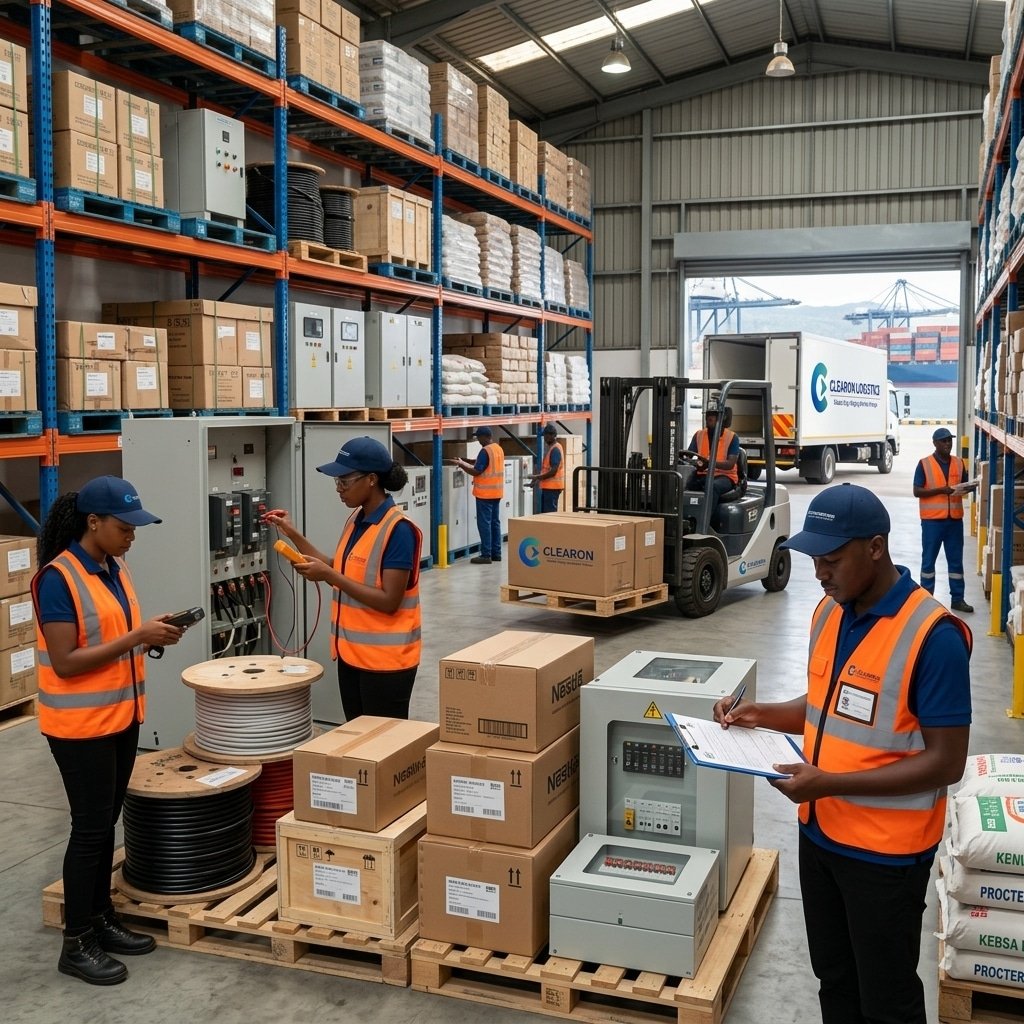
At Clearon Logistics, this is a conversation we have with clients before shipping begins — giving an honest cost comparison for both modes on your actual cargo, not a generic rule of thumb, so you can weigh the real trade-off between cost and speed for your specific situation. We give a transparent breakdown of what each option actually costs all-in — freight, duty, VAT, levies, and clearance — so there are no surprises once your goods land, whichever mode you choose.
Not sure which mode fits your next shipment? Talk to Clearon Logistics for a straight comparison before you book freight.
Frequently Asked Questions
Is air freight always more expensive than sea freight? Generally yes per kilogram, but for small, high-value, or low-weight shipments the gap narrows, and the cash-flow and speed benefits can outweigh the extra cost.
What is volumetric weight and why does it matter for air freight? It’s a calculated weight based on a package’s dimensions, not just its actual weight. Airlines charge whichever is higher — actual or volumetric — which can make bulky, lightweight goods far more expensive to ship by air than expected.
Can I mix air and sea freight for the same order? Yes — some importers split an order, air-freighting a smaller portion to meet an urgent deadline while the bulk of the shipment moves by sea at lower cost. This works best when planned deliberately rather than as a last-minute fix.
How much does customs clearance differ between air and sea freight in Kenya? The core documentation requirements are similar — invoice, packing list, Certificate of Origin, and any relevant permits — though air freight clearance at JKIA and sea freight clearance at Mombasa Port each have their own procedural specifics your clearing agent will manage.
Further Reading
- Kenya Airports Authority — JKIA Cargo operations (external, dofollow)
- Kenya Ports Authority — Mombasa Port (external, dofollow)
- Related on our blog: Peak Season Shipping to Kenya: How to Plan Around Port Congestion
- Related on our blog: Why Cash Flow, Not Capital, Is the Biggest Challenge Facing Kenyan Importers
- Our service: International Freight (Air & Sea)







Leave a Reply