
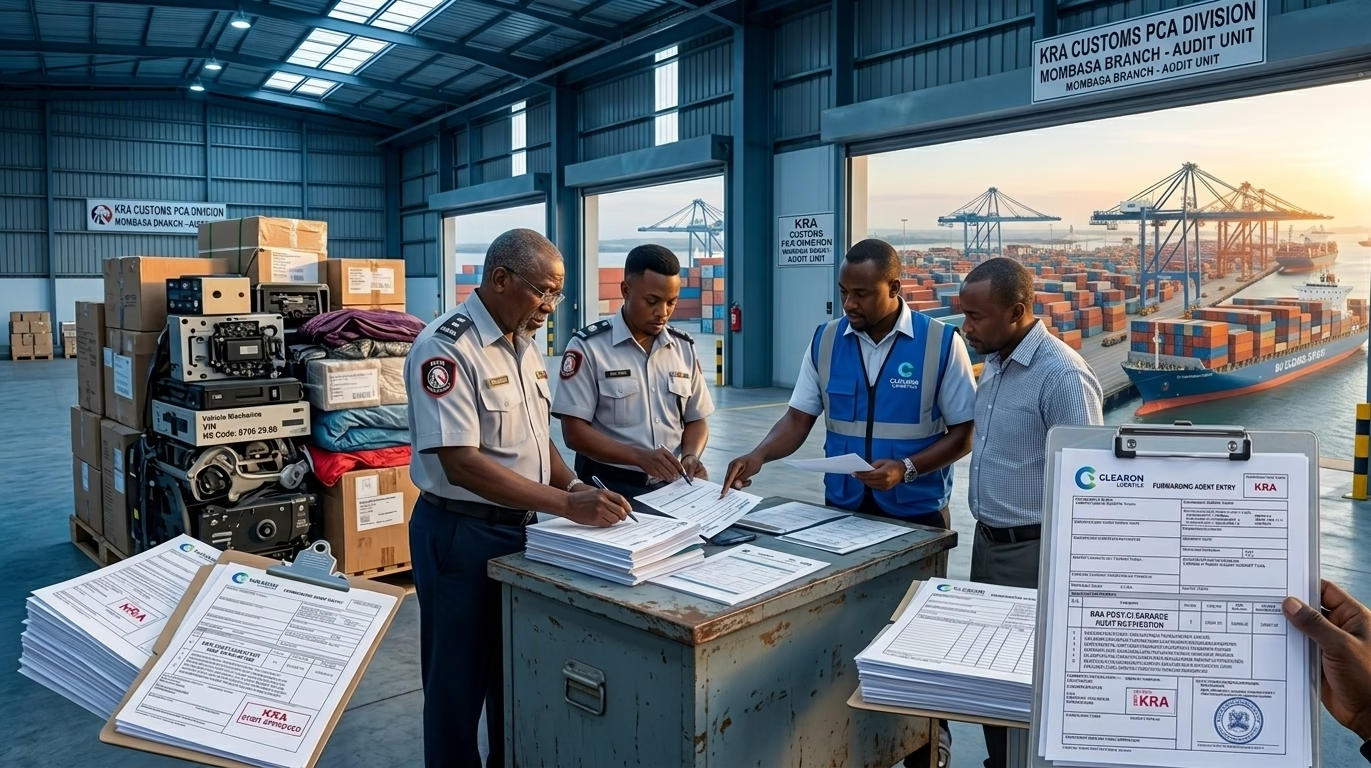
KRA’s new cargo valuation benchmark has become one of the most contested customs issues in Kenya this year, and if you import through consolidated containers, it directly affects what you’ll pay at clearance. As of a joint statement issued in late August 2026, the Kenya Revenue Authority confirmed a new minimum benchmark of KSh 3.2 million for general containerised consolidated cargo — a significant jump from the previous KSh 2.5 million standard, following weeks of protest, negotiation, and a temporary suspension.
Table of Contents
What Actually Changed
Kenya has historically valued consolidated cargo — shipments where multiple small traders share space in a single container — using a weight-based benchmark, roughly KSh 200 per kilogram. In mid-2026, KRA proposed shifting to a transaction-value-based system aligned with World Trade Organisation customs valuation principles, initially raising the benchmark from KSh 2.5 million to as high as KSh 3.5–10 million per 40-foot container, depending on the goods category — a move that triggered protests from traders in Nairobi’s major commercial hubs, including Gikomba, Kamukunji, and Nyamakima.
Following negotiations between KRA and the Kenya International Freight and Warehousing Association (KIFWA), implementation was suspended twice before a finalised standard benchmark of KSh 3.2 million for general containerised cargo was confirmed.
Why KRA Made the Change
KRA’s stated rationale is closing a long-standing loophole: the authority says consolidation has previously been used by some importers to under-declare the value of high-value goods — smartphones being a commonly cited example — by spreading them across a shared container and applying a low weight-based benchmark that didn’t reflect what the goods were actually worth. Moving to transaction-based valuation is intended to align actual duty paid with actual goods value, consistent with the WTO Customs Valuation Agreement’s core principle that transaction value — the price actually paid or payable — should be the primary basis for customs valuation.
The Legal Basis: Transaction Value
Under Section 122 and the Fourth Schedule of the East African Community Customs Management Act, customs duty is generally assessed on the declared transaction value of goods, where supported by proper commercial documentation. KRA has publicly stated that the new benchmark is not an automatic valuation applied to every container, nor a fixed tax figure — it functions as a reference point, with actual liability still depending on the specific goods imported, their documented transaction value, and correct tariff classification.
Why Small Traders Are Most Affected
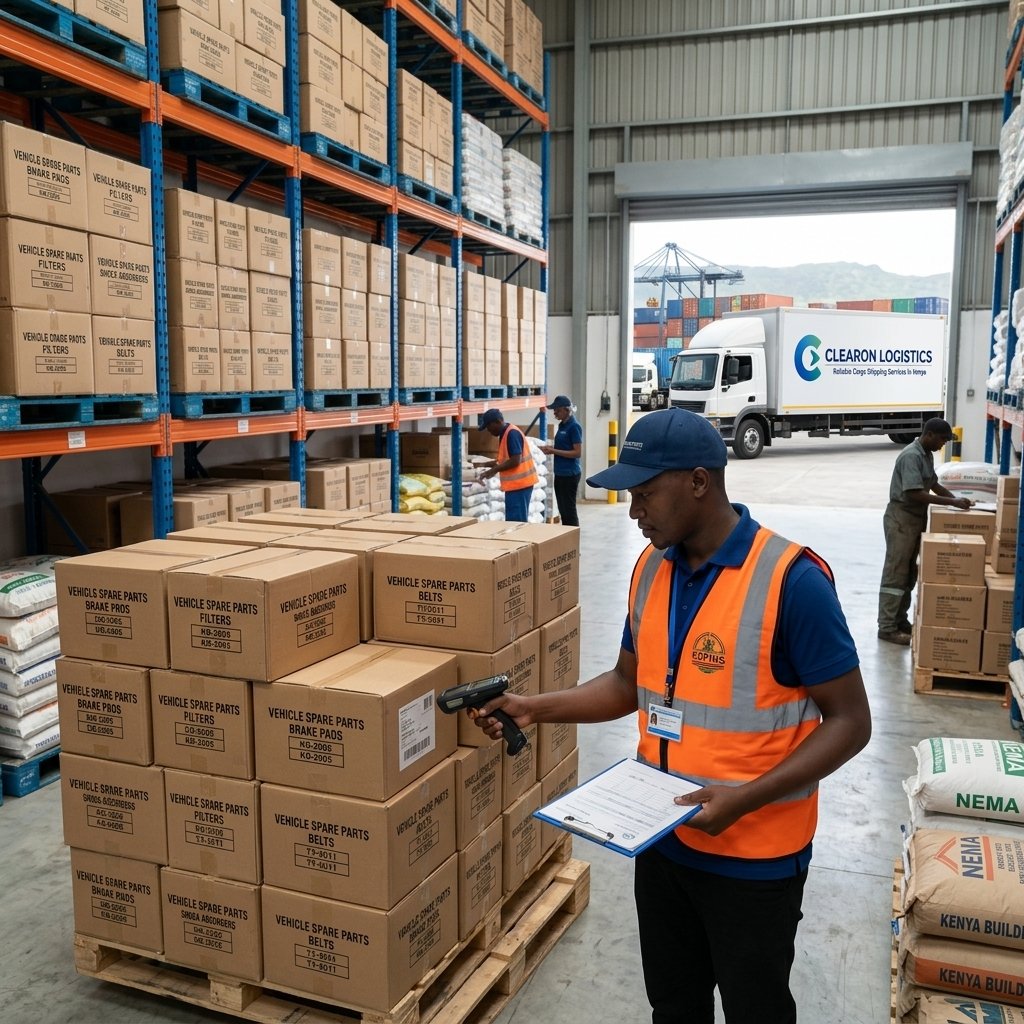
Unlike large importers who fill an entire container with a single product line, small-scale traders typically share container space across dozens of different consignments — clothing, electronics, kitchenware, toys, motorcycle spare parts, household goods — precisely because they can’t individually afford to fill a container alone. For this group, any rise in the benchmark value increases the cost of importing broadly, since it affects the shared reference point the whole consolidated shipment is assessed against, not just the higher-value items within it.
Your Options as an Importer
KRA has stated that traders who believe the benchmark doesn’t reflect their actual goods have two options:
- De-consolidate the shipment and have customs duty assessed individually per item, based on actual declared value and documentation — though this adds cost, paperwork, and logistical complexity that can be genuinely impractical for very small importers
- Request verification and valuation directly, where an importer believes their specific consignment warrants a value lower than the general benchmark
Neither option is simple to navigate without support — de-consolidation in particular requires itemised documentation that many small consolidated shipments were never structured to produce in the first place.
What to Do Before Your Next Shipment
- Confirm the current applicable benchmark before finalising an order, since this figure has already shifted multiple times in a matter of weeks and may continue to be adjusted
- Keep clean, itemised commercial documentation for your goods regardless of whether you consolidate, since this is what supports a transaction-value declaration if you need to challenge a benchmark figure — and the same records matter later if you’re ever subject to a KRA post-clearance audit
- Weigh consolidation against de-consolidation for your specific shipment value — what made sense under the old weight-based system may no longer be the cheaper option
- Don’t assume the situation is settled. This dispute has moved fast, with implementation dates shifting more than once already, so a plan based on last month’s rules may already be outdated
Why This Matters for How You Plan Imports
Regulatory changes like this are exactly why treating customs clearance as a one-time transaction — rather than something you get proactive guidance on before you ship — is a costly approach right now, and one of the more common customs clearance mistakes importers make. Benchmark values, valuation methods, and even implementation dates have all shifted multiple times within a single year, and an importer relying on outdated information is the one who ends up with an unexpected clearance bill.
At Clearon Logistics, tracking exactly this kind of fast-moving regulatory change is part of what we do before your cargo ever ships — so you know what benchmark applies to your goods today, not what applied last quarter, and you get a transparent, current cost breakdown before you commit to an order.
Importing consolidated cargo and not sure what the current benchmark means for your costs? Talk to Clearon Logistics before you finalise your next shipment.
Frequently Asked Questions
Is the new KSh 3.2 million benchmark a fixed tax I’ll definitely pay? No — KRA has stated it’s a reference point, not an automatic valuation or fixed tax figure. Your actual liability still depends on your specific goods, their documented value, and correct classification.
Can I avoid the benchmark by de-consolidating my shipment? Yes, in principle — de-consolidated goods are assessed on their actual individual declared value rather than the shared benchmark — but this requires itemised documentation and adds cost and complexity that isn’t practical for every trader.
Why did KRA change from weight-based to transaction-based valuation? KRA states the change closes a loophole where high-value goods were being under-declared by spreading them across shared containers valued primarily by weight rather than actual worth.
Has this benchmark change been finalised, or could it change again? It’s changed multiple times within a short period already — the original proposal, a suspension, a revised figure — so it’s worth confirming the current applicable rate before every shipment rather than assuming it’s settled.
Further Reading
- Kenya Revenue Authority — official announcements (external, dofollow)
- Kenya International Freight and Warehousing Association (KIFWA) (external, dofollow)
- Related on our blog: Customs Clearance Mistakes Kenya: 8 Costly Errors Importers Must Avoid
- Related on our blog: KRA Post-Clearance Audit: 5 Critical Steps to Protect Your Business
- Our service: Clearing and Forwarding Services in Kenya









Leave a Reply