
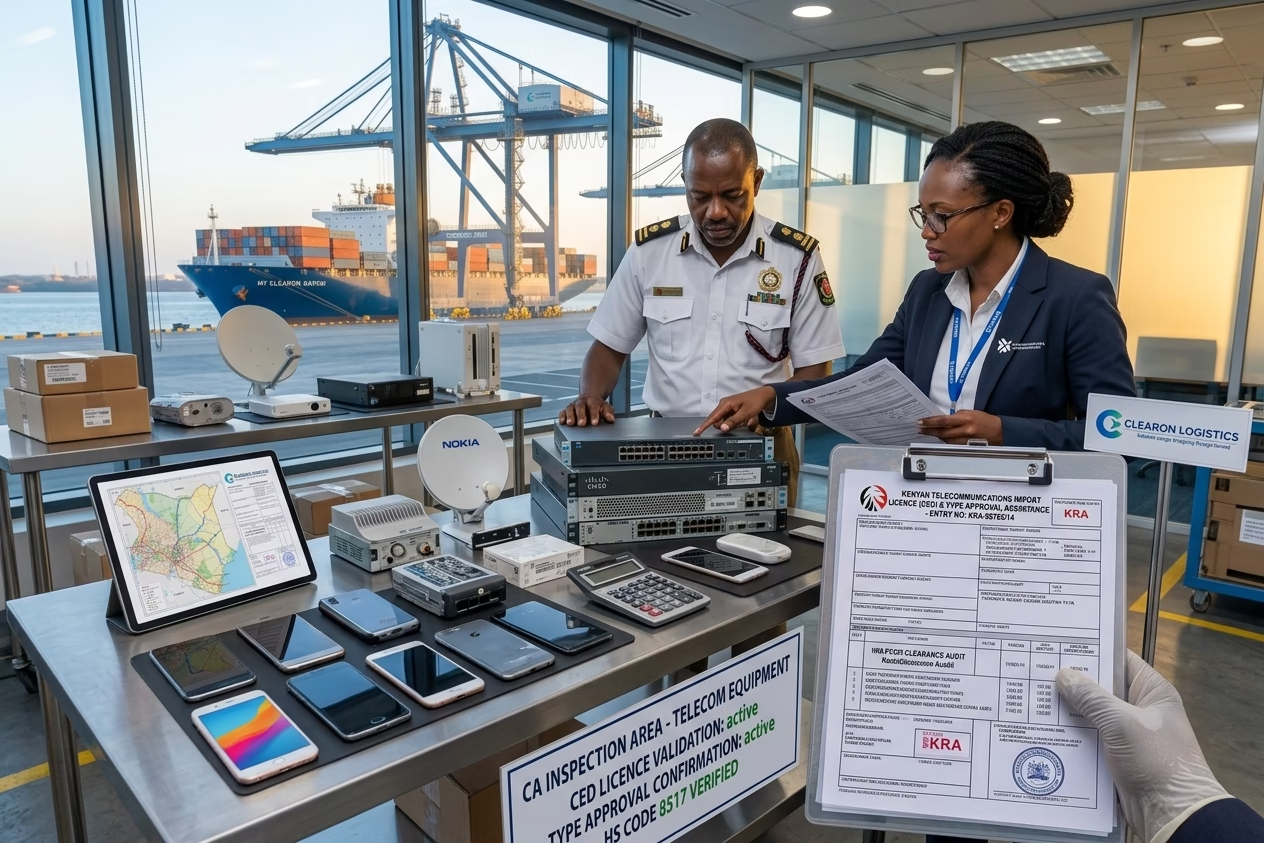
Importing telecommunications equipment into Kenya just got a significant new compliance layer, and it’s barely a few weeks old. On 21 July 2026, the Communications Authority of Kenya (CA) introduced a mandatory Communications Equipment Distributor (CED) Licence for any business importing or wholesaling phones, routers, modems, and other communications equipment — with immediate effect and no published grace period. If you’re in this trade and haven’t applied yet, this is worth reading today.
Table of Contents
What Type Approval Already Required
Before this latest change, importers of ICT and telecommunications equipment already needed Type Approval from the CA — a compliance certificate confirming a device meets Kenya’s technical and safety standards before it can be sold, distributed, or used in the country. This has applied for some time to a broad category of equipment: mobile phones across all generations, PSTN equipment (including PABX systems, fax machines, telephone handsets), radio communication equipment, broadcast transmitters, data equipment like routers and modems, and digital set-top boxes. Type Approval is processed through the Trade Facilitation Platform, and even individuals bringing in personal-use devices have historically needed a personal-use type approval import permit.
What’s New: The CED Licence
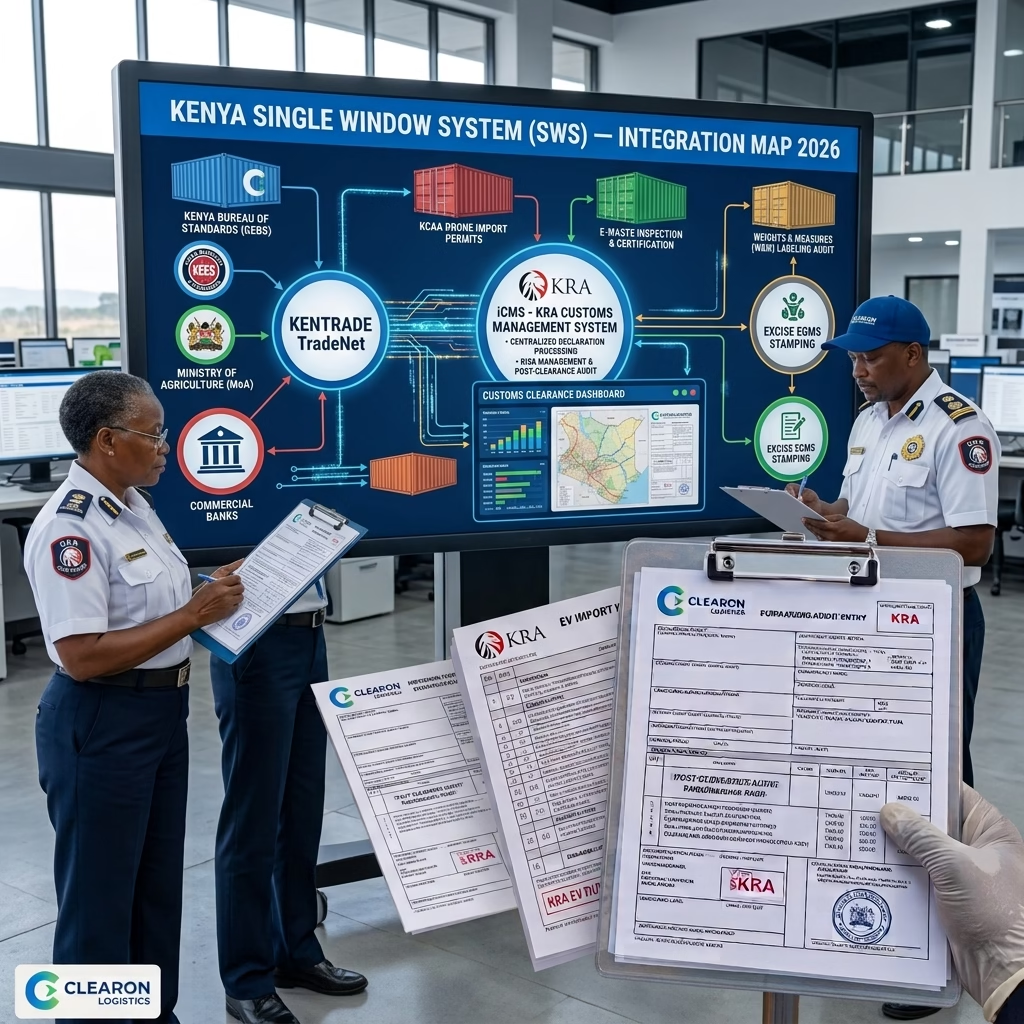
The July 2026 directive adds a licensing layer on top of type approval. Under the Revised Telecommunications Market Structure, gazetted on 6 March 2026 under the Kenya Information and Communications Act, any entity wanting to import and wholesale distribute communications equipment must now hold a Communications Equipment Distributor (CED) Licence — obtained before the equipment can be imported, type-approved, and cleared through the government’s TradeNet system. In effect, this brings licensing, type approval, and customs clearance together into a single, sequential compliance chain that has to start well before goods ship, not once they’ve already arrived.
What the Licence Costs
The CED Licence isn’t a token administrative fee:
- KSh 5,000 application fee
- KSh 250,000 initial licence fee
- An annual operating fee of 0.4% of annual gross turnover, or KSh 120,000, whichever is higher
- Valid for 15 years once granted
This is a meaningful cost of entry, particularly for smaller importers and distributors who may have previously operated with lighter compliance overhead. The licence covers importation, local purchase, and wholesale distribution of communications equipment, and also permits holders to supply spare parts for after-sales support — though it does not cover installation or maintenance activities, which sit outside its scope.
Which Equipment Categories Are Covered
The CED Licence and underlying type approval requirement apply broadly across:
- Mobile cellular devices — 2G, 3G, 4G, 5G, and future generations
- PSTN equipment — PABX systems, fax machines, telephone handsets
- Radio communication equipment — CB, HF, UHF, VHF, microwave, satellite
- Broadcast transmitters and data equipment — including routers, modems, switches
- Digital set-top boxes — both satellite and cable
If your import touches any of these categories for commercial wholesale purposes, the CED Licence requirement almost certainly applies to you.
Existing Licence Holders Aren’t Exempt
This is a detail worth flagging clearly: businesses that already hold a Telecommunications Equipment Contractor (TEC) or Vendor licence are not automatically covered under the new framework. The CA has explicitly stated that existing TEC and Vendor licence holders wishing to continue importing or distributing communications equipment must separately apply for the new CED Licence. Assuming an older licence still covers you under the revised market structure is a mistake worth avoiding — this directive applies to new and existing operators alike.
What Happens If You Import Without One
The CA has been direct about enforcement. Operating without the required licence carries penalties under the Kenya Information and Communications Act of a fine of up to KSh 1 million, imprisonment of up to three years, or both. This is a materially more serious consequence than a typical customs documentation gap, and combined with the lack of a published grace period, it means the practical action item for anyone in this trade is immediate, not something to plan around over the coming months.
Getting Compliant in a Fast-Moving Regulatory Window
Between the licensing requirement, the underlying type approval process, and TradeNet clearance, telecommunications equipment importers now face one of the more layered compliance chains in Kenyan trade — introduced with real financial stakes and no transition period. This is precisely the kind of shift where waiting to see how enforcement plays out is a genuine business risk, not a reasonable wait-and-see approach.
At Clearon Logistics, we track exactly this kind of fast-moving sector-specific regulatory change, and help importers of ICT and telecommunications equipment understand what applies to their specific product category — licensing, type approval, and customs documentation together — before a shipment is committed to, not after a directive has already caught them out.
Importing phones, routers, or other communications equipment into Kenya? Talk to Clearon Logistics to confirm your CED Licence and type approval status before you order.
Frequently Asked Questions
Do I need the CED Licence if I already hold a Telecommunications Equipment Contractor licence? Yes — the CA has explicitly stated that existing TEC and Vendor licence holders must separately apply for the new CED Licence to continue importing or distributing communications equipment.
How much does the CED Licence cost? A KSh 5,000 application fee, a KSh 250,000 initial licence fee, and an annual operating fee of 0.4% of gross turnover or KSh 120,000, whichever is higher, for a licence valid 15 years.
Does the CED Licence cover installation and maintenance of communications equipment? No — it covers importation, local purchase, and wholesale distribution (plus after-sales spare parts supply), but installation and maintenance fall outside its scope.
What’s the penalty for importing communications equipment without the required licence? Under the Kenya Information and Communications Act, penalties include a fine of up to KSh 1 million, imprisonment of up to three years, or both.
Further Reading
- Communications Authority of Kenya (CA) (external, dofollow)
- Kenya Trade Network Agency (KenTrade) — TradeNet System (external, dofollow)
- Related on our blog: EPR Import Certificate Kenya: 5 Essential Facts
- Related on our blog: Prohibited and Restricted Goods Kenya: The Essential 2026 Import Checklist
- Our service: Clearing and Forwarding Services in Kenya










Leave a Reply