
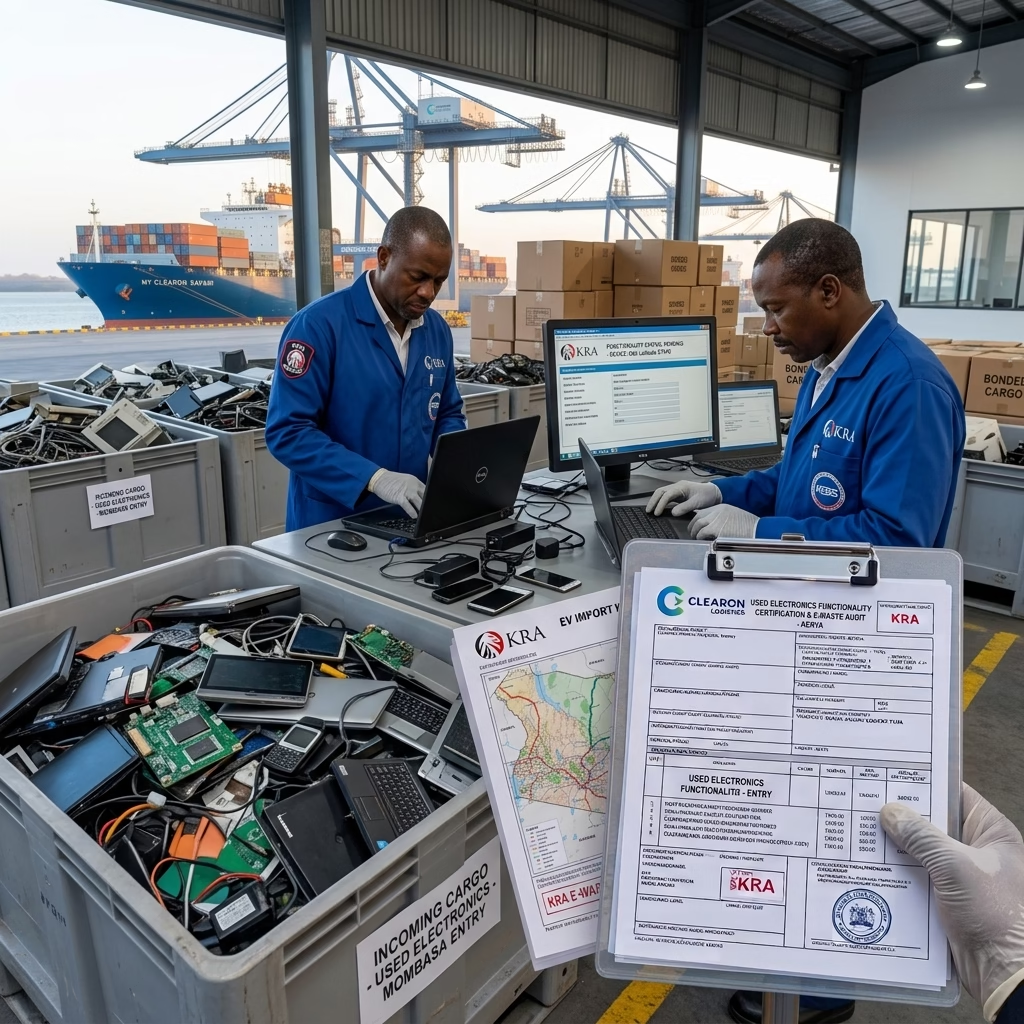
Importing used electronics into Kenya may be about to face its own version of the vehicle industry’s 8-year rule — except set at 12 years, and covering everything from laptops and phones to industrial machinery and household appliances. Kenya’s National Environment Management Authority (NEMA) has been developing regulations specifically targeting ageing, near-end-of-life electronics, and if you deal in refurbished or used electronic goods, understanding where this stands is worth doing now, before it’s a surprise at the port.
Table of Contents
Why Kenya Is Targeting Used Electronics
Kenya imports roughly 70% of its electronic equipment, and a substantial share of that arrives already close to obsolescence — sometimes marketed as affordable second-hand stock, sometimes arriving as donations to schools and institutions. The public health rationale behind tightening this is genuinely serious: older electronics often contain toxic materials like lead, mercury, and cadmium, linked to cancer, birth defects, and respiratory illness, and Kenya generates an estimated 50,000+ metric tonnes of e-waste annually. NEMA has explicitly modelled its proposed approach on the same logic Kenya already applies to used vehicle imports — restrict what enters based on age and condition, rather than banning used goods outright.
The Core Proposal: A 12-Year Cutoff
Under the draft Environmental Management and Coordination (Electrical and Electronic Waste Management) Regulations, electrical and electronic equipment (EEE) manufactured more than 12 years ago would be barred from import — covering everything from everyday gadgets like phones and laptops to major appliances and even industrial machinery. Exceptions would apply for equipment destined for approved museums or certified refurbishment facilities, similar in structure to how vehicle import exceptions work for specific institutional or specialised uses.
The Functionality Test That Matters More Than Age
Age alone isn’t the only threshold. Under the proposal, equipment performing below 85% of its original specifications would be declared waste at the point of entry — regardless of whether it falls under the 12-year cutoff. This means a 6-year-old laptop that’s degraded significantly could be refused entry just as readily as a 15-year-old one, while a well-maintained, high-performing unit closer to the age limit might still pass. All second-hand EEE would need to be tested through KEBS-accredited laboratories to confirm it meets these functional thresholds — laptops needing to boot properly and retain meaningful processing power, mobile phones needing intact screens and adequate battery health, appliances like refrigerators needing to meet specific energy consumption standards.
The Documentation an Importer Would Need
Under the draft framework, importers would need to submit a manifest to NEMA at least 30 days before shipment, detailing:
- Brand and model
- Serial number
- Manufacture date
- A functionality certificate from an accredited testing laboratory
This 30-day pre-shipment notification requirement is a meaningful planning consideration — it means compliance work needs to start well before goods are packed, similar in spirit to how PVoC pre-shipment inspection already works for other regulated categories, but with a longer lead time built in specifically for this proposal.
What Non-Compliance Could Cost
The proposed penalties are substantial: a fine of up to KSh 10 million, or 10% of the value of the imported goods, whichever is higher. KRA would withhold clearance until NEMA issues a compliance certificate, and joint NEMA-KRA inspection teams would operate at Mombasa Port, JKIA, and major land border points. First-time importers would reportedly face 100% inspection, with registered importers who’ve built a track record of compliance potentially facing reduced scrutiny over time — an incentive structure that rewards consistent, honest declaration over time rather than treating every importer identically regardless of history.
Where This Stands Right Now
This is worth being direct about: as of the most recent detailed reporting available, these regulations were still in draft form, proposed by NEMA and moving through the regulatory process rather than fully gazetted and enforced. The government has framed implementation as phased, reportedly beginning with a trial period at Mombasa Port, with a stated goal of cutting non-functional electronic imports by 60% within two years of full rollout. If you deal in used or refurbished electronics, confirming the current, up-to-date status of this regulation — rather than relying on either the original proposal or an assumption that it’s not yet relevant — is exactly the kind of check worth making before your next shipment, given how quickly Kenya’s regulatory landscape has moved on similar fronts throughout 2026.
Preparing for a Regulation Still Taking Shape
Whether this specific proposal is fully in force by the time you’re reading this, or still working through implementation, the direction of travel is clear: Kenya is tightening scrutiny on ageing electronics, following the same pattern already well established for vehicles. Importers and refurbishment businesses who get ahead of testing, documentation, and compliance infrastructure now are better positioned than those waiting for full enforcement to force the issue.
At Clearon Logistics, we track exactly this kind of regulation as it moves from proposal to enforcement, and help clients dealing in used electronics understand the current compliance status for their specific goods — so you’re not caught off guard whether this rule takes effect next month or next year.
Dealing in used or refurbished electronics for the Kenyan market? Talk to Clearon Logistics to confirm the current status of e-waste import regulations before you ship.
Frequently Asked Questions
Is the 12-year electronics import ban currently in force in Kenya? As of the most recent detailed reporting, this was still a draft regulation moving through NEMA’s process rather than a fully enforced law — confirming current status before shipping is essential given how actively this area has been developing.
Would a 6-year-old device automatically pass under this proposal? Not necessarily — equipment performing below 85% of its original specifications would be declared waste regardless of age, meaning a degraded newer device could be refused entry while a well-maintained older one closer to the limit might pass.
What documentation would be required under the draft rules? A manifest submitted to NEMA at least 30 days before shipment, including brand, model, serial number, manufacture date, and a functionality certificate from an accredited testing laboratory.
What are the proposed penalties for non-compliance? A fine of up to KSh 10 million, or 10% of the value of the imported goods, whichever is higher — alongside KRA withholding clearance until NEMA issues a compliance certificate.
Further Reading
- National Environment Management Authority (NEMA) (external, dofollow)
- Kenya Bureau of Standards (KEBS) (external, dofollow)
- Related on our blog: EPR Import Certificate Kenya: 5 Essential Facts
- Related on our blog: Importing a Used Car to Kenya: The 8-Year Rule Explained
- Our service: Clearing and Forwarding Services in Kenya









Leave a Reply