
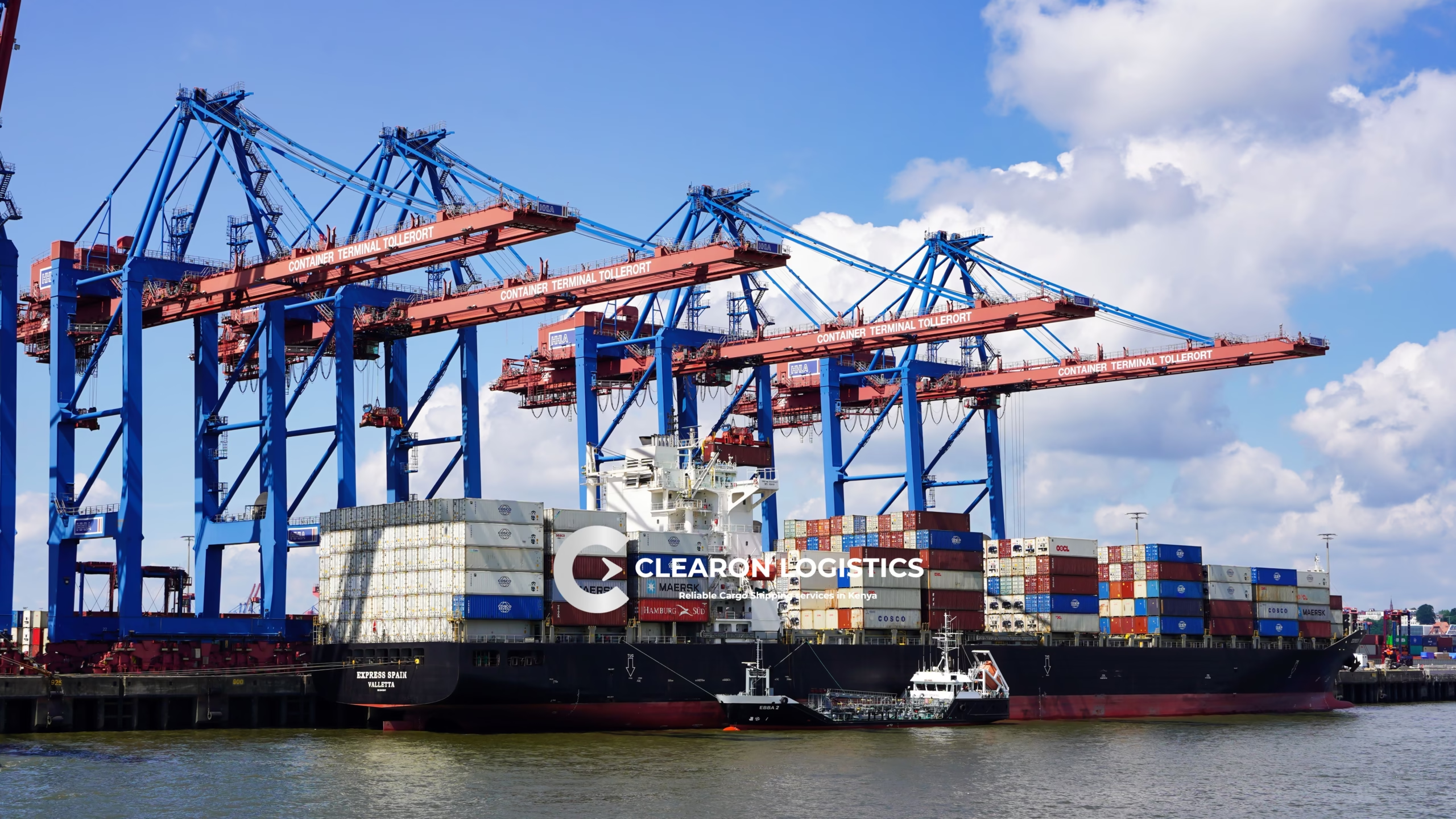
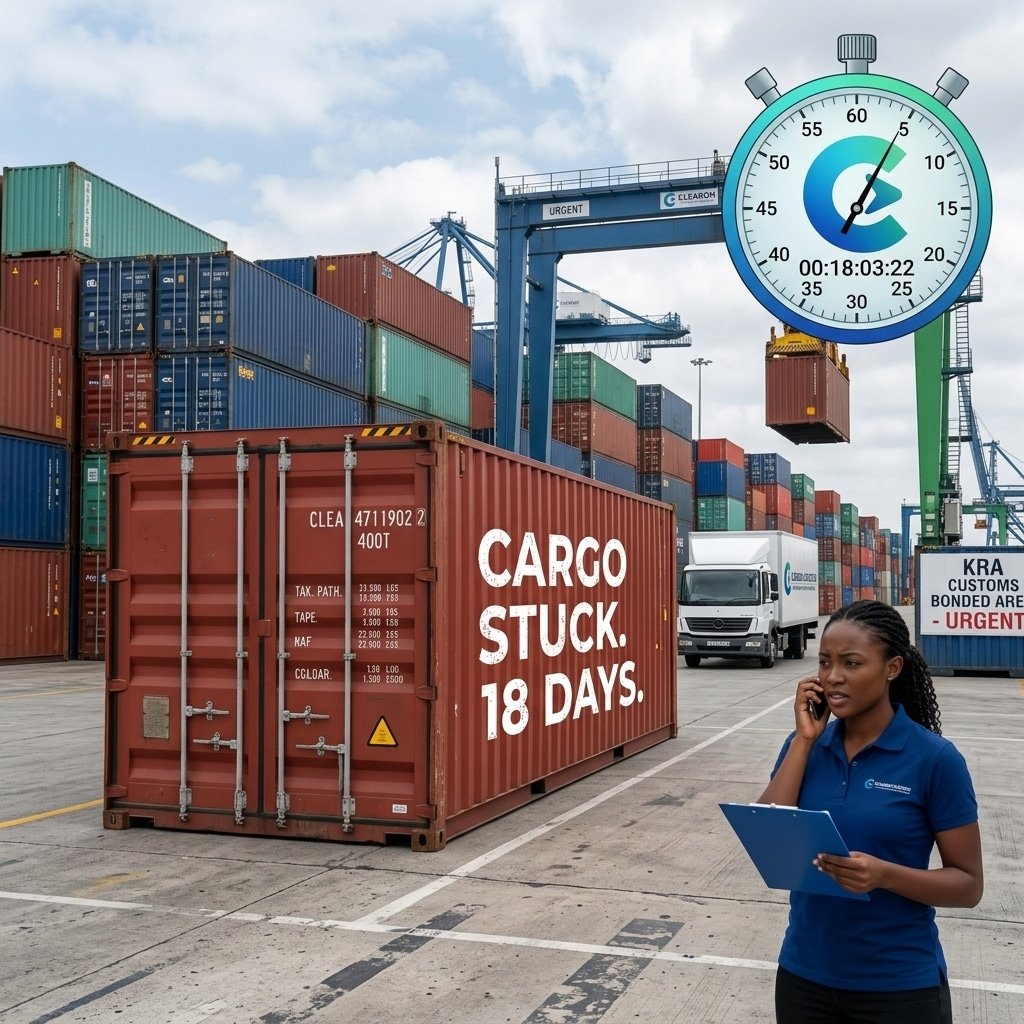
One of the first questions importers ask after shipping goods to Kenya is:
“How long will customs clearance take?”
It is a reasonable question.
Whether you are importing stock for your retail business, machinery for a project, electronics for resale, or raw materials for manufacturing, delays can affect operations, cash flow, and customer commitments.
The challenge is that many importers assume customs clearance is a single event.
In reality, customs clearance is a process involving multiple stages, each of which can affect the overall timeline.
Understanding the customs clearance timeline helps businesses plan more effectively, reduce delays, and avoid unnecessary costs.
At Clearon Logistics, we help importers navigate the KRA customs clearance process from documentation preparation to cargo release and final delivery.
In this guide, we’ll break down the typical customs clearance timeline in Kenya and explain what can speed it up or slow it down.
Why Understanding Customs Clearance Timelines Matters
Many importers make business decisions based on expected arrival dates.
However, vessel arrival or aircraft arrival does not necessarily mean cargo will be immediately available for collection.
Several processes must occur before customs can authorize cargo release.
Understanding these timelines helps businesses:
- Improve inventory planning
- Reduce stock shortages
- Manage customer expectations
- Avoid costly surprises
- Improve supply chain efficiency
For businesses importing regularly, timeline predictability can be just as important as cost control.
Stage 1: Pre-Arrival Documentation Preparation
The customs clearance process should begin before cargo arrives in Kenya.
This is one of the biggest differences between experienced importers and first-time importers.
Experienced importers understand that preparation before arrival often determines how quickly cargo clears after arrival.
Activities During This Stage
Common activities include:
- Reviewing commercial invoices
- Verifying packing lists
- Confirming cargo descriptions
- Checking shipping documents
- Reviewing customs requirements
Typical Timeline
Ideally, this preparation should occur several days before cargo arrives.
The earlier documentation issues are identified, the easier they are to resolve.
Why This Stage Is Important
Many customs delays originate from documentation errors that could have been corrected before shipment arrival.
Stage 2: Cargo Arrival in Kenya
Once the shipment arrives, the cargo enters the customs clearance process.
Depending on the shipping method, arrival may occur through:
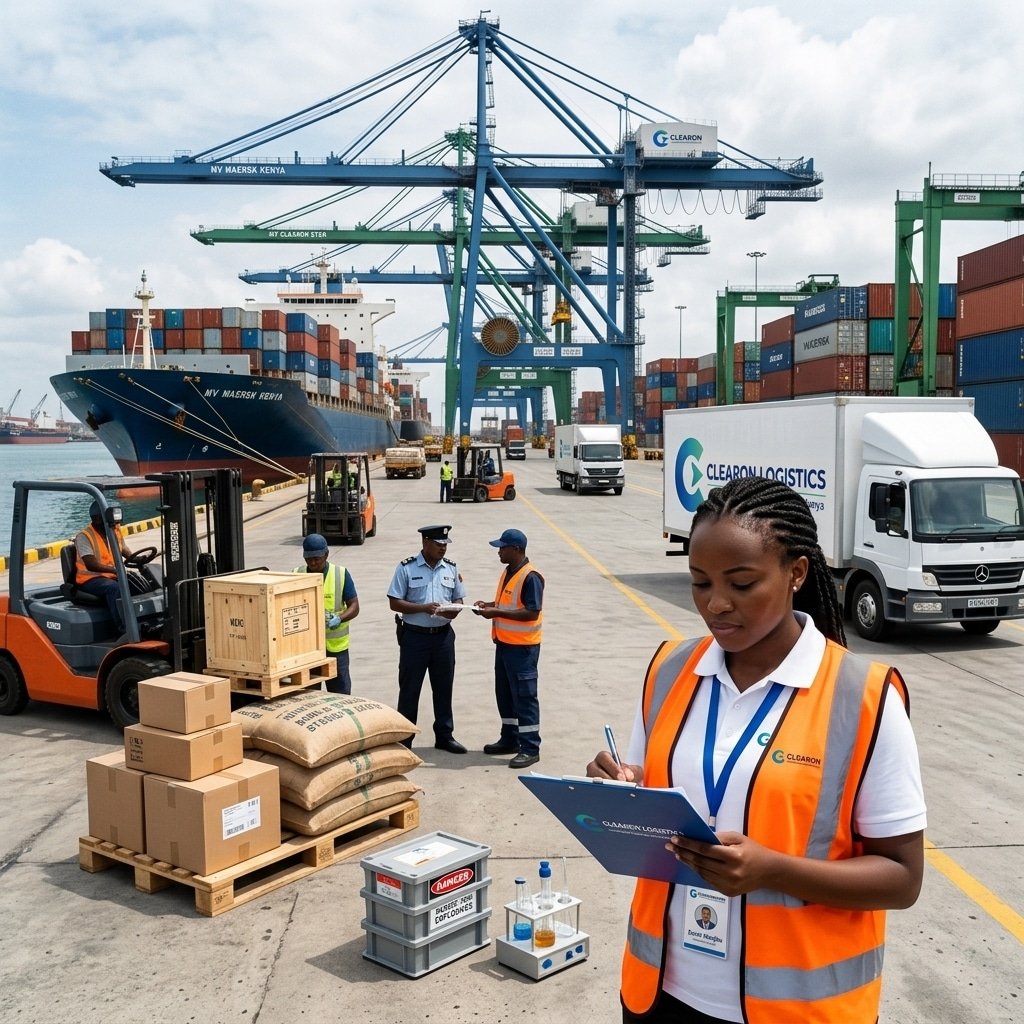
Sea Freight
Most sea freight cargo enters through:
Port of Mombasa
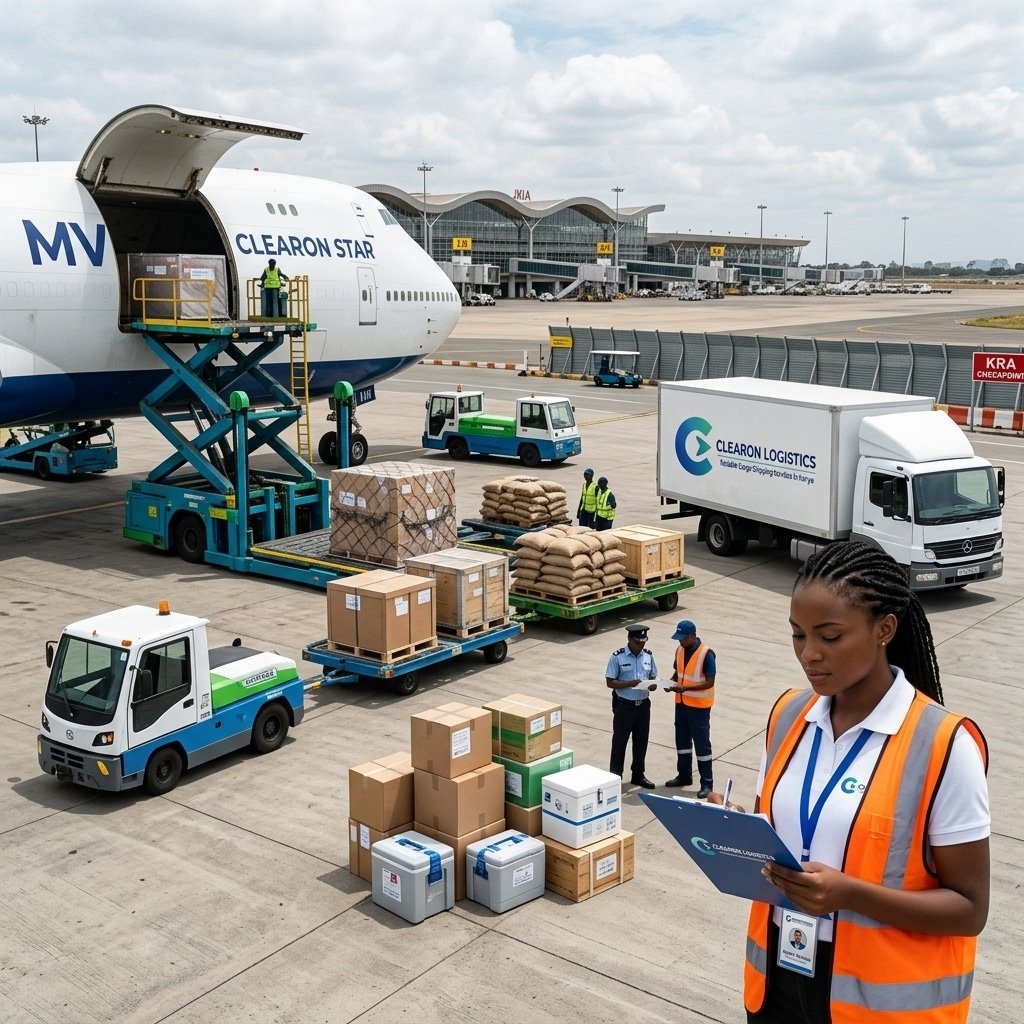
Air Freight
Most air cargo enters through:
Jomo Kenyatta International Airport
Arrival marks the beginning of formal customs processing.
Typical Timeline
Cargo arrival itself is generally immediate once the vessel docks or aircraft lands.
However, arrival does not mean release.
Several additional steps still need to occur.
Stage 3: Customs Declaration Processing
After arrival, shipment information is submitted for customs processing.
The declaration typically includes:
- Product descriptions
- Cargo value
- Importer information
- Product classification
- Supporting documentation
Typical Timeline
For properly prepared shipments, declaration processing can move relatively quickly.
However, timelines may vary depending on:
- Cargo type
- Documentation quality
- Clearance complexity
Common Delays
Problems often arise when:
- Documents are incomplete
- Product descriptions are unclear
- Values require clarification
Stage 4: Duty and Tax Assessment
Once declarations are reviewed, customs determines applicable charges.
These may include:
Import Duty
Based on product classification.
VAT
Applied according to applicable tax regulations.
Import Declaration Fee (IDF)
Applicable to most imports.
Railway Development Levy (RDL)
Part of Kenya’s customs charge structure.
Typical Timeline
Assessment may occur relatively quickly when declarations are complete and accurate.
Delays are more likely when additional information is required.
Stage 5: Customs Verification and Inspection (If Required)
Not every shipment is physically inspected.
However, some cargo may be selected for additional review.
Reasons for Inspection
Inspections may occur due to:
- Risk assessment procedures
- Documentation discrepancies
- Classification concerns
- Value verification requirements
Typical Timeline
Inspections can add additional time to the clearance process.
The exact duration depends on:
- Cargo complexity
- Inspection requirements
- Scheduling considerations
Example
A shipment of consumer electronics may require additional verification if customs needs clarification regarding classification or valuation.
Stage 6: Duty and Tax Payment
Before cargo can be released, applicable customs charges must be settled.
Typical Timeline
This stage often depends on importer readiness.
Importers who have planned and budgeted in advance generally move through this stage faster.
Common Causes of Delay
- Delayed payment approvals
- Cash flow constraints
- Unplanned import costs
Businesses that prepare for customs charges before cargo arrival often experience smoother clearance.
Stage 7: Customs Release Approval
After documentation is accepted, inspections completed (where applicable), and payments settled, customs may authorize cargo release.
This is one of the most important milestones in the import process.
Typical Timeline
Release approval often follows completion of the previous stages.
Well-prepared shipments generally progress more efficiently.
Why This Stage Matters
Cargo cannot leave customs control until release approval has been granted.
Stage 8: Cargo Collection and Port Exit
After customs release, arrangements must be made to remove cargo from the port or airport.
Activities During This Stage
- Transport coordination
- Container collection
- Cargo handling
- Exit procedures
Typical Timeline
This depends largely on logistics planning and transportation readiness.
Common Delays
Importers sometimes focus so heavily on customs clearance that they forget to arrange transportation.
This can lead to:
- Storage charges
- Demurrage charges
- Additional operational costs
Stage 9: Inland Transportation and Delivery
The final stage involves moving cargo to its destination.
Destinations may include:
- Warehouses
- Retail outlets
- Manufacturing facilities
- Construction sites
Example
Cargo arriving through Mombasa may still require transportation to:
- Nairobi
- Nakuru
- Kisumu
- Eldoret
- Other locations across Kenya
Typical Timeline
Delivery timelines vary depending on distance and transportation arrangements.
What Is a Realistic Customs Clearance Timeline?
Many importers ask:
Can cargo clear in a few days?
In some cases, yes.
Well-prepared shipments with:
- Accurate documentation
- Proper classification
- Prompt payments
typically move through customs faster.
Can customs clearance take longer?
Yes.
Additional reviews, inspections, documentation issues, and payment delays can extend timelines.
The most important factor is preparation.
Factors That Speed Up Customs Clearance
Several factors help reduce clearance timelines.
Accurate Documentation
Complete and consistent paperwork reduces customs queries.
Proper Product Classification
Correct HS codes help avoid unnecessary reviews.
Advance Planning
Preparation before cargo arrival improves efficiency.
Timely Payment of Duties
Payment readiness helps prevent avoidable delays.
Professional Customs Coordination
Experienced logistics support helps identify and resolve issues early.
Factors That Cause Customs Delays
Understanding common causes of delays can help importers avoid them.
Documentation Errors
One of the most common causes of clearance delays.
Incorrect Cargo Values
Valuation concerns may require additional review.
Classification Issues
Incorrect HS codes often trigger clarification requests.
Missing Certificates
Certain products require supporting documentation.
Inspection Requirements
Some shipments may require physical verification.
How Clearon Logistics Helps Reduce Clearance Timelines
At Clearon Logistics, we help importers improve customs clearance efficiency through proactive planning and coordinated logistics support.
Documentation Review
Helping identify potential issues before shipment arrival.
Customs Clearance Support
Assisting clients throughout the clearance process.
Freight Forwarding Coordination
Improving visibility across the shipment journey.
Cargo Release Management
Supporting efficient cargo processing and collection.
Final Delivery Coordination
Helping ensure cargo reaches its destination promptly after release.
Why Businesses Trust Clearon Logistics
Businesses across Kenya choose Clearon Logistics because we focus on:
Preparation
Many delays are preventable through early planning.
Transparency
Keeping clients informed throughout the process.
Professional Support
Helping importers navigate complex customs requirements.
End-to-End Logistics Solutions
From shipment origin to final delivery.
Final Thoughts
There is no single customs clearance timeline that applies to every shipment.
The speed of clearance depends largely on preparation, documentation accuracy, compliance, and logistics coordination.
Businesses that understand the customs process and prepare in advance are far more likely to experience smooth and predictable cargo release.
Whether you are importing for the first time or managing regular commercial shipments, working with an experienced logistics partner can significantly improve the process.
At Clearon Logistics, we help businesses and individuals navigate customs clearance efficiently through freight forwarding, customs support, and end-to-end logistics solutions. Contact us today!

Leave a Reply