
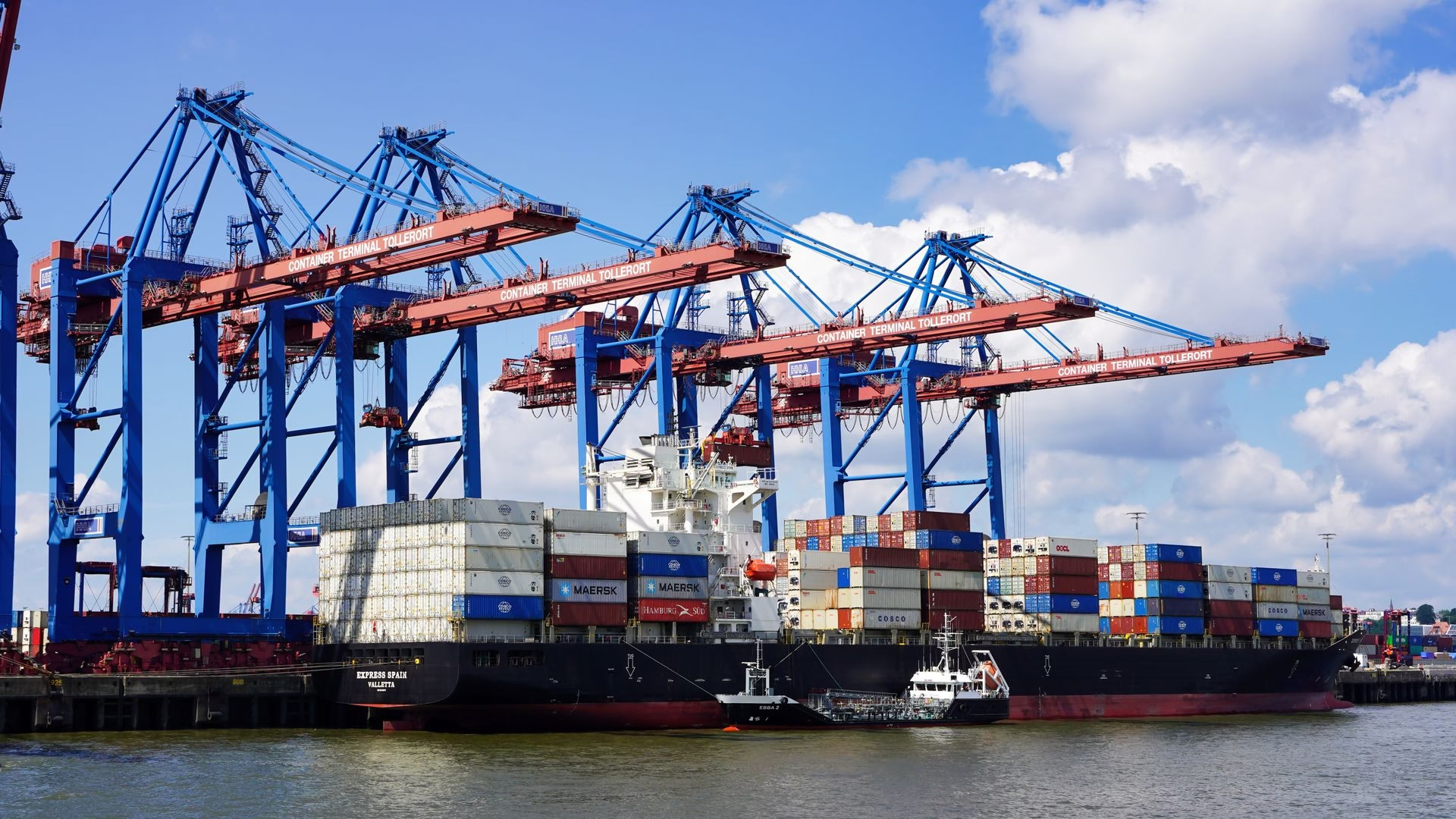
The customs clearance process in Kenya is where most importers feel the most uncertainty. You’ve sourced your goods, paid your supplier, and watched your shipment leave the origin port. Now the waiting begins — and if you’ve imported before, you know the anxious part isn’t the shipping. It’s everything that happens once your cargo touches down in Kenya.
At Clearon Logistics, we think importers deserve a straight answer about what that process actually looks like — not marketing gloss, not a wall of legal jargon. So here’s exactly what happens between your cargo landing at Mombasa Port or JKIA and it arriving at your door, step by step.
It Starts Before Arrival
The groundwork for a smooth clearance is laid long before your ship or flight touches down. Chief among it: the Import Declaration Form (IDF), which needs to be filed with the Kenya Revenue Authority before your goods arrive in the country. It’s one of the most overlooked requirements among first-time importers — and filing it late is one of the single biggest causes of clearance delays we see.
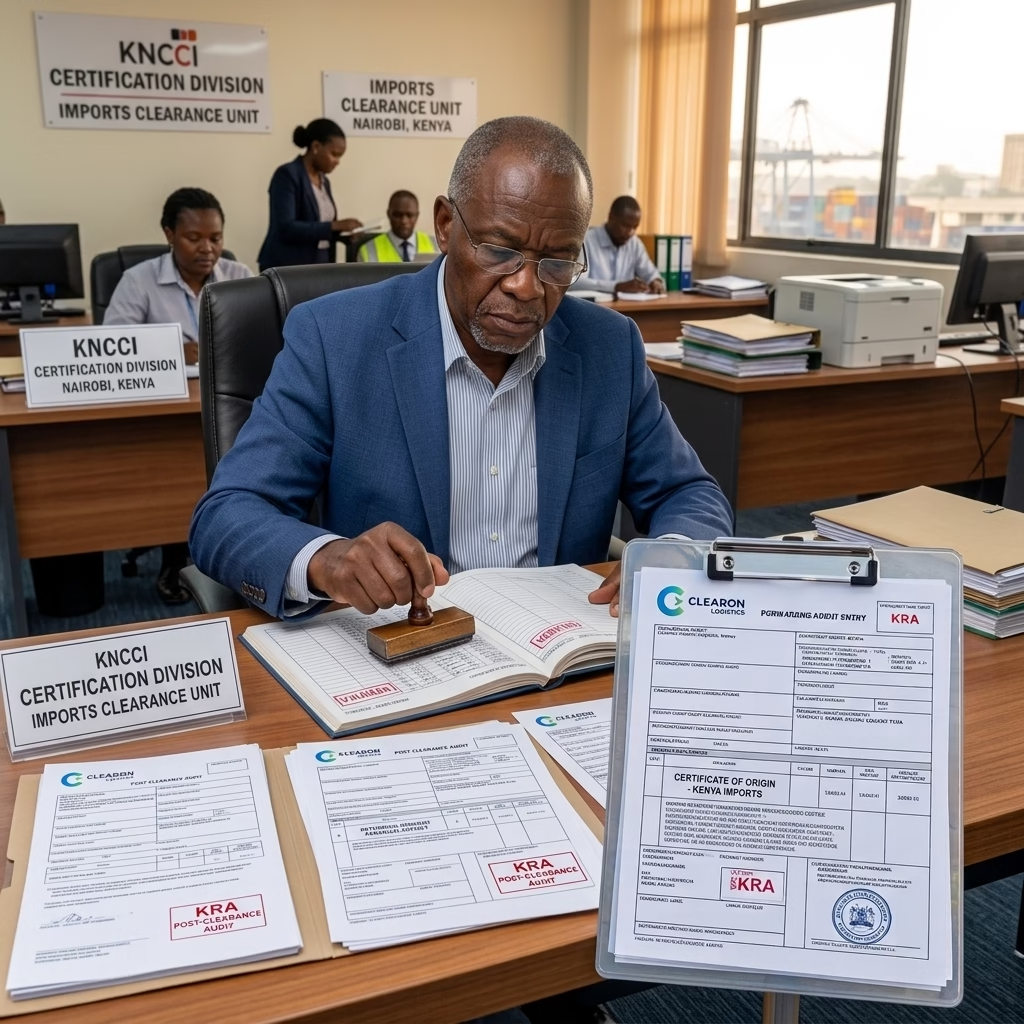
If your goods fall into a category that requires a Certificate of Conformity (COC) — think electronics, vehicles, machinery, and many household and consumer products — that inspection by a KEBS authorized company ideally happens at origin too. Miss it there, and it can still be done locally, but expect it to cost more and take longer. Part of our job at Clearon is flagging this for you upfront, so it’s never a surprise at the port.
Day One: Your Cargo Lands, We Get to Work
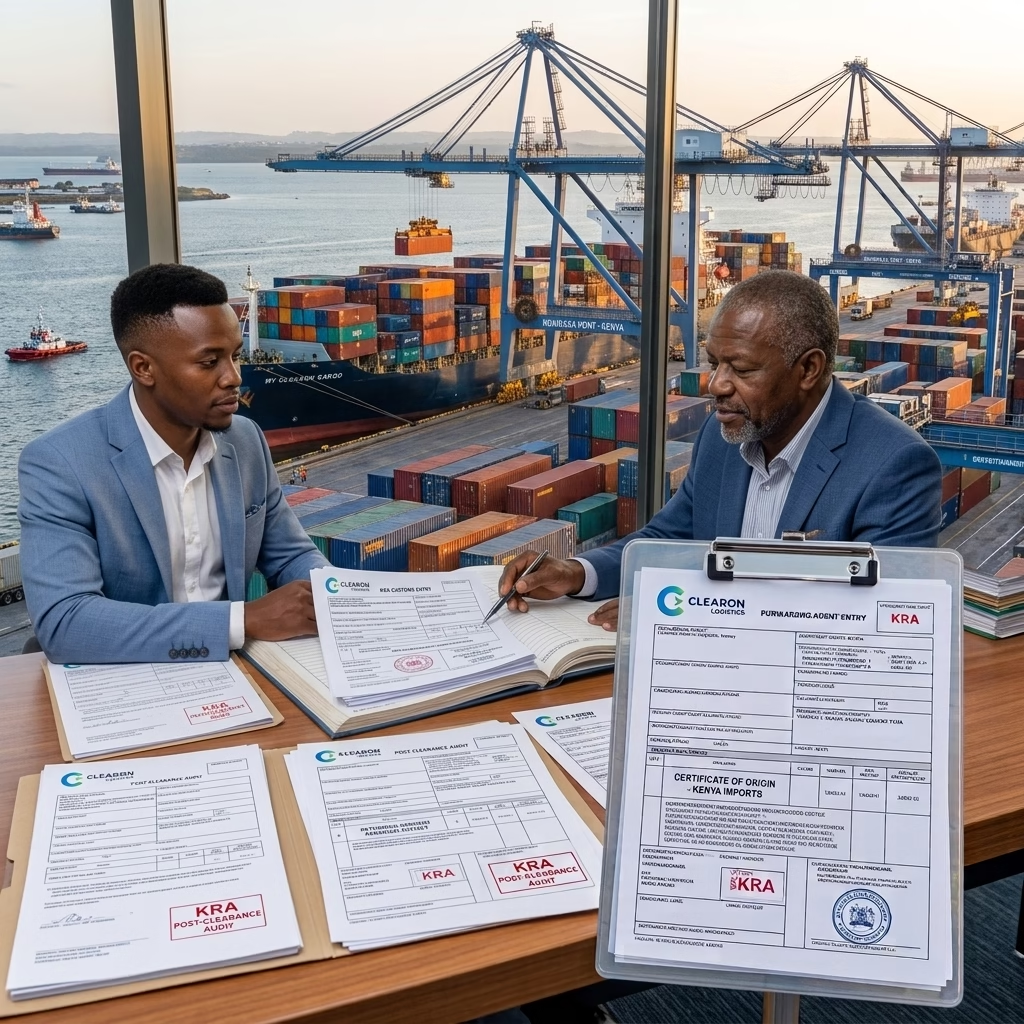
The moment your vessel docks or your flight touches down, our team lodges your customs entry electronically — bill of lading, commercial invoice, packing list, and your IDF number, all submitted through Kenya’s customs system.
One thing every importer should know: this step legally requires a KRA-licensed clearing agent. You can’t self-clear commercial cargo in Kenya, no matter what anyone offers you. If someone promises to “clear it cheaper” by skipping this, that’s not a bargain — it’s a serious risk to your goods and your business.
Duty, VAT, and the Real Cost of Clearing Cargo
Once your entry is lodged, KRA assesses what you owe based on your goods’ HS code classification and declared value. This typically includes:
- Import duty 0-35% — the rate is entirely dependent on what you’re importing and how it’s classified under the East African Community’s tariff schedule. There’s no single flat rate across products.
- VAT 16%— charged on the CIF value plus duty.
- The IDF fee 2.5% — a percentage of your cargo’s CIF value, paid before shipment.
- Railway Development Levy (RDL) 2% — a smaller additional percentage on top.
Here’s where an experienced agent genuinely earns their keep: getting your HS code classification right. Misclassify your goods — even accidentally — and you could end up paying the wrong duty rate or facing a dispute that adds days to your timeline. It’s not just paperwork; it’s a skill that protects your bottom line.
Want to know exactly what your shipment will cost before it even leaves origin? Request a quote and we’ll break down the real numbers for your specific cargo — no guesswork, no surprises at the port.
Inspections: The Part Nobody Can Promise Away
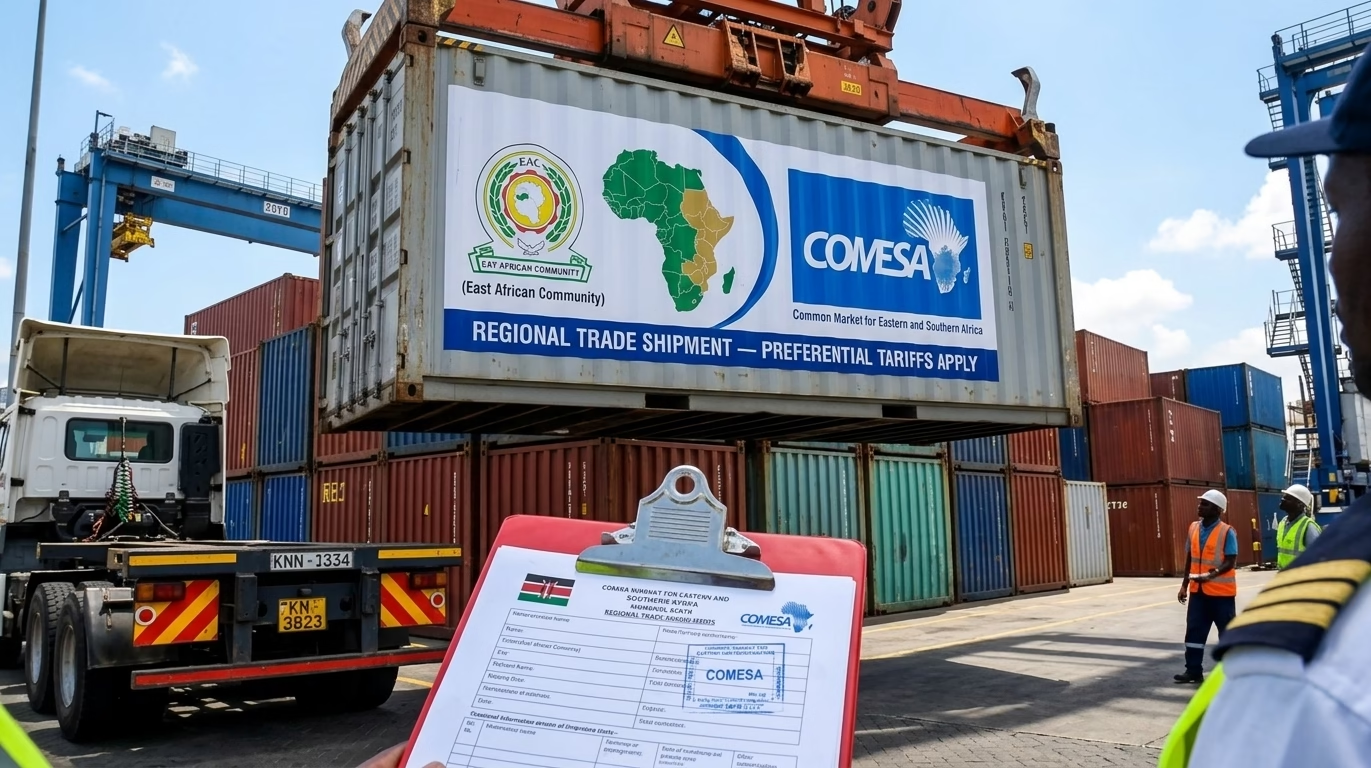
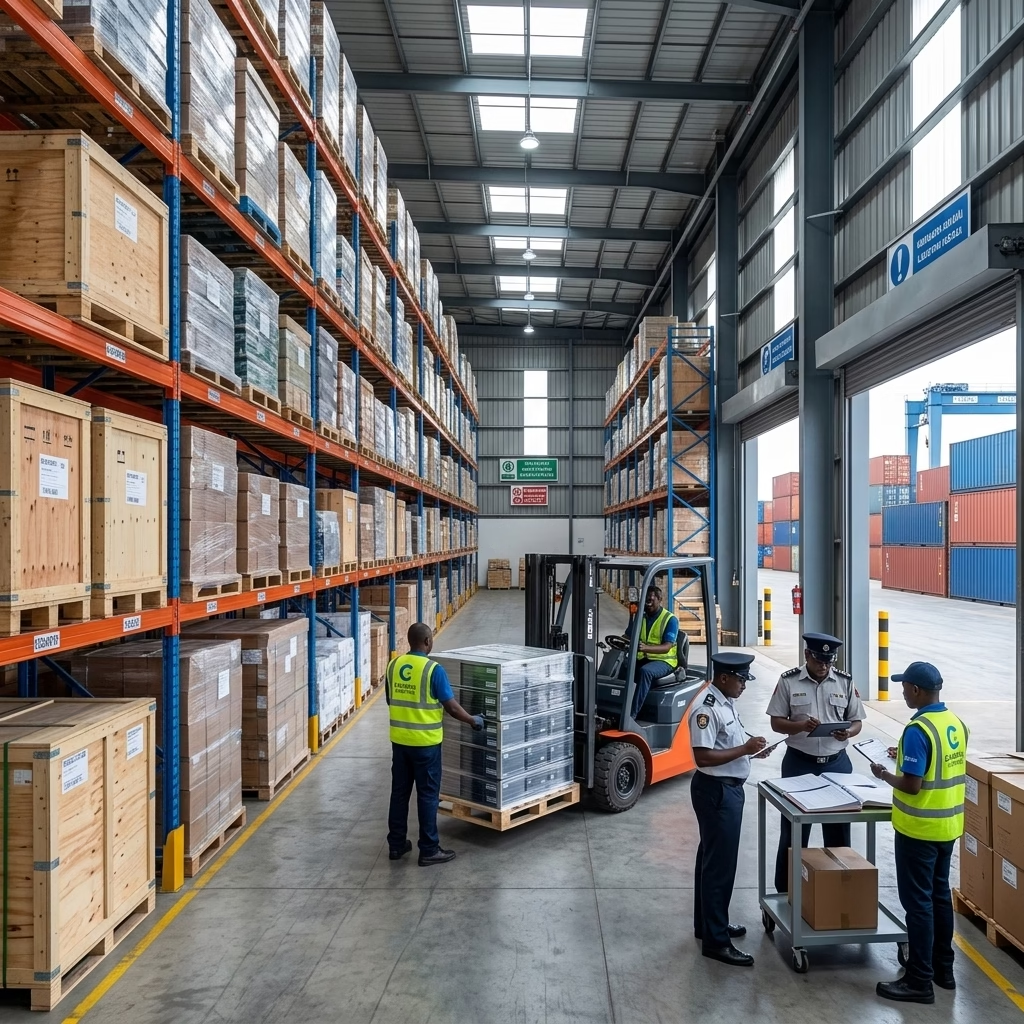
Some shipments get selected for physical inspection — by KRA directly, or by agencies like KEBS, KEPHIS, or the Pharmacy and Poisons Board, depending on what you’re bringing in.
No clearing agent, anywhere, can guarantee your shipment won’t be inspected. What we can guarantee is that your documentation will be airtight going in, so if inspection does happen, it’s a routine check rather than a scramble to find missing paperwork.
Release: When the Waiting Pays Off
Once duty is paid and your documents are approved, KRA releases your cargo. Clean paperwork and no inspection means this moves quickly. Errors, missing documents, or a flagged inspection mean it takes longer.
We could tell you clearance always takes exactly 24 hours. We won’t, because it isn’t true, and that kind of promise usually comes from agents who haven’t handled enough real shipments to know better. What you’ll get from us instead is a realistic estimate based on your actual cargo and documentation — and constant updates if anything changes.
From the Port to Your Door
Once released, your cargo moves into inland transport toward its final destination. Pricing here depends on distance, volume, and cargo type — and like everything else, we quote it specifically rather than folding it into a vague “logistics fee” that hides the real breakdown.
When your goods arrive, you should receive complete documentation alongside them — duty receipts, release notes, everything you’ll need for your own records or any future query. That’s not an optional extra. It’s yours by right, every time.
What We Control — and What We Don’t
Being upfront matters here too:
Within our control: the accuracy of your documentation, correct HS code classification, how fast we lodge your entry, how prepared you are if inspection strikes, and how clearly we keep you informed throughout.
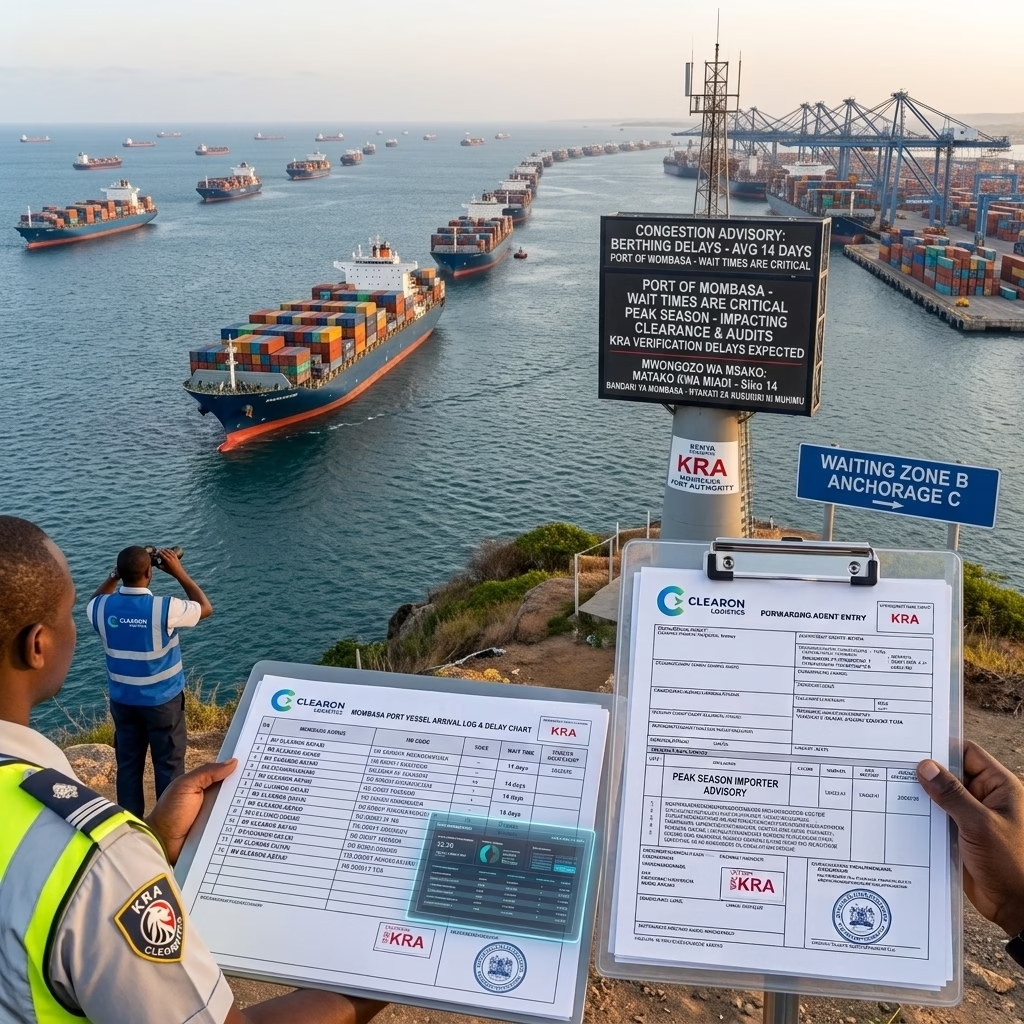
Outside anyone’s control: vessel and flight schedules, port congestion, and which shipments customs agencies choose to inspect.
Any company claiming to control the second list isn’t being straight with you. We’d rather earn your trust with the truth than lose it with a broken promise.
Frequently Asked Questions
How long does customs clearance take in Kenya? It depends on your documentation and whether your shipment is flagged for inspection. Clean paperwork with no inspection clears fastest. We’ll give you a realistic timeline for your specific shipment rather than a generic number that may not hold up.
Can I clear goods myself without an agent? Not for commercial cargo — Kenyan law requires a KRA-licensed clearing agent to lodge your entry. It’s a safeguard as much as a requirement, and one worth respecting rather than trying to work around.
What causes most clearance delays? In our experience, it’s almost always incomplete documentation or an IDF filed too late — both entirely avoidable when the right agent is involved from day one, not brought in after problems start.
Will I be told if my shipment is selected for additional inspection? Always. You’ll hear from us as soon as we know, along with exactly what it means for your timeline.
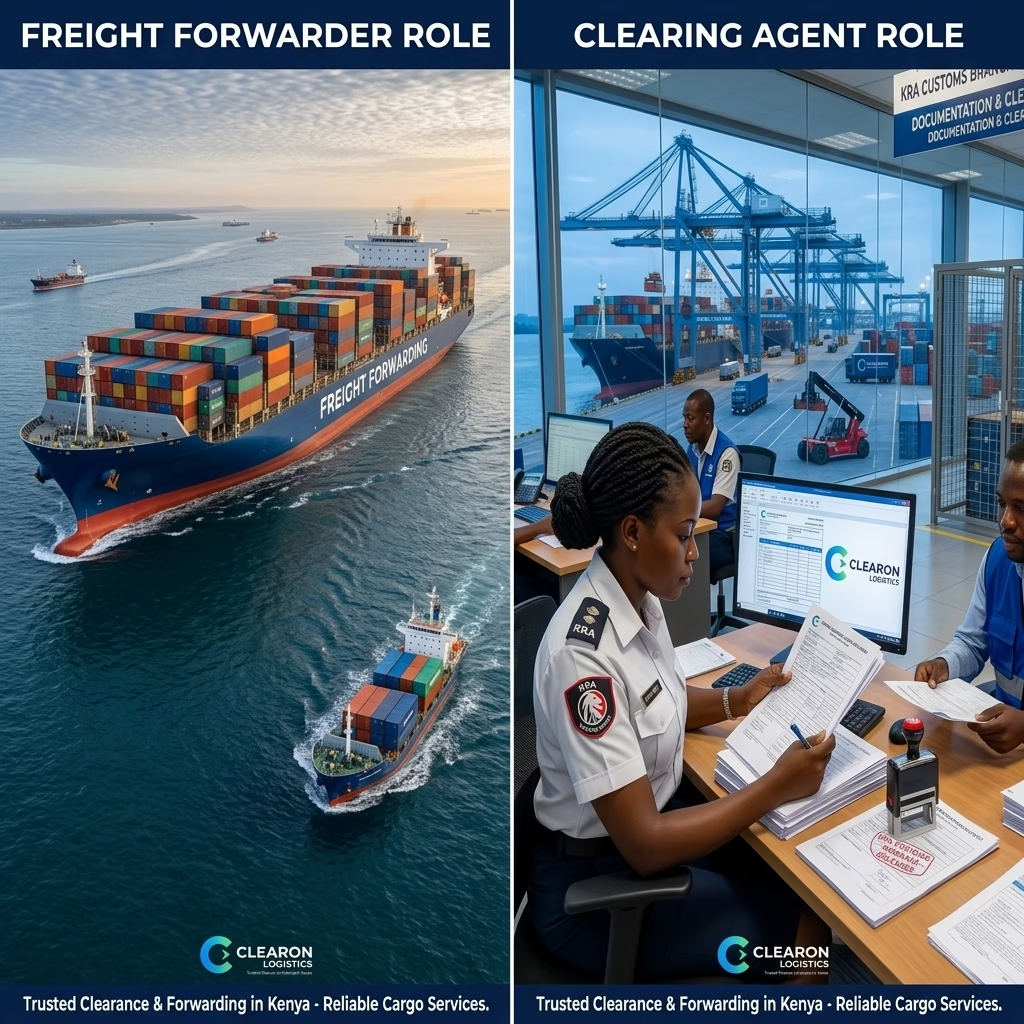
Ready to import without the guesswork? Clearon Logistics handles clearing, forwarding, and freight across Kenya’s busiest ports — with honest timelines and transparent pricing from day one. Contact us and let’s get your cargo moving.
Leave a Reply