
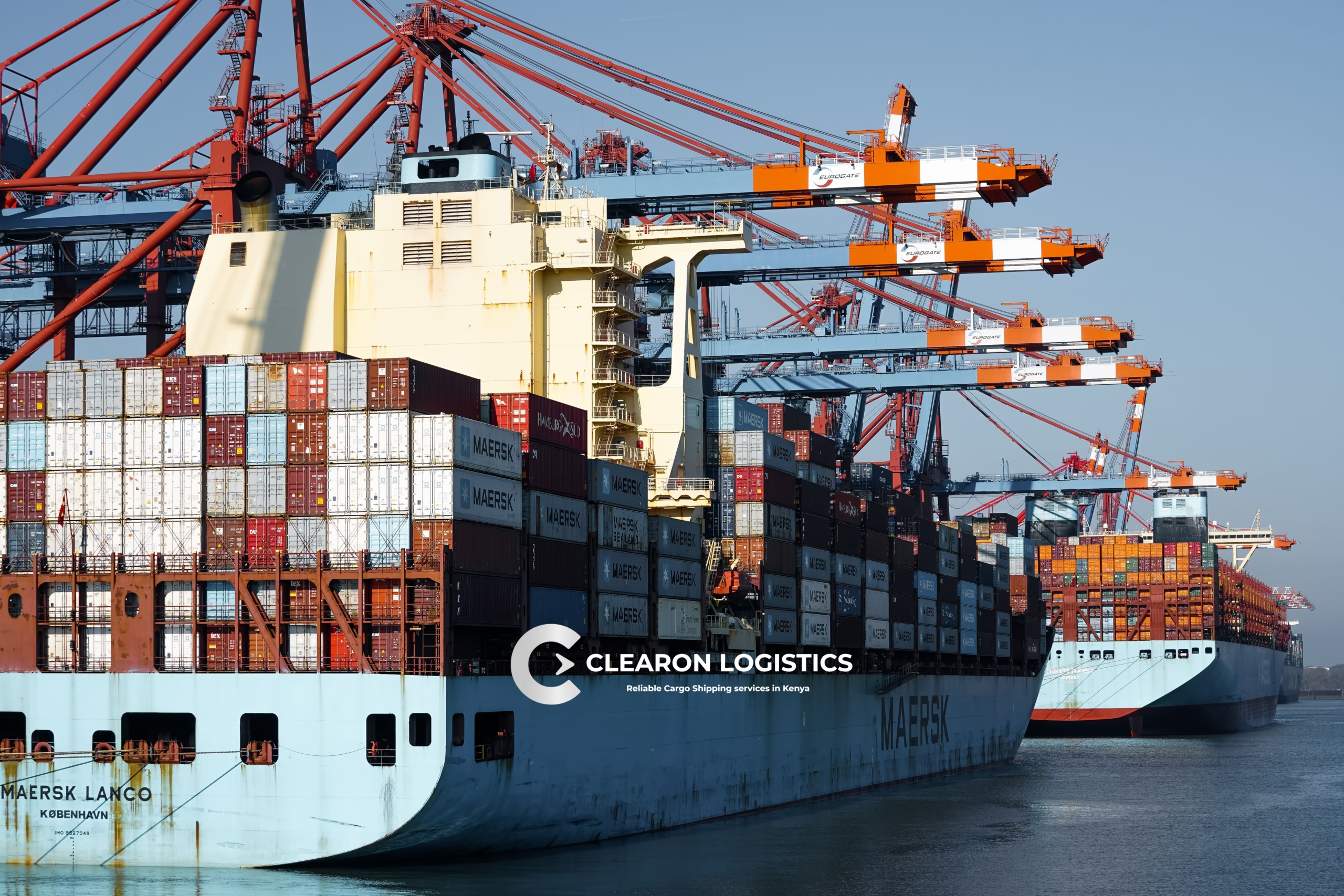
For many importers, the biggest question isn’t how to buy goods overseas or how to ship them to Kenya.
The real question is:
What happens after my cargo arrives at Mombasa Port?
This is where many first-time importers become confused.
They receive a notification that their shipment has arrived, but they are unsure about the next steps, how long clearance will take, what charges may apply, and when they can finally receive their goods.
Understanding what happens after cargo arrival can help businesses plan better, avoid costly delays, and reduce unnecessary stress.
At Clearon Logistics, we help importers navigate every stage of the cargo clearance and delivery process. In this guide, we’ll walk through the typical journey of cargo after it arrives at Mombasa Port.
Why Mombasa Port Is Important for Kenyan Imports
Port of Mombasa is the primary gateway for sea freight entering Kenya and serves as one of the busiest ports in East Africa.
Every year, millions of tonnes of cargo pass through the port, including:
- Consumer goods
- Electronics
- Machinery
- Building materials
- Industrial equipment
- Retail inventory
For most sea freight imports destined for Kenya, Mombasa Port is the first point of entry.
Step 1: Vessel Arrival at Mombasa Port
The process begins when the vessel carrying your cargo arrives at the port.
Once the ship docks, port operations begin unloading containers and cargo.
Depending on:
- Vessel size
- Cargo volume
- Port traffic
this process may take some time before cargo becomes available for customs processing.
What Importers Should Know
Cargo arrival does not mean immediate release.
Several procedures must still take place before goods can leave the port.
This is one of the most common misunderstandings among first-time importers.
Step 2: Cargo Manifest Processing
Before vessel arrival, cargo information is submitted and processed.
The cargo manifest contains important shipment details, including:
- Consignee information
- Cargo description
- Container details
- Shipment references
This information helps authorities identify and track incoming cargo.
Why This Step Matters
Manifest information must align with shipping and customs documentation.
Discrepancies can trigger additional reviews and potential delays.
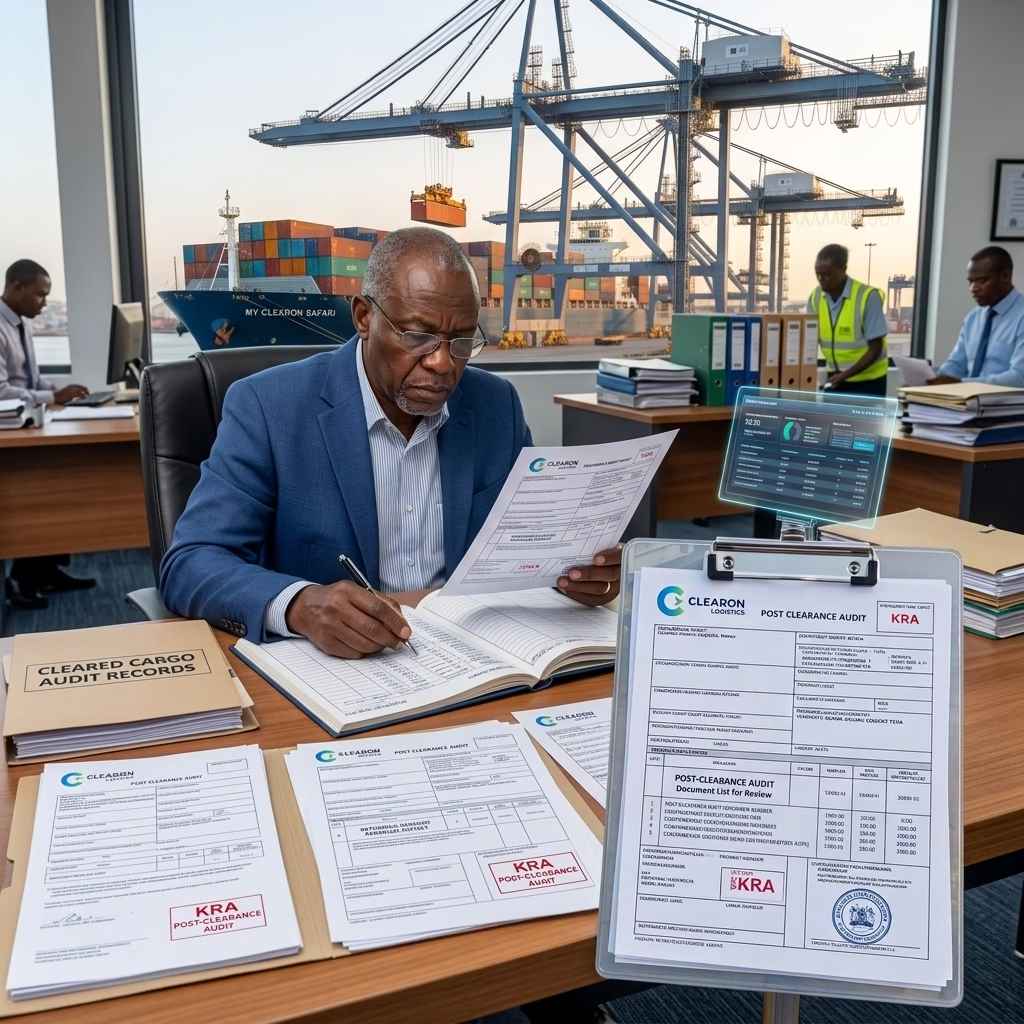
Step 3: Customs Documentation Review
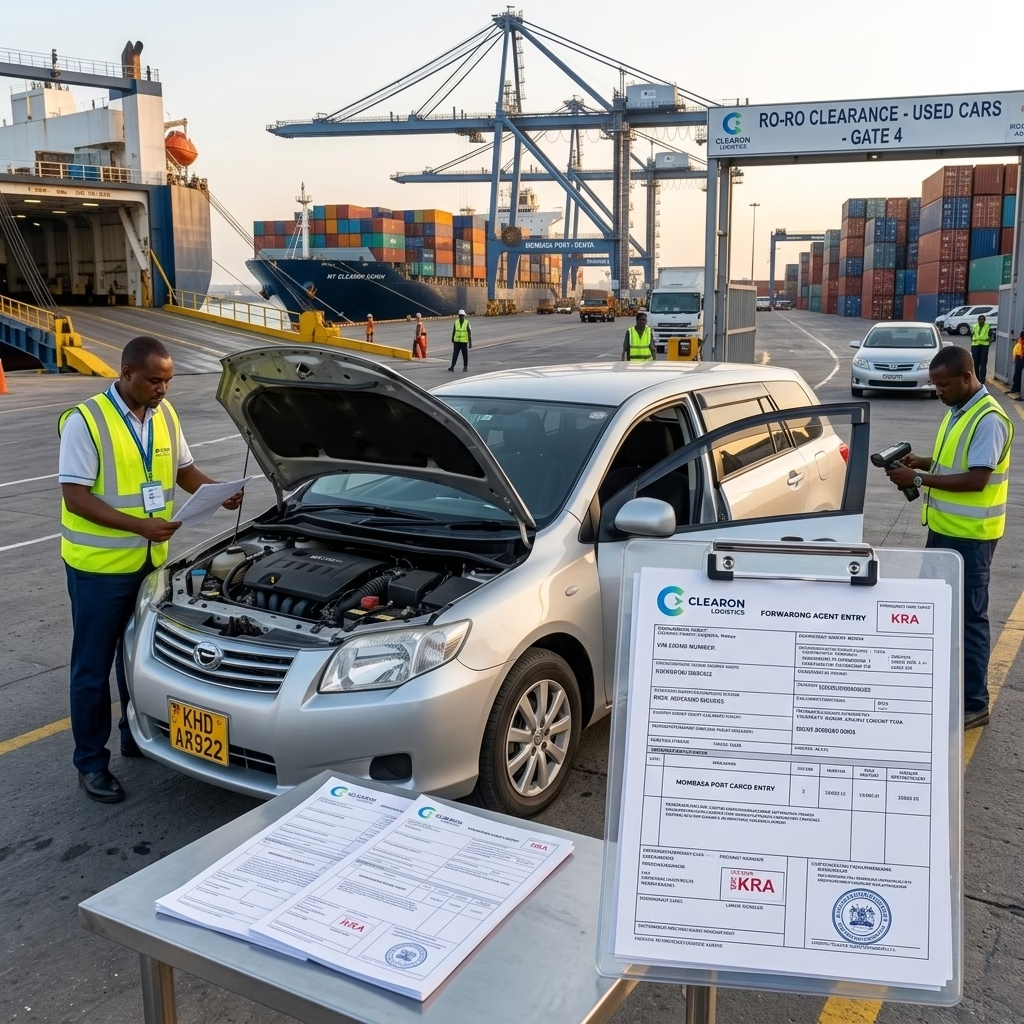
Before cargo can be released, KRA customs authorities review the documentation associated with the shipment.
Common documents include:
- Commercial invoice
- Packing list
- Bill of lading
- Certificate of origin
- Supporting permits and certificates
Common Problems at This Stage
Many delays originate from documentation issues such as:
- Missing documents
- Incorrect product descriptions
- Value inconsistencies
- Quantity discrepancies
Accurate paperwork significantly improves clearance efficiency.
Step 4: Customs Declaration Processing
Imported goods must be formally declared for customs assessment.
The declaration process includes information such as:
- Product descriptions
- Cargo value
- Product classification
- Importer details
Customs uses this information to determine applicable duties and taxes.
Example
A shipment of electronics and a shipment of furniture may have different classification requirements and tax structures.
Accurate declarations are essential for smooth processing.
Step 5: Duty and Tax Assessment
Once cargo information has been reviewed, customs determines the applicable charges.
These may include:
Import Duty
Based on product classification and customs valuation (0%-35%).
VAT
Applied according to applicable tax regulations (16%).
Import Declaration Fee (IDF)
Applicable to all imports entering Kenya (2.5%).
Railway Development Levy (RDL)
Part of the overall customs charge structure (2%).
Why This Stage Is Important
Cargo cannot be released until all required payments and KRA customs procedures have been completed.
Step 6: Cargo Verification and Inspection (If Required)
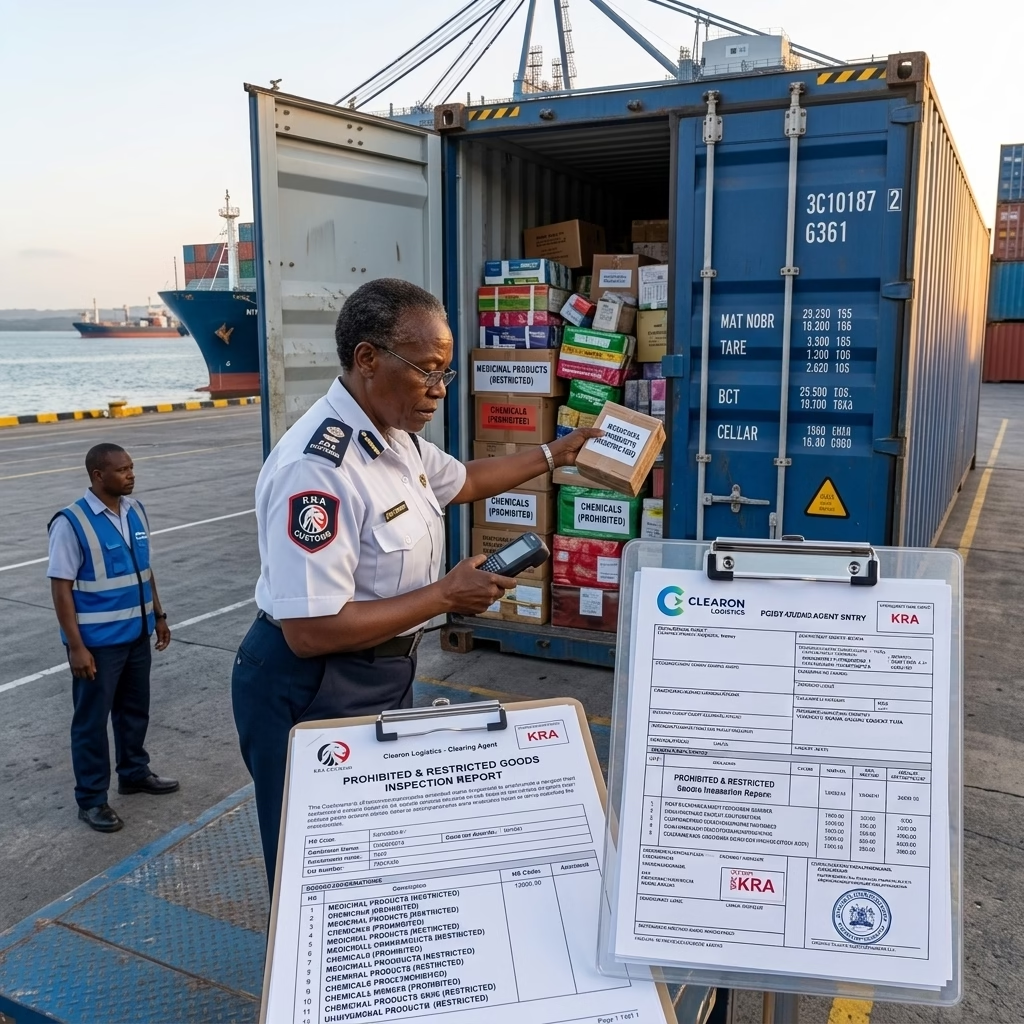
Not every shipment undergoes physical inspection. It is risk based assessment.
However, some cargo may be selected for:
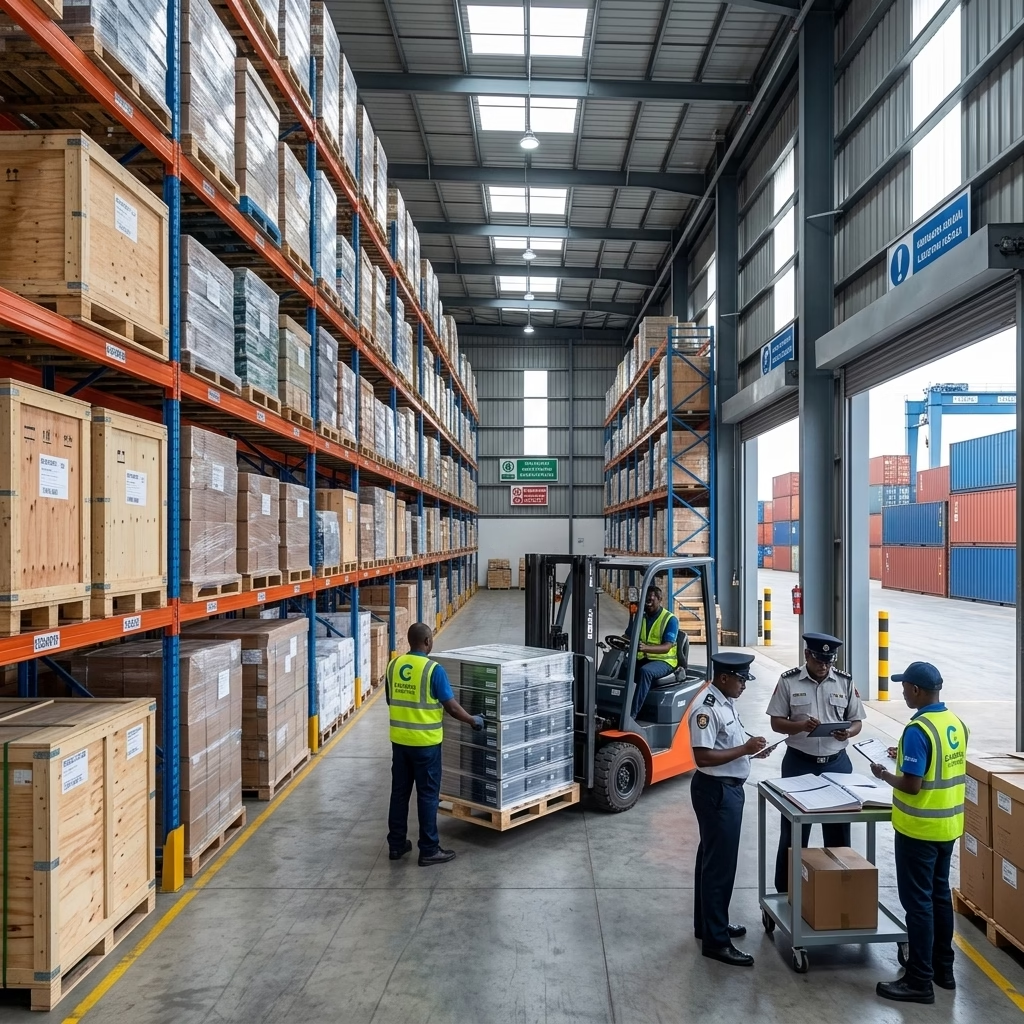
- Verification
- Physical examination
- Documentation review
Reasons a Shipment May Be Inspected
Customs may require additional verification due to:
- Product classification concerns
- Documentation discrepancies
- Value assessment questions
- Compliance requirements
- Risk management procedures
Example
An importer declares a shipment as general accessories, but supporting documents indicate specialized electronic equipment.
Customs may require clarification before proceeding.
Step 7: Customs Release Approval
Once:
- Documentation is accepted
- Duties and taxes are settled
- Required inspections are completed
customs may approve cargo release.
This is one of the most important milestones in the import process.
At this stage, cargo is generally cleared to move toward collection or delivery.
Why Importers Look Forward to This Stage
Customs release signifies that the shipment has successfully completed the clearance process.
However, the journey is not quite over yet.
Step 8: Container Collection and Port Exit Procedures
After customs release, arrangements must be made to remove cargo from the port.
For containerized cargo, this involves coordinating:
- Collection schedules
- Transport arrangements
- Container handling requirements
Delays at this stage may result in:
- Demurrage charges
- Storage costs
- Operational disruptions
Prompt action helps minimize these risks.
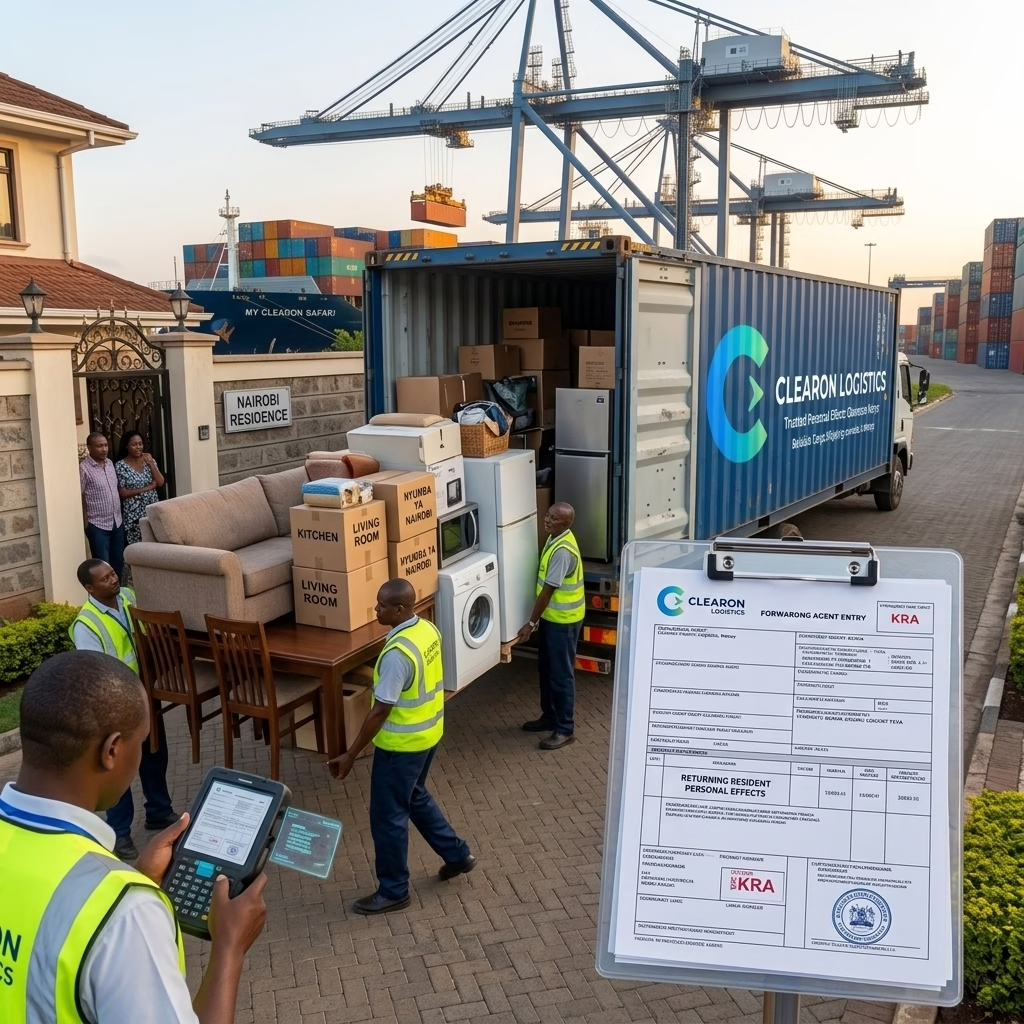
Step 9: Inland Transportation
Once cargo leaves the port, it must be transported to its final destination.
Common destinations include:
- Nairobi
- Kisumu
- Eldoret
- Nakuru
- Thika
- Industrial zones across Kenya
Example
A shipment arriving in Mombasa may still need to travel hundreds of kilometers before reaching the importer’s warehouse.
This final stage is often overlooked when planning import timelines.
Typical Timeline After Cargo Arrives
Many importers ask:
How long does customs clearance take after arrival?
The answer depends on several factors, including:
- Documentation accuracy
- Cargo type
- Customs processing requirements
- Inspection requirements
- Payment timelines
Well-prepared shipments generally move through the process more efficiently than those with documentation or compliance issues.
Common Reasons Cargo Gets Delayed After Arrival
Even after reaching Mombasa Port, shipments can encounter delays.
Documentation Errors
Incorrect paperwork remains one of the leading causes of delays.
Classification Issues
Incorrect HS code declarations may trigger reviews.
Unpaid Duties and Taxes
Cargo cannot proceed until required payments are completed.
Customs Verification
Additional inspections may extend processing times.
Transportation Delays
Failure to arrange collection promptly may result in unnecessary storage and demurrage costs.
How Importers Can Speed Up the Process
Preparation is the best way to reduce delays.
Review Documentation Before Shipping
Verify that all documents are complete and consistent.
Understand Potential Costs
Budget for:
- Import duty
- VAT
- IDF
- RDL
- Transportation costs
Plan Transport Early
Do not wait until cargo is released to arrange collection.
Work With an Experienced Clearing Agent
Professional support can help identify issues before they become costly delays.
How Clearon Logistics Supports Importers at Mombasa Port
At Clearon Logistics, we help importers manage every stage of the process after cargo arrives.
Customs Clearance Support
We assist clients in navigating customs procedures efficiently.
Documentation Review
Our team helps ensure paperwork is properly prepared.
Freight Coordination
We support cargo movement from origin to destination.
Cargo Release Assistance
We help facilitate efficient cargo processing and release.
Final Delivery Coordination
From Mombasa to your warehouse, shop, project site, or business premises.
Why Businesses Choose Clearon Logistics
Importers choose Clearon Logistics because we focus on proactive planning and logistics efficiency.
Our clients benefit from:
Experience
Understanding the complexities of customs clearance and freight forwarding.
Transparency
Keeping clients informed throughout the shipment process.
Reliability
Providing consistent support from arrival to delivery.
End-to-End Solutions
Coordinating multiple stages of the logistics chain under one service framework.
Final Thoughts
For many importers, cargo arrival at Mombasa Port feels like the finish line.
In reality, it marks the beginning of the customs clearance and delivery process.
Understanding what happens after arrival helps businesses prepare more effectively, avoid unnecessary delays, and manage costs more efficiently.
Whether you’re importing a single shipment or managing regular commercial cargo, knowing the process is essential to successful importing.
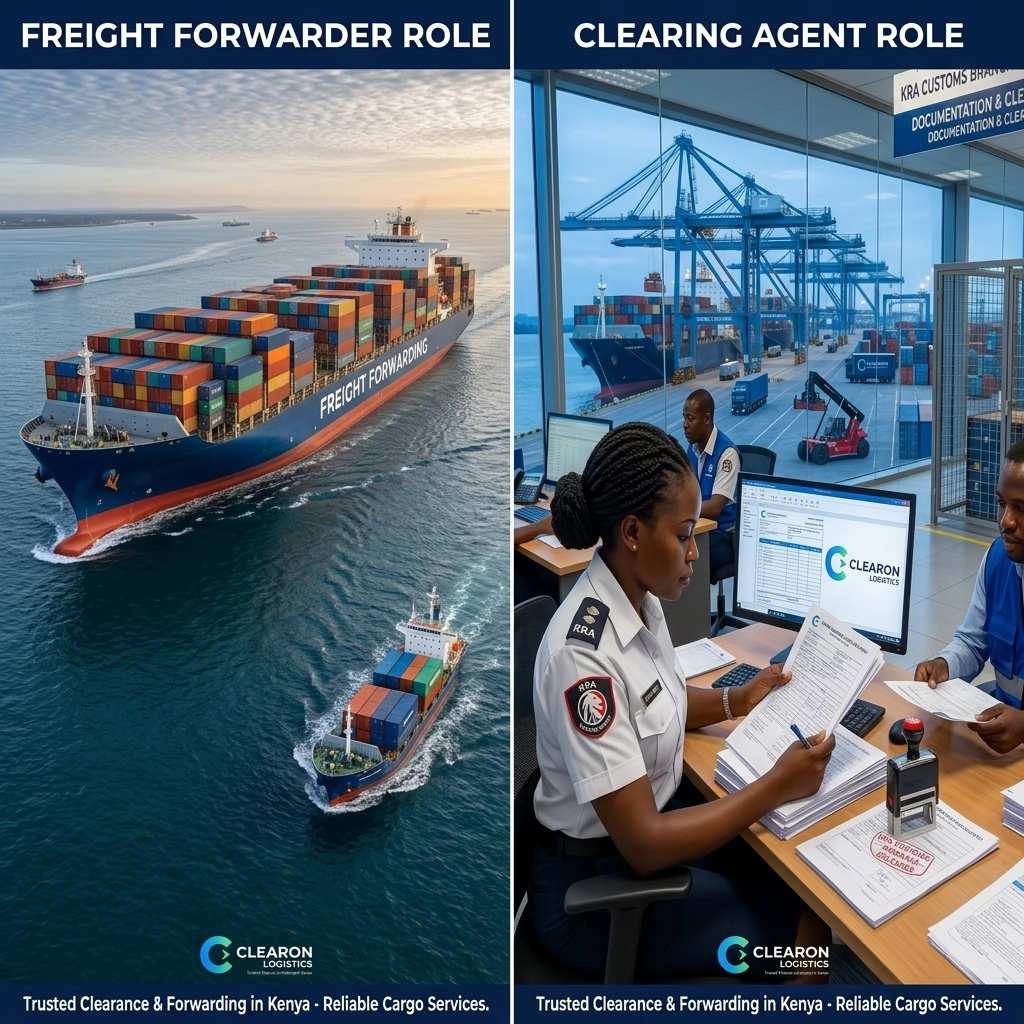
At Clearon Logistics, we help businesses and individuals navigate every stage of the journey—from cargo arrival and customs clearance to final delivery across Kenya. Get in touch with us today!
Leave a Reply