
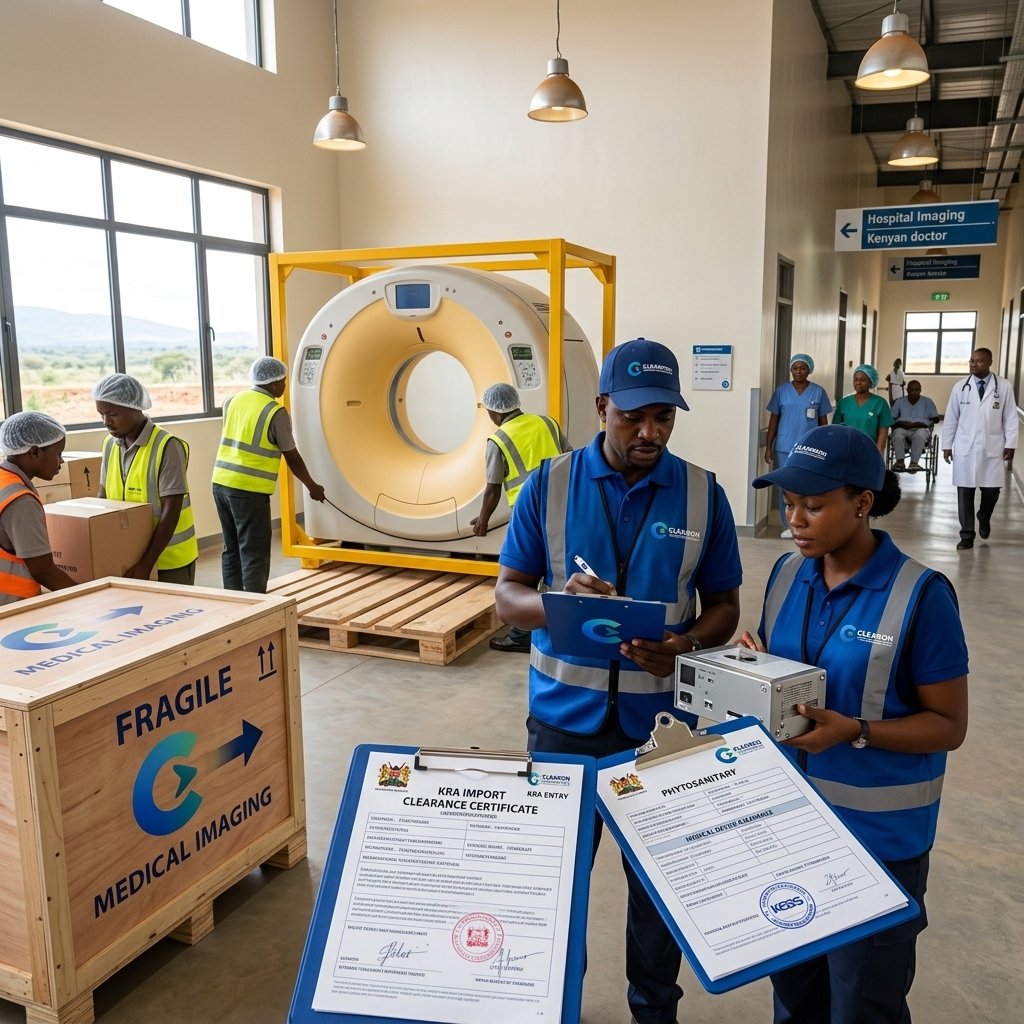
A clearing agent for medical and laboratory equipment is working on cargo where delay has human consequences: a diagnostic machine that can’t be commissioned, a theatre that can’t open, a lab that can’t run tests. It is also one of the most layered regulatory categories in Kenyan trade, because the same shipment can involve the Pharmacy and Poisons Board, the Kenya Nuclear Regulatory Authority, KEBS and customs at once. Hospitals, clinics, laboratories and medical distributors should sort the sequence before an order is placed.
Table of Contents
Why Medical Equipment Needs a Different Clearance Plan
Standard customs clearance is only the last step. Medical devices must generally be registered with the Pharmacy and Poisons Board (PPB) before they can lawfully be sold or used, and each consignment needs its own import permit. Registration timelines are measured in months, not days, so the real critical path starts at the supplier selection stage. An agent who is first called when the container lands has already missed the part of the process that determines whether it clears.
Device Classes and Registration Pathways
PPB regulates devices by risk class, A through D. Lower-risk Class A products generally need only listing, while Classes B, C and D need fuller registration, with standard, fast-track and emergency pathways depending on risk and whether the device already holds approval from a recognised reference authority. Foreign manufacturers generally cannot register directly and must appoint a locally registered representative or distributor. Our pharmaceuticals and devices guide sets out this sequence in detail; confirm your device’s class and status with the supplier before you order.
Equipment That Emits Radiation
X-ray, CT, fluoroscopy and certain industrial and research instruments contain or generate ionising radiation and fall under the Kenya Nuclear Regulatory Authority. The import licence is valid for only 30 days, so it must be timed to the shipment, and the fee is calculated on CIF value. Operating the equipment needs separate licences and premises inspection. Read our radiation sources guide before you commit to a delivery date, because a customs-cleared machine that can’t lawfully be switched on is a very expensive ornament.
Laboratory Equipment, Reagents and Consumables
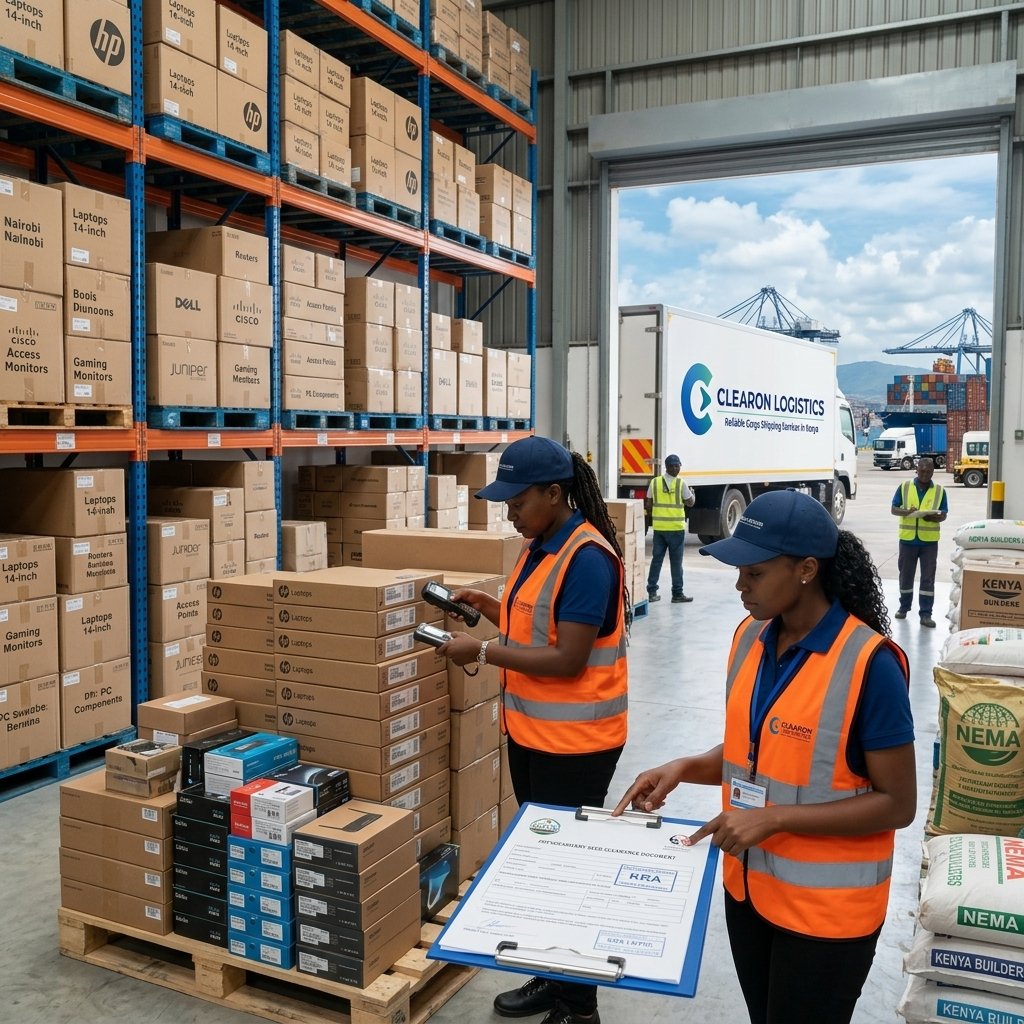
Laboratory shipments often combine instruments, glassware, reagents and consumables. Instruments follow the machinery and electrical routes in our electrical equipment guide; chemicals and reagents can raise hazardous-substances questions covered in our chemicals guide; and temperature-sensitive biological material needs cold-chain planning and the correct regulator’s approval. Do not ship these together under one description. Itemise each line with its use and storage requirement.
Donations, Used Units and Institutional Buyers
Donated and second-hand medical equipment attracts extra scrutiny, valuation questions and, for some donors, different duty arrangements. Check the position with the regulator before the equipment leaves the donor’s country. NGOs and some institutions may qualify for relief under separate frameworks, as explained in our machinery guide on incentive schemes and the diplomatic and NGO exemptions regime. Never assume relief applies; get the approval in writing first.
Documentation Pack for Medical and Lab Equipment
- Itemised invoice with model, serial numbers and device class
- PPB registration or listing evidence and per-consignment import permit
- KNRA import licence where radiation sources are involved
- Manufacturer’s declaration, technical file and, where relevant, free-sale certificate
- Packing list with handling, temperature and shock requirements
- Bill of Lading or Airway Bill, Advance Cargo Declaration reference and Certificate of Origin
- Export declaration document and local marine cargo insurance certificate
- Installation and commissioning schedule, so delivery matches site readiness
Working With Clearon Logistics on Medical Imports
We map the regulator sequence before the order is placed, align shipment dates with licence validity, and coordinate handling for fragile and temperature-sensitive cargo through to the hospital door. Every cost is itemised.
Importing medical or laboratory equipment into Kenya? Talk to Clearon Logistics early in your procurement, so registration, licensing and shipping dates line up.
Frequently Asked Questions
Do medical devices need PPB registration before import? Generally yes. Devices are registered or listed by risk class, and each consignment needs its own import permit. Confirm your device’s class and status early.
How long is a KNRA import licence valid? 30 days, so applications must be timed to the actual shipment date.
Can I import second-hand medical equipment? It attracts extra scrutiny and valuation questions, so confirm the regulatory position before purchase rather than after shipping.
Can laboratory reagents ship with instruments? They can ship on the same vessel, but should be declared separately, since chemicals and reagents may raise hazardous-substances and storage issues.
Further Reading
- Pharmacy and Poisons Board (external, dofollow)
- Kenya Nuclear Regulatory Authority (external, dofollow)
- Related on our blog: Importing Pharmaceuticals into Kenya
- Related on our blog: Importing Radiation Sources into Kenya
- Related on our blog: Clearing Agent for Electrical Equipment Importers
- Our service: Clearing and Forwarding Services in Kenya









Leave a Reply