
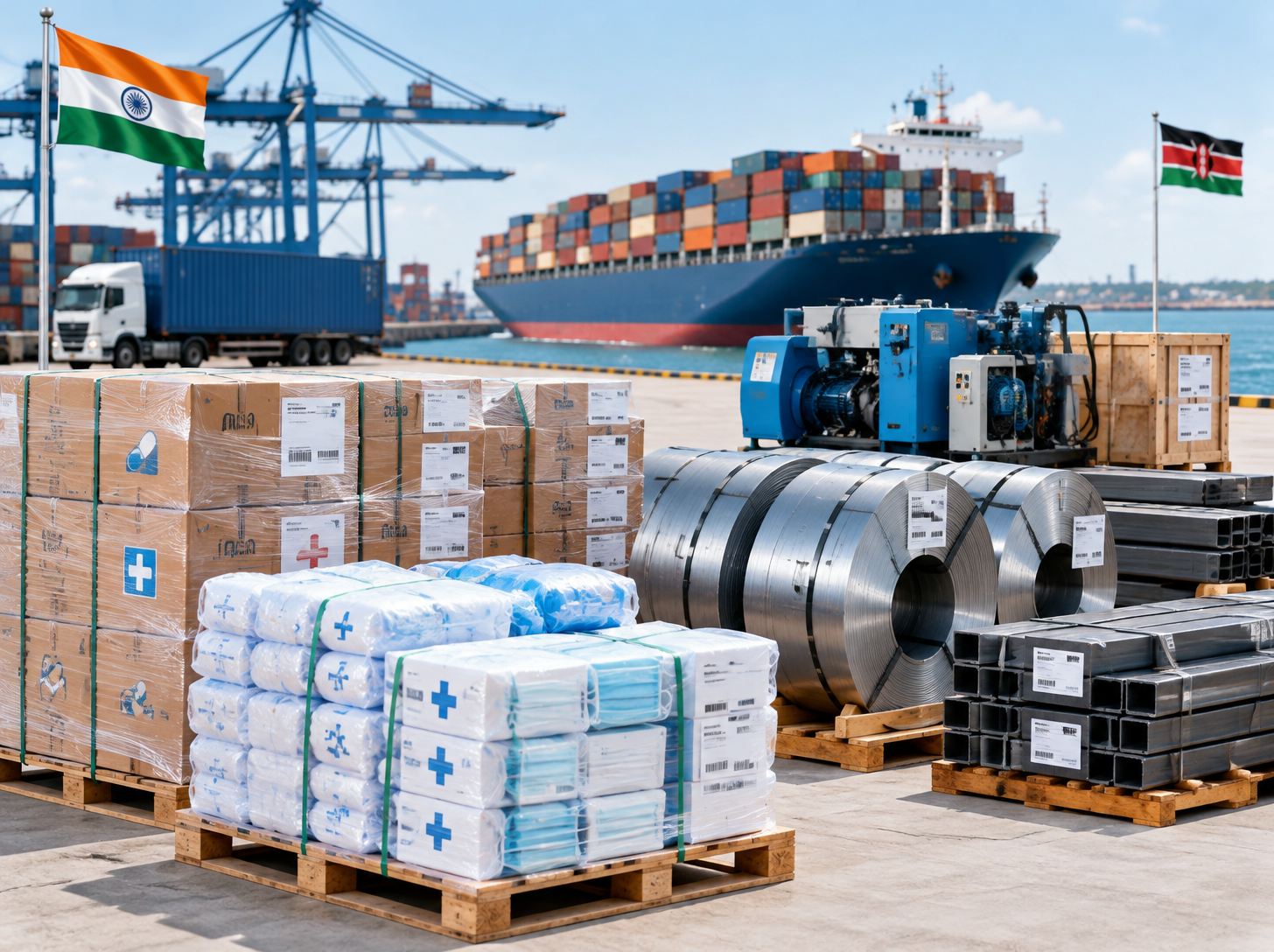
Importing from India to Kenya covers a remarkably wide range of products, and each follows its own rules once it reaches Kenya. India’s exports to Kenya are led by petroleum products, pharmaceuticals, machinery, cereals including rice, vehicles and parts, iron and steel, plastics, chemicals, paper and textiles. Freight is only one part of the job; the product decides which regulators, certificates and permits apply. Here is a product-by-product guide.
Table of Contents
Pharmaceuticals and Medical Products
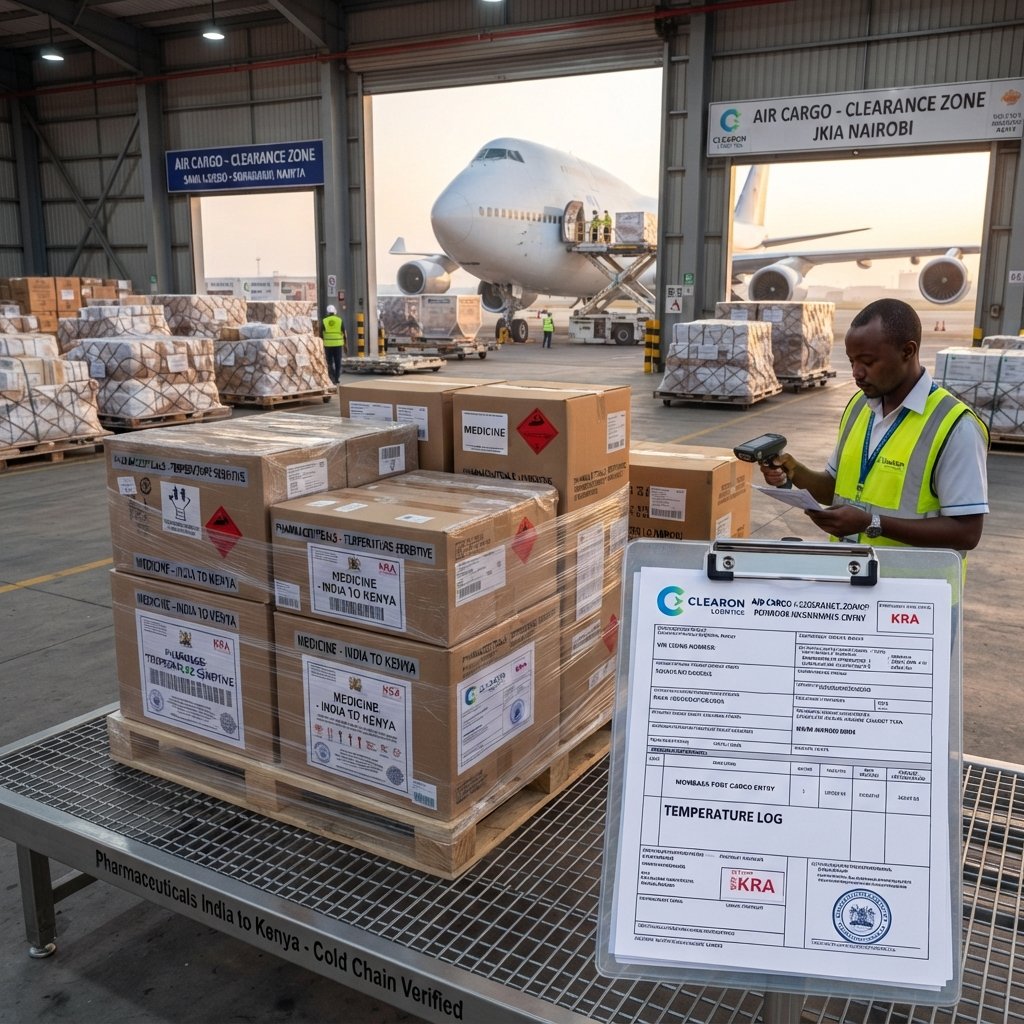
India is a major supplier of medicines. In Kenya, products must be registered with the Pharmacy and Poisons Board and each consignment needs an import permit, with foreign manufacturers appointing a local representative. Plan months ahead; see our pharmaceuticals guide and medical equipment guide.
Rice and Cereals
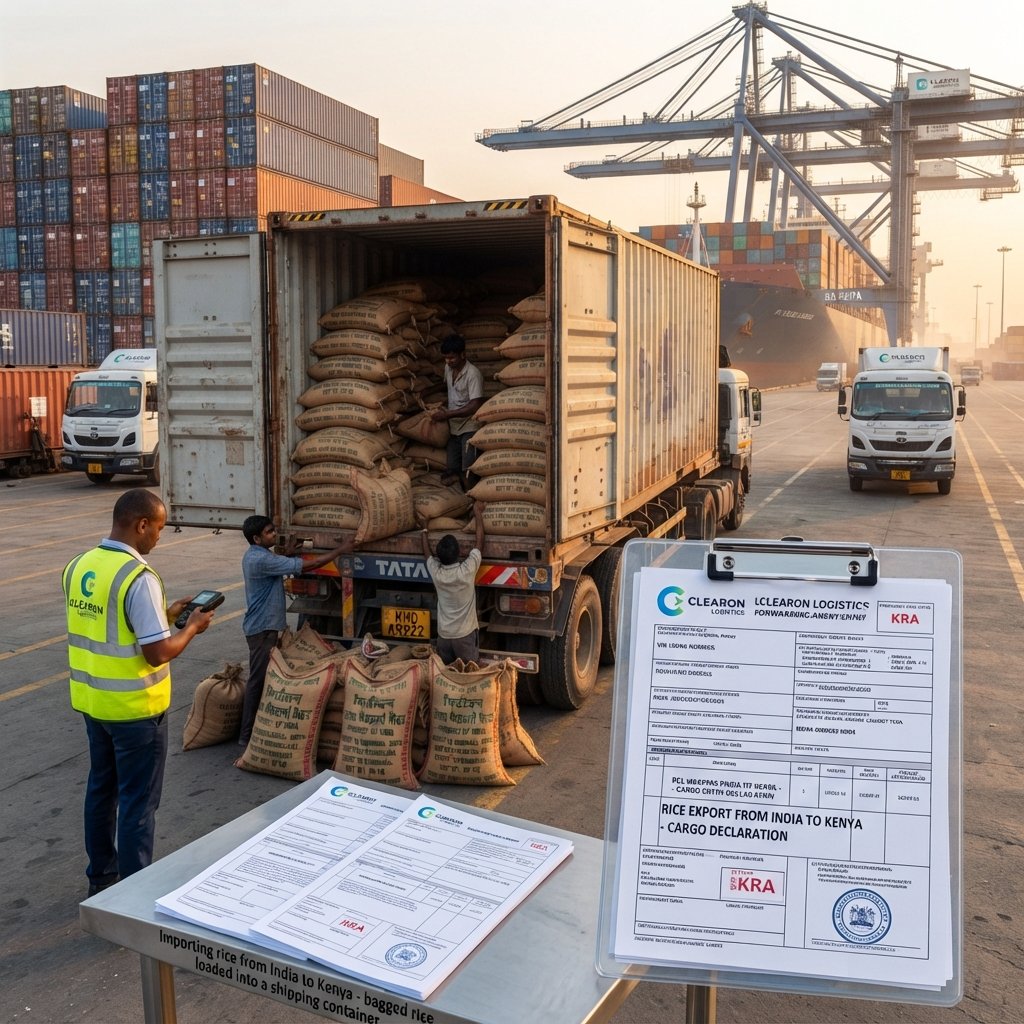
Rice imports are shaped by quota, duty-waiver and policy decisions that have been actively contested, so check current conditions before committing to large orders. See our rice guide and food and beverage guide, which also cover shelf life, labelling and certification.
Motorcycles, Vehicles and Auto Parts
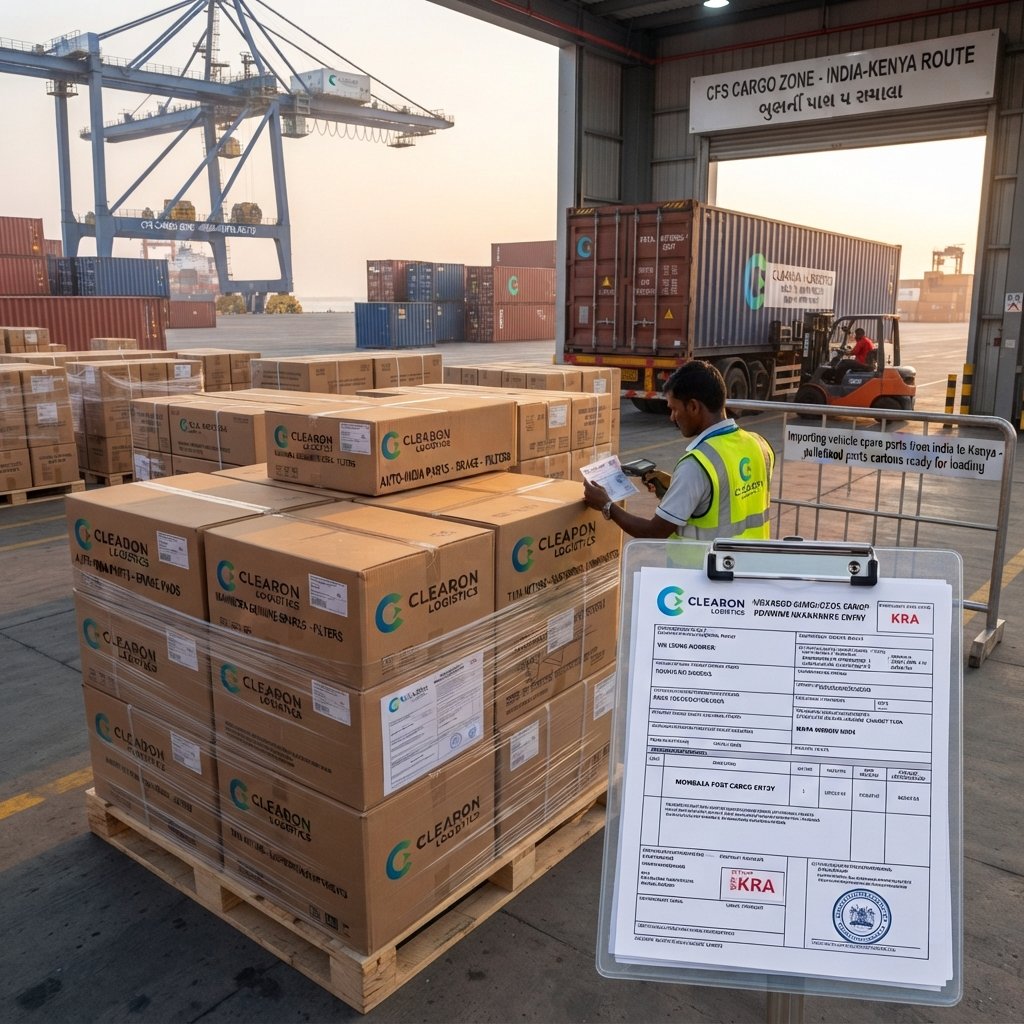
Motorcycles and vehicles carry age, valuation and incentive rules, with local assembly kits treated differently from complete units; see our motorcycles guide and used car guide. Auto parts face new-versus-used policy and counterfeit risk; see our auto parts guide.
Machinery and Equipment
Machinery needs classification, certification or exemption routes, and used units attract valuation scrutiny. Manufacturers should explore incentive schemes before importing. See our machinery guide and used machinery guide.
Steel and Building Materials
Steel and other building materials need conformity certificates, and duty on steel products has changed through regional stays, so confirm current rates at HS level. See our building materials guide and KEBS marks guide.
Plastics, Chemicals and Paper
Industrial chemicals can trigger NEMA registration, and packaging carries EPR obligations; see our chemicals guide and EPR guide. Confirm the classification of resins and chemical inputs, since misdeclaration is closely watched.
Textiles and Yarn
Garment manufacturers importing fabric, yarn and trims should check scheme eligibility and keep rules-of-origin records; see our garment manufacturers guide.
What Applies to Everything From India
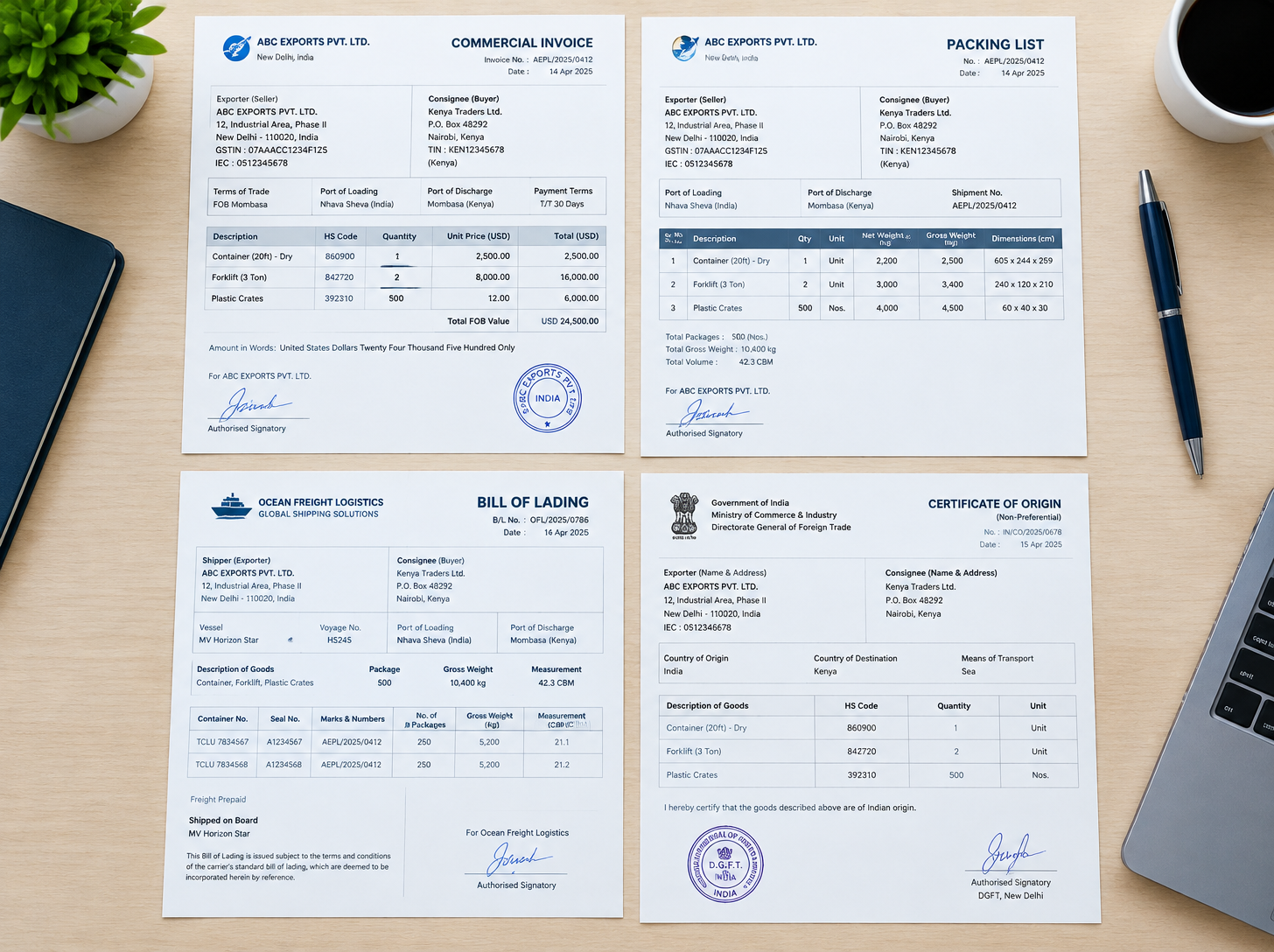
Whatever you buy, Kenya’s 2026 rules apply: a Certificate of Origin, an export declaration document, local marine insurance, a CFS nomination and, for containerised sea cargo, an Advance Cargo Declaration reference. We are not aware of an India-Kenya free trade agreement in force, so the Certificate of Origin is a documentation requirement, and standard tariff treatment applies unless an exemption or scheme says otherwise. Build the total cost using our landed cost guide.
Importing a specific product from India? Tell us what it is, and we’ll tell you which rules apply and how to ship it.
Frequently Asked Questions
What does Kenya import most from India? Published trade data highlights petroleum products, pharmaceuticals, machinery, cereals including rice, vehicles and parts, iron and steel, plastics, chemicals, paper and textiles.
Do pharmaceuticals from India need special approval in Kenya? Yes. Products must be registered with the Pharmacy and Poisons Board and each consignment needs an import permit.
Is there a preferential trade agreement with India? We are not aware of one in force, so standard tariff treatment applies. Confirm for your product.
Does the Certificate of Origin reduce duty on Indian goods? Without a preferential agreement it is a documentation requirement for every import, not a route to lower duty.
Further Reading
- Kenya Revenue Authority: Advance Cargo Declaration platform (external, dofollow)
- Kenya Ports Authority (external, dofollow)
- Related on our blog: Shipping from India to Kenya: FCL, LCL and Air Compared
- Related on our blog: Importing Pharmaceuticals into Kenya
- Related on our blog: Importing Rice into Kenya
- Our service: China to Kenya Shipping Service




Leave a Reply